The best Special Purpose Container in 2026 is not a universal winner. It is the design that suits the cargo, route, and handling plan. A reefer keeps temperature-sensitive goods within a set range. An open-top unit allows loading from above. A flat rack accommodates oversized equipment. Each choice solves a different problem.
Transport geographer Jean-Paul Rodrigue studies how freight moves through transport networks. His work offers a useful lens for this comparison. In this introduction, we express that lens as a practical rule: “Match the container to the cargo, route, and handling chain.” This is a summary, not a verbatim quotation. The distinction matters. A confident-sounding quote should not be mistaken for a sourced statement.
The right choice begins with measurable details: cargo dimensions, weight, loading method, environmental needs, and available handling equipment. A door opening that looks adequate on paper may be awkward beside a warehouse dock. A temperature-controlled unit may add capabilities a shipment does not need. Small mismatches can create delays and extra cost.
This guide compares common options by use case, practical strengths, and trade-offs. It also considers durability, flexibility, and operating needs—not just purchase price. There is no perfect choice for every shipment. Real-world conditions can be messy, and specifications alone do not tell the whole story. Use the comparison as a starting point, then confirm requirements with a qualified container supplier and logistics professional.
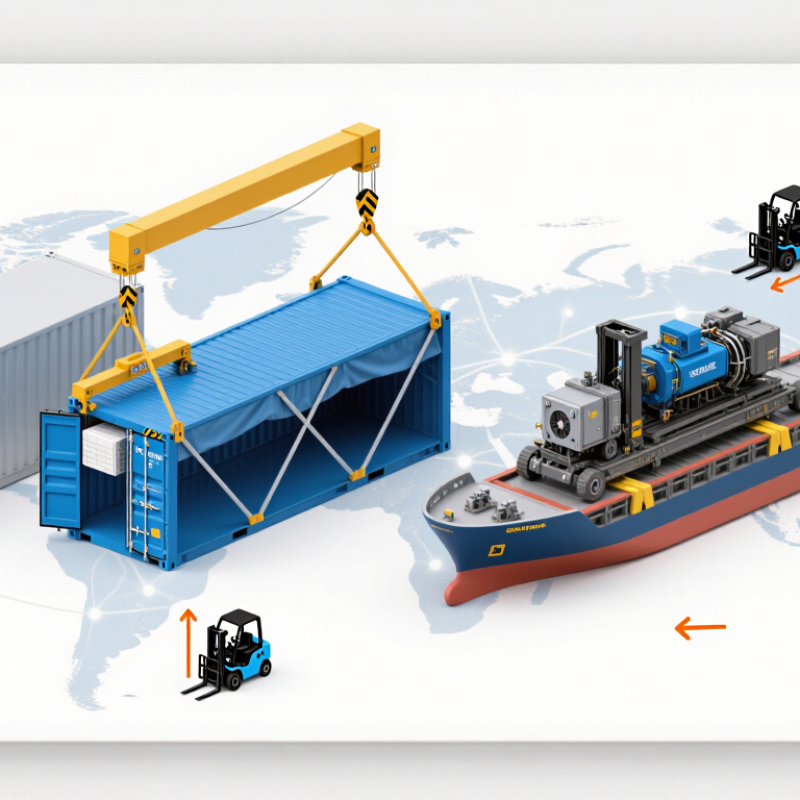
A special purpose container is built or adapted for cargo that a standard dry container cannot handle safely or efficiently. Its design may control temperature, provide wider access, support unusually shaped loads, or hold liquids. Common examples include refrigerated units, open-top containers, flat racks, and tank containers.
The difference is practical. A refrigerated unit uses insulation and cooling equipment to maintain a set temperature, while an open-top unit allows loading from above. A flat rack has no full side walls, which can help with bulky machinery. That difference matters. The right choice depends on cargo dimensions, weight, handling method, and the full route—not just the container’s name.
Before selecting one, check internal measurements, payload limits, door or loading access, and equipment condition. For temperature-sensitive goods, confirm the required range and ask how monitoring works during transit. Also verify that the container suits the planned lifting equipment and transport connections. Not always. “Special purpose” is a broad label, and specifications can vary between units. A careful inspection and clear cargo measurements can prevent costly surprises, though I have seen planning still miss small details, like space needed for straps or ventilation.
| Container Type | Designed For | Typical Features | Main Consideration | Best Fit |
|---|---|---|---|---|
| Refrigerated (Reefer) | Temperature-sensitive goods, including chilled or frozen food, pharmaceuticals, and some chemicals. | Insulated walls and a powered refrigeration unit that maintains a set temperature during operation. | Requires a reliable power supply and careful temperature monitoring; usable interior space is reduced by insulation and machinery. | Perishable cargo that must remain within a controlled temperature range. |
| Open-Top | Heavy or oversized cargo that is difficult to load through standard container doors. | Removable roof cover, commonly a tarpaulin, allowing loading from above by crane. | Cargo may need weather protection, and the load must remain within the container’s permitted dimensions and weight limits. | Machinery, tall equipment, and other top-loaded cargo. |
| Flat Rack | Large, heavy, or unusually shaped cargo that does not fit inside an enclosed container. | End walls with an open sides-and-top design; some units have collapsible end walls. | Cargo is exposed to weather and usually requires specialist securing and handling arrangements. | Vehicles, industrial equipment, and out-of-gauge loads. |
| Tank Container | Bulk liquids, gases, and certain powdered products, subject to the tank’s specification. | A tank mounted within a frame designed for intermodal transport. | Tank construction, pressure rating, lining, and safety approvals must match the product being carried. | Bulk cargo that needs a dedicated, transportable tank rather than drums or smaller packages. |
| Ventilated Container | Cargo that benefits from air circulation and may be affected by condensation or trapped moisture. | Ventilation openings that allow air exchange while keeping the unit enclosed. | Ventilation does not provide active temperature control and may not suit cargo requiring a sealed environment. | Selected agricultural or moisture-sensitive cargo, depending on its transport requirements. |
| Side-Door Container | Cargo that needs wider side access for loading, unloading, or picking. | Additional side-opening doors alongside the end doors; configuration varies by unit. | Door layout and available interior clearance should be checked against the loading equipment and cargo dimensions. | Long items, palletized goods, or operations where side access improves handling. |
| Choosing the Best Option | The cargo’s size, weight, handling method, environmental needs, and route requirements. | Match the container’s design and approved capacity to the shipment and transport plan. | There is no single best type for every shipment. Dimensions, payload, fittings, and availability vary by unit and operator. | Select the type that meets the cargo’s safety and handling needs while fitting the planned transport chain. |
| Note: Container dimensions, payload limits, temperature ranges, and equipment specifications vary by unit. Confirm the specific container details and applicable transport requirements before loading. | ||||
A refrigerated container actively controls temperature for produce and other sensitive goods. Set the correct range and inspect its door seals and power supply. A small seal gap matters.
Use an insulated unit when cargo needs slower heat transfer, but not active cooling. It will not maintain a set temperature by itself. Easy to overlook.
Its vents support airflow for goods that release moisture. Check that the airflow suits the cargo and route conditions.
They allow loading from above, often with a crane. Inspect the removable roof cover before shipment. Details count.
Flat-racks can carry heavy, wide, or awkwardly shaped loads. Compare the cargo dimensions with the available deck space and rated payload.
Yes. They carry bulk liquids or gases in a secured tank frame. Confirm the cargo requirements and equipment specifications before choosing one.
High-cube units offer extra interior height for taller cargo. Measure usable clearance and verify payload; added space does not raise every weight limit.
Compare packed weight and dimensions with payload, door clearance, floor strength, and lifting points. Inspect seals, corrosion, and service records. Confirm cranes, ramps, and storage access at both ends. Paper checks are not enough; I might still miss a dock constraint.
A Special Purpose Container is designed to handle cargo or operating conditions that standard containers cannot accommodate efficiently. Available options include refrigerated units for temperature-sensitive goods, open-top and flat-rack containers for oversized cargo, tank containers for liquids, and ventilated or insulated models for specific environmental needs. The best choice in 2026 depends on the cargo’s dimensions, weight, handling requirements, required temperature or protection, route conditions, and compatibility with transport and storage systems.
No single container type is best for every application. Refrigerated containers prioritize precise climate control, while flat-rack and open-top designs make loading bulky items easier. Tank containers suit liquid transport, and insulated or ventilated units help manage heat, cold, or airflow. To choose the right solution, define the cargo and journey requirements first, then compare capacity, durability, safety features, operational costs, and ease of loading. This approach helps match the container to the task without paying for features that are not needed.

