Engineered to international maritime and intermodal criteria, including ISO 668 external dimensions, CSC safety seals, and rigorous finite element structural analysis.

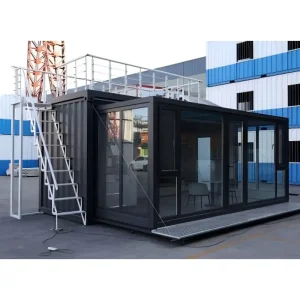


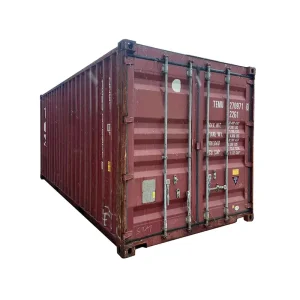
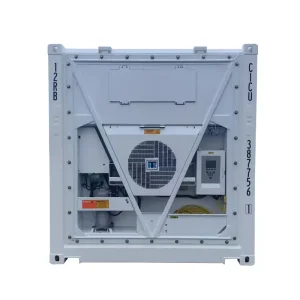
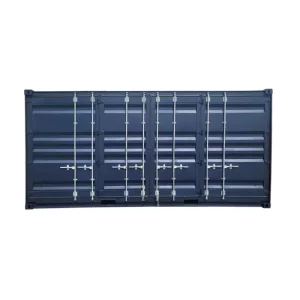
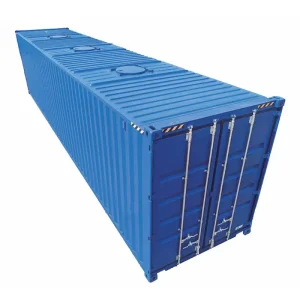
The transition from standardized steel receptacles toward intelligent, low-emission, high-strength intermodal units under ISO Technical Committee 104 standards.
Since the initial ratification of the International Organization for Standardization (ISO) container standards in the late 1960s—notably ISO 668 (Series 1 freight containers — Classification, dimensions and ratings) and ISO 1496-1 (Specification and testing)—the global intermodal supply network has depended on rigid dimensional harmonization. Modern intermodal logistics, however, faces a nexus of decarbonization demands, aggressive automation across automated container terminals (ACTs), and harsh operational extremes.
Contemporary fabrication centers are shifting radically away from conventional mild carbon steels. The baseline structural envelope of modern ISO containers employs advanced SPA-H Corten atmospheric corrosion-resistant steel with a minimum yield point of 345 MPa. This metallurgical profile ensures long-term resistance to electrochemical marine oxidation while keeping tare weight within strictly calibrated limits to maximize intermodal payload capacity.
Implementation of zinc-rich epoxy primers combined with waterborne polyurethane and fluorocarbon finish coats, drastically reducing Volatile Organic Compound (VOC) emissions while offering over 1,500 hours of cyclic salt spray resistance without blistering or delamination.
Seamless embedding of autonomous wireless sensors directly into the structural corrugation recesses. Integrated units monitor temperature gradients, shock impact vectors (>2G force events), door status, and barometric fluctuations with satellite/cellular auto-switching.
Application of finite element analysis (FEA) to redesign corner post gusset configurations and bottom side rails. The target is redistributing high-stress concentrations during 9-high container vessel stacking (under dynamic 1.8G vertical load amplifications).
Analytical frameworks for international supply chain managers balancing upfront capital expenditures with lifecycle durability and intermodal compatibility.
Procuring intermodal equipment at scale demands rigorous alignment with operational duty cycles. Fleet asset directors analyze containers based on Total Cost of Ownership (TCO), an index dictated by initial steel quality, cathodic paint thickness (Dry Film Thickness - DFT typically ranging between 110 µm and 130 µm), timber flooring treatment compliance (such as Australian Quarantine Inspection Service - AQIS standards), and door gasket seal elastomeric longevity (EPDM synthetic rubber).
| Dimensional & Mechanical Property | 20ft General Purpose (GP) | 40ft High Cube (HC) | 20ft Offshore (DNV 2.7-1) | 20ft ISO Tank (T75 Cryogenic) |
|---|---|---|---|---|
| External Dimensions (L × W × H) | 6,058 × 2,438 × 2,591 mm | 12,192 × 2,438 × 2,896 mm | 6,058 × 2,438 × 2,591 mm | 6,058 × 2,438 × 2,591 mm |
| Internal Cubic Capacity | 33.2 m³ (1,172 cu.ft) | 76.4 m³ (2,698 cu.ft) | 30.1 m³ (heavy-wall internal) | 20,000L – 24,000L Vessel Vol. |
| Max Gross Weight (M.G.W.) | 30,480 kg – 32,500 kg | 32,500 kg – 34,000 kg | 15,000 kg – 20,000 kg | 36,000 kg |
| Primary Alloy Metallurgy | Corten SPA-H (JIS G3125) | Corten SPA-H (JIS G3125) | EN 10025-S355ML (Low Temp) | Outer: 304 / Inner: 06Cr19Ni10 |
| Testing & Regulatory Cert. | ISO 1496-1, CSC, UIC, TIR | ISO 1496-1, CSC, UIC, TIR | DNV GL-ST-E271, EN 12079 | IMDG, ASME Sec VIII, ADR/RID |
Deploying specialized containment solutions engineered to withstand extreme environmental vectors from maritime routes to remote polar and sub-sea operational sites.
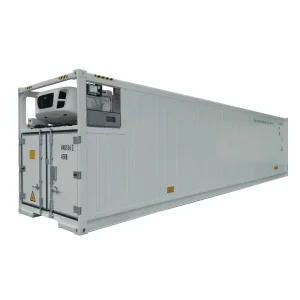
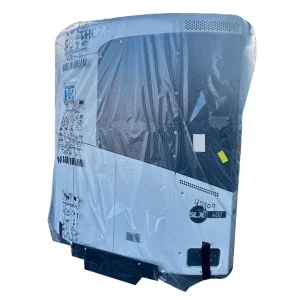
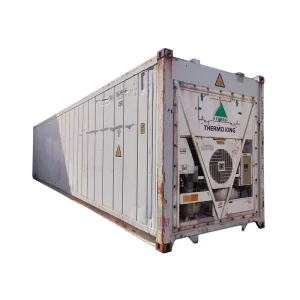
Precision-engineered active refrigeration systems (Thermo King, Daikin, Carrier Transicold) featuring integrated de-humidification, Controlled Atmosphere (CA) nitrogen flushes, and deep-freeze capacity down to -60°C for high-value active pharmaceutical ingredients (API) and perishables.
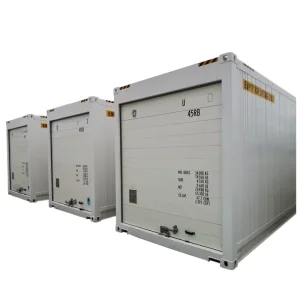
Certified to DNVGL-ST-E271 and ISO 10855 criteria. Units utilize impact-tested low-temperature steels capable of withstanding -20°C dynamic side collision forces, fitted with specialized four-point pad-eyes and certified heavy-duty sling sets for open-sea vessel crane transfer.
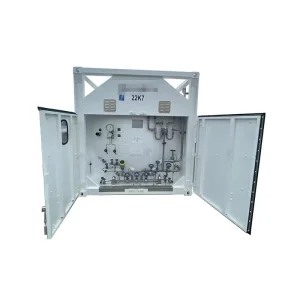
T75-rated multi-layer vacuum insulated cryogenic tank containers constructed to ASME Section VIII and IMDG code specifications. Suited for bulk transit of Liquefied Natural Gas (LNG), Liquid Nitrogen (LIN), Liquid Oxygen (LOX), and high-purity alcohols without boil-off leakage.
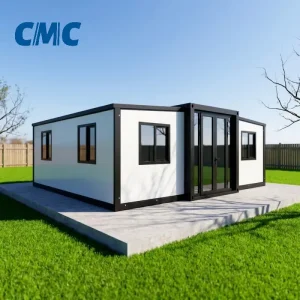
Heavy-duty structural shells customized for Battery Energy Storage Systems (BESS), mobile hyperscale computing enclosures, and rapidly deployable expandable housing modules equipped with thermal decoupling, fire suppression conduits, and acoustical dampening.
Navigating the complex matrix of international maritime treaties, technical classification authorities, and statutory safety mandates.
Every commercial container entering international intermodal interchange must maintain uncompromised compliance with the International Convention for Safe Containers (CSC 1972). Compliance is physically manifested through the CSC Safety Approval Plate, requiring independent third-party physical witness testing by approved classification bodies, including Bureau Veritas (BV), American Bureau of Shipping (ABS), DNV, or Lloyd's Register (LR).
Factory Acceptance Testing (FAT) protocols involve non-destructive structural stress testing far exceeding nominal operations:
Evaluating corner post weld integrity under 150 kN transverse static loads. This test verifies that the diagonal shear stress resistance of the container end-frame prevents parallelogram distortion during vessel rolling motions.
Simulating heavy industrial forklift entry using a calibrated hydraulic trolley load of 7,260 kg (16,000 lbs) per axle over a 142 cm² wheel footprint in strict accordance with ISO 1496-1 clause 6.10, ensuring zero plastic floor deformation.
Subjecting all exterior joints, door gaskets, and roof junctions to continuous high-velocity solid stream water jets from a 12.5 mm internal diameter nozzle at 100 kPa pressure from a 1.5-meter distance to guarantee absolute hermetic integrity.
Pioneering design and manufacturing frontiers guiding the next decade of intermodal containment systems.
Integrating strain gauges within bottom sills and side rails connected via low-power Bluetooth (BLE) to edge-computing nodes. Real-time stress data feeds cloud-based digital twin models to forecast structural fatigue life and alert fleet operators to unrecorded yard impacts.
Eliminating tropical hardwood (Apitong/Keruing) reliance by engineering high-durability bamboo-polyurea hybrid matrices and 100% post-consumer recycled composite floor boards, achieving higher flexural strength ratings with zero chemical rot vulnerability.
Next-generation reefer and insulated boxes featuring vacuum insulated panels (VIPs) coupled with organic phase change materials (PCMs) within side-wall panels, sustaining steady internal thermal conditions for up to 72 hours without active power grid connection.
Specialized intermodal units, railway reefer corridors, offshore ore carriers, and high-cube customized logistics hardware engineered for mission-specific cargo.


In-depth responses from structural engineers and maritime compliance officers covering dimensions, material tolerances, and operational certifications.
