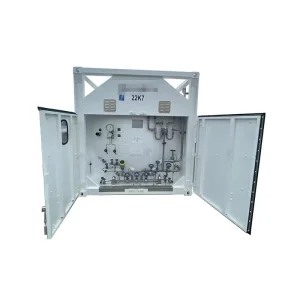
OEM 20ft Used Shipping or Storage Container Pricelist, Quotes
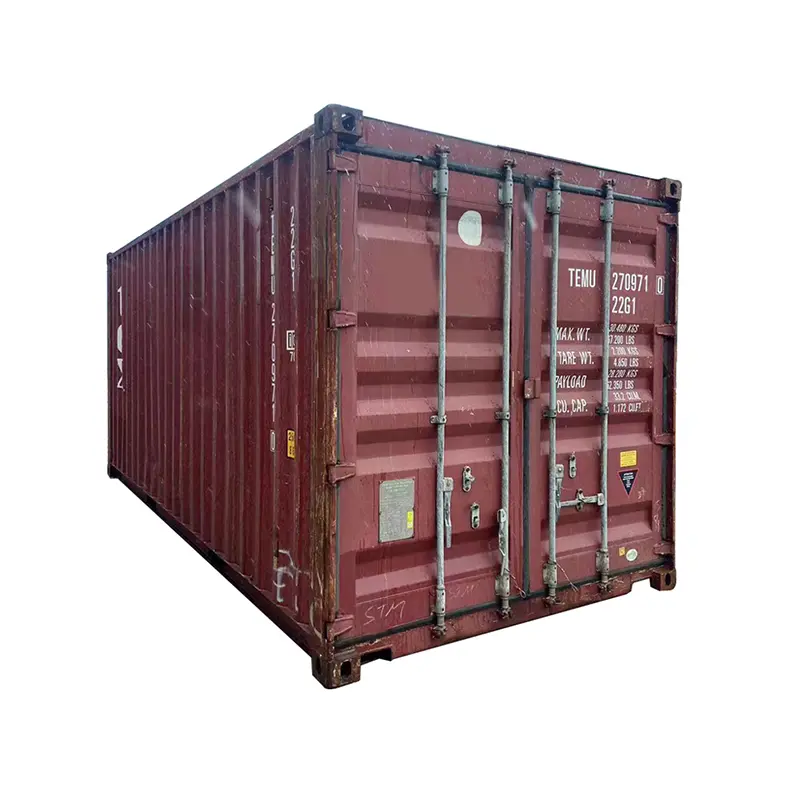
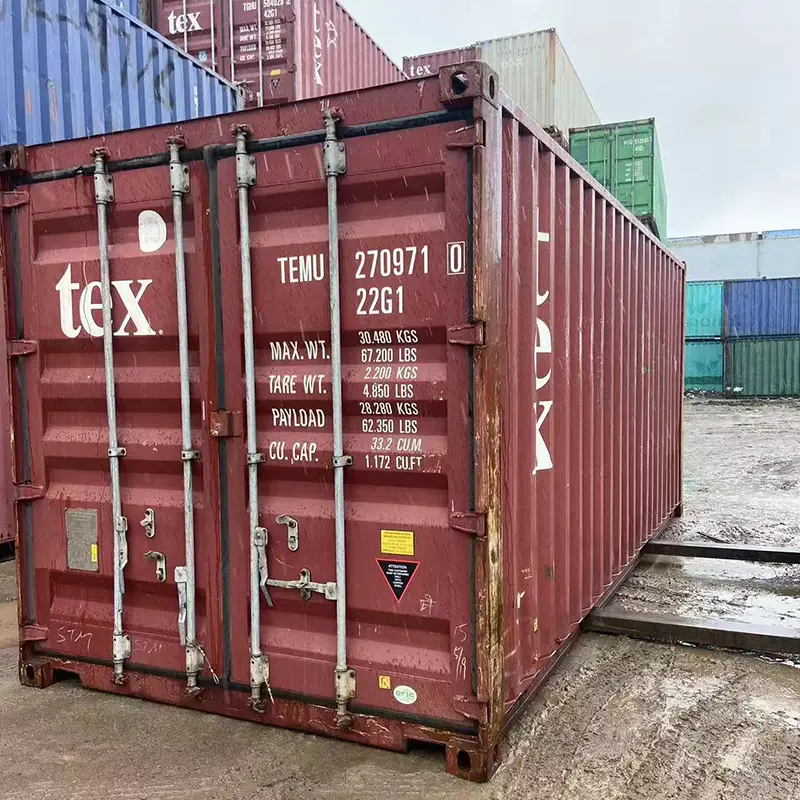
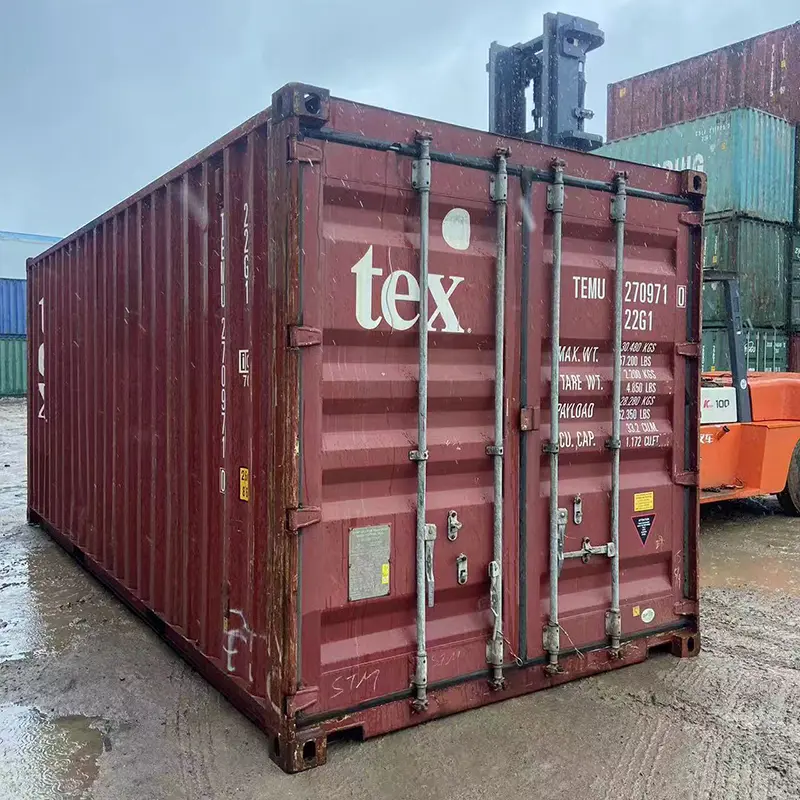
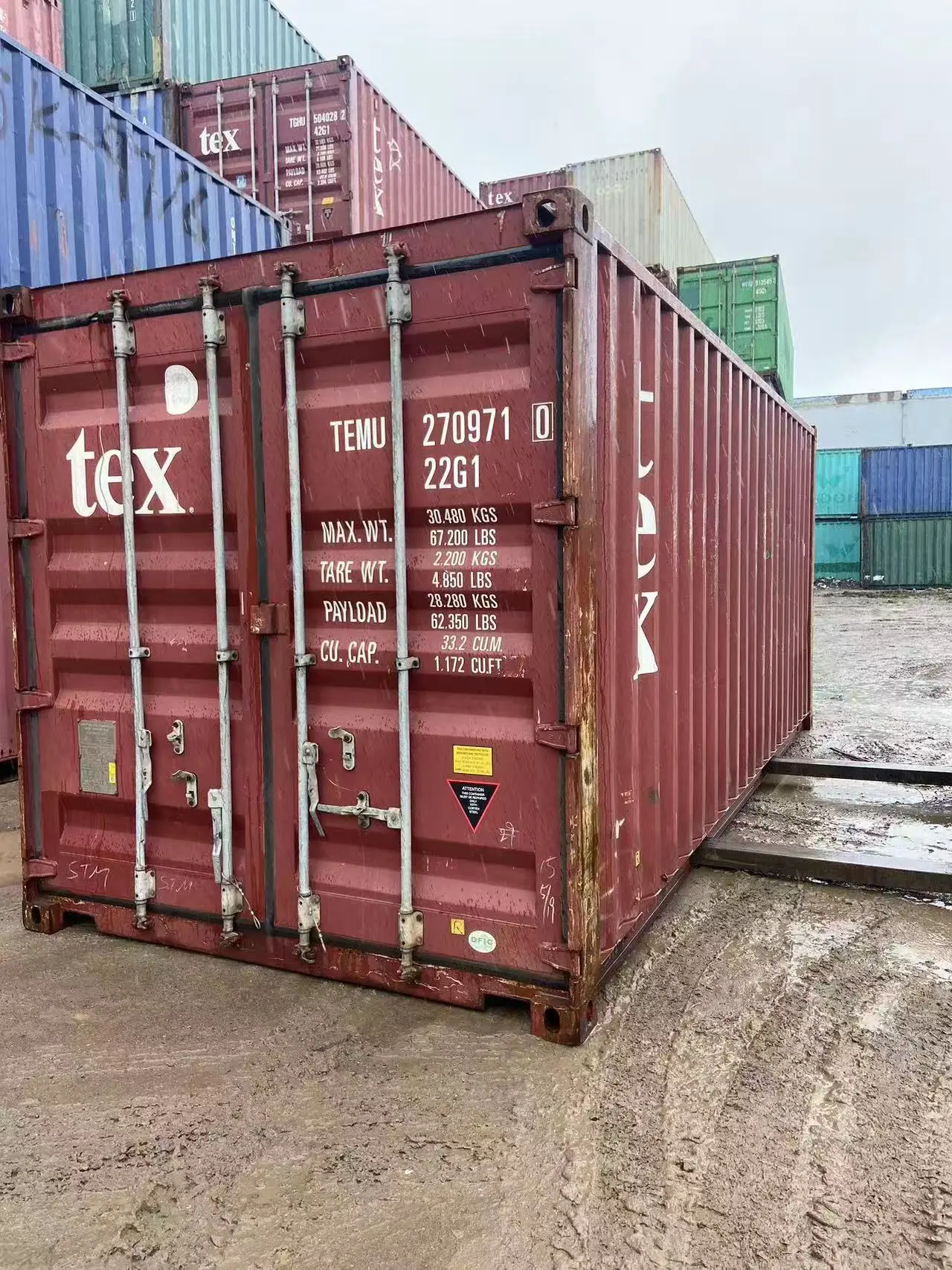
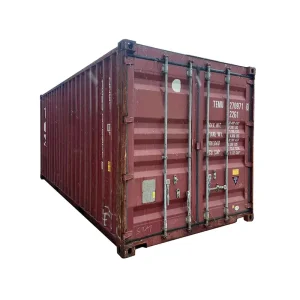
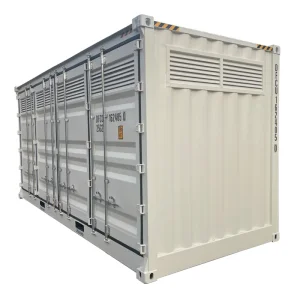
Used containers are in stock at various ports in China and can be used for transportation or as independent storage units for temporary or long-term storage of goods. 20ft containers can be conveniently used to store goods, etc. Its advantages are good sealing and strong mobility.
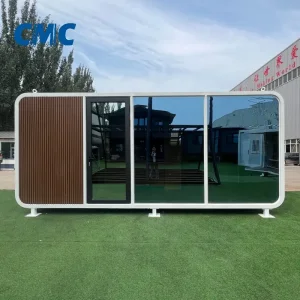
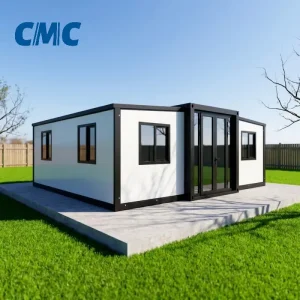
Second-hand containers are highly transformable. They can be creatively transformed according to different uses later, and the uses that can be transformed are also quite wide, such as transforming them into mobile shops, offices, dormitories, homestays, etc. In the field of construction, by cutting, splicing, installing doors and windows and internal facilities on second-hand containers, it is possible to quickly build a unique temporary or permanent building. This flexibility of transformation allows second-hand containers to play a role in a variety of scenarios.
Product Specification
External Dimension (MM)
6058*2438*2591
Internal Dimension (MM)
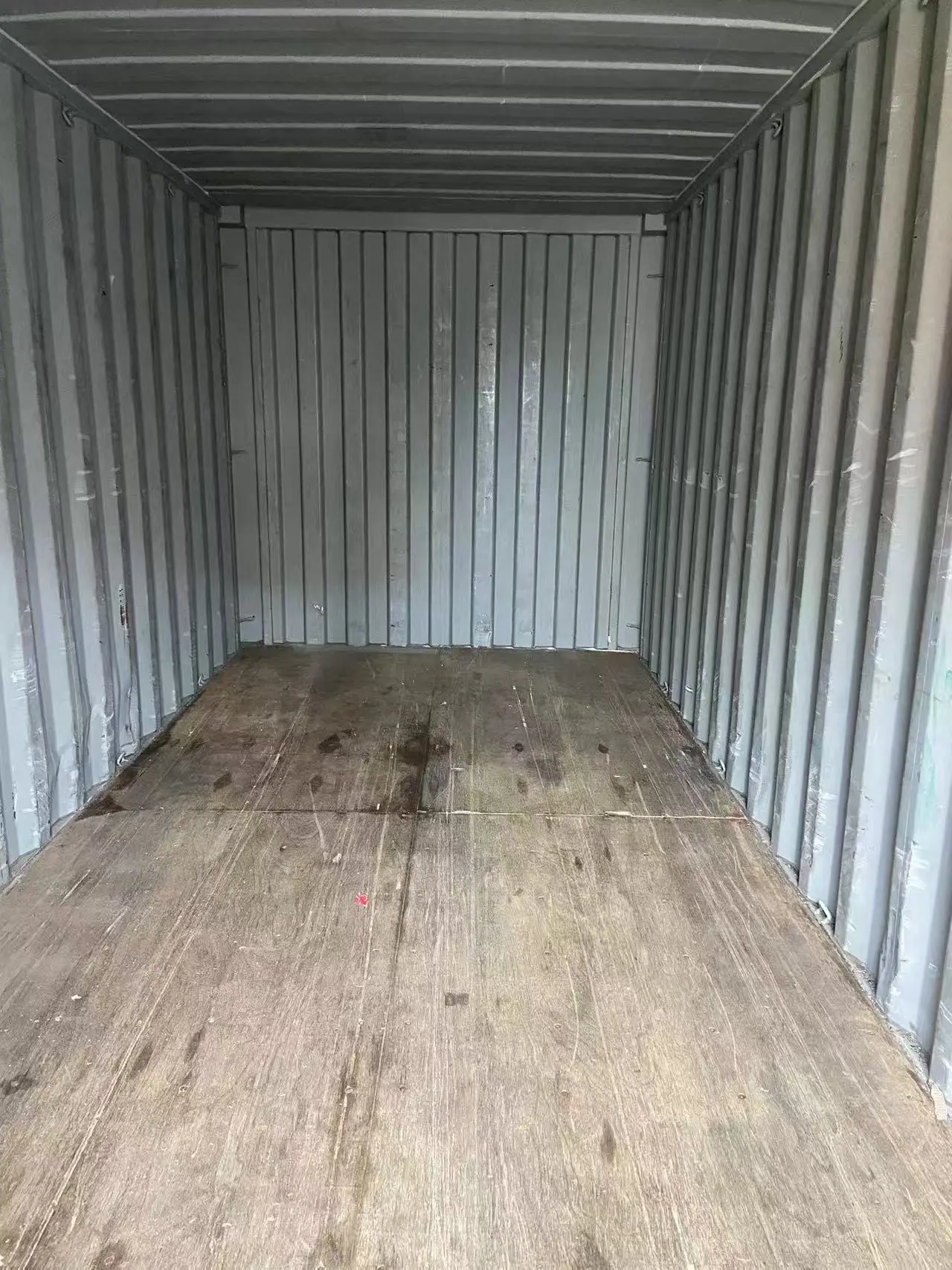
5898*2352*2393
Door opening (width)
2340
Door opening (height)
2280
Maximum Gross Weight
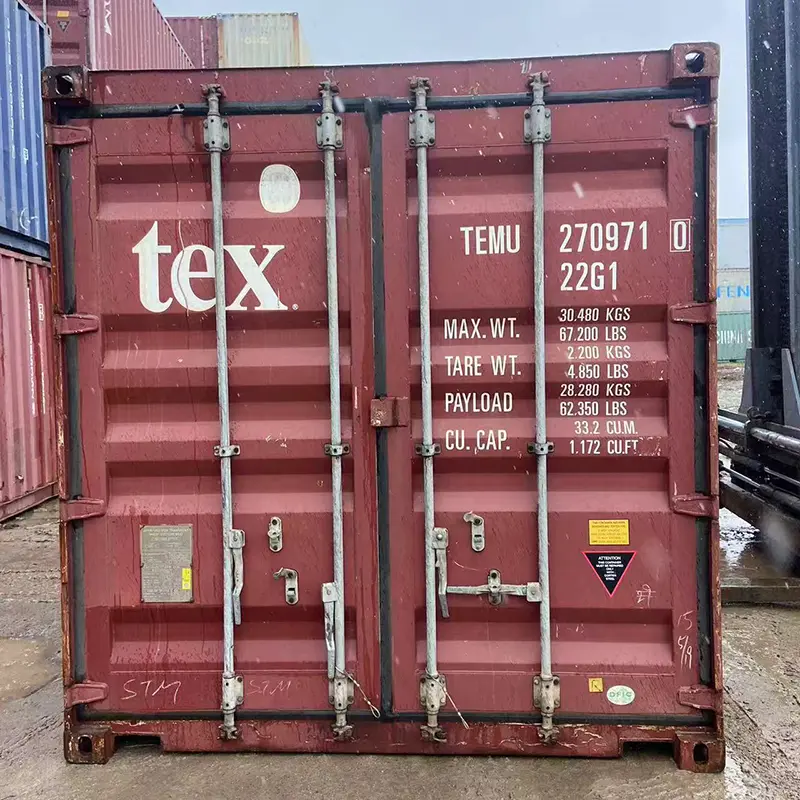
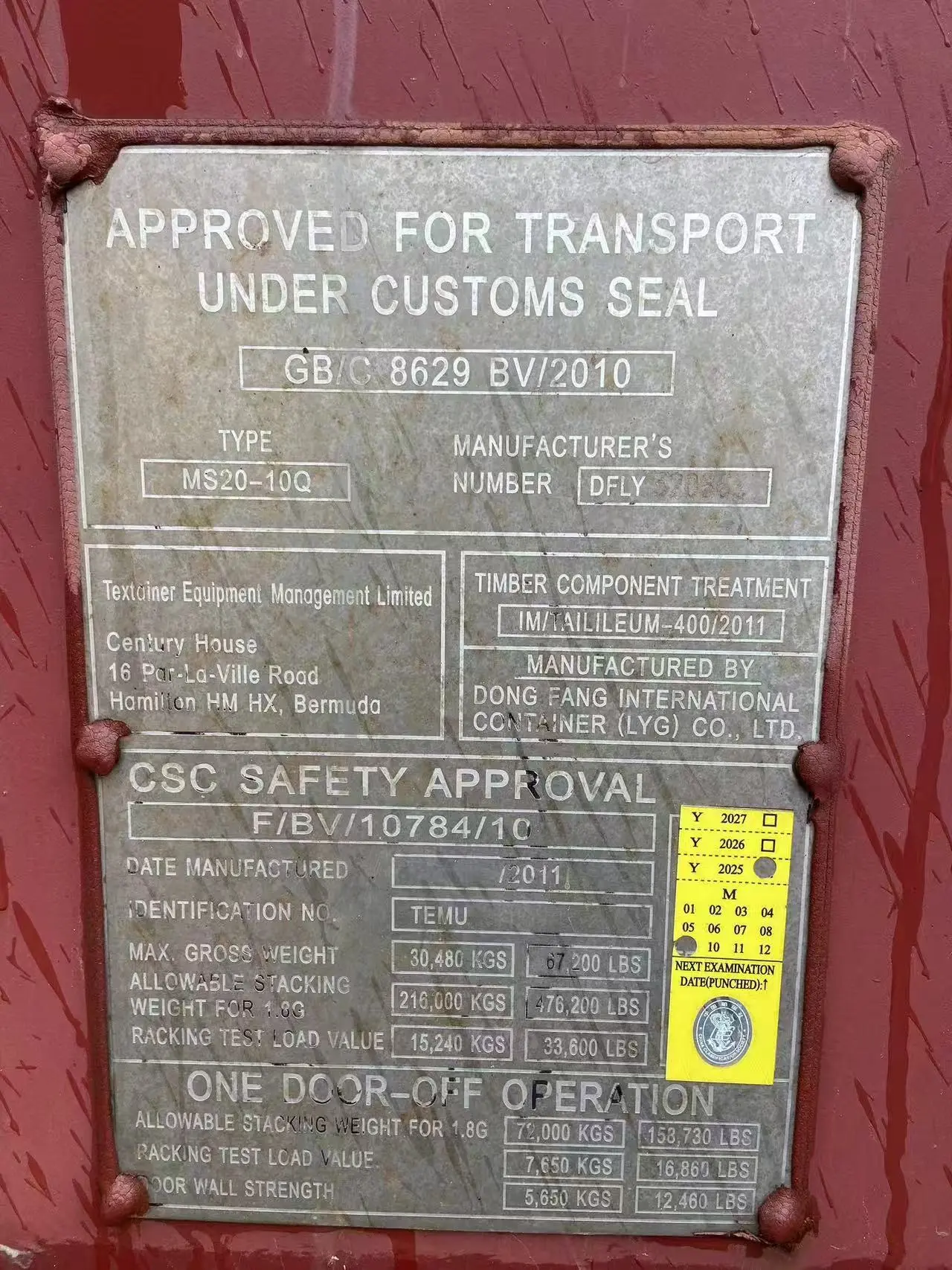
30480kg 67200lbs
Maximum Payload
28280kg 62350lbs
Tare Weight (±2%)
2200kg 4850lbs
Advantages
The price advantage is significant:
The price of second-hand containers is much lower than that of new containers. For example, the price of a new 40-foot dry cargo container may be between 30,000 and 40,000 yuan, while the price of a second-hand container of the same type may be only 10,000 to 20,000 yuan, a price reduction of about 50%. For small and medium-sized enterprises, individual merchants or some temporary projects with limited budgets, purchasing second-hand containers can significantly reduce capital expenditures and is a very wise decision economically.
Adequate market supply:
With the development of global trade and logistics, the second-hand container market supply is relatively sufficient. There are a large number of decommissioned containers flowing into the market, and these containers can be provided to customers in need within a short period of time. Whether you buy from a professional second-hand container sales company or an online platform, it is generally easier to find a suitable container.
Resource reuse:
Purchasing second-hand containers is a good way to reuse resources. The manufacturing of containers requires a large amount of steel, wood and other resources. The recycling of second-hand containers can extend the life cycle of the containers and avoid premature waste of resources.
Frequently Asked Questions
What can second-hand containers be transformed into?
They can be creatively transformed according to different uses, such as mobile shops, offices, dormitories, homestays, etc. In the field of construction, by cutting, splicing, installing doors and windows and internal facilities, it is possible to quickly build unique temporary or permanent buildings.
How can second-hand dry cargo containers be used for temporary storage?
Second-hand dry cargo containers can be used as temporary warehouses in construction sites, logistics transfer stations and other places.
Can second-hand dry cargo containers be used for long-term storage?
For some goods that are not particularly demanding in terms of storage environment, second-hand dry cargo containers can also be used as long-term warehouses, saving the cost of building a dedicated warehouse. Moreover, due to the structural characteristics of the container itself, it can be easily stacked and stored, which improves land utilization.
What accessory conditions should be checked when buying a container?
Check whether the corner fittings (located at the eight corners of the container) are intact. Corner fittings are important parts for lifting, fixing and connecting containers. At the same time, check whether the lock rods, lock seats, hinges and other parts around the door can work normally, whether the door fits tightly after closing, and whether the sealing is good, which is related to the safety and protection of the goods.
What floor conditions should be inspected in a second-hand container?
Check whether the floor is flat, rotten, deformed or perforated. If used to transport heavier goods, the load-bearing capacity of the floor is particularly important. For wooden floors, check whether there is moisture, insect infestation, etc.; for metal floors, pay attention to whether there is rust penetration.