

Explore our certified inventory of engineered containers, manufactured under stringent ISO 9001, CSC, and DNV maritime standards, engineered for harsh logistics and specialized industrial transit.



Why modern global supply chains are abandoning standardized commoditized boxes in favor of purpose-engineered intermodal and modular assets.
In the contemporary landscape of global logistics, multimodal transport operators, multinational engineering corporations, and offshore extraction syndicates face unprecedented cargo demands. The era where a generic 20ft or 40ft ISO dry freight box could accommodate sophisticated industrial deployments has come to an end. Today, heavy mineral ores demand low center-of-gravity half-height carriers; volatile fine chemicals dictate precision-regulated side-vented dangerous goods envelopes; transcontinental Eurasian railway corridors require hyper-insulated 45-foot high-cube active electric-diesel reefers; and offshore subsea support demands dynamic drop-tested DNV 2.7-1 / EN 12079 structural steel enclosures.
Procuring special containers requires an acute technical understanding of structural kinematics, metallurgy (specifically SPA-H atmospheric corrosion-resistant steel), thermal bridging coefficients, and international statutory certifications. Selecting the right manufacturing partner is not merely a vendor acquisition exercise; it is an integration of design for manufacturing (DFM), statutory third-party oversight, and localized maritime logistics streamlining.
Core Procurement Rule: Standard ISO containers are built for volumetric general dry freight at minimal production cost. Special containers are structural apparatuses designed to protect multi-million-dollar high-consequence cargo, sustain offshore cyclic wave impacts, and maintain sub-zero pharma thresholds across extreme temperature differentials spanning -40°C to +55°C.
How concentrated metallurgical supply chains, automated submerged arc welding, and coastal hub logistics deliver superior cost performance and engineering fidelity.
Production hubs situated in the Bohai Rim (Tianjin Port pilot economic zones) and the Yangtze River Delta (Suzhou industrial corridors) operate within 100 kilometers of deep-water berths. This geographic adjacency eliminates expensive long-distance inland cartage, shortens roll-on/roll-off dispatch cycles, and ensures uncompromised factory-to-vessel loading pipelines.
Port Adjacency AdvantageDirect integration with domestic Tier-1 steel mills provides immediate access to certified SPA-H Corten atmospheric weathering steel coils. Combined with localized automated CNC cold-roll forming, robotic laser cutting, and standardized sourcing for Cast Marine grade corner castings, raw material costs are strictly regulated against international volatility.
Raw Material EfficiencyDirect supply agreements with world-leading cold-chain machine builders—Thermo King, Daikin, Carrier Transicold, and Daikin Marine—guarantee genuine powertrain warranties, direct factory firmware integration, and immediate access to dual-power integrated diesel-generator refrigeration sets without broker markups.
Certified Thermal OEM AlliancesComprehensive price drivers, structural specifications, material grading, and reference pricing benchmarks for capital budgeting.
| Container Classification | Standard Dimensions | Structural Metallurgy / Lining | Payload / MGW | Primary Certifications | Estimated B2B Benchmark (USD)* |
|---|---|---|---|---|---|
| Mini Nested Dry Series | 4ft, 6ft, 8ft, 10ft Nestable | Corten-A Corrugated / Bamboo Floor | 2,500 – 10,000 KG | ISO 1496-1, CSC | $1,450 – $3,200 |
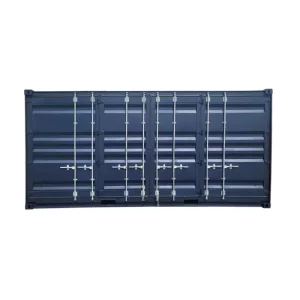
| Side-Door Intermodal | 20ft Standard & 40ft HC | Reinforced Top Rail / Full Side Hinged | 24,000 – 30,480 KG | CSC, TIR, UIC | $3,800 – $6,400 |
| Offshore Rig Box (DNV) | 10ft / 20ft Offshore Enclosure | High Yield Impact Steel (-20°C Pad Eyes) | 10,000 – 25,000 KG | DNV 2.7-1, EN 12079 | $5,800 – $11,500 |
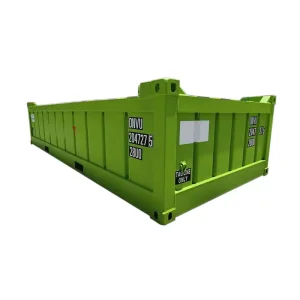
| Mining Half-Height Ore | 20ft x 4ft / 4ft 3in Height | Abrasion Resistant Hardox / Q345B | 35,000 – 42,000 KG | CSC Heavy Payload, ISO 1496 | $4,900 – $8,200 |
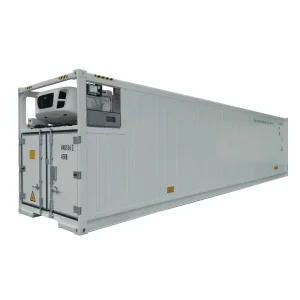
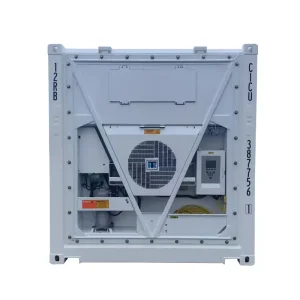
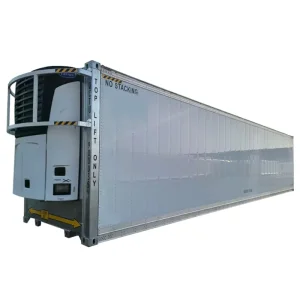
| Belt & Road Reefer (Rail) | 45ft HC 9ft 6in Multimodal | Stainless 304 Interior / Polyurethane Foam | 34,000 KG (Dual Diesel Tank) | ATP, CSC, Intermodal Rail | $16,500 – $24,000 |
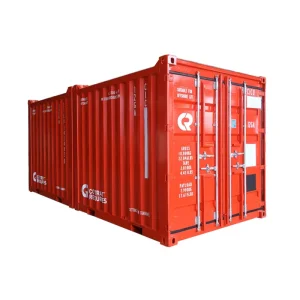
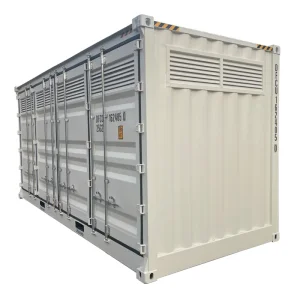
| Dangerous Goods (DG) Unit | 20ft HC Side-Vented / Bunded | Galvanized Grating / Anti-Spark Valve | 20,000 – 30,000 KG | IMDG, AS 1940, EN 14470-1 | $4,600 – $7,900 |
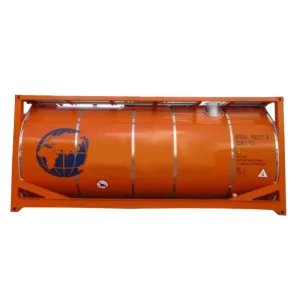
| ISO Liquid Tank (T11-T14) | 20ft Frame Intermodal | 316L Stainless Steel Pressure Shell | 21,000 – 26,000 Liters | ASME VIII, IMDG, ADR, RID | $18,000 – $28,500 |
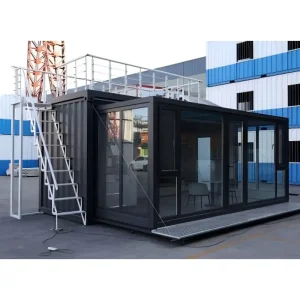
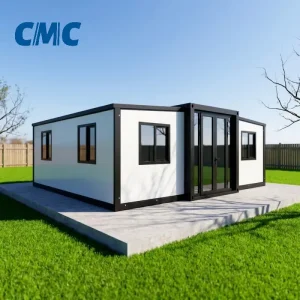
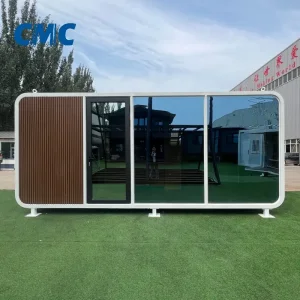
| Modular Apple Pod / Cabin | 20ft / 40ft Architectural | Aero Aluminum Shell / Glass / Insulation | Structural Deadweight 3.5T | CE, Electrical AS/NZS 3000 | $7,500 – $16,000 |
*Note: Unit price varies based on global steel indices (SPA-H/Q345), paint systems (marine C5-M zinc primers), customized floor load reinforcement, cooling machine selections, and volume scale. Contact engineering teams for binding project quotations.
A rigorous examination of mandatory international engineering accreditations required for cross-border maritime, rail, and energy field deployment.
For open ocean deployments subjected to high sea states and vessel-to-rig dynamic crane hoisting. Fabricated from steel with guaranteed Charpy V-notch impact values down to -20°C, equipped with certified 4-point padeye sling assemblies, dynamic drop-tested, and audited directly by Bureau Veritas (BV) or DNV.
The International Convention for Safe Containers (CSC) safety approval plate guarantees structural stackability (up to 9-high 216,000 kg racking load), longitudinal wall racking resistance, dynamic brake testing, and transverse strength under ISO 1496 Part 1 (dry) or Part 2 (thermal) inspection protocols.
Perishable food transport across European and Eurasian transit networks requires ATP Class FRC certification (refrigerated with reinforced insulation, achieving overall heat transfer coefficients U ≤ 0.40 W/m²K). TIR certification guarantees tamper-proof customs-secure hinge pins and security cable rivets.
Dangerous chemicals, hazardous battery banks, and volatile goods demand compliance with the International Maritime Dangerous Goods (IMDG) Code, featuring continuous internal bunding sumps for containment, spark-resistant aluminum grating, and ATEX Zone 1 / Zone 2 compliant explosion-proof extraction blowers.
Real-world integration architectures across critical industrial applications, from subarctic mineral hauling to high-ambient equatorial energy grids.
The "Belt and Road" rail freight corridor linking Xi'an and Chengdu to Central Europe imposes grueling transit conditions: non-stop 14-day runs across freezing Siberian permafrost (-40°C) transitioning to baking continental heat (+40°C). Standard reefers fail due to electrical grid incompatibility and freezing fuel lines. Our customized 45-foot HC rail reefers integrate Carrier X4-7300 dual-fuel units with 800-liter dual-insulated diesel tanks, automated cold-weather fuel preheating, and real-time remote satellite IoT telematics monitoring fuel levels, box temperatures, and automated reefer defrost cycles.
Conventional ISO containers buckle under the abrasive concentrated weight of lithium spodumene, iron ore, and copper concentrates. Our 20-foot half-height open-top ore containers utilize high-tensile Q345B steel framing with Hardox-equivalent wear plates, low-slung load geometry to eliminate rolling hazards on rail beds, and automated self-dumping ro-tainer locking systems that allow 360-degree turnover dumping into smelter hoppers without human intervention.
Remote mining sites, disaster response zones, and modern eco-tourism sites demand pre-engineered structural envelopes with zero on-site construction overhead. Our high-cube expandable container houses and "Apple Cabin" pods are engineered with aviation-grade structural aluminum exteriors, integrated polyurethane sandwich insulation, pre-plumbed gray-water grey/black separation, CE-certified concealed fireproof wiring, and high-efficiency heat-pump HVAC units pre-installed in Tianjin.
How artificial intelligence, eco-metallurgy, and containerized energy storage are reshaping the global manufacturing roadmap.
Modern reefer and special cargo containers are transitioning from passive data-loggers to real-time predictive nodes. Integrated 4G/5G-enabled cellular-satellite telematics report GPS location, reefer compressor vibration anomalies, and internal gas composition (O2/CO2 levels in controlled atmosphere units) to cloud dashboard endpoints, triggering predictive maintenance before critical component failure.
Predictive Fleet DiagnosticsIn response to the Kigali Amendment and strict EU F-Gas regulations, factory lines are phased toward ultra-low global warming potential (GWP) refrigerants, including R-452A and natural CO2 (R-744) transcritical compression circuits. Structural insulation cores have advanced to water-blown cyclopentane polyurethane foams that provide zero ozone depletion and 15% higher thermal retention.
Kigali / F-Gas CompliantBattery Energy Storage Systems (BESS) represent the fastest-expanding special container segment. Factory production incorporates heavy structural floor beams to support 30+ ton LFP battery racks, explosion venting roof panels complying with NFPA 68/69, localized aerosol or Novec 1230 fire suppression plumbing, and liquid-cooling manifold routing directly fabricated into the corner posts.
NFPA / Utility GradeIn-depth responses to critical procurement, inspection, and structural queries posed by enterprise container buyers.
SPA-H Corten steel contains specific micro-alloying elements, including copper, chromium, and nickel. When exposed to ocean atmosphere and industrial airborne moisture, it develops a dense, self-healing oxide patina that arrests further oxidative penetration. Compared to standard Q235 or mild carbon steels, SPA-H exhibits atmospheric corrosion resistance up to 4 to 8 times higher, significantly extending structural lifespan and maintaining tensile integrity under dynamic maritime stresses.
To travel aboard standard container vessels and rail systems, the container must feature a valid CSC (Convention for Safe Containers) safety approval plate issued by an authorized classification society (e.g., Bureau Veritas, DNV, ABS, or CCS). For specialized cargo, additional documentation includes the ISO 1496 compliance certificate, TIR customs approval certificate, UIC railway registration certification, and, if carrying temperature-controlled food, the ATP certificate issued following thermal tunnel testing.
While standard catalog dry and reefer containers can be procured in single-unit quantities, highly customized engineering projects (such as modified exterior widths, non-standard structural height profiles, or custom side door configurations) require specialized press tool die setups and assembly line jig configurations. For custom CAD engineering runs, the optimal cost-effective MOQ is typically 4 to 10 units (for 20ft/40ft equivalents), allowing fixed engineering drawing, laser programming, and classification society prototype testing fees to be amortized efficiently.
Container rain occurs when internal air temperature drops below dew point during diurnal ocean transits. Our engineering team addresses this through three complementary mitigations: (1) interior anti-condensation ceramic thermal barrier coatings; (2) pressure-equalizing baffle vents configured with labyrinth moisture traps; and (3) high-density non-hygroscopic spray-applied polyurethane foam cores on ceilings and sidewalls that eliminate internal cold bridge contact surfaces.
Yes. We deliberately standardize on genuine Tier-1 international brand refrigeration machinery. Thermo King, Carrier Transicold, and Daikin maintain worldwide authorized service technician networks across major ports, cold stores, and intermodal depots spanning over 140 countries. Warranty registrations are logged directly into global systems upon export, ensuring uninterrupted access to OEM replacement parts, certified firmware updates, and local emergency maintenance.
Our surface finishing line applies an industrial 3-coat marine protective system: (1) centrifugal wheel shot-blasting of raw steel to Sa 2.5 standard; (2) zinc-rich epoxy primer coat (30-40 μm dry film thickness); (3) high-build polyamide-cured epoxy intermediate coat (40-50 μm); and (4) aliphatic polyurethane topcoat (40-50 μm) providing total dry film thickness ≥ 120-140 μm. This system is tested to withstand 3,000+ hours of continuous salt spray testing per ISO 12944 C5-M specifications.
Comprehensive engineering inventory built for liquid bulk handling, open-top overhead loading, chemical segregation, and architectural modular living.

Whether you require CAD structural validation, custom DNV offshore drop-test certifications, or bulk factory-gate FOB pricing for intermodal equipment fleets, our technical engineering office provides binding proposals within 24 hours.