1 / 4
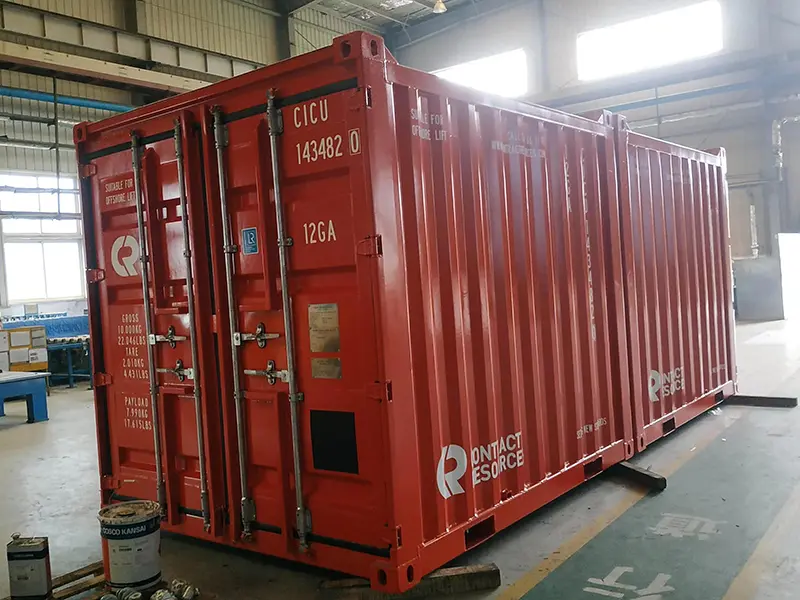
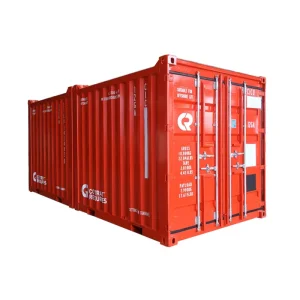
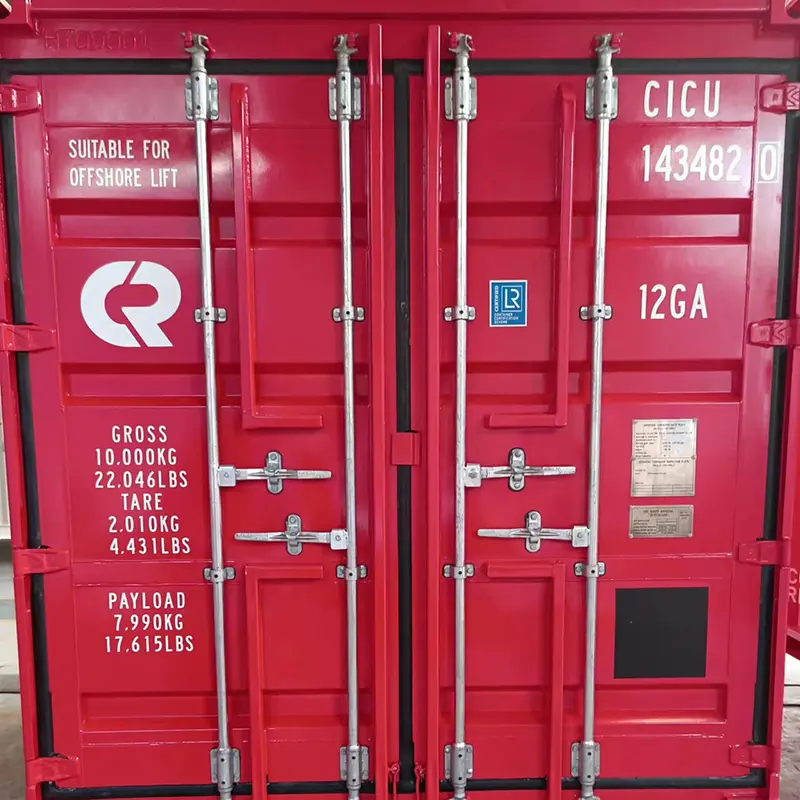
| External Dimension (MM) | 12192*2438*2896 |
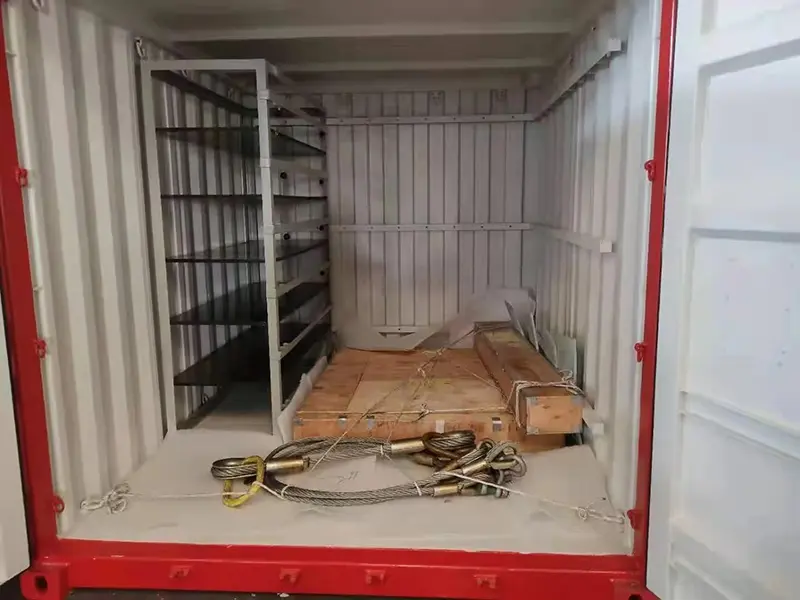
| Internal Dimension (MM) | 11590*2294*2554 |
| Door Opening (Width) | 2290 mm |
| Door Opening (Height) | 2569 mm |
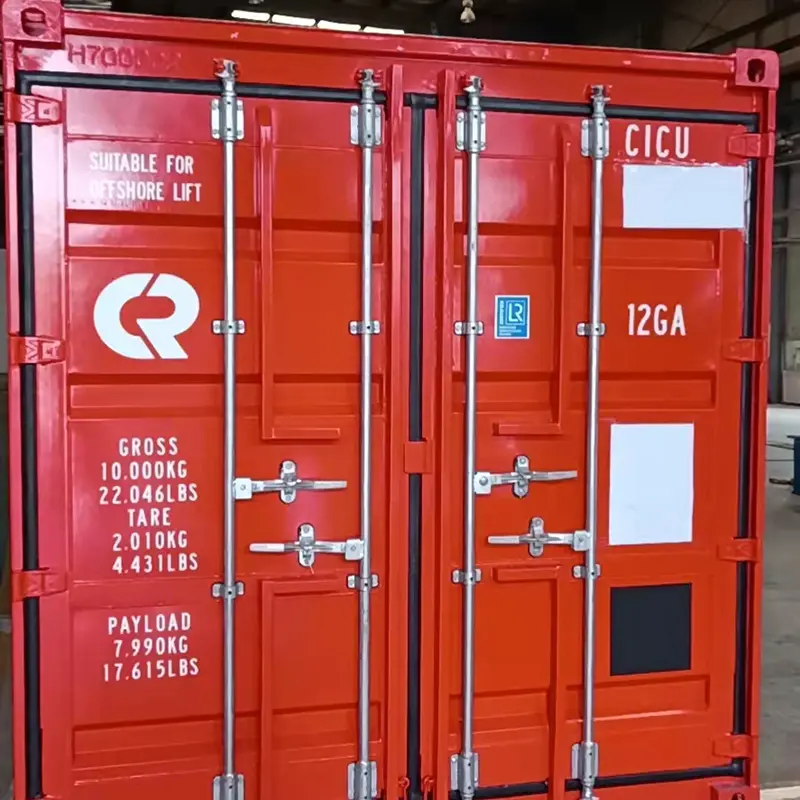
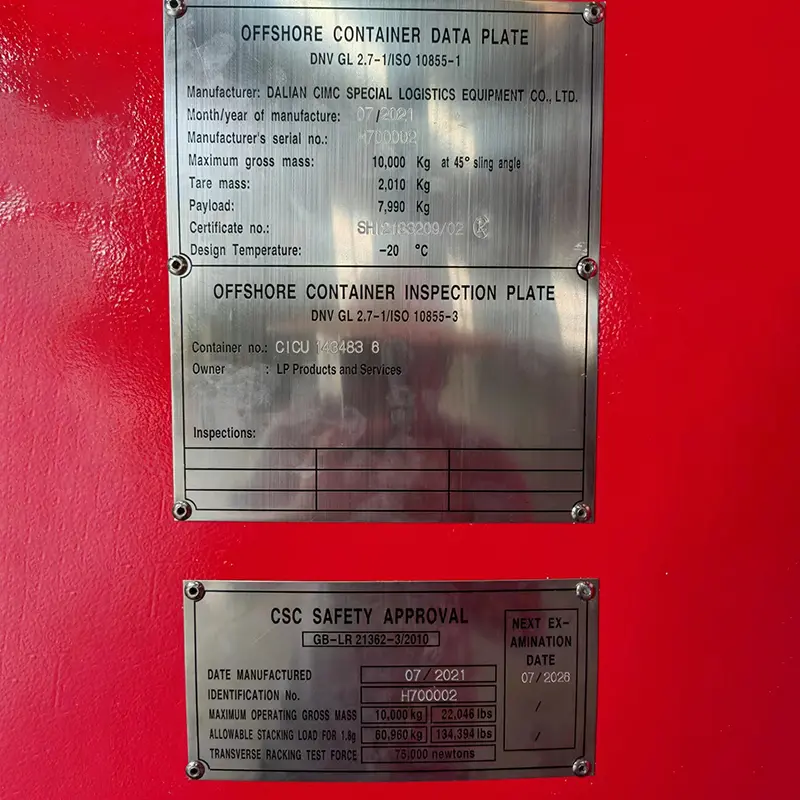
| Maximum Gross Weight | 34000 kg / 74960 lbs |
| Maximum Payload | 29250 kg / 64490 lbs |
| Tare Weight (±2%) | 4210 kg / 9280 lbs |
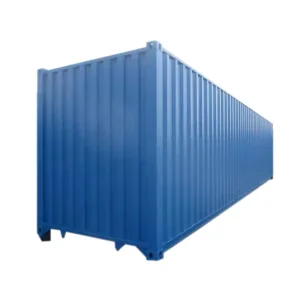
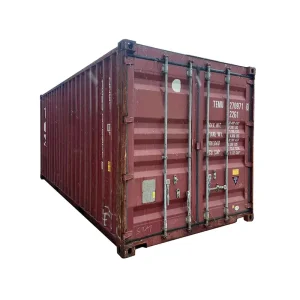
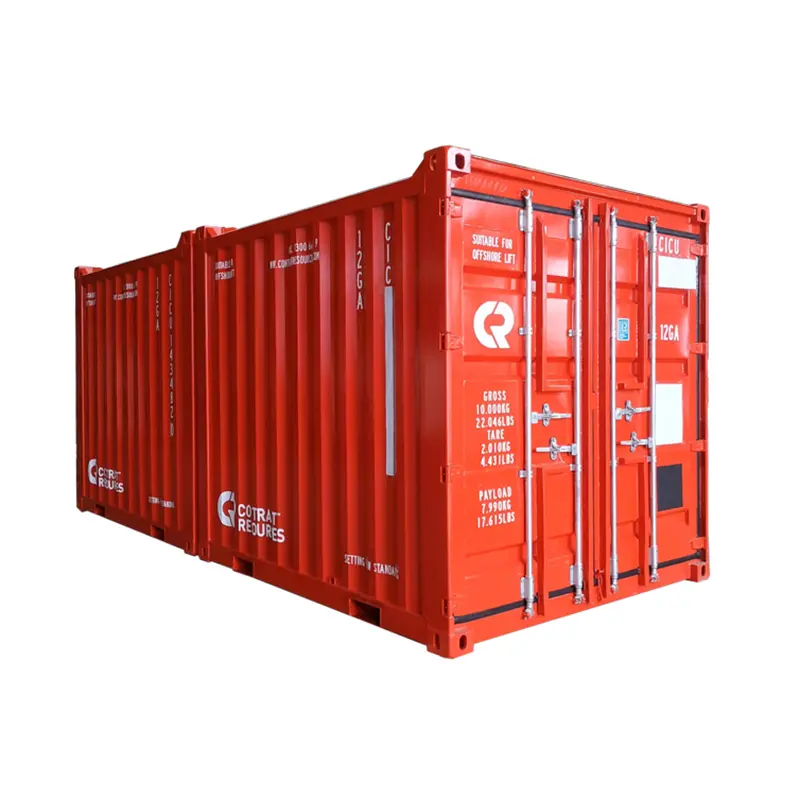
Due to the harsh offshore environment, offshore containers need to have higher strength and stability. They must be able to withstand strong natural forces such as waves and sea wind. For example, in terms of design, the frame structure of the container is usually thicker and stronger than that of ordinary land or offshore containers, and the corners and connections are also specially reinforced to prevent deformation or damage during transportation and placement on offshore facilities.
Due to long-term exposure to salty seawater and strong sunlight, offshore containers have extremely high requirements for anti-corrosion and weather resistance. They use special anti-corrosion coatings and weather-resistant materials. For example, the container shell may use multiple layers of high-performance anti-corrosion paint, and special anti-corrosion treatment processes such as galvanizing and aluminum cladding are also used in some easily corroded parts (such as the bottom, corners, etc.) to extend the service life of the container.
In order to adapt to the special requirements of offshore facilities, offshore containers need to have good offshore securing capabilities. They will have special fastening points and interfaces that can match the fastening systems of offshore facilities (such as drilling platforms, floating production storage units, etc.) to ensure that the container is stable during offshore operations and will not shift or fall due to wave impacts, etc. For example, there will be a locking device that meets specific standards at the bottom of the container to tightly connect with the base on the platform.