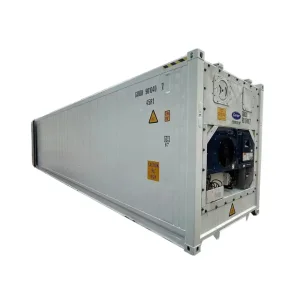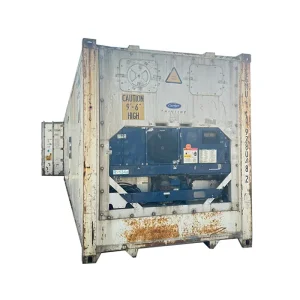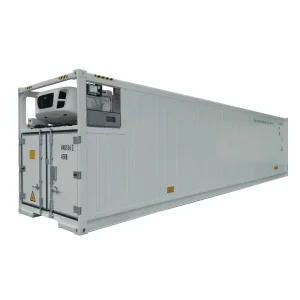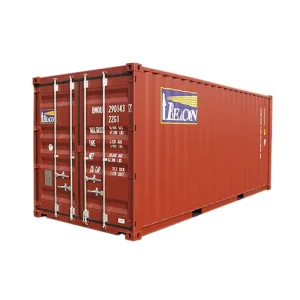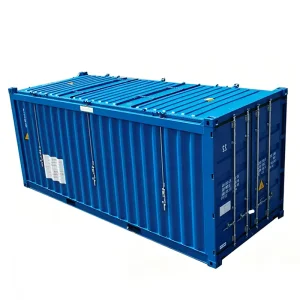
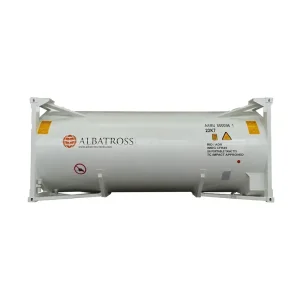
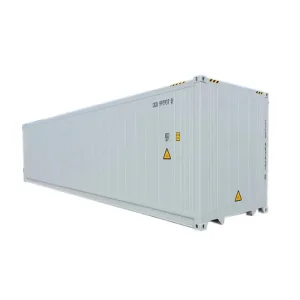
Pre-inspected 20ft, 40ft, open top, and high-cube units positioned across major coastal export hubs ready for global forwarding.
An in-depth perspective on supply chain resilience, coastal depot infrastructure, and structural inspection standards.
As the primary manufacturing base for more than 85% of global intermodal equipment, China operates the largest depot cycling network in the world. Tianjin Cimic leverages yards in primary container cluster ports including Tianjin, Qingdao, Shanghai, and Ningbo. Sourcing directly eliminates secondary reseller markups and assures immediate vessel loading.
Unlike regional brokers who only trade paperwork, Chinese manufacturing plants have full sheet metal, sandblasting, and automated painting infrastructure. Used containers can undergo full weld refurbishment, replacement of Corten steel (SPA-H) corrugated panels, marine-grade rubber gasket renew, and structural corner casting inspection.
Depots situated ~100 km from Tianjin seaport facilitate "SOC" (Shipper Owned Container) one-way loading agreements. Export companies can acquire used containers, load commercial cargo domestically, and transfer them internationally—completely offsetting baseline repositioning freight charges.
Market rates vary based on regional supply-demand balance, steel pricing, and IICL-6 structural criteria. Reference rates below reflect ex-yard Chinese seaport depots.
| Equipment Type | Structural Grade | Typical Age Range | CSC / Marine Status | Est. FOB Price Range (USD) |
|---|---|---|---|---|
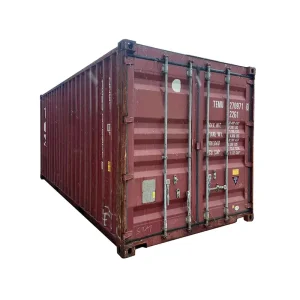
| 20ft Standard Dry Van (GP) | Cargo-Worthy (CW) | 8 - 12 Years | Valid CSC Plate, RINA/BV Tested | $1,150 - $1,550 |
| 40ft High Cube Dry Van (HC) | Cargo-Worthy (CW) | 9 - 14 Years | International Ocean Freight Ready | $1,750 - $2,350 |
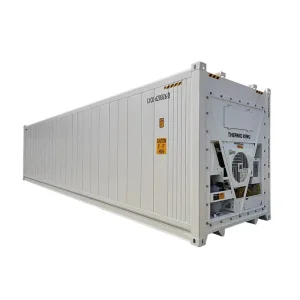
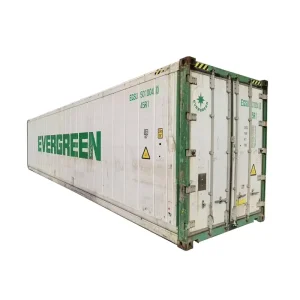
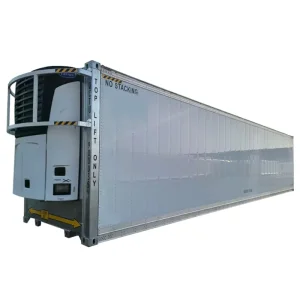
| 40ft High Cube Reefer (Cold Chain) | Refurbished / PTI Passed | 7 - 11 Years | Carrier / Thermo King / Daikin tested | $4,800 - $6,800 |
| 20ft Wind & Water Tight (WWT) | Storage Grade (WWT) | 12 - 16 Years | Non-maritime; Ground Storage Rated | $850 - $1,150 |
| 40ft High Cube Foam Insulated | Cargo-Worthy (CW) | 6 - 10 Years | Passive Thermal Control; Food-Grade | $2,600 - $3,500 |
| 20ft Hard Open Top / Side Door | Specialized Cargo-Worthy | 5 - 9 Years | Heavy Machinery / Bulky Access | $2,200 - $3,100 |
*Note: Precise pricing fluctuates with global dry freight indices, steel commodity indexes, and port container surplus. Inquire directly for project-level volume quotes.
How decarbonization, modular circularity, and supply chain digitalization are reshaping equipment acquisition.
Global ESG frameworks increasingly incentivize multi-phase asset lifecycles. Repurposing a retired 40ft Corten steel ISO container saves roughly 8,000 kg of primary steel smelting and rolling carbon emissions compared to manufacturing an equivalent non-intermodal structural frame from raw materials.
Secondary reefer and dry containers are no longer static assets. Manufacturers in China are retrofitting secondary containers with telematics, solar-assisted Bluetooth temperature sensors, GPS asset tracking, and door-opening optical switches for cold-chain intelligence.
The acceleration of the Belt and Road trans-Eurasian railway has generated sustained demand for reliable used boxes. Operators prioritize tested, DNV/CSC compliant second-hand containers for transshipment across inland borders where equipment return balances are asymmetric.
From decentralized agricultural chilling to off-grid battery storage, explore modern structural conversions.
Used reefer units provide plug-and-play field cooling for berry, seafood, and horticultural farming operations, circumventing costly fixed civil masonry cold storage setups in rural areas.
Modified 20ft and 40ft high cube structures serve as certified enclosures for utility-scale battery energy storage systems (BESS), solar inverters, and hydrogen fuel-cell modular bays.
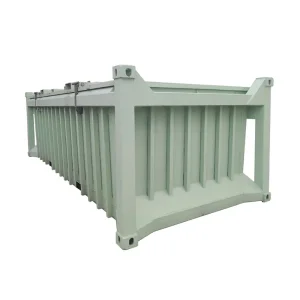
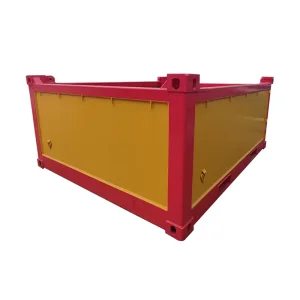
Reinforced half-height, open-top, and basket containers withstand severe dynamic loads during rough transit in mining corridors across Western Australia, South America, and Central Africa.
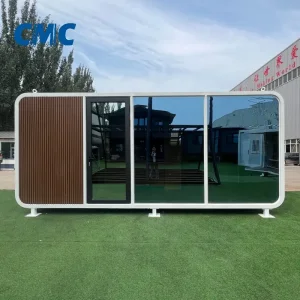
Used high cubes are structurally re-engineered into container homes, security gatehouses, mobile field command offices, and modern modular garden suites with turnkey finishes.
Critical verification points, structural classifications, and logistics protocols answered by our chief logistics engineers.
Cargo-Worthy (CW) certifies that the container meets international ISO and CSC (Convention for Safe Containers) structural standards, permitting ocean voyage stacking and rail transit. Wind & Water Tight (WWT) ensures no water or light penetrates the interior, making it suitable for stationary job-site storage, but it may not hold an active marine shipping inspection certificate.
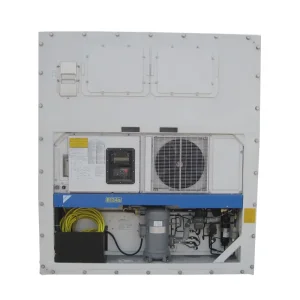
Every used reefer passes a comprehensive Pre-Trip Inspection (PTI). Our technicians run active load diagnostics on Carrier, Thermo King, or Daikin compressors, check refrigerant pressures, inspect evaporator fans, verify micro-channel coils, and confirm steady pulldown capabilities to -25°C or lower prior to handover.
Yes. CIMIC provides valid CSC survey reports for all Cargo-Worthy used units. Importers can load domestic goods into these units and ship them with major shipping lines (Maersk, MSC, COSCO, CMA CGM) without paying carrier demurrage or equipment return penalties at the destination port.
Manufactured from high-tensile SPA-H Corten steel, an 8-to-12-year-old shipping container that has been properly sandblasted, treated with marine epoxy primer, and finished with UV-resistant polyurethane coating can achieve an additional 15 to 25 years of operational service life in terrestrial storage or architectural use.
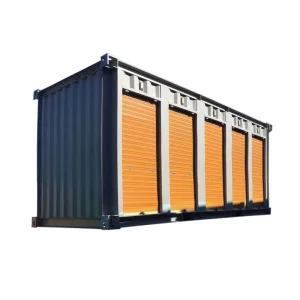
Our Tianjin and Suzhou bases can execute custom roll-up door installations, exterior side-open conversions, structural partition walls, insulation upgrades (thickened polyurethane or EPS), corporate color livery application, electrical sub-panel integration, and specialized heavy-duty flooring.
Because our manufacturing yards reside approximately 100km from deepwater terminals in Tianjin and Shanghai/Ningbo, finished containers can be delivered directly to the berth or released via equipment exchange orders (EIR) to your designated freight forwarder within 48 to 72 hours of payment confirmation.
Explore specialized second-hand and newly manufactured intermodal units engineered for cold distribution, rail transshipment, and modular housing.