1 / 4
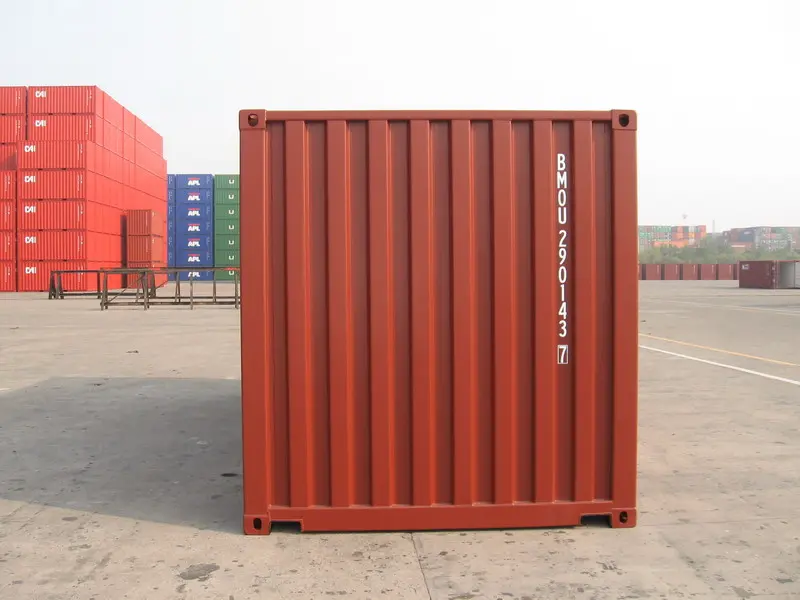
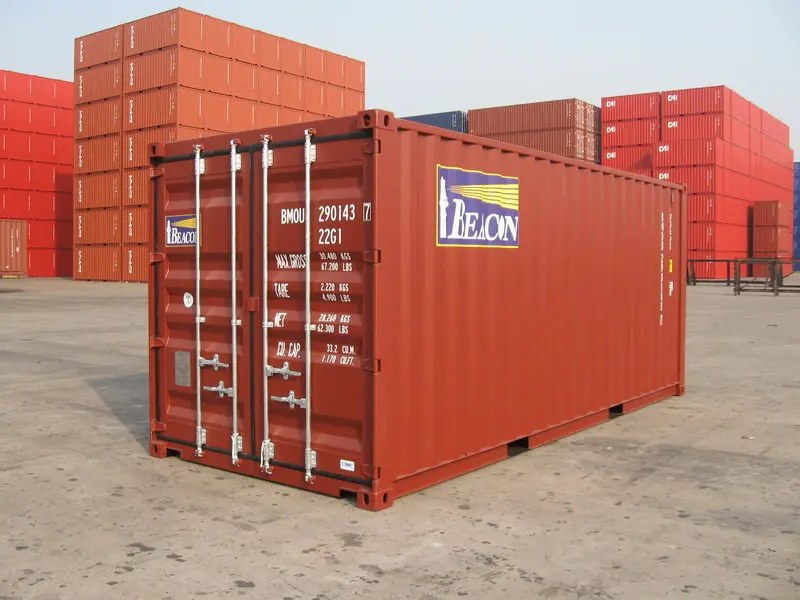
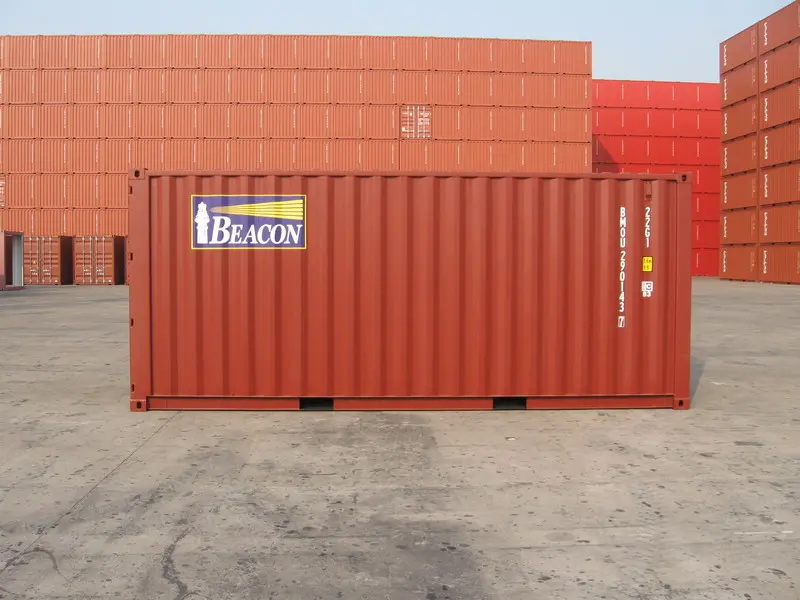
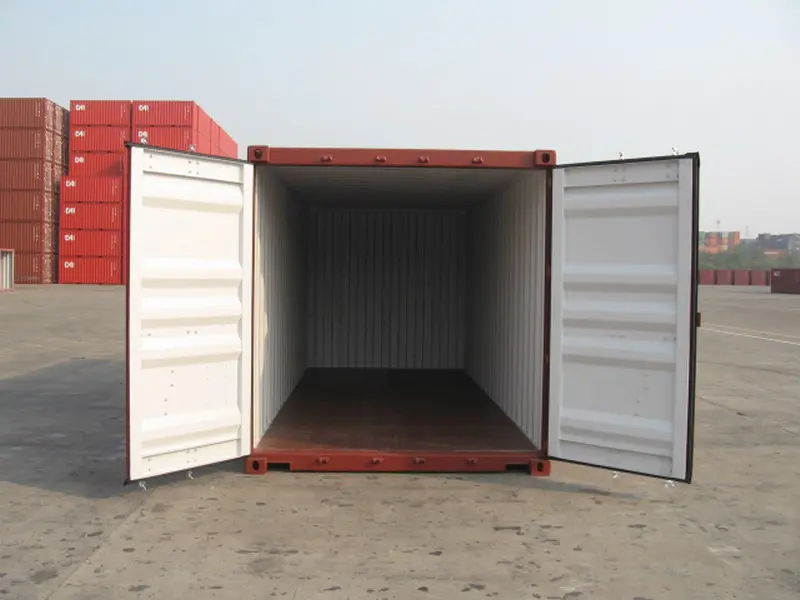
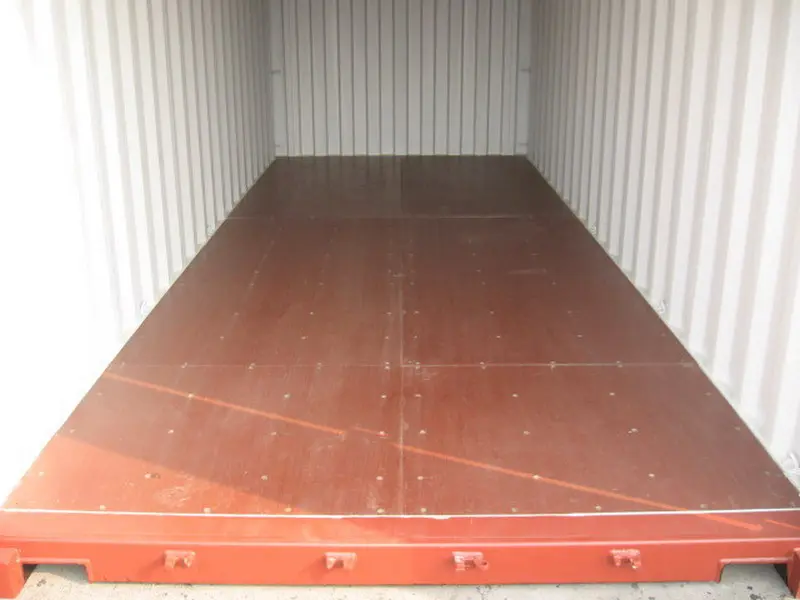
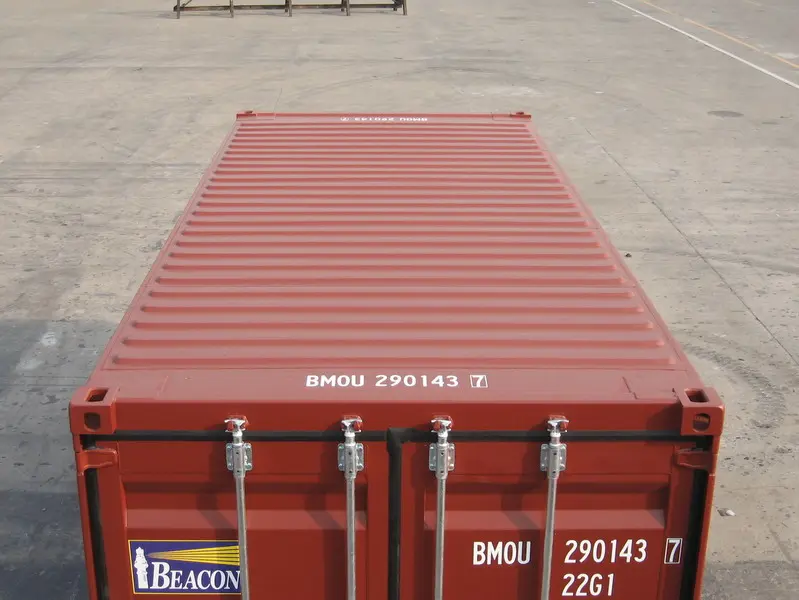
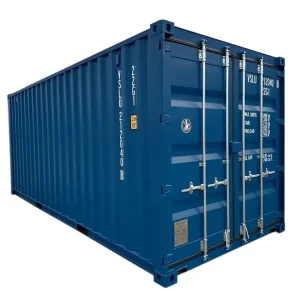
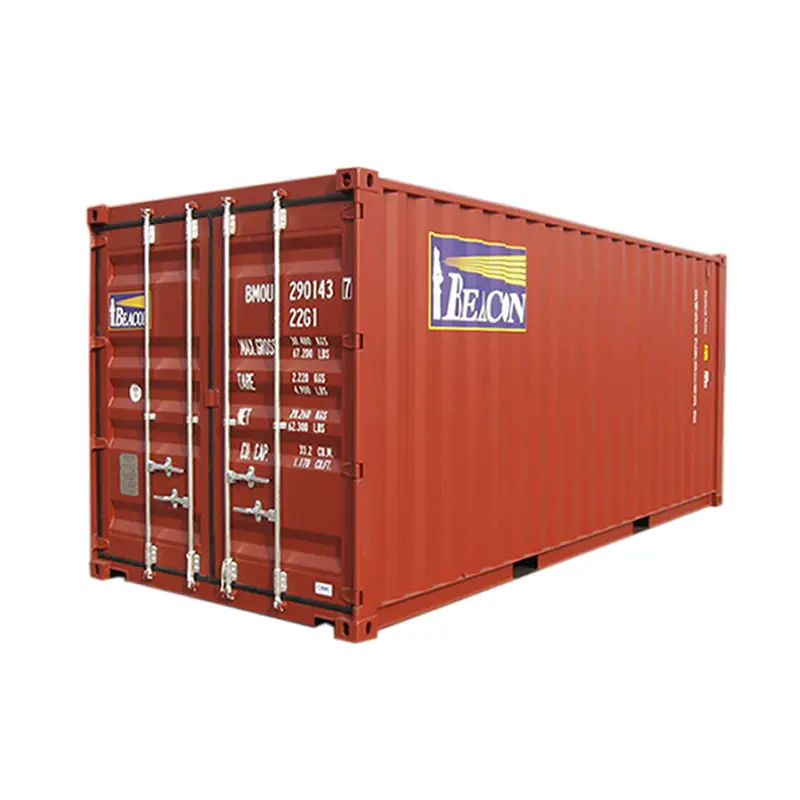
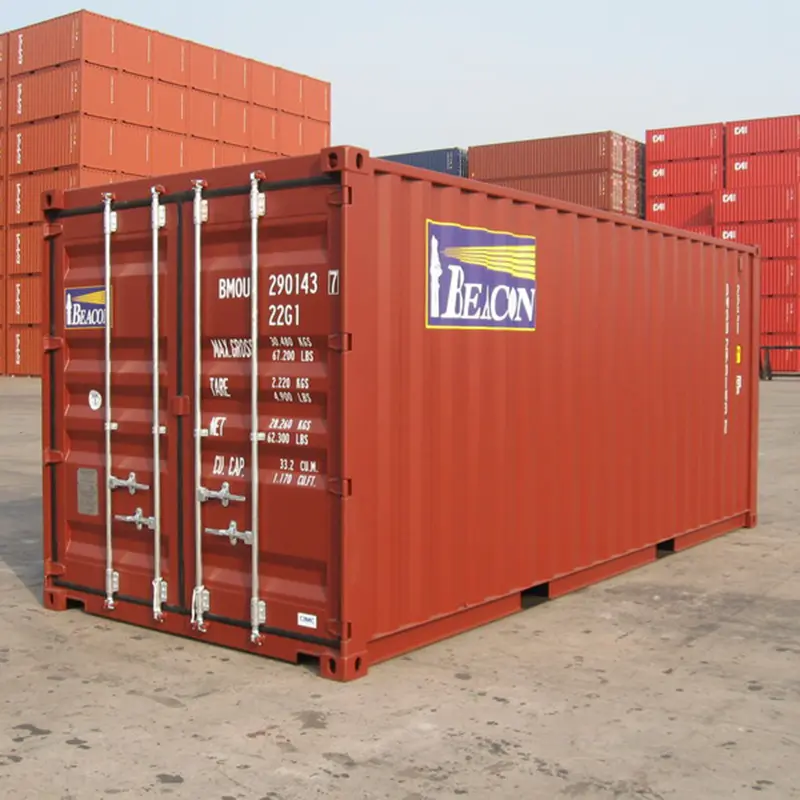
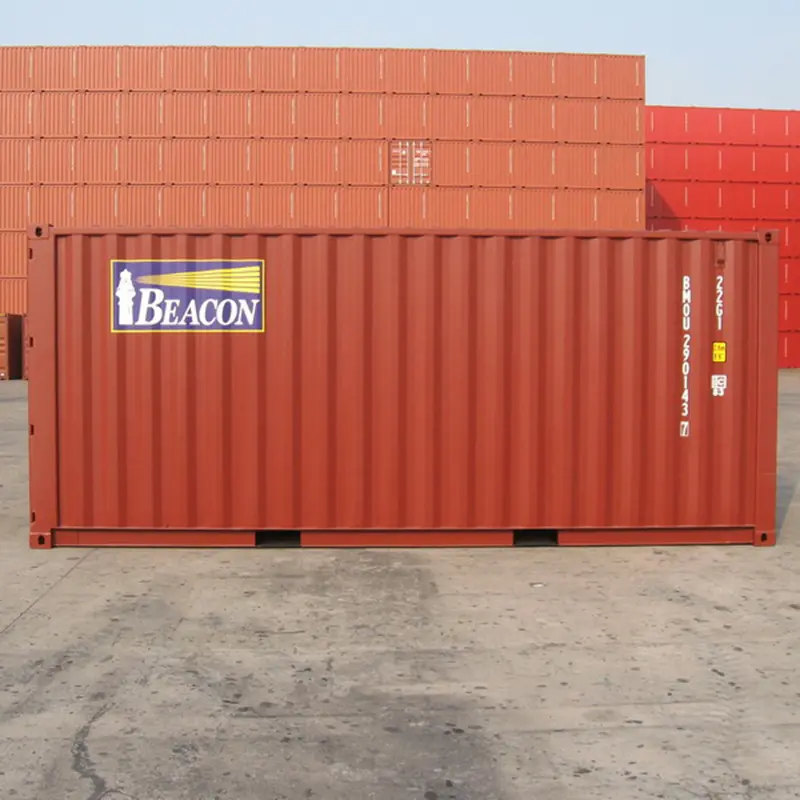
| External Dimension (MM) | 12192 * 2438 * 2591 |
| Internal Dimension (MM) | 12032 * 2352 * 2385 |
| Door Opening Width (MM) | 2340 |
| Door Opening Height (MM) | 2280 |
| Maximum Gross Weight | 30480 kg |
| Maximum Payload | 28280 kg |
| Tare Weight (±2%) | 3800 kg |
A large amount of goods can be loaded at one time, which reduces the frequency of transportations, lowers overall shipping costs, and optimizes logistical throughput. In long-distance freight and large-scale cargo transit, it maximizes economies of scale to save both time and operational expenditure.
As an internationally standardized intermodal container, the 40-foot dry box is deployed globally and coordinates with standard handling machinery, cargo vessels, flatbed trucks, and freight trains, ensuring seamless multimodal transport between various shipping mediums.
Its robust construction and proportional load footprint offer enhanced stability during transit, resisting dynamic environmental stresses such as wind shear, oceanic swells, and road vibrations, thereby securing cargo safety across long sea lanes and cross-country haulage.
A: They are ideal for transporting large machinery, automotive components, furniture, steel products, construction materials, and diverse volumetric dry goods. They also accommodate oversized single-unit cargo such as structural components and industrial lines.
A: Yes, structural and functional modifications can be customized based on specific project needs, including interior lining, door alterations, shelving, and specialized securing fittings.
A: The interior volume and overall payload capacity are considerably larger than those of a 20-foot container. This significantly reduces freight cost per cubic meter, optimizing long-haul economies of scale.
A: The standard 40ft dry container features a tare weight of approximately 3,800 kg (±2%) with a rated maximum payload capacity of up to 28,280 kg, bringing the maximum gross weight to 30,480 kg.
A: Yes, standard 40-foot dry containers adhere strictly to ISO dimensional and structural specifications, making them fully compliant for international intermodal transport across sea, rail, and road networks.