1 / 5
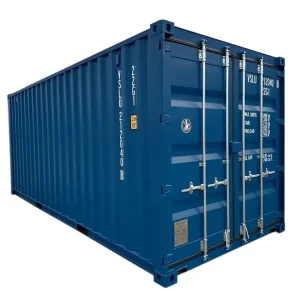
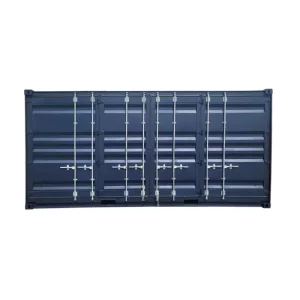
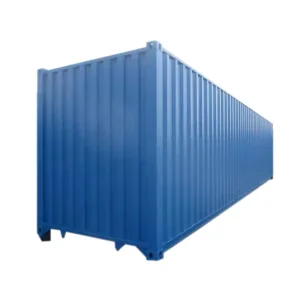
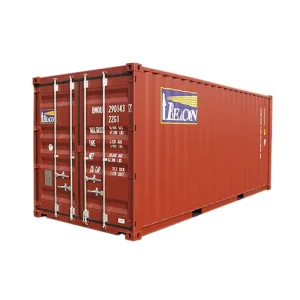
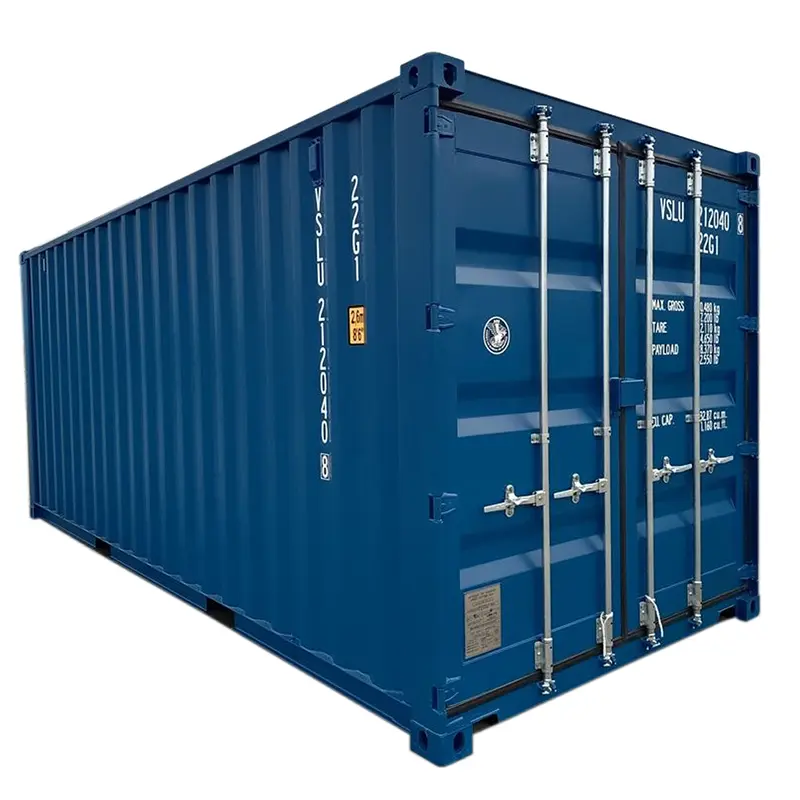
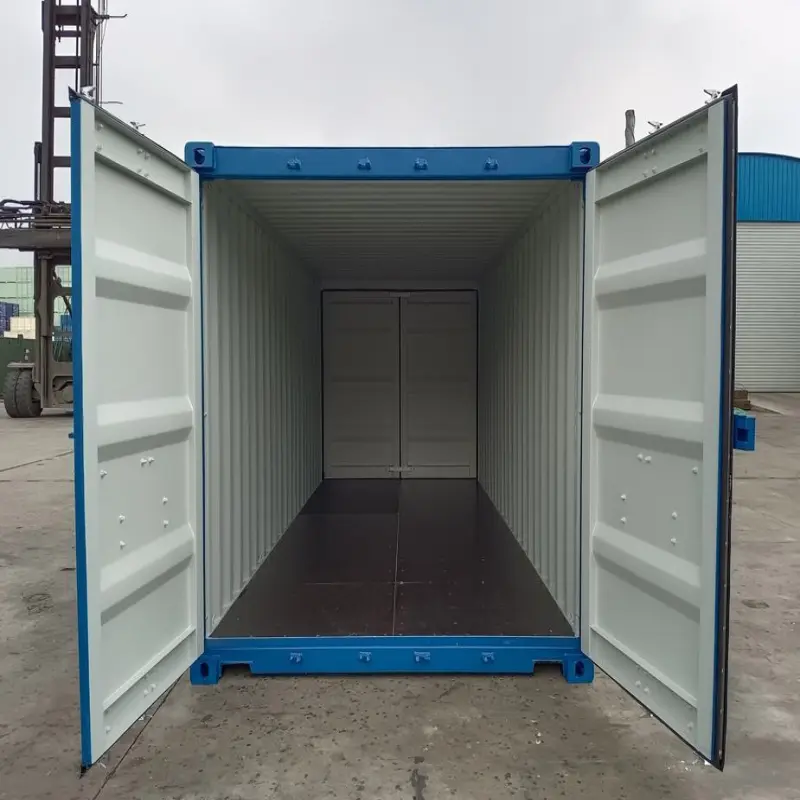
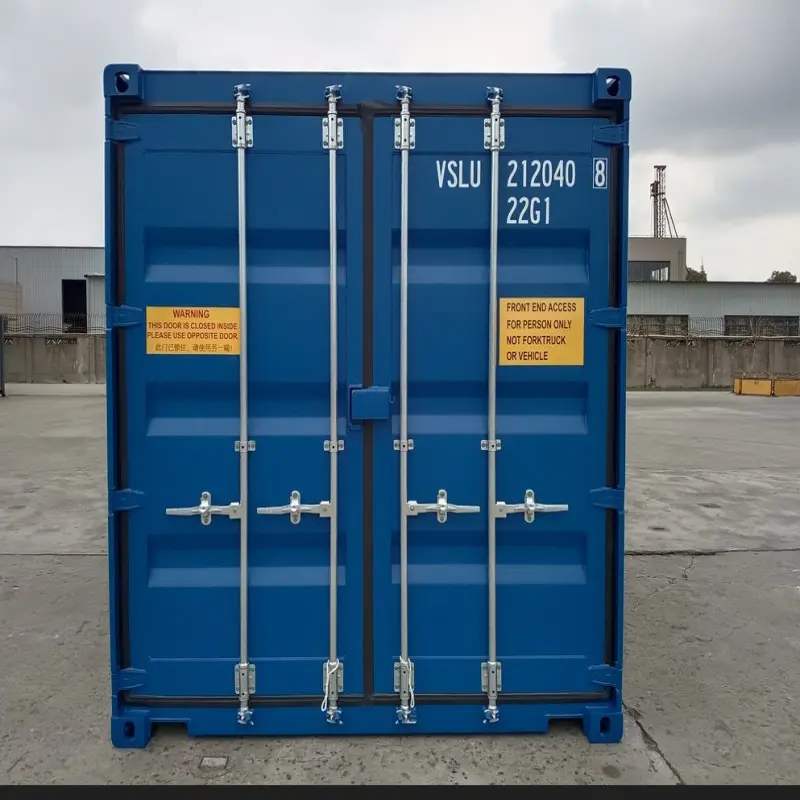
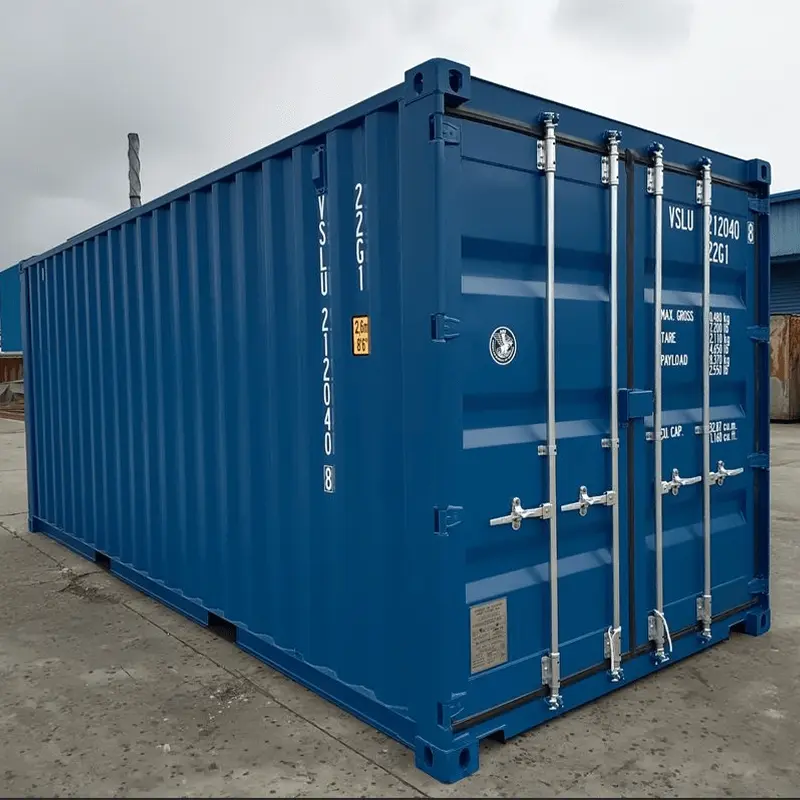
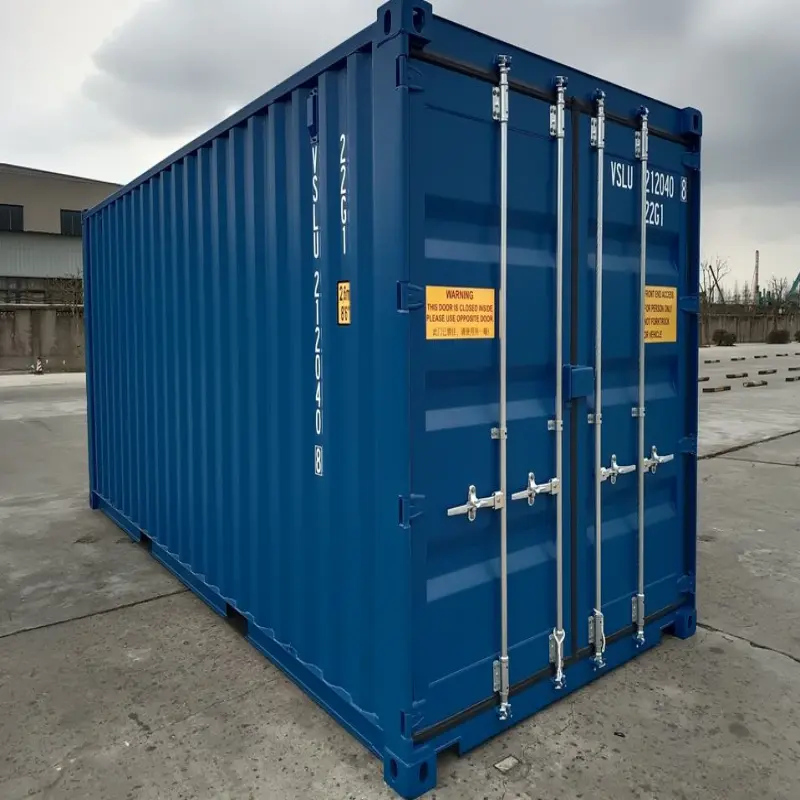
A container is a large steel box used for transporting goods by sea or land. They have become an indispensable part of the global economy, enabling businesses to easily transport goods to oceans and continents. Containers can be seen everywhere in ports around the world, stacked on container ships and transported to various parts of the world.
Container, also known as conex unit, can serve as a storage container for goods, transported by truck, train or ship, and facilitate intermodal transportation. Usually, they carry heavy materials or goods placed on pallets.
The global shipping industry is increasingly adopting containers as the preferred method for storing and transporting goods.
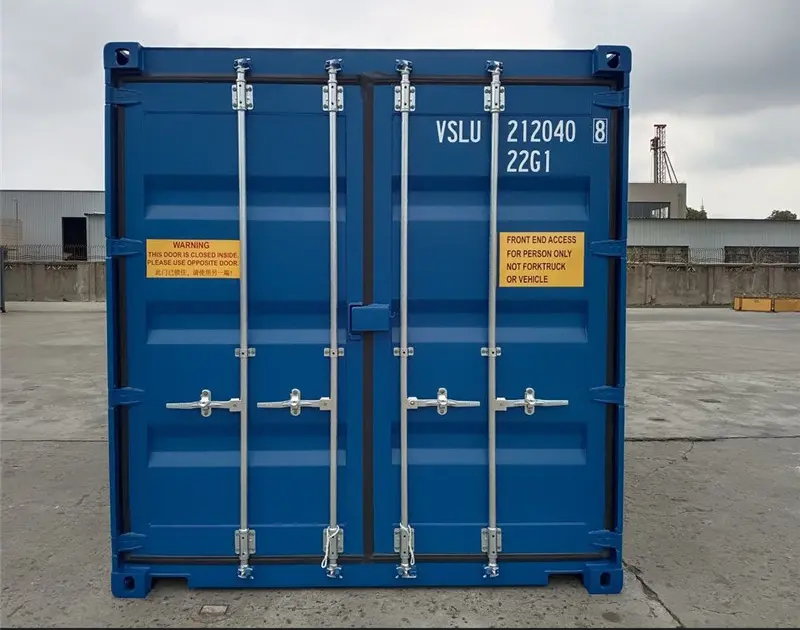
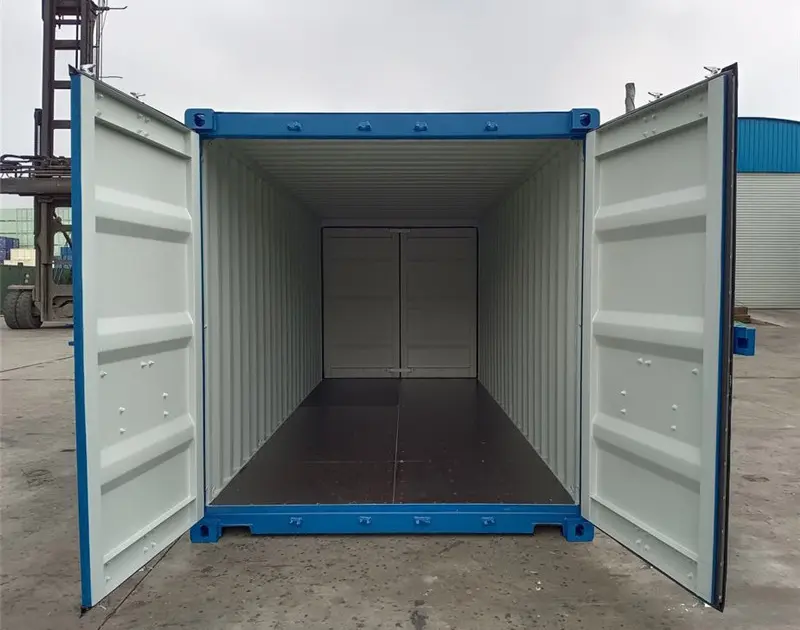
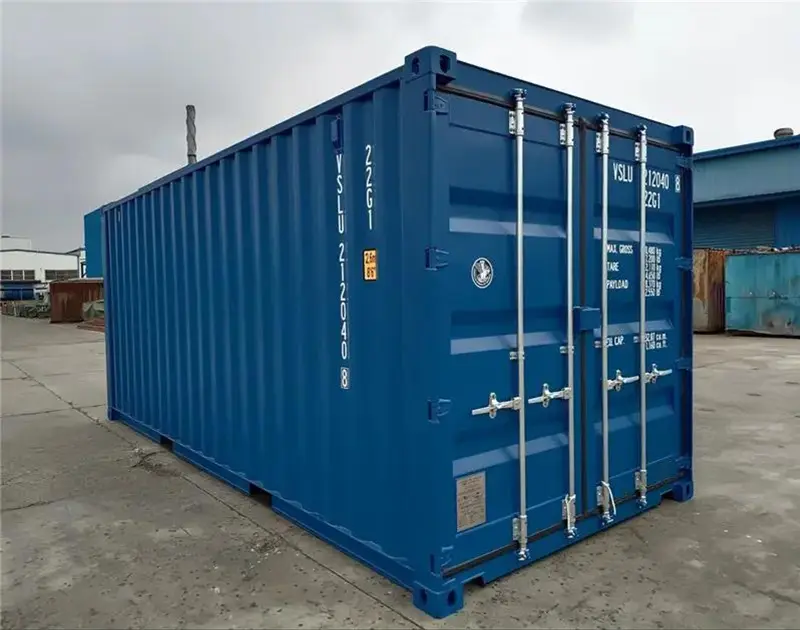
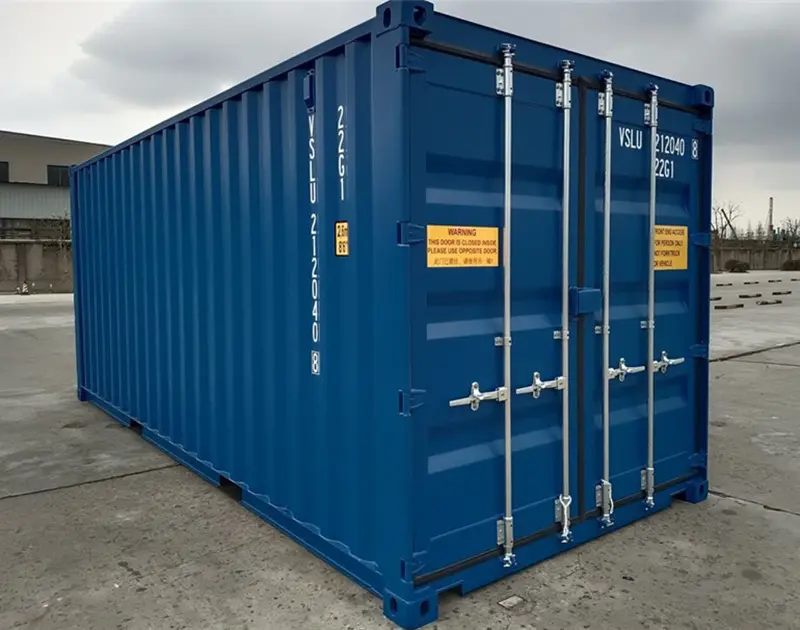
| Size | 20ft GP shipping container (20’*8‘*8’6‘’) |
| External Dimension (MM) | 6058*2438*2591 |
| Internal Dimension (MM) | 5844*2352*2393 |
| Door Opening (Width) | 2340 mm |
| Door Opening (Height) | 2280 mm |
| Inside Cubic Capacity | 32.87 cu.m / 1160 cu.ft |
| Maximum Gross Weight | 30480 kg / 67200 lbs |
| Maximum Payload | 28370 kg / 62550 lbs |
| Tare Weight (±2%) | 2110 kg / 4650 lbs |
Using containers in construction and other projects can significantly save money. Compared to traditional architecture, the construction of containers does not require excessive materials and manpower, resulting in lower costs.
Containers have diverse uses and can be transformed into residential and storage spaces, indicating that they have multiple application possibilities in different projects.
Reusing containers into useful items is beneficial to the environment, similar to recycling, so it will not waste materials or generate a large amount of waste during the use of building materials.
Containers are easy to move and place items in suitable locations. This is an excellent feature for items that are not suitable for long-term fixation, making the container highly versatile.