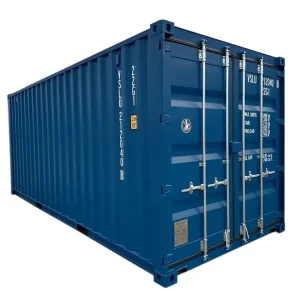
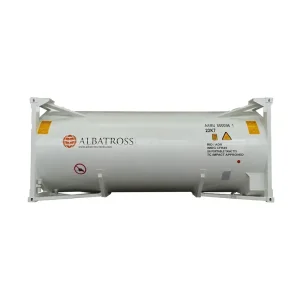
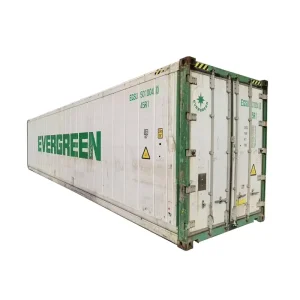
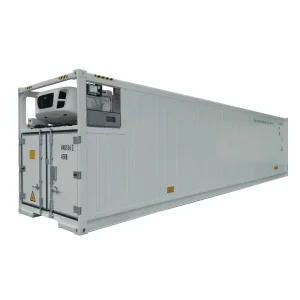
Direct depot availability from our Tianjin and coastal logistics hubs. Each unit undergoes strict CSC safety inspection, weather-tightness verification, and structural load profiling.
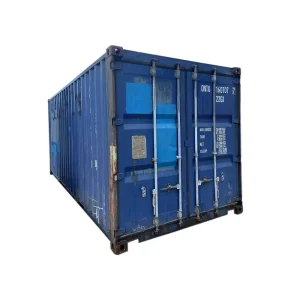
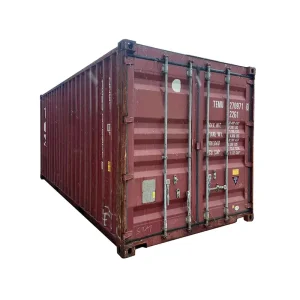
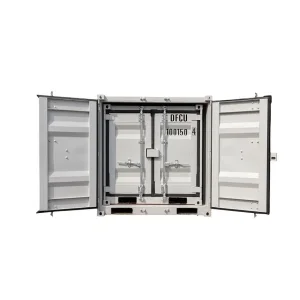
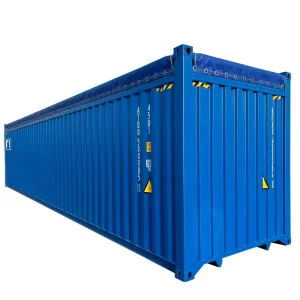
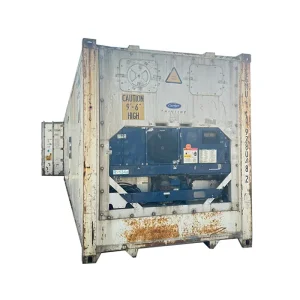
The secondary intermodal container market is no longer a localized scrap trade—it is a critical, multi-billion-dollar global pillar underpinning international trade resiliency, cold-chain redundancy, and low-carbon modular construction.
Global ocean carriers (e.g., Maersk, MSC, CMA CGM) operate on rigid 10-to-14-year asset depreciation schedules. When general purpose (GP) dry units complete their ocean lease agreements, they are retired to port depots. Understanding these off-hire macro-cycles allows corporate buyers to capture premium Corten-steel (SPA-H) units with 15+ years of secondary functional life at 35-50% of new-build capital expenditures.
Unlike standard sheet metal buildings, an ISO dry container is constructed from high-tensile SPA-H Corten steel that naturally oxidizes to form an impermeable protective patina. Even after a decade of severe maritime exposure, structural components—including 6.0mm corner posts, heavy-duty lower rails, and 28mm marine-grade apitong plywood floors—remain structurally sound against massive torsional stresses.
Global export-import imbalances concentrate surplus containers in major production economies like China, while driving deficits in destination markets across Africa, South America, and Europe. Strategic enterprise purchasers utilize "One-Way SOC" (Shipper Owned Container) models—buying used dry boxes in China, loading them with outward export cargo, and effectively eliminating empty repositioning expenses.
Procurement pricing varies according to structural grade, international survey standards, and steel commodity indexes. The reference matrix below outlines commercial criteria for 20ft Standard, 40ft Standard, and 40ft High Cube containers FOB China Ports (Tianjin, Qingdao, Shanghai).
| Grading Classification | Structural State & Tolerances | CSC Plate Validity | Primary Industrial Use-Case | Indicative Price (20ft GP) | Indicative Price (40ft HC) |
|---|---|---|---|---|---|
|
IICL-5 / IICL-6 Top Tier Depot Grade |
Maximum dent depth ≤ 20mm; flawless marine plywood; zero structural corrosion on rails or corner posts. | Valid 12-24 Months; Surveyor Certified | Intermodal rail corridors, international SOC ocean freight, high-value tech cargo. | $1,450 - $1,750 | $2,100 - $2,550 |
|
Cargo Worthy (CW) Maritime Standard |
Wind & water tight; minor cosmetic surface oxidation; doors gasketed; structural frame certified safe for 9-high stacking. | Valid (Can be recertified upon dispatch) | International breakbulk export, cross-border Belt & Road rail transit, machinery transport. | $1,150 - $1,380 | $1,750 - $2,100 |
|
Wind & Water Tight (WWT) Storage Grade |
No light leaks; door gaskets intact; structural framing solid but may exceed IICL dent deflection limits. | Expired (Not suitable for deep-sea shipping without repair) | On-site commercial storage, farm storage, equipment enclosures, workshop conversions. | $950 - $1,200 | $1,450 - $1,800 |
|
As-Is / Where-Is Refurbishment Candidate |
Structural flaws, floor gouges, or damaged door headers requiring metal fabrication or patch repairs. | Void / Inactive | Static industrial yards, structural steel salvage, low-budget DIY architectural projects. | $750 - $950 | $1,100 - $1,400 |
The International Convention for Safe Containers (CSC) requires every container moving loaded via international rail or ocean vessel to bear a valid CSC safety approval plate. CIMIC performs full depot inspections under ISO standards, verifying structural weight-bearing limits (typically 30,480 kg or 32,500 kg M.G.W.) and updating the CSC inspection stamp for immediate multimodal clearance.
Enterprise procurement decisions must factor in lifecycle economics. A reconditioned Used Dry Container from CIMIC offers an asset lifespan of 15-20 years with zero active energy consumption. Compared to permanent brick-and-mortar or lightweight prefabricated sheds, Corten steel modules provide unmatched resistance to forced entry, seismic shifts, hurricane-force winds, and fire.
Procuring in container-load quantities yields significant freight efficiencies. Our production and repair depots in Tianjin and Suzhou provide tiered contract pricing for mining corporations, shipping consortia, and international NGOs requiring fleet batches of 50 to 500+ units delivered under single-bill-of-lading terms.
Why international EPC contractors, logistics integrators, and container leasing operators partner with CIMIC Group in Tianjin and Suzhou rather than purchasing through fragmented intermediary brokers.
Located within approximately 100 kilometers of the major deep-water ports of Tianjin and Shanghai/Ningbo, our facilities eliminate inland drayage surcharges. Units can be inspected, repaired to IICL specifications, customs-cleared, and placed alongside the container vessel within 48 to 72 hours of purchase confirmation.
Unlike casual container resellers who only provide cosmetic paint-overs, CIMIC operates full industrial refurbishment bays. Our certified technicians carry out hydraulic squaring of deformed corner posts, plasma cutting and robotic MIG welding of damaged Corten corrugated panels, floor replacement using 28mm hardwood, and polyurethane marine seal re-injection.
CIMIC holds certified quality management accreditations through Bureau Veritas (BV) and ISO. Our inspection protocols follow the Unified Container Inspection & Repair Criteria (UCIRC), ensuring every secondary dry container leaves our yard meeting verifiable mechanical stress tolerances.
As an integrated manufacturer founded in 1983, we don't just sell used boxes—we engineer bespoke solutions. From adding roller-shutter doors and side-opening hydraulic panels to custom thermal insulation linings and corporate livery branding, our engineering department provides end-to-end CAD drawing support prior to assembly.
The secondary dry container is the universal modular building block of contemporary heavy industry, remote mining operations, high-security storage, and multimodal transit networks.
In harsh environments such as Western Australia, Northern Canada, or Central Africa, used dry containers serve as weather-sealed, dust-proof tool cribs, explosive magazines, chemical storage lockers, and power generator houses. Their 28mm hardwood floor and corrugated steel envelope resist pests, heavy equipment impacts, and severe thermal cycles.
The clean energy transition requires scalable, fire-retardant housings for Lithium Iron Phosphate (LFP) battery banks and solar inverter systems. Used 20ft and 40ft HC Corten containers provide the rigid structural envelope needed for structural compartmentalization, HVAC integration, and fire suppression retrofitting.
For shippers moving goods across the Eurasian rail landbridge, leasing empty containers on round-trip terms often results in exorbitant demurrage and detention charges. Purchasing CW-grade used containers outright gives forwarders full operational autonomy, turning them into one-way SOC assets that are liquidated at European rail terminals.
The rapid expansion of decentralized e-commerce has spurred high demand for urban micro-fulfillment storage hubs. Used dry containers—when cleaned, painted, and fitted with master-key lockboxes—provide quick ROI for self-storage operators, generating dependable cash flow without permanent land development restrictions.
Offshore contractors and drilling platforms require robust containers built to ISO and DNV-compliant parameters for transferring drilling bits, casing fluids, and spare valves. Reconditioned dry containers provide an intrinsically grounded, impact-resistant shield capable of withstanding rough maritime crane lifts.
The secondary shipping container sector is undergoing a technology-driven evolution. From autonomous IoT asset tracking to measurable Scope 3 carbon reduction, used container assets are a cornerstone of circular enterprise logistics.
Modern fleets are retrofitting secondary dry containers with solar-powered smart sensors. These devices monitor real-time GPS locations, door openings, internal humidity levels, and sudden shock/impact events. At CIMIC, we offer factory pre-installation of industrial IoT hardware, transforming retired sea boxes into intelligent, cloud-connected storage nodes.
Fabricating a brand-new 40ft High-Cube container produces approximately 6.5 to 8.0 tons of CO2 emissions during steel smelting and coating. Reconditioning an existing used dry container saves over 85% of these embodied carbon emissions, allowing corporate ESG procurement officers to log verifiable Scope 3 greenhouse gas offsets.
Traditional solvent-based paint repairs are rapidly giving way to ultra-durable, zero-VOC waterborne zinc-phosphate barrier coatings. CIMIC uses eco-compliant surface treatments that deliver ASTM B117 salt spray protection exceeding 1,500 hours, keeping reconditioned containers corrosion-free across long coastal deployments.
Whether you require 20 units of CW-grade 40ft High Cubes with CSC plates for an intermodal mining project, or bespoke 20ft side-opening containers for field workshops, CIMIC's engineering team provides full technical drawings, factory inspection reports, and competitive FOB/CIF quotation within 24 hours.
Consult Our Container EngineersDirect technical and commercial answers prepared by CIMIC's global export division regarding sizing, grading differences, international certification, and delivery logistics.
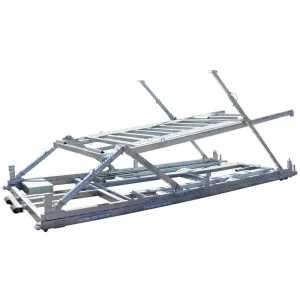
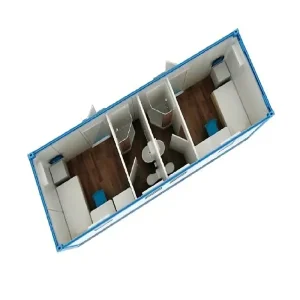
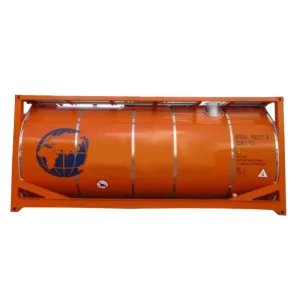
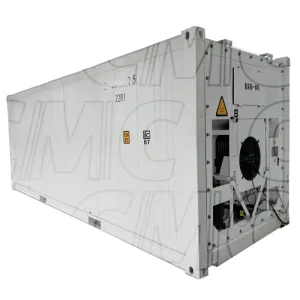
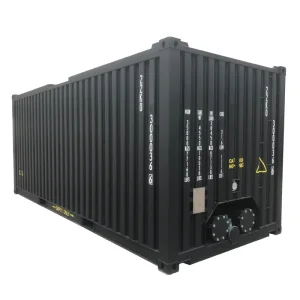
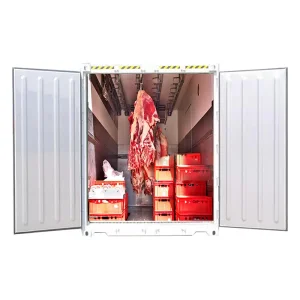
Beyond standard dry cargo containers, CIMIC engineers high-performance double-door, modular housing, ISO tank, and cold-chain refrigerated solutions for complex project requirements.