ODM 20 Feet Heated Shipping Asphalt Container Product, Manufacturers

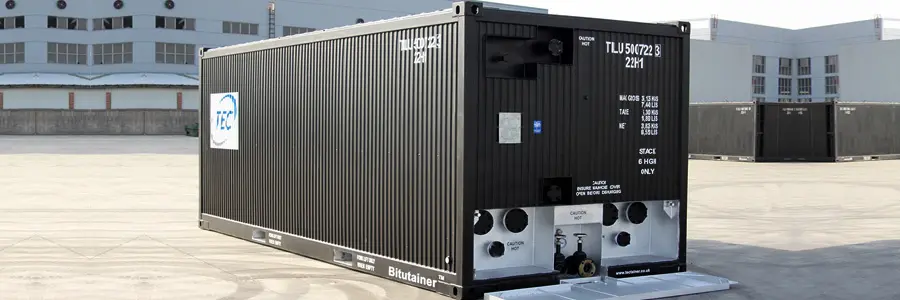
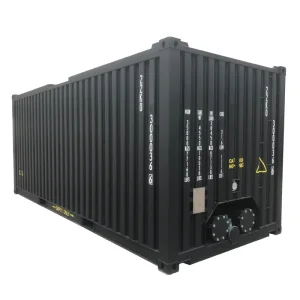
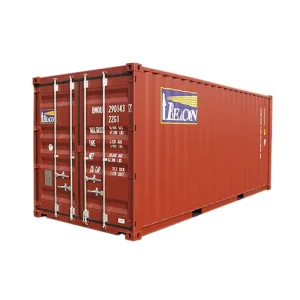
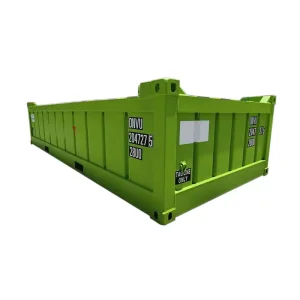
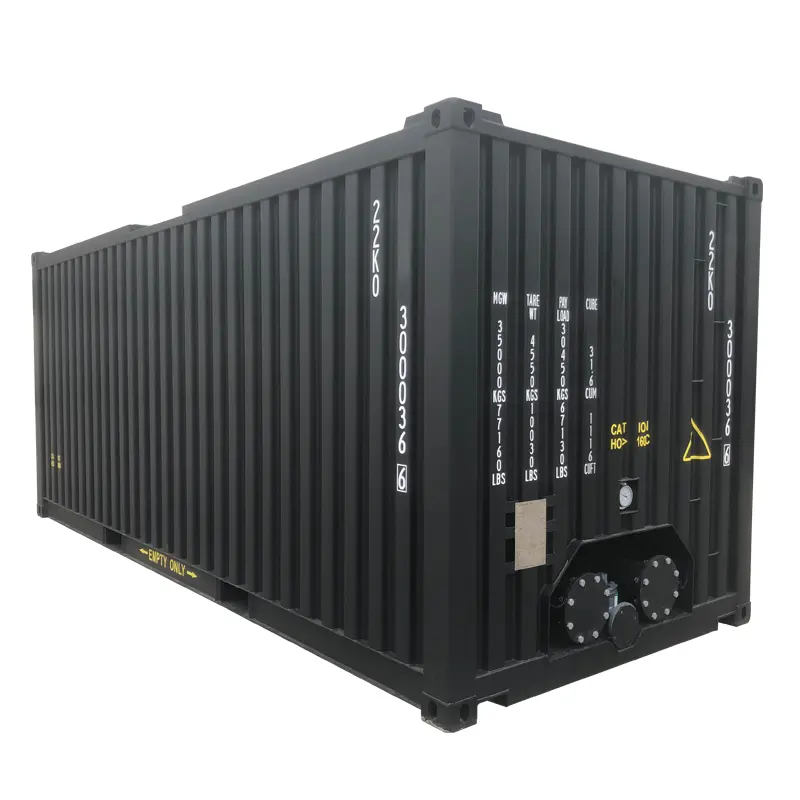
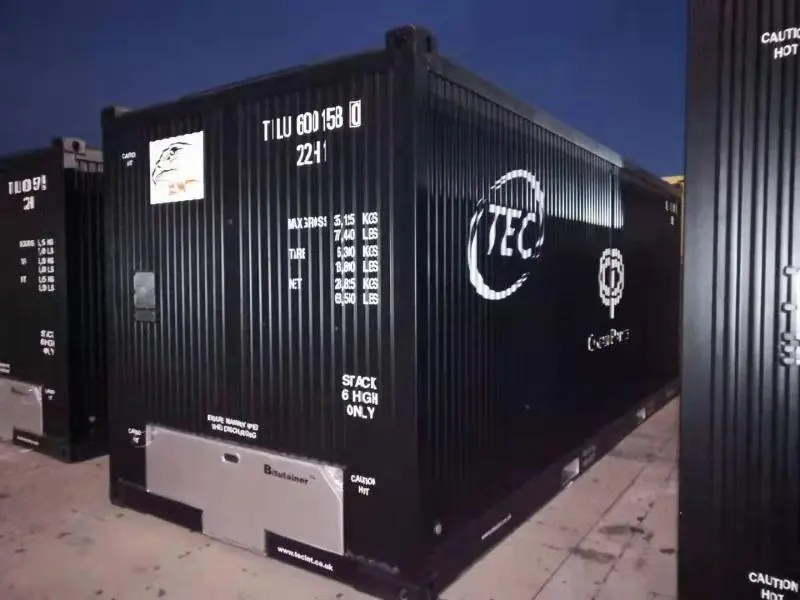
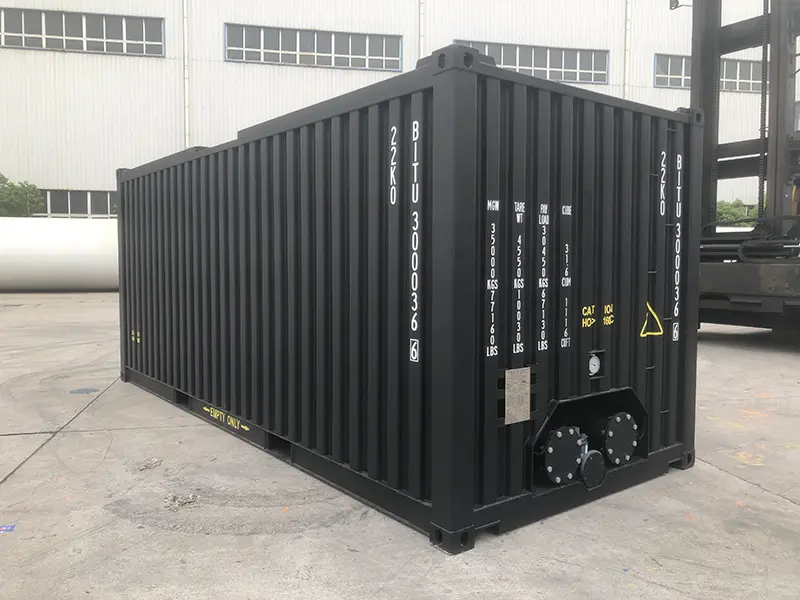
Asphalt container is a special container. In order to ensure transportation, there are heating pipes inside the container, which are used with high-efficiency burners to maintain the temperature of the asphalt, usually around 130°C, to ensure its good fluidity and prevent solidification.

Product Description

Product Introduction
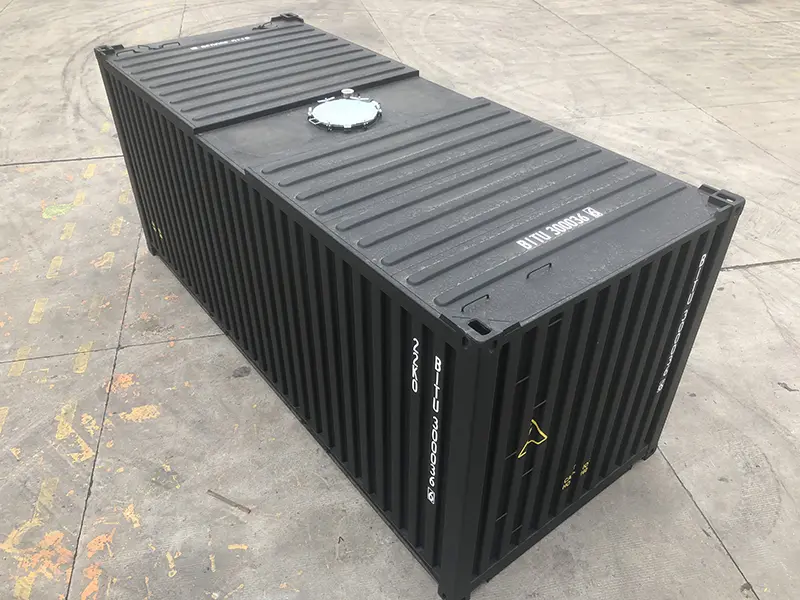
Asphalt containers are made of rectangular structural steel, with the characteristics of light weight and high strength. They can adapt to the transshipment and loading and unloading operations under various modes of transportation such as sea, road, and rail, and can ensure stability and safety in different transportation environments. Generally, they are made of high-quality metal materials, have good corrosion resistance and pressure resistance, and can withstand the pressure and temperature changes of asphalt during transportation. There are heating pipes in the container body, which can heat the asphalt through burners and other equipment to ensure that the asphalt remains in liquid state during transportation, which is convenient for loading and unloading and transportation. It is usually equipped with temperature observation instruments, thermocouple sensors, etc., which are used to monitor the temperature of asphalt in the container in real time. There are also feed ports and discharge ports. When loading, the goods enter from the loading hole on the top of the tank body, and when unloading, they are sucked out from the discharge hole or the top loading hole. Transporting asphalt in asphalt containers reduces the volatilization and leakage of asphalt during transportation, and reduces pollution to the environment. At the same time, the built-in heating system can be heated once during transportation, avoiding the energy waste caused by multiple heating in traditional transportation methods. The carrying capacity of a single container will also be larger to meet the needs of large-scale use. Its loading and unloading process is also very simple and can be completed in a short time, which also greatly improves the speed of logistics turnover.
Product Specification
External Dimension (MM) 6058*2438*2591
Internal Dimension (MM) 5924*2312*2300
Internal Cubic Capacity 31.5m³
Ambient Temp Range 160°C
Design Pressure 0.4 Bar
Max. Working Pressure 0.3 Bar
Cargo Loading Bitumen
containers
Advantages
● Large capacity
● Strong adaptability to multimodal transport
● High transportation efficiency
● Energy saving and environmental protection
Frequently Asked Questions (FAQ)
Q: How is the bitumen kept liquid during transit?
The container is engineered with internal heating pipes that connect to external burners or heating systems, preserving the optimal liquid temperature required for easy handling.
Q: How do you track the temperature inside the tank?
Each unit is fitted with onboard temperature observation instruments and thermocouple sensors, enabling operators to carry out accurate real-time thermal monitoring.
Q: Which transportation modes are compatible with these containers?
Constructed to standard freight dimensions with heavy-duty structural steel, these containers seamlessly support intermodal freight across road, rail, and maritime routes.
Q: How does containerized transport benefit the environment?
The sealed structural design minimizes bitumen leakage and volatile emissions, while its thermal efficiency avoids repetitive reheating cycles, substantially cutting down fuel use.
Q: What are the standard loading and unloading mechanisms?
Cargo fills conveniently through the top loading hatch and can be rapidly discharged via the bottom outlet or aspirated through the upper port.

Related Products