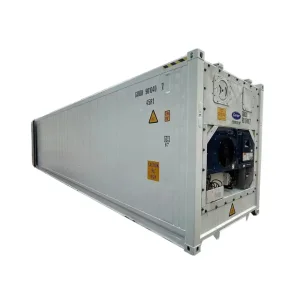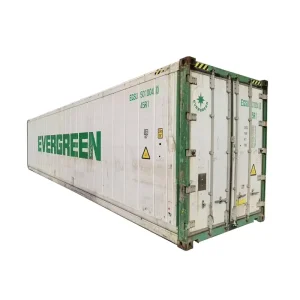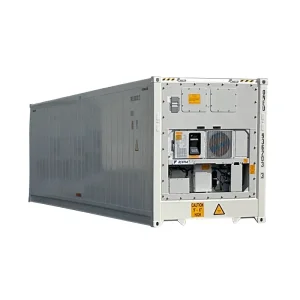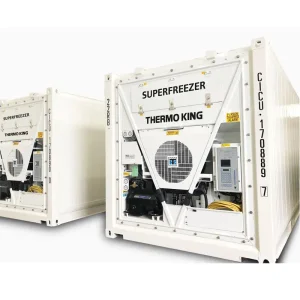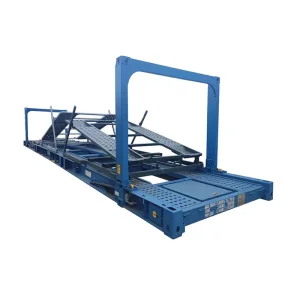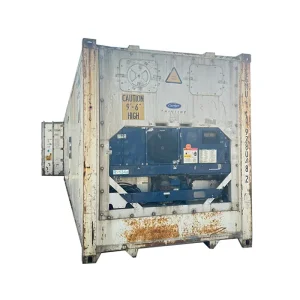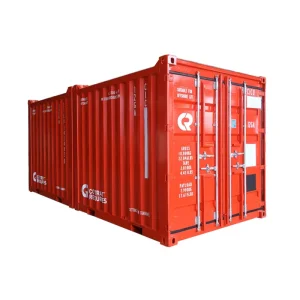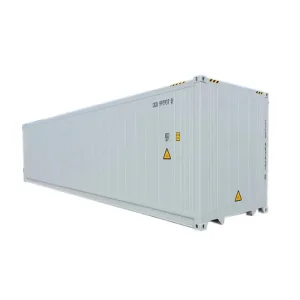
ODM New 40ft High Cube Thickened Foam Insulation Container Pricelist, Exporters
Verified marine-grade shipping equipment manufactured under ISO 9001 and Bureau Veritas (BV) classification rules, ready for international dispatch from Tianjin and Suzhou logistics hubs.
Balancing thermodynamic containment, zero-emission transit imperatives, and lifecycle cost economics across volatile international trade corridors.
Global supply chain volatility has heightened the vulnerability of active motorized refrigeration units. Compressor failures, diesel genset exhaustion, and intermodal dwell times in congested terminals cost shippers billions annually in thermal excursions. Insulated containers (porthole or passive high-density polyurethane enclosures) deliver an essential thermodynamic buffer zone, protecting temperature-sensitive cargo without relying on external power supplies.
By maintaining tight internal equilibrium via thermal inertia, passive insulated containers bridge critical transshipment gaps between rail heads, feeder barges, and long-haul maritime vessels.
International maritime and environmental directives (such as IMO 2030/2050 decarbonization mandates and the EU Corporate Sustainability Due Diligence Directive) place intense scrutiny on active diesel reefers. Passive insulated containers eliminate direct Scope 1 auxiliary emissions and drastically slash Scope 2 and 3 logistics footprints.
For perishable goods with transit routes under 120 to 180 hours, or cargo pre-conditioned to steady thermal thresholds (such as wines, specialty chemicals, confectionery, and battery cells), insulated units offer an optimal carbon-neutral logistics pathway.
Active refrigeration units contain hundreds of moving parts—compressors, condenser fans, electronic expansion valves, and digital microprocessors—all prone to mechanical breakdown in corrosive saltwater marine environments. Insulated containers provide total physical reliability.
Featuring zero moving components, heavy-duty Corten-A outer framing, and precision-foamed walls, these containers ensure zero maintenance downtime, minimal tare-weight overhead, and unmatched mechanical stability across demanding intermodal transits.
Understanding the material science, thermal conductivity coefficients (K-factor), and structural parameters that differentiate elite insulated container manufacturing.
| Engineering Parameter | CIMIC Thickened Foam Insulated Container | Standard Commercial Reefer (Off-Power) | Standard Dry Van (Lined / Retrofit) |
|---|---|---|---|
| Thermal Core Formulation | Cyclopentane-blown High-Density Polyurethane (PIR/PUR, 45-50 kg/m³) | Polyurethane Core with Integrated Evaporator Void | Aftermarket Polystyrene (EPS) or Mineral Wool |
| Overall Heat Transfer (K-Value) | ≤ 0.32 W/(m²·K) - ATP Heavy Class | ≈ 0.38 - 0.42 W/(m²·K) | ≥ 0.85 - 1.20 W/(m²·K) |
| Thermal Bridge Mitigation | Full Composite Structural Thermal Breaks; Zero Steel-to-Interior Conduction | Moderate (Peripheral Steel Frame Bridges) | High (Direct Thermal Bridging through Side Posts) |
| Interior Lining Chemistry | Food-Grade HG FRP (Fiberglass) / Stainless Steel 304 2B Finish | Stainless Steel Interior with Aluminum T-Floor | Corrugated Steel or Plywood Paneling |
| Perimeter Air Leakage Rate | ≤ 2.5 m³/h at 250 Pa (Dual EPDM Multi-Fin Co-Extruded Seals) | ≈ 4.0 - 5.0 m³/h at 250 Pa | ≥ 12.0 m³/h (Standard Cargo Gaskets) |
| Payload Usable Volume | Optimized Cubage (Maximized Foam Density to Wall Thickness Ratio) | Reduced by 12-15% due to Machinery Compartment | Nominal Standard Dry Volume |
Our container panels utilize high-pressure impingement foaming technology with zero ODP (Ozone Depletion Potential) and ultra-low GWP cyclopentane blowing agents. Under strict atmospheric temperature controls in our Suzhou and Tianjin manufacturing plants, the polyurethane foam core cures under multi-ton hydraulic pressure.
This produces a closed-cell content exceeding 96%, preventing hygroscopic moisture ingress, delamination, and thermal degradation across decades of heavy sea voyage exposure.
Thermal containment is dictated by seal integrity. CIMIC's insulated container lines integrate four-fin EPDM santoprene composite gaskets around dual rear swing doors. Engineered with memory-retention elastomer compounds, these gaskets maintain elastic sealing compression at down to -40°C without embrittlement or micro-cracking.
Lab tested to withstand prolonged mechanical racking and torsional chassis flex under CSC testing protocols, ensuring zero cold-air egress during dynamic ocean transits.
To prevent bottom floor conduction loss and ground radiation hotspots, containers can be configured with extruded 6061-T6 heavy-duty aluminum T-flooring or flat hygienic composite sub-floors with integrated convection return pathways.
This guarantees balanced convection dynamics when pairing passive cargo with eutectic cold plates or phase-change cooling blankets, preventing localized hot-spots from ruining payload integrity.
Backed by over four decades of precision mechanical fabrication, CIMIC delivers certified shipping containers worldwide from state-of-the-art Chinese manufacturing facilities.
Every container exported by CIMIC undergoes rigorous international survey inspections, certifying rapid border clearance and flawless intermodal compatibility across worldwide jurisdictions.
For trans-European and Mediterranean road-rail logistics, our passive insulated containers are tested in accordance with ATP treaty protocols. Classified as "Heavily Insulated Equipment" (IR Class) or "Normally Insulated Equipment" (IN Class), certified with overall heat transfer coefficients below 0.40 W/(m²·K).
This compliance permits seamless transport of cross-border foodstuffs without risks of regulatory detention or insurance invalidation.
Inspected and affixed with full International Convention for Safe Containers (CSC) Safety Approval plates, enabling 9-high fully laden ocean vessel stacking. Compliant with Customs Convention on the International Transport of Goods (TIR) for tamper-evident transit.
Built strictly to ISO 668 (Dimensions and Ratings) and ISO 1496-2 (Thermal Containers), guaranteeing dimensional compliance across container terminals worldwide.
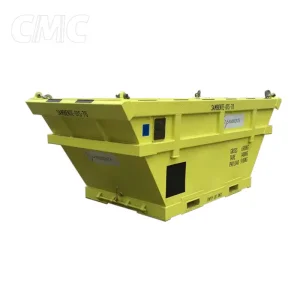
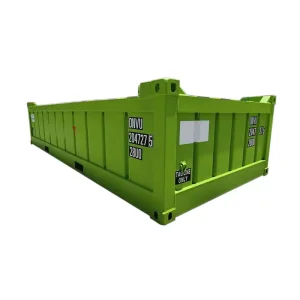
For hazardous exploration sites and harsh marine platform support, CIMIC engineers heavy-duty offshore versions certified to DNV 2.7-1 / EN 12079. Featuring Charpy impact-tested structural steel, non-destructive weld testing (NDT), and load-tested lifting slings.
Our offshore insulated modules withstand extreme dynamic wave shock, saltwater spray, and offshore crane transfers in the North Sea, Gulf of Guinea, and Australasia.
From extreme heat equatorial rail passages to strict biopharmaceutical cold chains, discover how our insulated containers protect sensitive cargo without downtime.
Delicate crops such as berries, avocados, fine teas, and cut flowers do not always require sub-zero freezing, but suffer shock from wild diurnal temperature fluctuations. In trans-continental rail routes spanning arid zones where ambient heat surges past 45°C during the day and falls to near freezing at night, our thickened-foam insulated containers stabilize the internal microclimate.
This prevents moisture condensation and rapid spoilage, delivering fresh agricultural produce with minimal freight costs and zero auxiliary fuel use.
Global healthcare compliance requires strict +2°C to +8°C or +15°C to +25°C temperature management under GDP (Good Distribution Practice) mandates. When fitted with Phase Change Materials (PCMs) or dry ice banks, our insulated containers function as giant thermal flasks for high-potency pharmaceuticals.
Ideal for multimodal interline transfers at developing seaports lacking reliable refrigerated power plugs (reefer points), preserving therapeutic product stability.
Polymers, adhesives, resins, and specialized coatings degrade or undergo premature exothermic reactions when exposed to direct solar heat on vessel decks. Similarly, bulk lithium battery logistics require regulated thermal ranges to minimize thermal runaway risks.
Our insulated shells reflect solar radiation and dampen thermal spikes, providing a safe, spark-free, non-energized transport medium that matches international chemical shipping rules.
Pioneering developments in vacuum insulation, advanced satellite telemetry, and solar micro-inverter integration designed to transform intermodal fleet logistics.
Integrating nanoscale silica aerogels and thin Vacuum Insulation Panels (VIPs) within polyurethane foam cores. This cuts wall thickness by 40% while doubling thermal resistance, maximizing internal volumetric capacity for palletized cargo.
Embedded internal surface sensors, humidity loggers, and tamper detection tags powered by ultra-low-power BLE mesh networks. Shippers can track real-time internal core temperatures globally via low-earth orbit (LEO) satellite links without opening doors.
Flexible, high-efficiency monocrystalline solar panels embedded flush within container roof corrugations. These supply auxiliary electricity to high-efficiency DC inverter ventilation fans and active micro-chillers for limitless passive-hybrid journeys.
Transitioning toward bio-based polyols and fully depolymerizable FRP composites. Eliminating legacy non-recyclable fiberglass in favor of high-impact recyclable thermoplastic skins, establishing a true circular manufacturing lifecycle.
Essential technical criteria enterprise procurement directors and logistics managers must review before issuing RFQs for international container production runs.
Calculate your expected transit duration, route average ambient temperature, maximum solar exposure hours, and acceptable internal temperature variance (ΔT). Ensure the manufacturer provides verified K-value test certificates from classification societies such as Bureau Veritas or Lloyd's Register to confirm insulation performance.
Thickened insulation walls add weight and reduce internal dimensions. Review your cargo density: for heavy products like bottled liquids or chemical drums, maximum gross mass (MGW, typically 30,480 kg to 34,000 kg) is the limiting factor; for lighter goods like pharmaceuticals or electronics, maximize usable cubic volume with 40ft High Cube geometries.
Confirm whether interior panels require steam pressure washing, automated wash-downs, or caustic sanitation chemicals. Stainless steel 304/316 interiors offer superior corrosion defense for chemical drums, while seamless FRP gel-coat linings deliver exceptional sanitation and scrub-down resistance for food shipments.
Verify that your production order includes individual container serial inspections with CSC safety plates stamped by reputable classification societies (BV, ABS, DNV, or LR). This ensures problem-free ocean line loading, terminal handling acceptance, and international customs clearance.
Detailed technical answers from CIMIC's container engineering and export teams addressing common questions on insulated containers, customization options, and global shipping logistics.
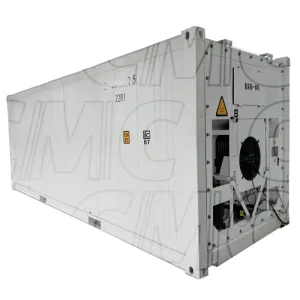
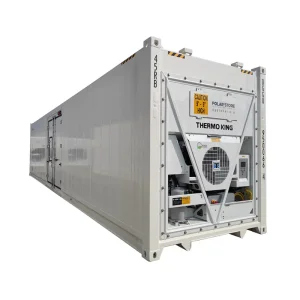
An insulated container is a passive thermal enclosure featuring high-density foam walls without an active motorized refrigeration cooling unit. It maintains the temperature of pre-conditioned cargo using thermal inertia and airtight seals. A reefer container includes an active mechanical compressor (e.g., Daikin, Carrier, Thermo King) that consumes electrical power to actively extract heat from the cargo space.
Thermal holding duration depends on ambient temperature differentials, cargo thermal mass, and pre-cooling procedures. On average, a CIMIC 40ft HC thickened foam unit paired with eutectic plates or thermal blankets maintains sensitive payloads within acceptable tolerances for 96 to 180 hours, making it ideal for point-to-point regional freight and short-sea routes.
Yes. As an OEM and ODM container manufacturer, we engineer custom insulation profiles ranging from 60mm to 120mm polyurethane cores. Interior linings can be built with food-grade 304/316 stainless steel, seamless antibacterial FRP panels, or corrugated galvanized marine sheets depending on your sanitation, chemical resistance, and cargo handling needs.
Every export container is certified under ISO quality management systems and surveyed by accredited international classification societies such as Bureau Veritas (BV). We supply verified CSC certificates, TIR certificates, and ATP test reports upon request. Offshore containers are manufactured and certified in compliance with DNV 2.7-1 / EN 12079 guidelines.
New containers are manufactured at our production bases in Tianjin and Suzhou, situated approximately 100 kilometers from major international seaports. This strategic coastal positioning minimizes domestic repositioning costs and streamlines vessel loading. Dispatch times for standard catalog models and inspected used fleets average 7–15 days, while custom OEM/ODM production batches range from 3 to 6 weeks.
Our flexible manufacturing lines accommodate orders ranging from specialized small batches (1 to 4 units for offshore or prototype engineering projects) to complete commercial fleet deliveries (50+ units). Our technical sales team works with your procurement group to establish the most cost-effective batch production schedule.
Explore our complete range of certified refrigerated reefers, specialized offshore mineral haulers, and inspected port inventories ready for global delivery.