Q1
What is the price of a second-hand refrigerated container?
Due to many factors, such as the condition of the container and the year of production, the price is not fixed. If you need a specific quote, please contact us.
Q2
What should I pay attention to when buying a second-hand refrigerated container?
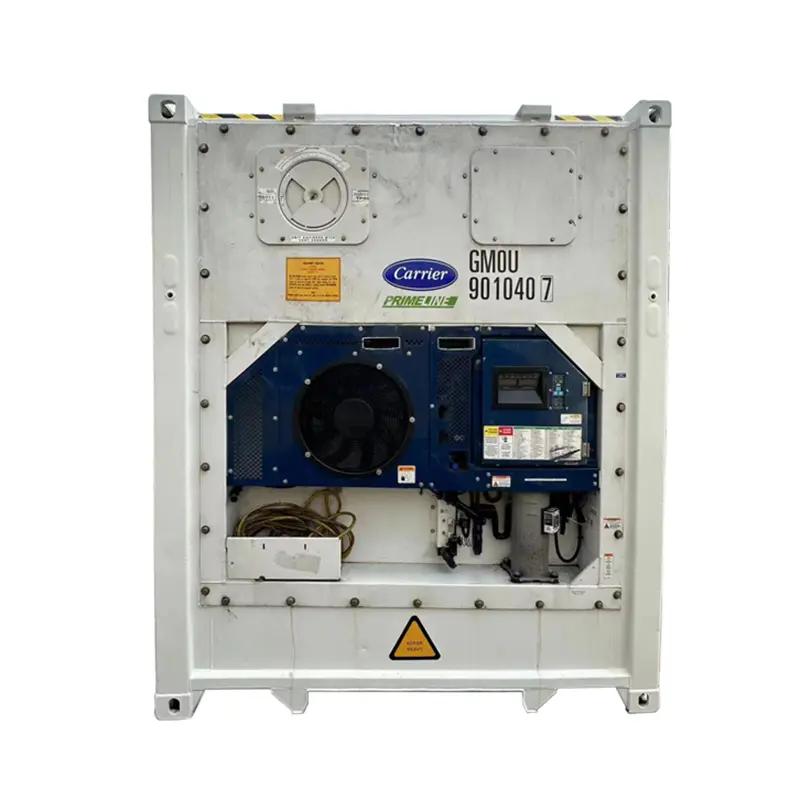
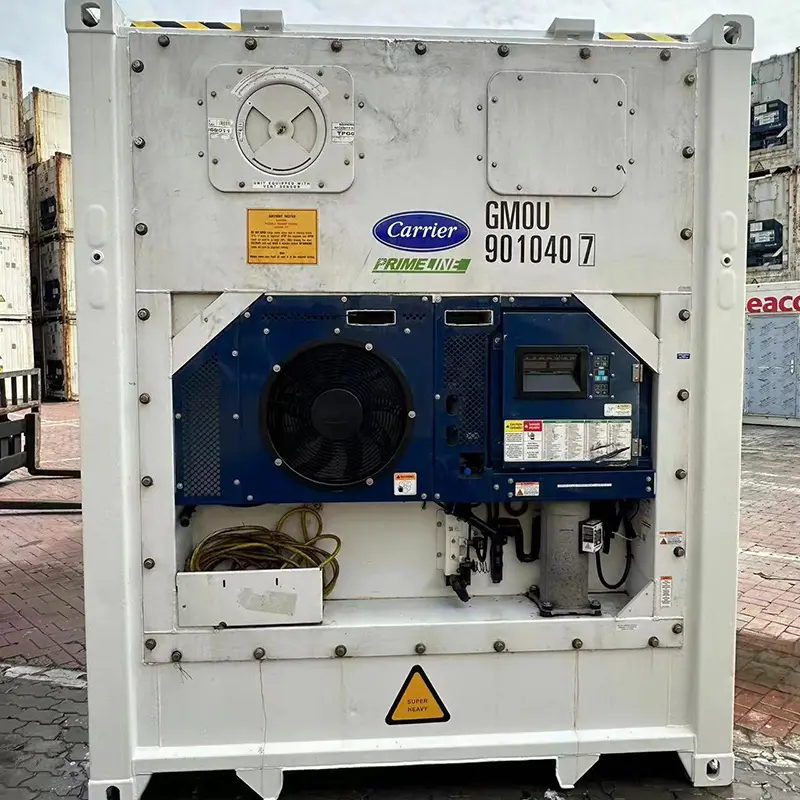
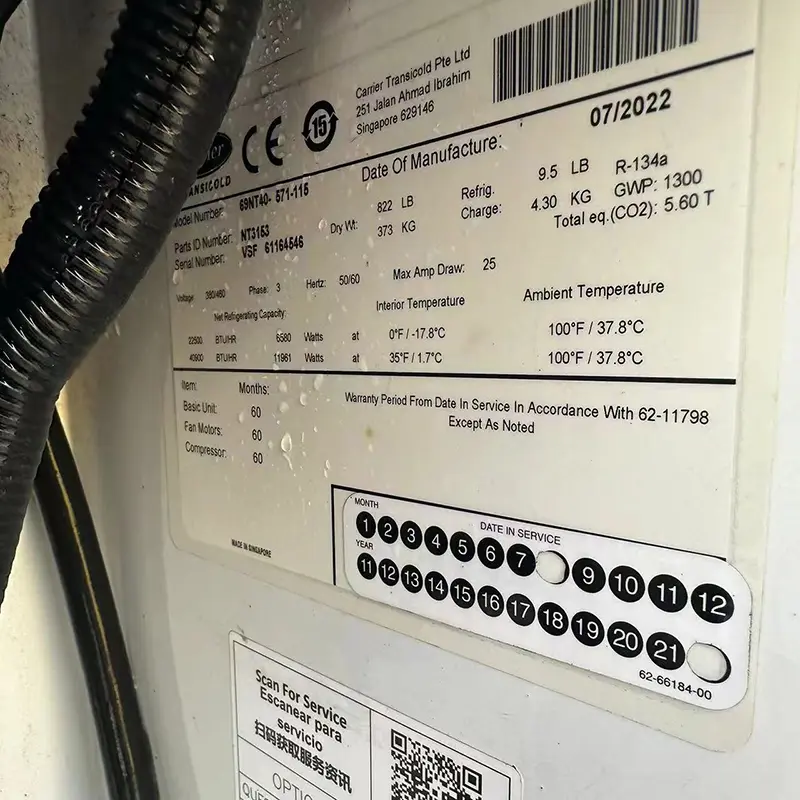
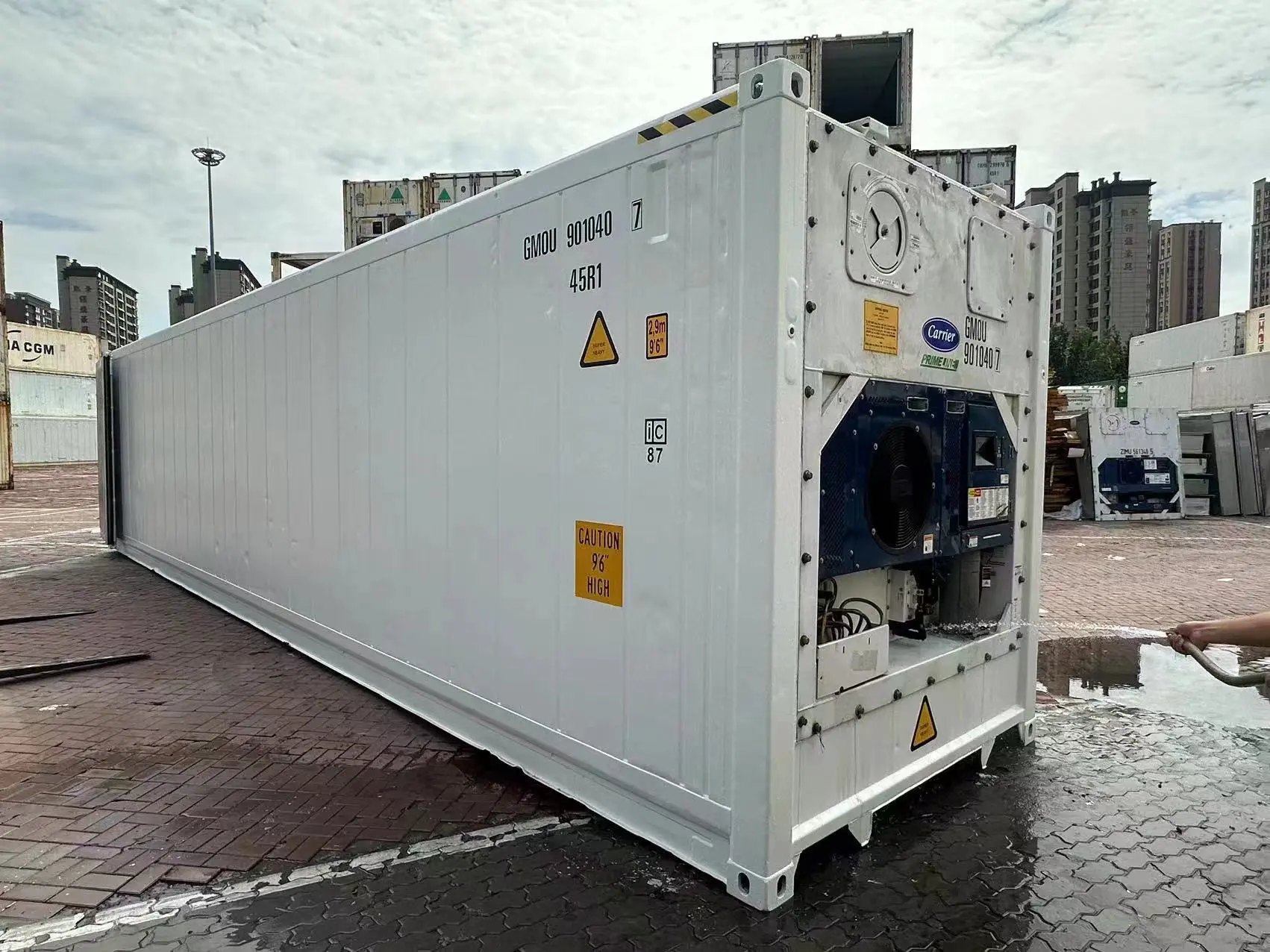
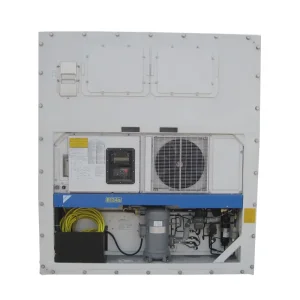
Inspect the refrigeration equipment to ensure that it can operate normally, check the refrigeration effect, temperature control range, operating noise, etc. of the refrigeration unit. You can ask the seller to provide maintenance records of the refrigeration equipment to understand its use and maintenance and judge the reliability of the equipment. The containers we sell can be tested.
Q3
What materials are used to construct these refrigerated containers?
Generally, a galvanized steel structure is utilized. The inner walls, bottom plates, top panels, and doors are constructed using high-performance metal composite plates, aluminum plates, stainless steel plates, or polyester to ensure exceptional corrosion resistance and thermal insulation.
Q4
How can the service life of a used refrigerated container be extended?
Good routine maintenance is the critical factor. Essential measures include systematic maintenance of the refrigeration machinery, periodic anti-rust treatments on the body, and timely repair of any damaged thermal insulation layers.
Q5
Do second-hand refrigerated containers consume significantly more energy than new ones?
Not necessarily. If the second-hand refrigerated container is well maintained and the refrigeration unit is properly serviced or upgraded, its operational energy consumption will be very close to that of a brand-new container.
Q6
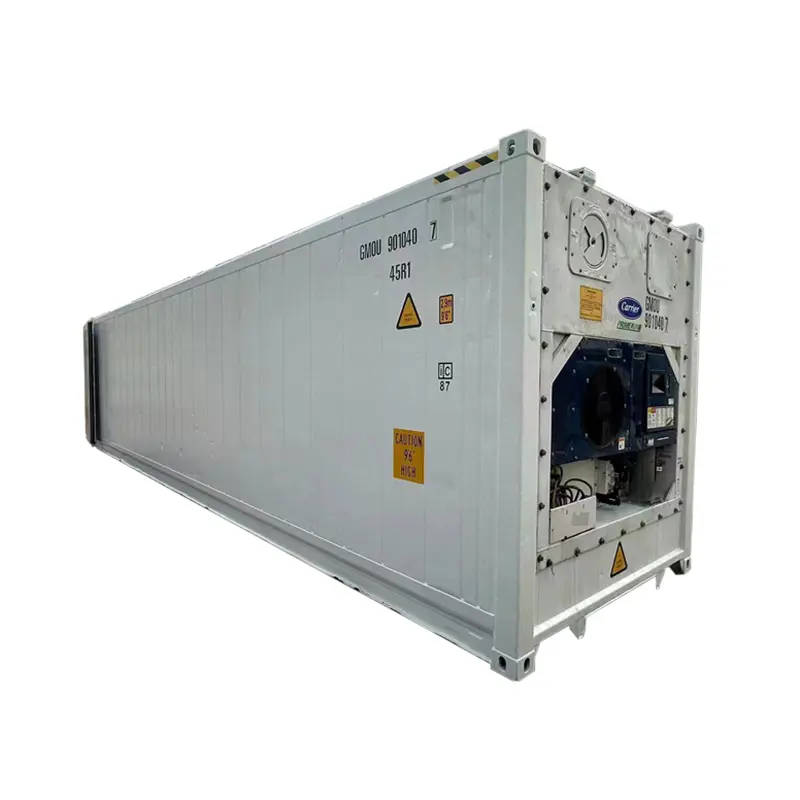
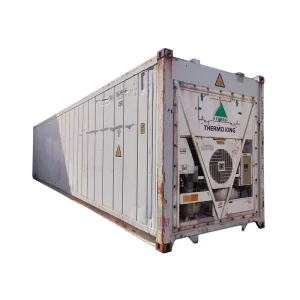
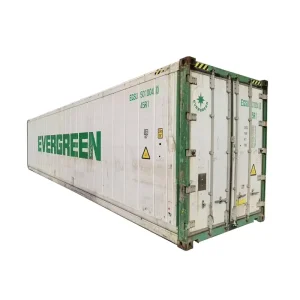
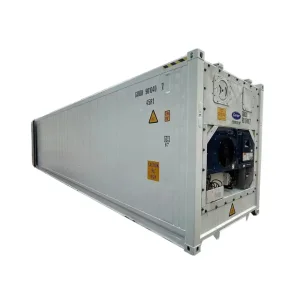
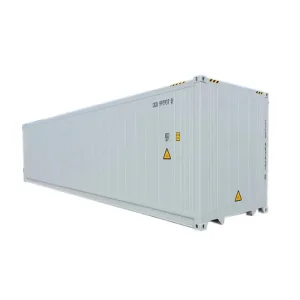
What are the load-bearing and storage capacities of the 40ft container?
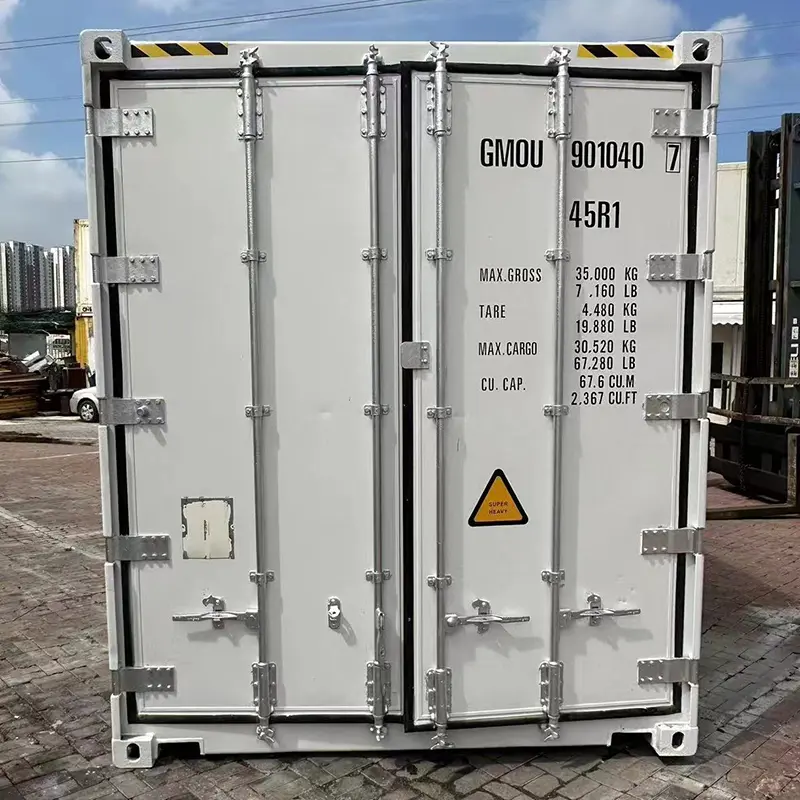
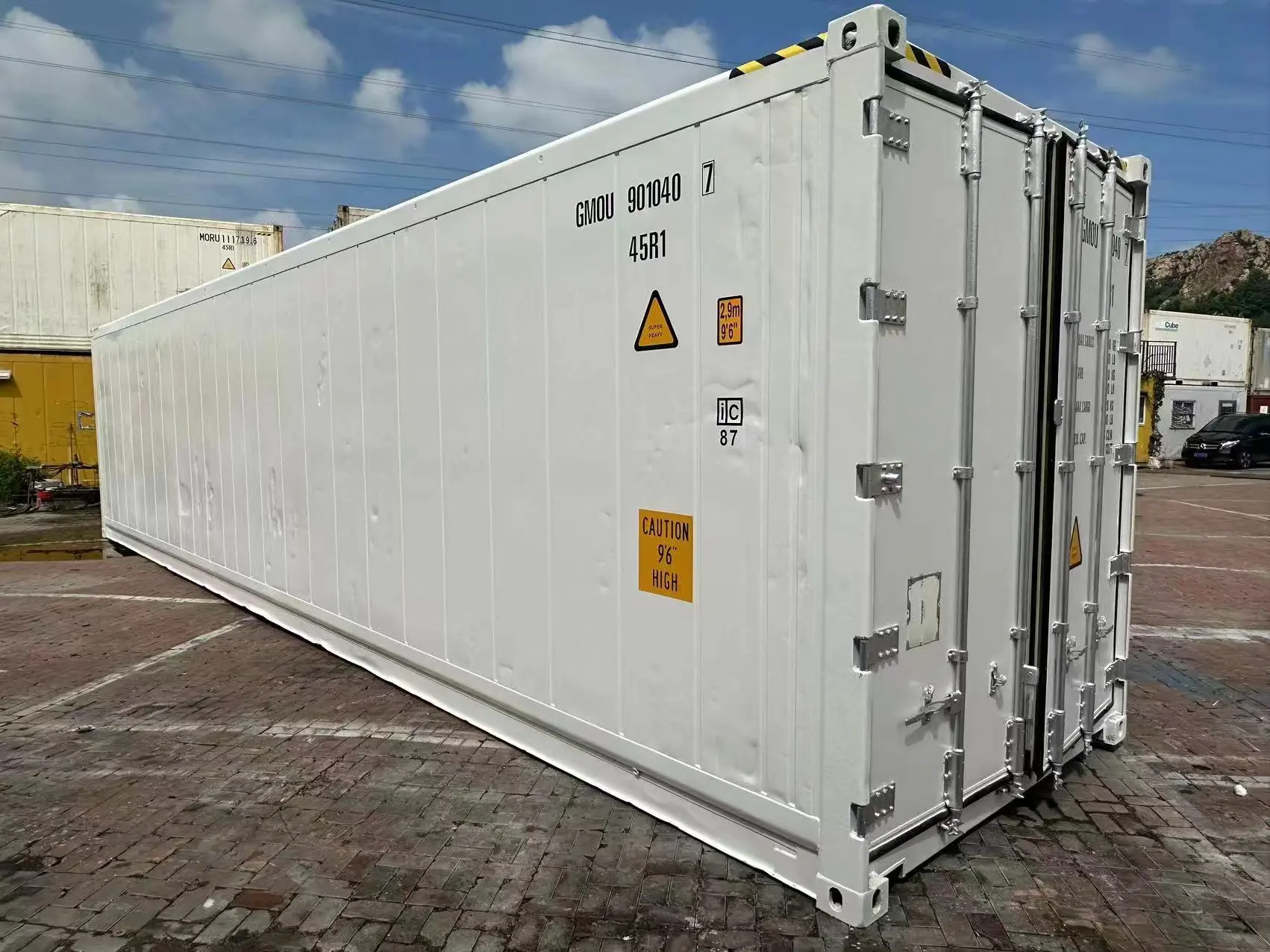
The container has an external dimension of 12192*2438*2896 mm and an internal dimension of 11590*2294*2554 mm. It features a maximum gross weight of 34,000 kg (74,960 lbs) with a maximum payload capacity of up to 29,250 kg (64,490 lbs).