1 / 5
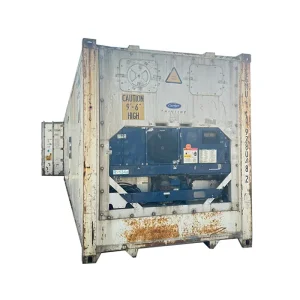
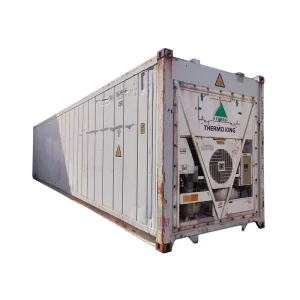
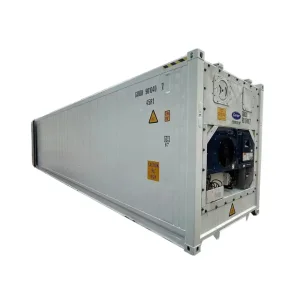
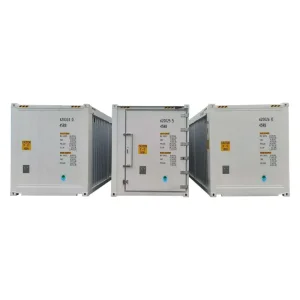
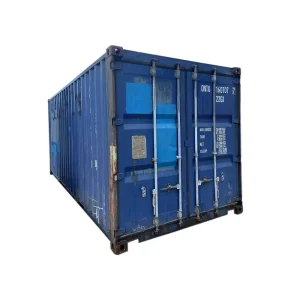
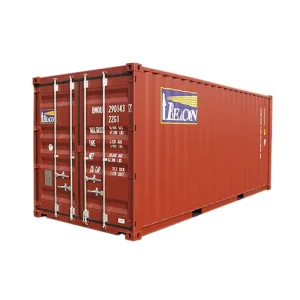
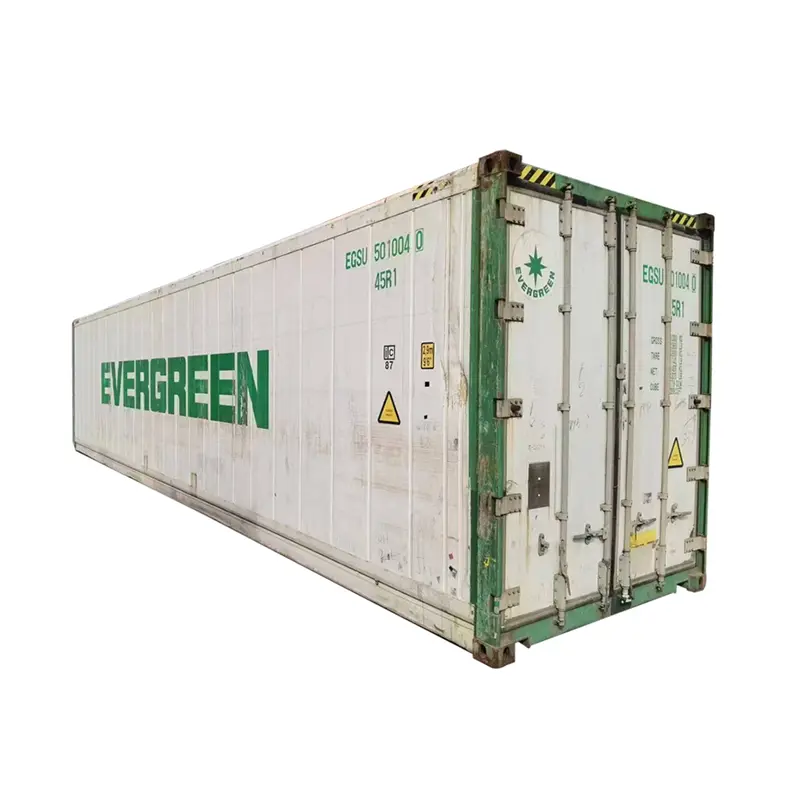
Second-hand containers, also known as used containers, refer to pre-owned shipping containers that have been retired from service after a designated period of logistical use.
With the rapid expansion of the international freight and transportation sector, over one million intermodal units are produced globally each year, primarily serving key logistics operators and container leasing companies. Due to demanding maritime safety standards, standard shipping containers typically have a service life of 10 to 15 years, resulting in a substantial annual turnover of operational units. Offering superior structural durability and exceptional cost-effectiveness, these second-hand containers are increasingly favored for heavy-duty cargo transportation, cold chain logistics, and modular on-site warehousing solutions.
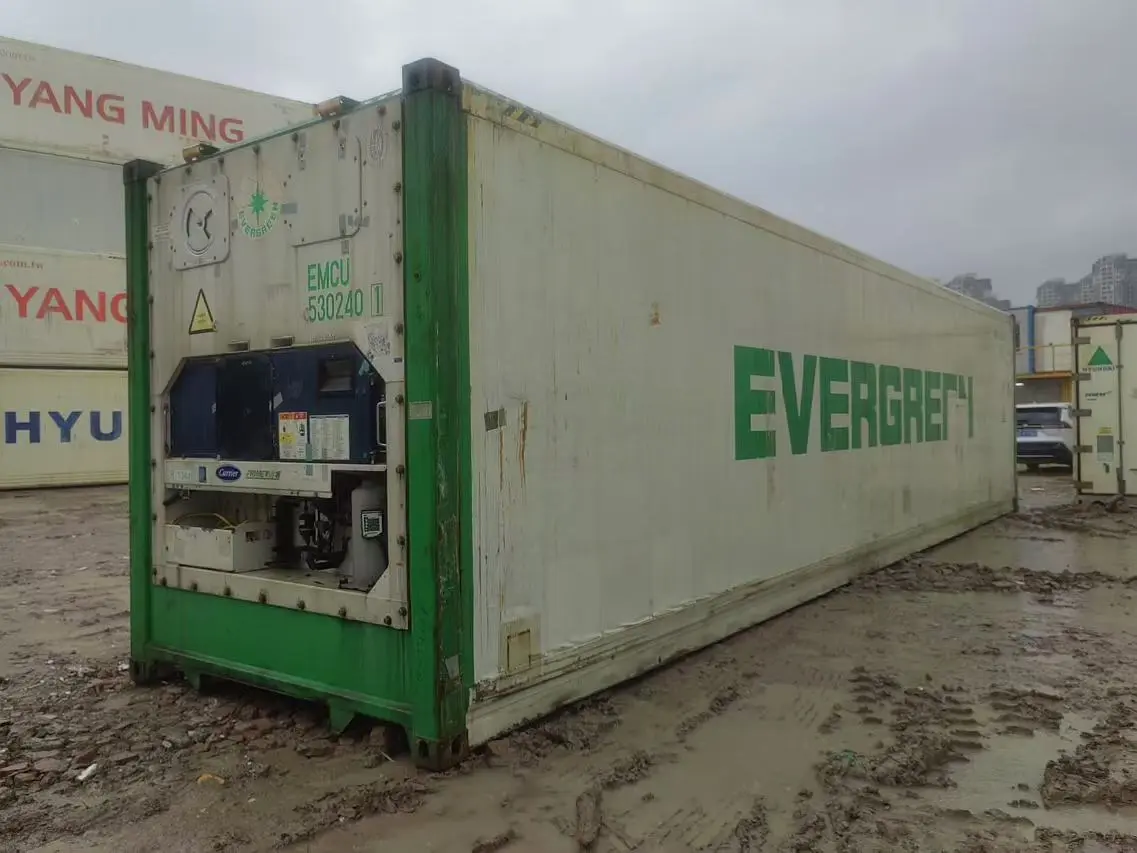
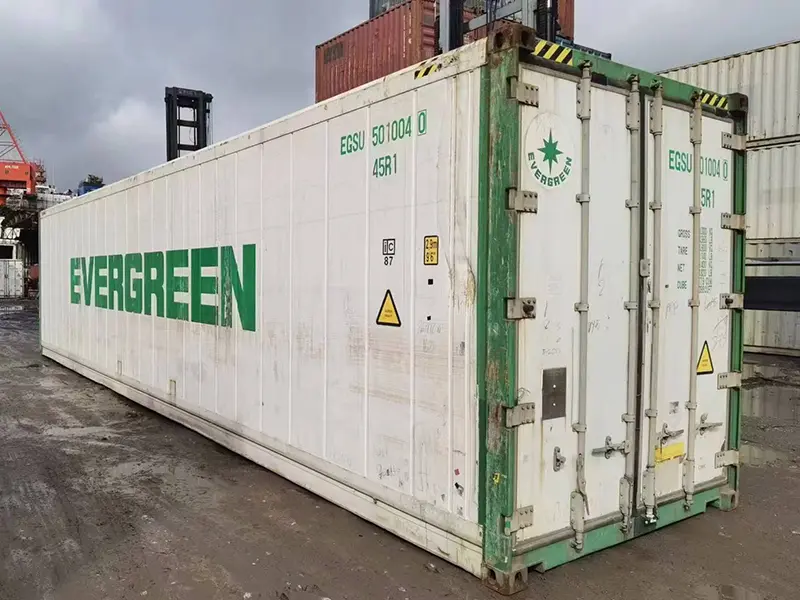
| External Dimension (MM) | 12192 * 2438 * 2896 |
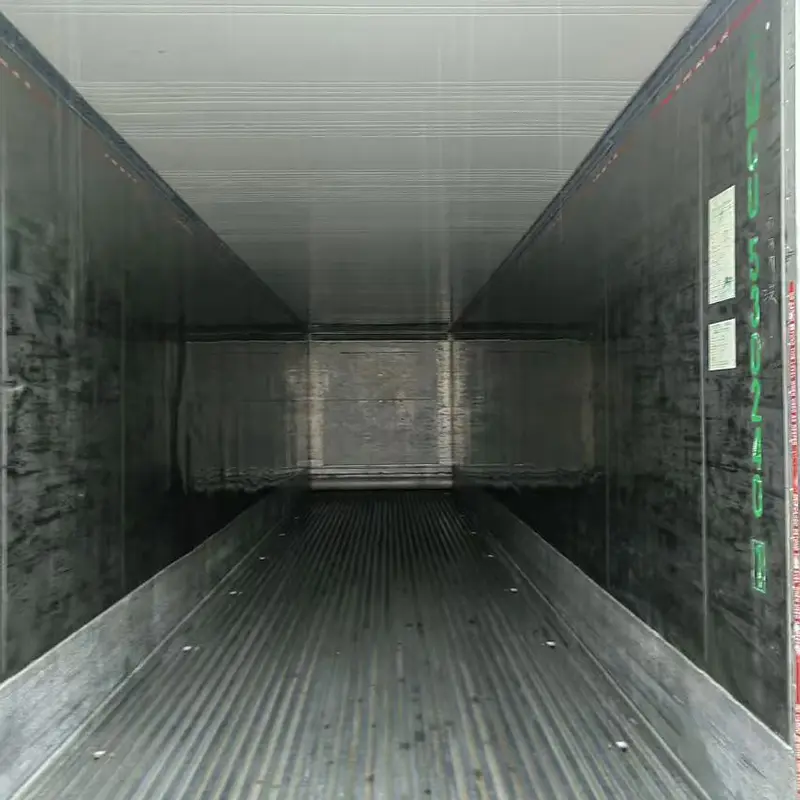
| Internal Dimension (MM) | 11590 * 2294 * 2554 |
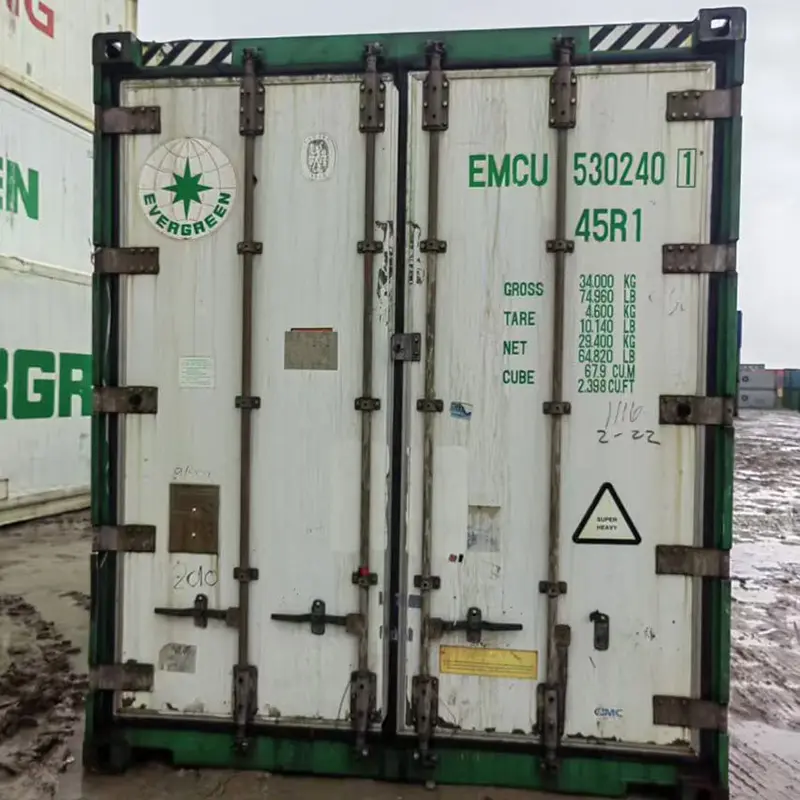
| Door Opening Width (MM) | 2290 |
| Door Opening Height (MM) | 2569 |
| Maximum Gross Weight | 34,000 kg / 74,960 lbs |
| Maximum Payload | 29,250 kg / 64,490 lbs |
| Tare Weight (±2%) | 4,210 kg / 9,280 lbs |
Compared with purchasing brand-new refrigerated units, second-hand refrigerated containers provide significant procurement savings, making them an ideal, economical solution for budget-conscious enterprises and expanding operations.
Engineered for robust mobility, these units can be effortlessly relocated and swiftly deployed across diverse working environments, catering instantly to changing regional demands and cold-chain logistics requirements.
Built with marine-grade steel and industrial cooling machinery, the core structure remains resilient over extended durations. With routine servicing, they ensure consistent performance and a high long-term return on investment.
A comprehensive structural and mechanical evaluation is essential. Physically examine the four corner posts, six external panels, and corner castings for structural deformities, corrosion, or weld failures. Internally, verify cleanliness to ensure there is no chemical residue, persistent odor, moisture, or thermal insulation leakage. Crucially, conduct a full operational test of the refrigeration machinery to evaluate startup response, pull-down speed, and temperature accuracy.
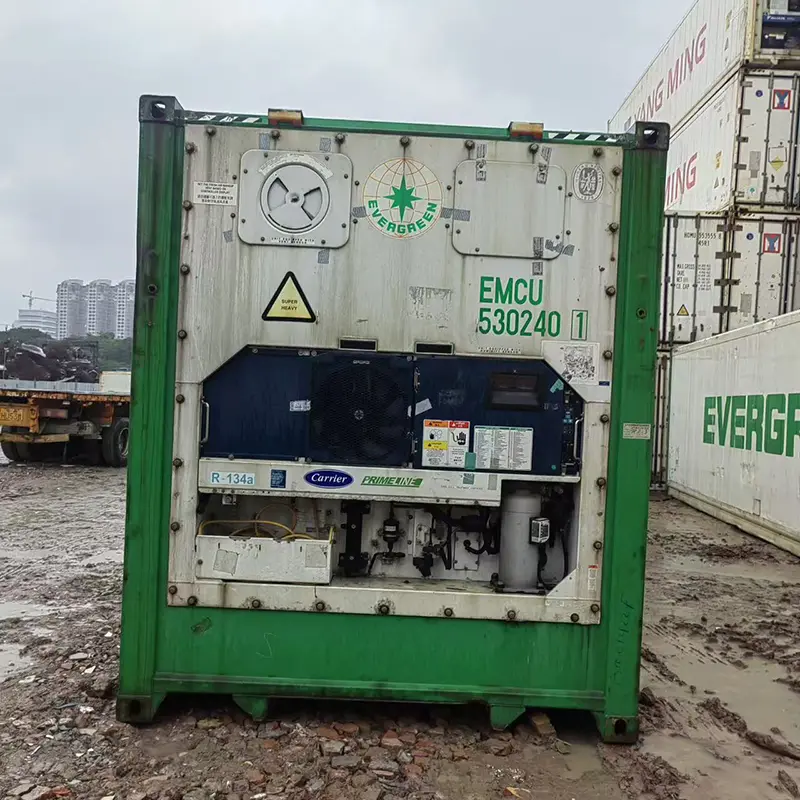
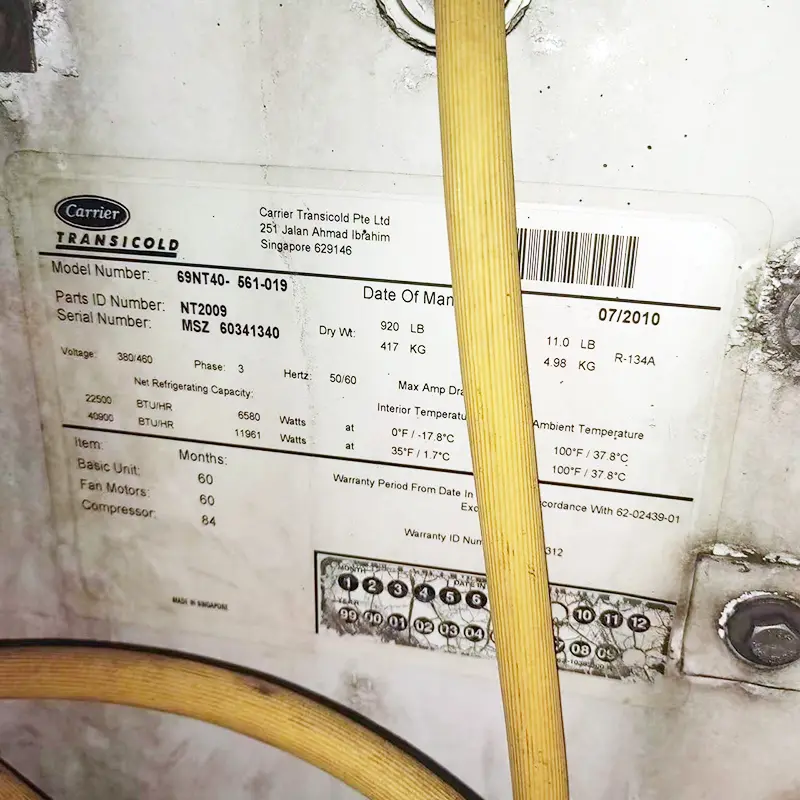
Pricing is predominantly governed by the unit's dimensions (such as 20ft or 40ft High Cube), manufacturing year, overall cosmetic and structural condition, operating hours, and the specific brand of the cooling unit (e.g., Carrier, Thermo King, Daikin).
Yes, fully inspected and serviced refrigerated containers can reliably sustain deep-freeze environments typically ranging from -25°C to +25°C, making them suitable for seafood, meat, fruits, and temperature-sensitive pharmaceuticals.
Standard ISO reefer containers generally operate on industrial three-phase power (380V/460V, 50/60Hz). If grid connection is unavailable, they can be powered reliably using dedicated diesel generator sets (gensets).
Reefer containers feature high-density polyurethane insulation between internal stainless-steel or aluminum liners and external steel plating. T-bar flooring allows optimal bottom-up airflow while integrated lashing points secure cargo movement.
Recommended practices include regular condenser coil cleaning, inspecting door gasket seals for thermal leakage, checking compressor oil levels, monitoring refrigerant pressures, and conducting pre-trip inspections (PTI) before long storage runs.