High-payload structural designs, autonomous refrigeration configurations, and versatile chemical tanks engineered to withstand sustained torsional stress on international road corridors and rail links.
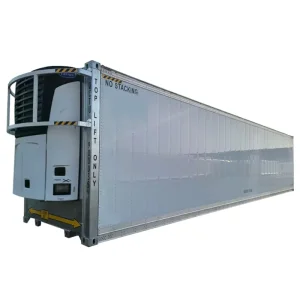
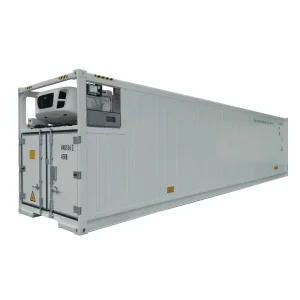
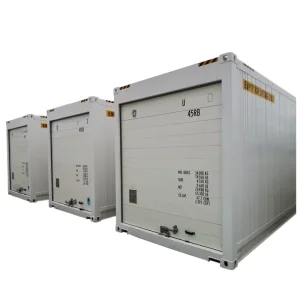
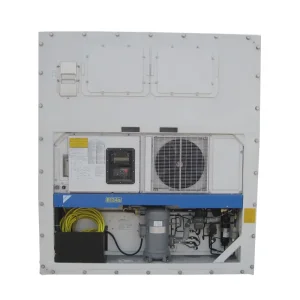
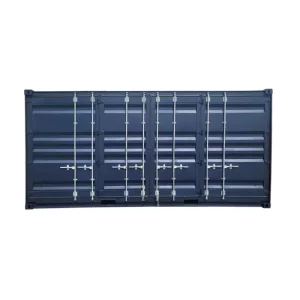
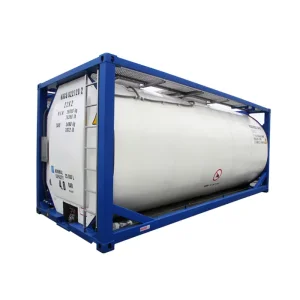
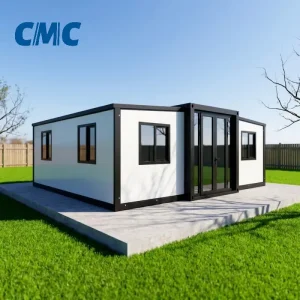
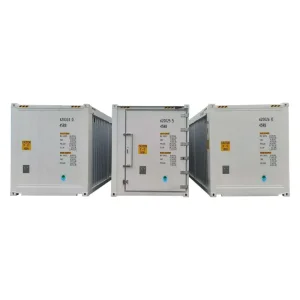
From raw SPA-H high-strength atmospheric corrosion-resistant steel coil unrolling to high-tolerance robotized robotic welding, our Tianjin and Suzhou manufacturing plants eliminate intermodal structural failure risks.
We leverage direct raw material tie-ups with tier-one blast mills in China. Every road and rail container utilizes certified Corten weathering steel with specialized chemical compositions that naturally develop an oxidation barrier layer.
Continuous automated submerged arc welding lines eliminate microscopic thermal fissures across heavy-gauge rail corner posts and structural floor stringers. Surface blasting achieves Sa 2.5 cleanliness before primer coating.
Both manufacturing plants sit within 100 kilometers of deep-water port terminals. This spatial proximity drastically lowers inland transfer charges, mitigates empty positioning transit, and speeds vessel roll-on/roll-off dispatch.
Railway operators, cross-border haulers, and global 3PLs face distinct challenges: buffer impact shock, dynamic curve tilt, high vertical stacking strain, and strict axle load legal caps across multinational corridors.
Humping and shunting in rail freight generate longitudinal acceleration spikes up to 4g. Containers feature reinforced bottom sills, thicker understructure crossmembers, and high-tensile corner fittings to avert plastic deformation.
Trans-Siberian and Central Asian rail transits fluctuate between -45°C winter blizzards and +40°C summer deserts. Multi-layer polyurethane and cycloisopentane foam preserve insulation K-values under severe thermal shocks.
High Cube 45ft configurations comply strictly with European UIC loading gauge limits (GA, GB, GC) and domestic trailer height ordinances. Angled top corner chamfers prevent overhead infrastructure interference.
Unaccompanied piggyback vertical lifting demands designated grappler pockets reinforced with thick wear plates. Bottom flanged tracks prevent side wall buckling during high-speed gantry crane transfers.
| Specification Parameter | 20ft ISO Intermodal Dry | 40ft High-Cube Road/Rail Reefer | 45ft Pallet-Wide Euro Express | 20ft UN-T11 Tank Container |
|---|---|---|---|---|
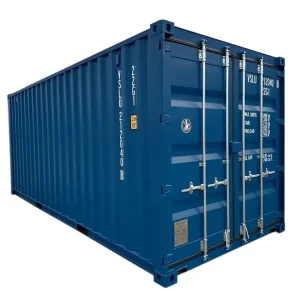
| External Dimensions (L×W×H) | 6,058 × 2,438 × 2,591 mm | 12,192 × 2,438 × 2,896 mm | 13,716 × 2,500 × 2,896 mm | 6,058 × 2,438 × 2,591 mm |
| Maximum Gross Mass (MGM) | 30,480 kg (67,200 lbs) | 34,000 kg (74,950 lbs) | 34,000 kg (74,950 lbs) | 36,000 kg (79,365 lbs) |
| Tare Weight (kg) | 2,180 kg (±3%) | 4,420 kg (Unit inclusive) | 4,680 kg | 3,650 kg |
| Euro Pallet Capacity (1200×800) | 11 Pallets | 25 Pallets | 33 Pallets (Zero deadspace) | Liquid Bulk (24,000–26,000 L) |
| Dynamic Shunting Approval | AAR / UIC 592-2 (3g) | UIC 592-2 / ISO 1496-2 | EN 283 / IRS 50592 | IMDG / ASME VIII / RID/ADR |
| Thermal Insulation Coeff. (U) | N/A | ≤ 0.36 W/(m²·K) (Thick Foam) | Optional Passive Panel | Rockwool / Polyurethane Jacketed |
Intermodal containers cannot risk port impoundment or rail marshalling clearance refusals. CIMIC guarantees dual and triple type certifications stamped by global classification bodies.
Every unit leaves the manufacturing floor with a permanent Stainless Steel CSC (International Convention for Safe Containers) safety approval plate. Customs-sealed TIR certification enables seamless international customs clearance across border posts without unlashing cargo.
Factory production processes undergo relentless independent surveillance audits. Bureau Veritas and DNV survey our manufacturing line from the initial weld qualification tests (WPQR) through destructive corner casting shear testing to hydro-spray water-tightness trials.
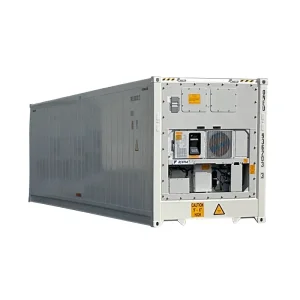
Reefer road-rail containers are built around Carrier Transicold, Thermo King, and Daikin machinery units. Buyers can tap into existing, certified warranty service networks, field software diagnostics, and spare component hubs across all major transit hubs globally.
The multimodal shipping container is no longer a static steel box. IoT integration, green thermal materials, and aerodynamic profile optimization are redefining global intermodal asset tracking and carbon efficiency.
Integrated ultra-low-power dual GPS/Iridium sensors provide autonomous condition monitoring over desolate trans-Eurasian rail lines. Real-time metrics broadcast inside temperature, humidity, shock forces (G-sensor), and door-breach alerts straight to logistics ERP systems.
By strategically employing higher strength-to-weight structural micro-alloyed steels and composite side-lining panels, CIMIC cuts unit tare weights by 8% to 12%. This direct reduction enables higher cargo tonnage per rail axle within strict track limitations.
Hybrid reefer modules combine autonomous solar charging roof foils with dual underslung diesel generators (gensets) and pure-electric 380V/440V grid connections, reducing fuel consumption by up to 28% throughout prolonged holding phases.
From Eurasian high-speed block trains to municipal cold storage distribution networks, discover how our purpose-engineered containers solve real-world freight and site challenges.
Enduring continuous 10,000 km transits connecting Chongqing, Xi'an, and Zhengzhou to Duisburg and Tilburg. High-cube reefers keep sensitive electronics and temperature-dependent cargo pristine amid minus 40°C Siberian winters.
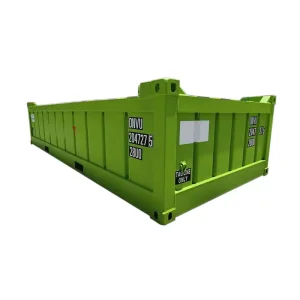
Heavy-duty half-height and open-top containers deployed across Western Australian mining belts and Sub-Saharan mineral arteries. Engineered with abrasive-resistant steel bottoms to haul high-density copper, lithium, and iron ores.
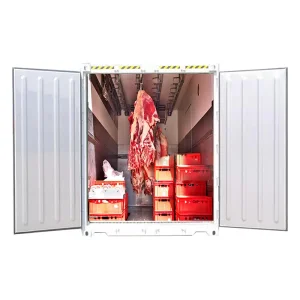
Immediate modular cold-room deployment for agricultural cooperatives, seafood ports, and grocery fulfillment centers. Three-in-one partition units offer flexible deep freeze, fresh chill, and ambient zones in a single mobile shell.
UN-T11, T14, and T50 ISO tanks engineered for hazardous and non-hazardous chemicals. Built with 316L stainless steel pressure vessels and insulated shells to ensure zero spillage during highway transit and rail yard shunting.
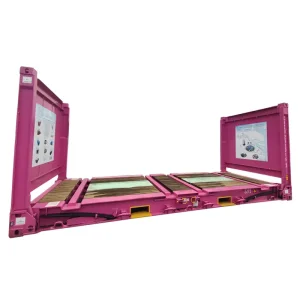
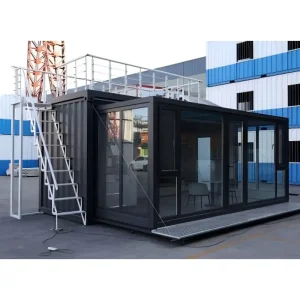
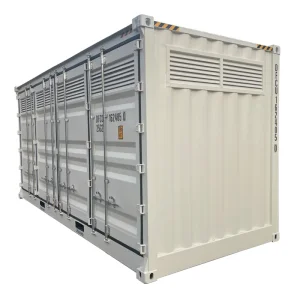
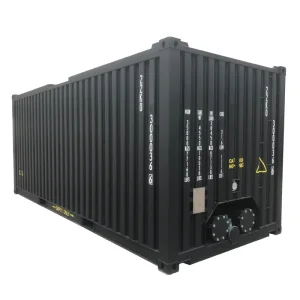
From platform flat-racks engineered for project oversized freight to DNV-certified marine offshore containers and expandable modular habitat modules built to rugged international standards.
Clear, direct technical answers regarding structural tolerances, rail intermodal homologation, multi-point customization, and supply chain timelines.
While standard ocean ISO boxes meet ISO 1496-1 testing parameters, road-rail and intermodal domestic containers must withstand intense continuous longitudinal buffing shock (up to 3g-4g) generated during railway wagon humping and shunting. Rail containers feature reinforced bottom side rails, thickened end crossmembers, enhanced corner casting weld joints, and optional grappler pockets certified under UIC 592 and EN 283 standards.
Yes. We specialize in 45-foot Pallet-Wide (PW) containers. Standard ISO containers measure 2,438 mm externally, which creates wasted cargo deadspace when packing 1,200 × 800 mm Euro pallets. Our 2,500 mm wide Pallet-Wide units allow two Euro pallets side-by-side along the entire length, packing 33 pallets tightly without shifting or internal air voids.
Our Belt & Road reefer containers incorporate autonomous auxiliary dual diesel gensets (capable of 120+ hours uninterruptible runtime) coupled with multi-voltage electric plugs. Containers employ high-density polyurethane vacuum insulation with wall thicknesses up to 75-100mm, alongside Carrier, Thermo King, or Daikin micro-refrigeration units programmed with automatic anti-freeze cycles down to -45°C ambient air.
Every production batch includes an extensive document dossier: Bureau Veritas (BV) or China Classification Society (CCS) Certificate of Inspection, CSC Safety Approval Plates, material steel mill test certificates (MTR) verifying Corten-A chemical composition, 100% weld non-destructive testing (NDT) logs, and pre-dispatch high-pressure rain leakage testing verifications.
Standard catalog container builds (20ft, 40ft HC, side-door units) are ready for dispatch within 20 to 25 calendar days. Bespoke OEM/ODM configurations (such as hanging meat reefers, hazardous ventilated units, or 45ft pallet-wide models) require 30 to 45 days, which includes technical 3D CAD drawing sign-off, structural jigging, and initial prototype destructive testing.
Yes. Because our production yards in Tianjin and Suzhou are within 100 km of international ports, we routinely coordinate with global shipping lines and freight forwarders to license new units as "One-Way Cargo Loaded" containers. This allows buyers to load commercial export goods inside, offsetting ocean positioning freight charges directly to zero.
