1 / 5
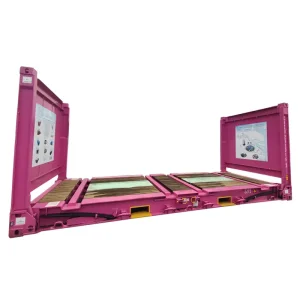
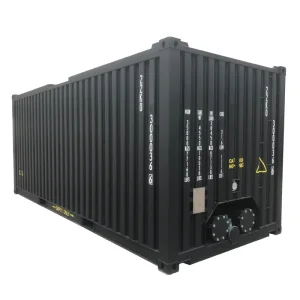
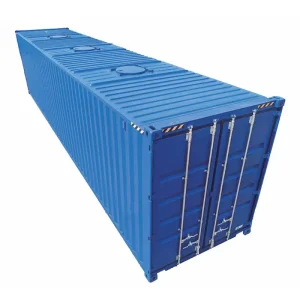
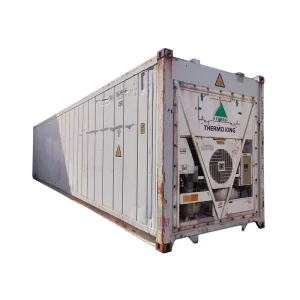
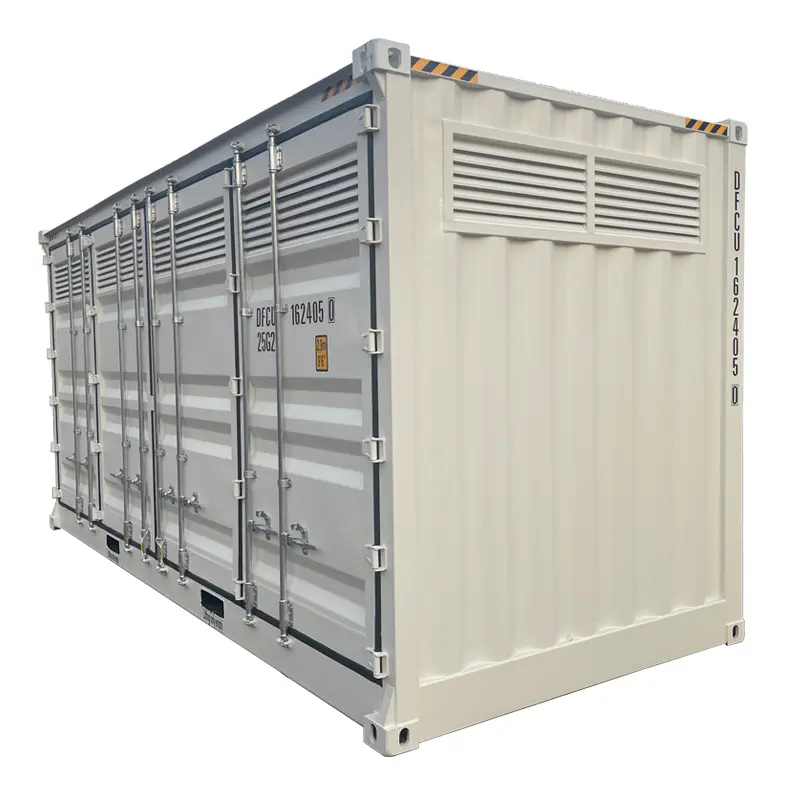
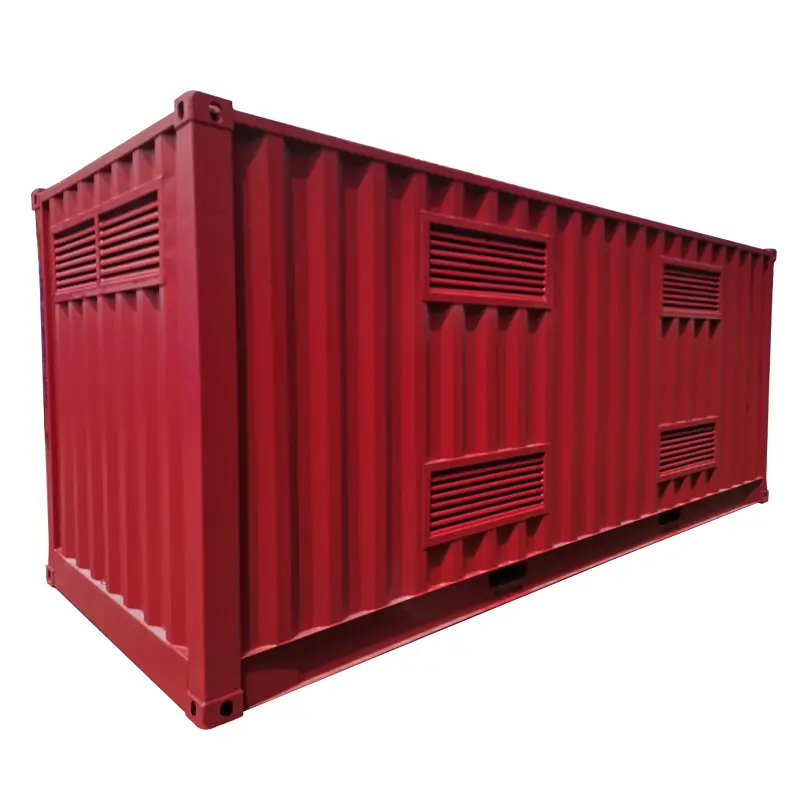
Dangerous goods containers are mostly made of high-strength steel or aluminum alloy to ensure sufficient structural strength to withstand various external forces during transportation. For special dangerous goods, corresponding corrosion-resistant, high-temperature resistant and other materials will also be selected.
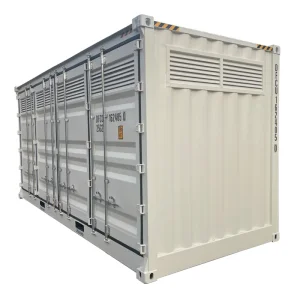
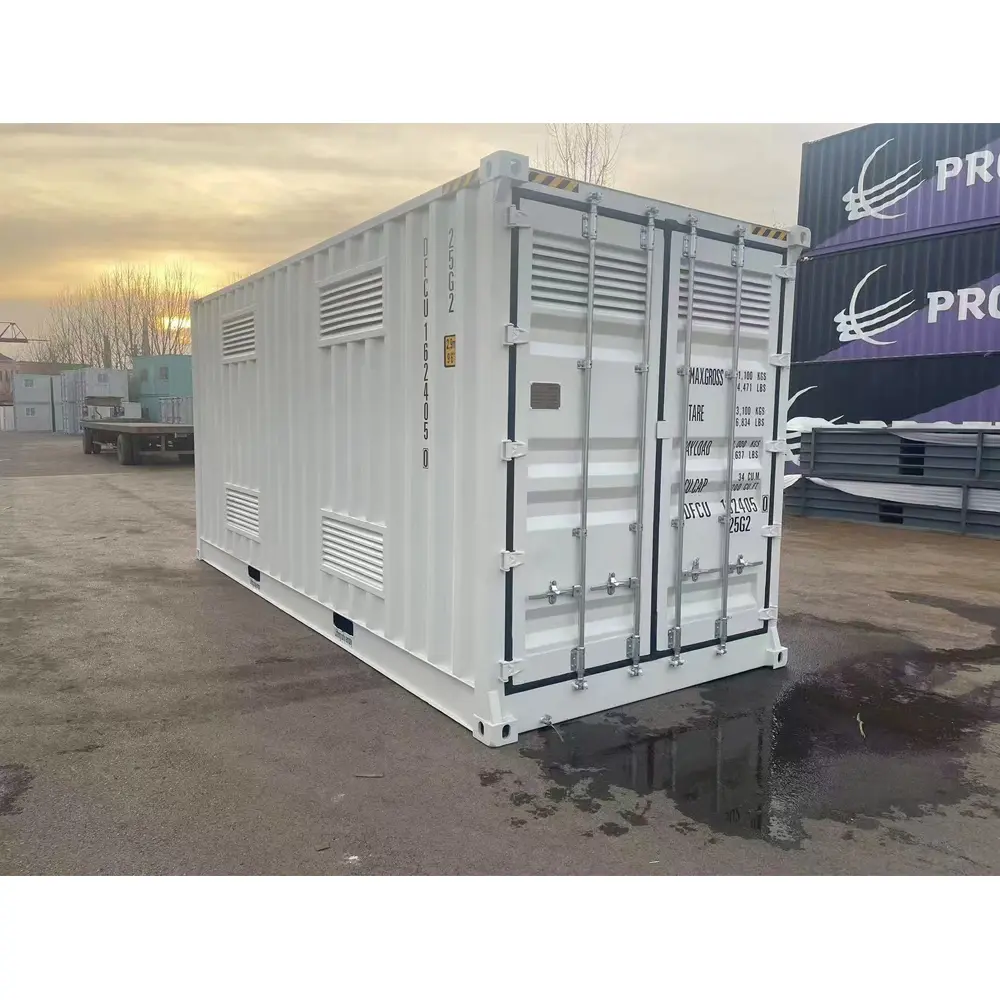
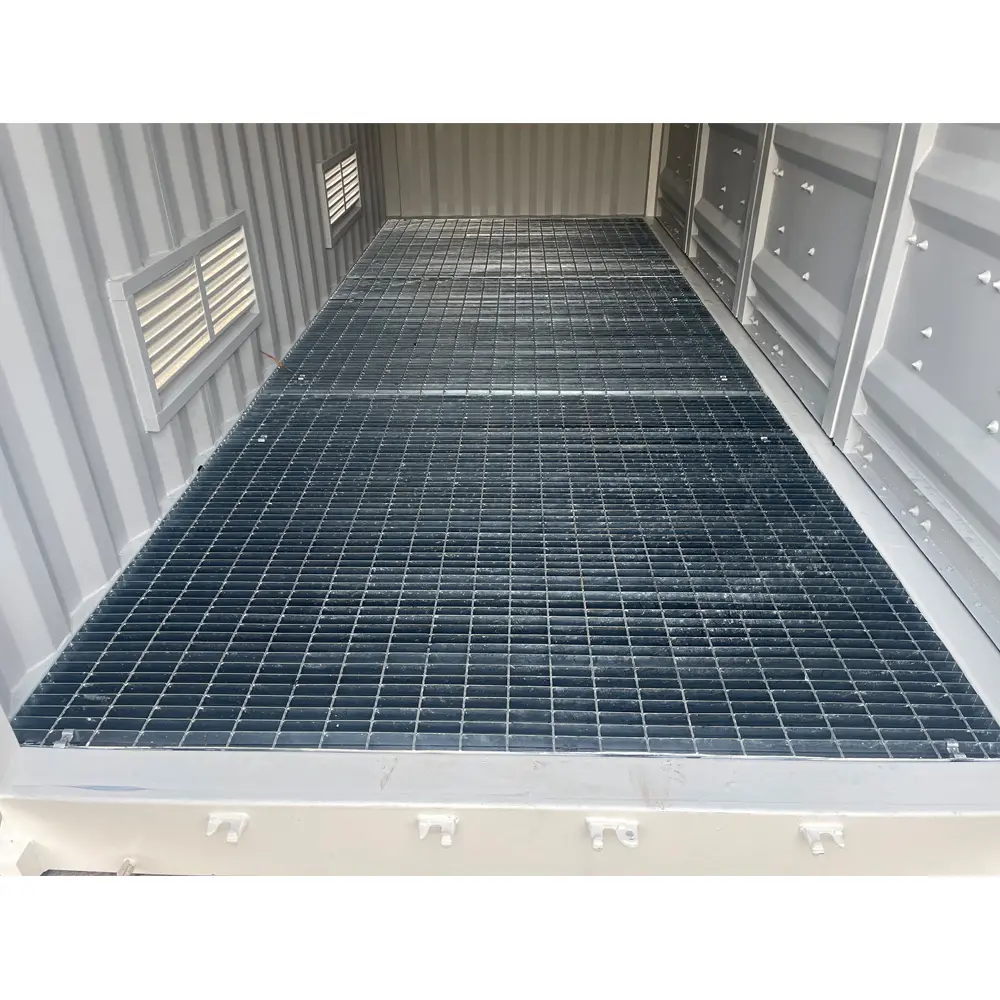
And it has an excellent sealing structure, which can effectively prevent the leakage of dangerous goods. For example, for liquid dangerous goods, the bottom and side seams of the container will be specially sealed. There are also specially treated grid floors. Dangerous goods containers are equipped with a variety of safety devices, such as explosion-proof doors, ventilation nets, safety valves, fire extinguishing devices, gas detection alarm devices, etc. When abnormal conditions occur in the box (such as temperature rise, gas leakage, etc.), these devices can promptly sound an alarm or take corresponding protective measures.
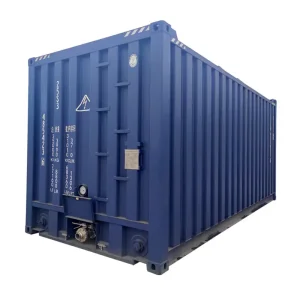
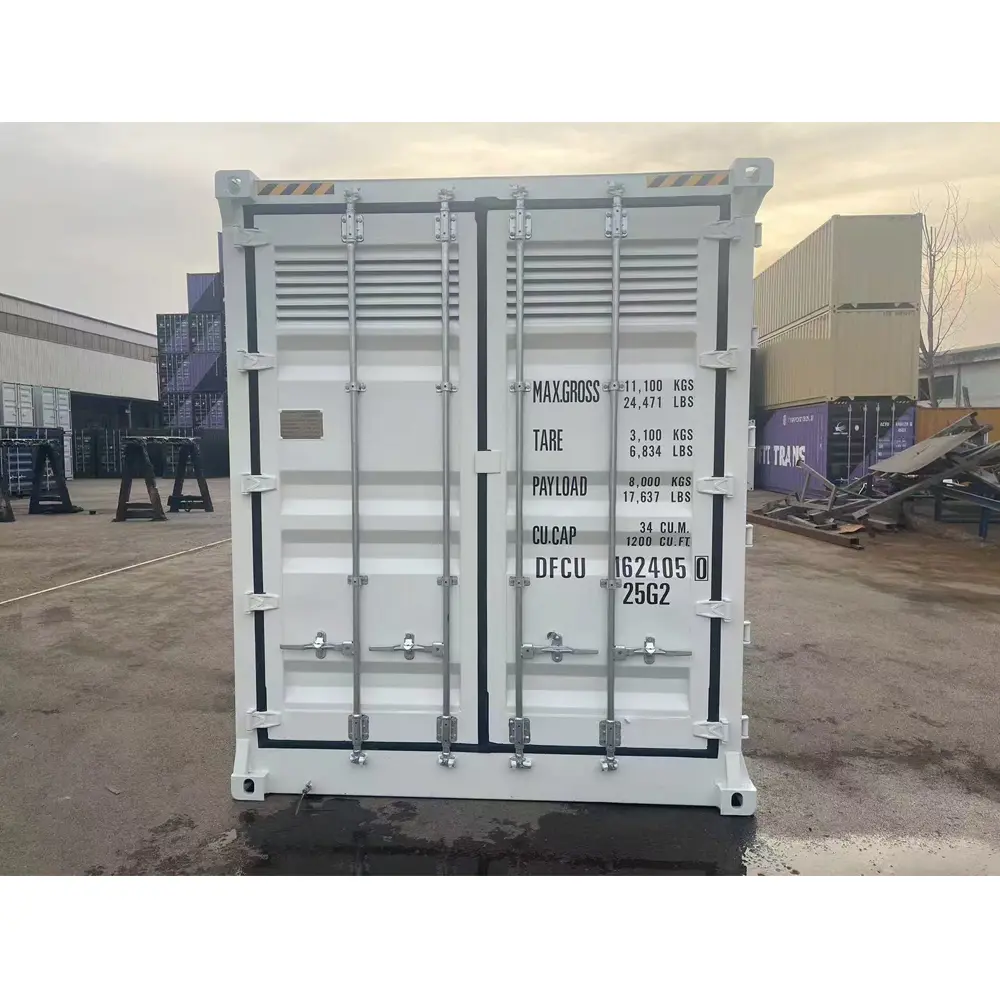
Its outer surface of the box will be clearly marked with hazard signs and other information, which is convenient for identification and management during transportation, and reminds relevant personnel to pay attention to safety. Dangerous goods containers play a vital role in modern transportation and logistics: Ensure the safety of dangerous goods transportation, reduce the probability of accidents, and reduce the harm to personnel and the environment. Improve the efficiency of dangerous goods transportation, facilitate large-scale and standardized transportation, adapt to the development needs of chemical, pharmaceutical and other industries, and facilitate standardized management of dangerous goods transportation. In short, dangerous goods containers are an indispensable tool for dangerous goods transportation. Their design, manufacture, use and management must strictly comply with relevant laws, regulations and standards to ensure the safety and reliability of the entire transportation process.
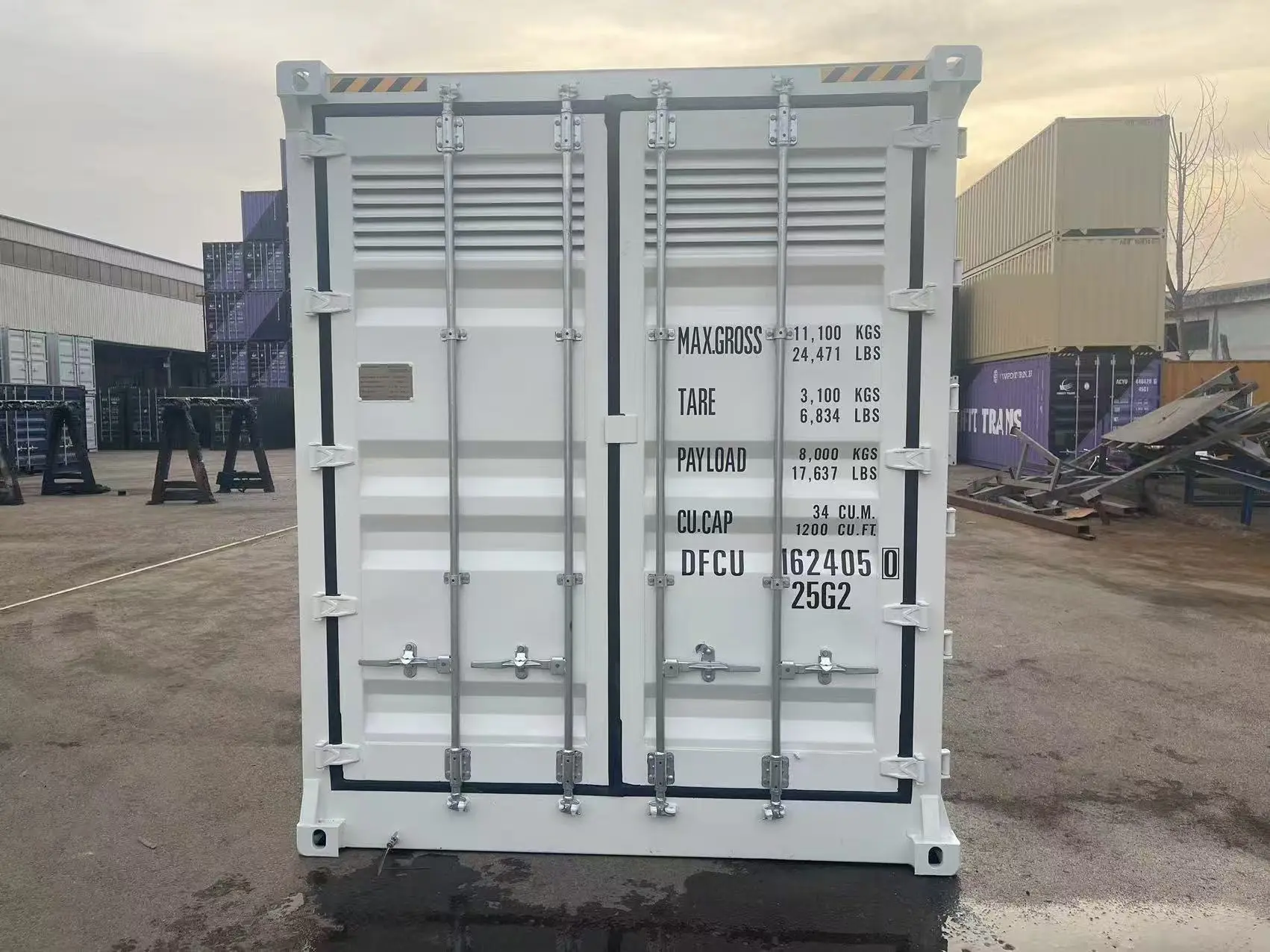
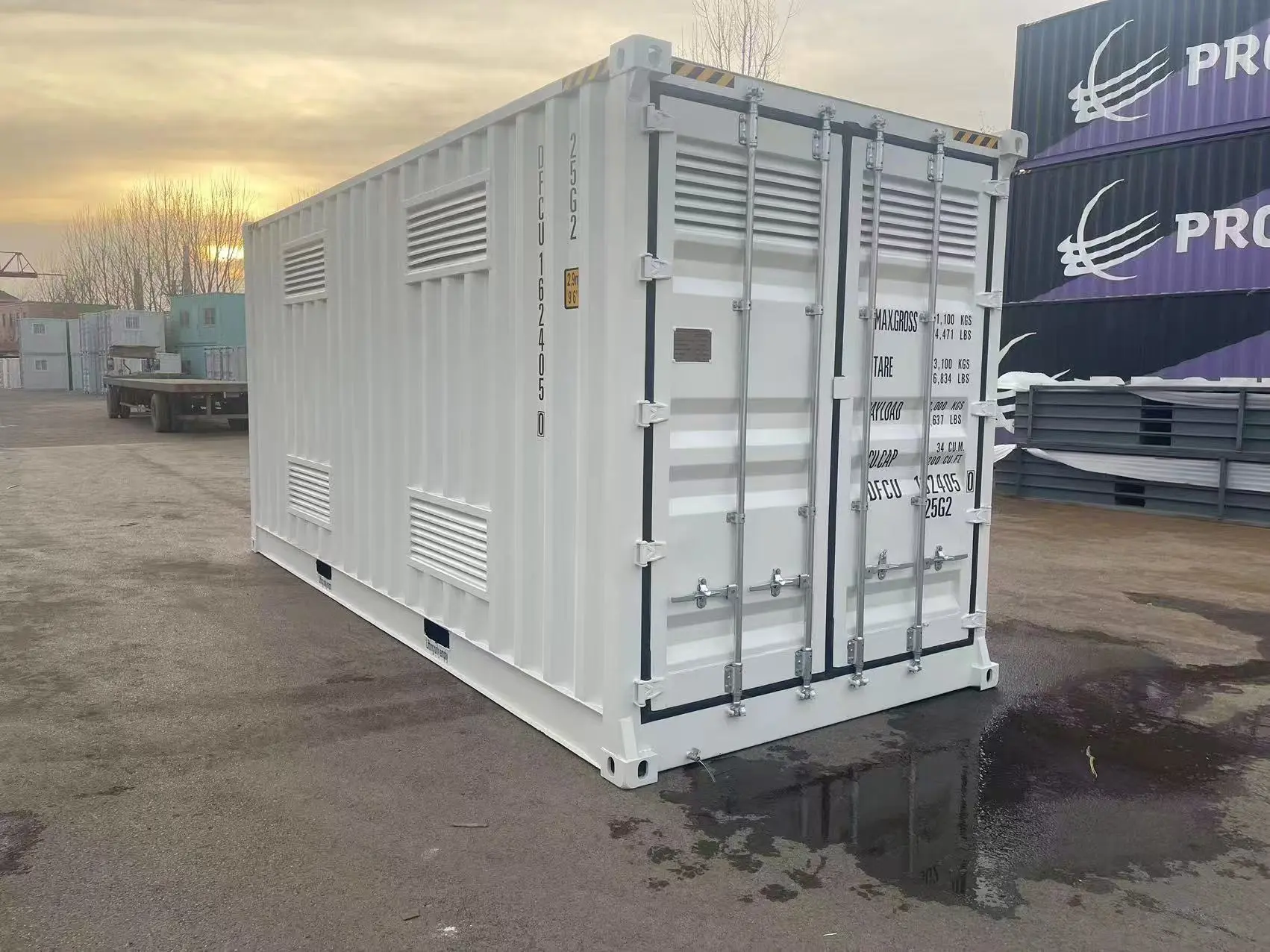

| External Dimension (MM) | 6058 * 2438 * 2896 |
| Internal Dimension (MM) | 5800 * 2350 * 2686 |
| Tare Weight | 3200 kg |
| Max Gross Weight | 11100 kg |
| Max Payload | 8000 kg |
| Cubic Capacity | 34 cu.m |
| Material | SPA-H |
They are primarily built using high-strength SPA-H corten steel or aluminum alloys, ensuring high structural integrity and exceptional atmospheric corrosion resistance during transportation.
Depending on transport requirements, containers are fitted with specialized safety devices including explosion-proof doors, ventilation nets, safety pressure relief valves, gas detection alarms, and fire extinguishing equipment.
Liquid-grade units incorporate reinforced sealant configurations across all bottom and side seams, and typically include spill-containment bunds alongside treated grid flooring to capture inadvertent leakages.
The container has a tare weight of 3,200 kg and accommodates a maximum payload of up to 8,000 kg, bringing the maximum gross operating weight to 11,100 kg.
Yes, the exterior surfaces are designed to display compliant hazard identification signs, ensuring personnel safety and seamless operational management across multimodal logistics chains.