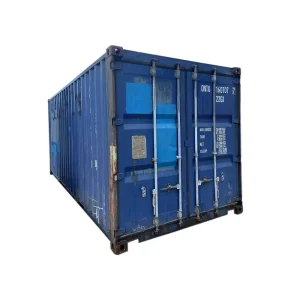
Global OEM/ODM Customization, Modular Containerized Architecture, and Integrated Logistics Equipment Powered by Smart Chinese Manufacturing & Certified Quality Standards.
Industrial-grade precision containers built to withstand multimodal logistics, harsh marine conditions, and demanding cold-chain environments worldwide.
How modern multi-box modular engineering, hybrid intermodal integration, and smart telemetry are reshaping global logistics and off-grid operational efficiency.
Modern combined containers transcend standard ISO boxes. Through finite element analysis (FEA) and reinforced corner casting assemblies, our multi-unit configurations link mechanically into unified multi-room complexes, dual-temperature chillers, or heavy industrial shelters capable of handling extreme dynamic seismic and wind shear forces.
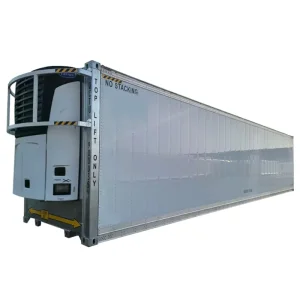
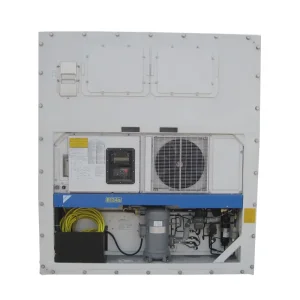
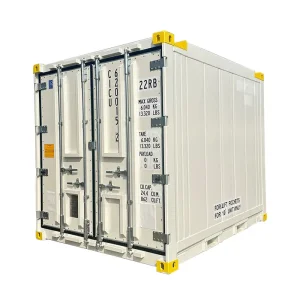
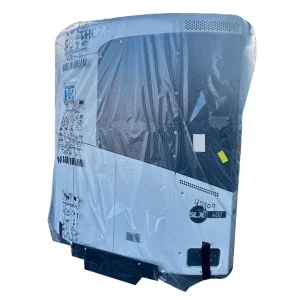
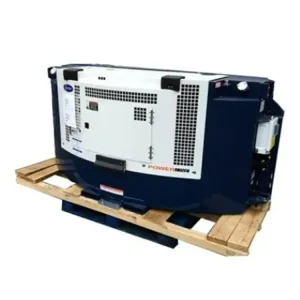
The contemporary cold chain demands self-sufficiency. Combined containers today integrate onboard gen-sets, solar PV panel arrays, and lithium battery storage (BESS) directly alongside high-efficiency Thermo King or Carrier chillers. This hybrid model protects cold assets during rail transshipment, off-grid storage, or remote mining deployment.
By integrating micro-sensors throughout the corten steel frame and polyurethane insulating cores, modern combination containers deliver real-time data packets via satellite and 5G: internal ambient pressure, relative humidity, door opening triggers, core cargo temperature variances, and vibrational shock telemetry across intermodal lanes.
Combined container fabrication relies on atmospheric corrosion-resistant SPA-H corten steel treated with high-solid zinc-rich epoxy primers and aliphatic polyurethane coatings. Combined with vacuum-insulated panels (VIP) or high-density cyclopentane-blown rigid polyurethane foam, these units maintain an exceptional heat transfer coefficient (K-value ≤ 0.38 W/m²K), drastically cutting unit refrigeration compressor power demand.
A comparative evaluation matrix assisting enterprise buyers, fleet managers, and mining project engineers in selecting the optimal containerized asset class.
| Combined Container Category | Core Structural Specification | Thermal & Power Architecture | Target Regulatory Compliance | Ideal Industrial Application |
|---|---|---|---|---|
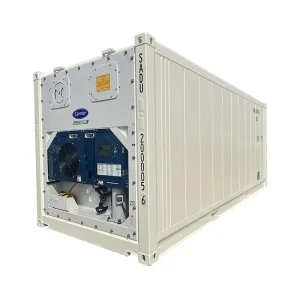
| Dual-Zone Smart Reefer Complex | Multi-cell Corten SPA-H with adjustable insulated internal bulkhead doors | Dual Carrier/Thermo King compressors + automatic electric standby | ISO 1496-2, CSC Safety Approval, TIR, ATP Certificate | Pharma distribution, hanging meat freight, cross-climate intermodal transit |
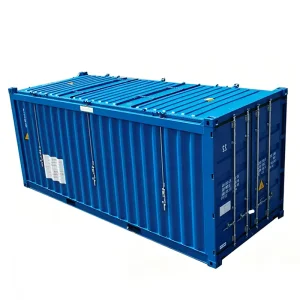
| Offshore Rig-Ready Module | Heavy-gauge hollow structural section (HSS) with 4-point pad eye lifting assembly | Corrosion-proof passive ventilation or explosion-proof HVAC unit (ATEX Zone 1/2) | DNV 2.7-1 / EN 12079, Lloyd's Register, BV Offshore Rules | Subsea silt baskets, offshore drill platform gear shelters, subsea tools storage |
| Modular Habitation & Office Pod | Light-gauge cold-formed steel chassis + PU/PIR acoustic sandwich panels | Integrated hidden conduit, split inverter heat pump, low-voltage LED network | CE Certification, UL 94 Flame Retardant, AS/NZS Structural Codes | Mining base camps, disaster response hospitals, prefabricated luxury cabins |
| Power-Gen Intermodal Platform | Reinforced 20ft/40ft base chassis with anti-vibration damping isolators | High-output Tier 4 diesel generator + integrated 800L double-wall fuel tank | ISO 668, ISO 1161, EPA/EU Stage V emissions compliance | Remote cold-chain depot power, rail reefer consist power supply, disaster grids |
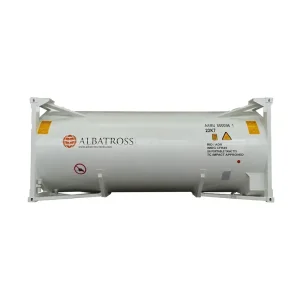
| Specialized Bulk & Liquid ISO Tank | 316L / 304 stainless steel pressure vessel cradled in welded ISO frame | External steam/glycol heating channels + rockwool thermal insulation blanket | ASME Section VIII, IMDG Code, ADR/RID, CSC, USDOT Approval | Hazardous chemicals, bulk industrial gas, food-grade liquid transport |
From robotic continuous seam welding to automated environmental testing chambers, discover how CIMIC Tianjin ensures unmatched reliability and rapid delivery cycles.
Our Tianjin & Suzhou manufacturing bases utilize robotic 6-axis welding gantries. This guarantees penetration depth, eliminates microscopic slag voids, and holds structural tolerance margins within ±1.5mm across the entire 40ft container diagonal, exceeding ISO standard limits.
Every batch of raw corten coil undergoes spectrometer chemical assays before uncoiling. Completed containers pass automated high-pressure hydraulic water-tightness tunnels (water spray rate ≥ 100 kPa), door gasket vacuum leak checks, and certified NDT weld radiography before receiving official BV shipping plates.
Located ~100 km from the international maritime deepwater terminals of Tianjin and near Shanghai port channels, finished units transition seamlessly from production yard to container vessel. This geographic positioning cuts drayage expense, protects schedules, and permits expedited project dispatches.
Real-world operational implementations highlighting structural resilience, thermodynamic efficiency, and intermodal versatility across five continents.
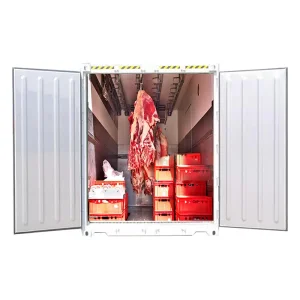
Transporting fresh hanging carcass meat across vast rail and road corridors requires hygienic stainless-steel interior walls, heavy-duty ceiling-mounted suspension rail systems (engineered to support ≥ 1,200 kg/m dynamic load), and micro-step defrost controllers preventing product dehydration.
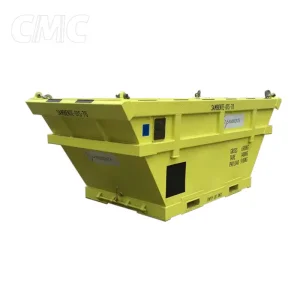
Offshore exploration rigs in harsh marine basins rely on DNV 2.7-1 certified silt basket and tool containers with sacrificial zinc anodes, specialized sling shackles tested down to -40°C, and perforated water-draining grates preventing hazardous heavy sludge retention during stormy lifts.
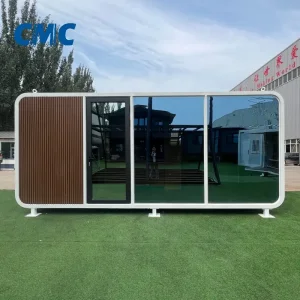
For large-scale infrastructure corridors and clean energy installations, flat-pack combined accommodation modules interlock horizontally and vertically up to 3 floors. Incorporating sound insulation, fire-rated sandwich wall cores, and pre-wired utility raceways drastically shortens project delivery schedules.
In regions with fluctuating electrical utility grids, solar-assisted reefer combined shelters feature integrated DC inverters, hybrid generators, and thick insulation cores. They maintain a continuous +2°C to +8°C cold-room profile for biopharmaceuticals and temperature-sensitive biological goods.
Handling petrochemical liquids, fertilizers, and liquified gases across rail, barge, and containerships demands ISO tank containers equipped with high-integrity pressure relief valves, burst discs, and baffles that suppress liquid surge during emergency truck braking maneuvers.
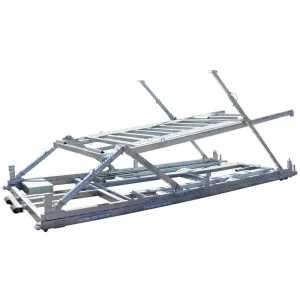
Maximizing cube efficiency in standard 40ft High Cube containers, specialized collapsible vehicle transport racks allow three passenger sedans or dual SUVs to be securely loaded inside a single container without tire scuffing or frame distortion during transit.
Detailed engineering answers from our chief container naval architects and manufacturing team.
A combined container is engineered as an adaptable, multi-functional system rather than a single-purpose empty shell. Depending on customer requirements, combined units incorporate modular mechanical connection nodes for multi-box clusters, customized internal partitioning (such as dual-temperature reefer zones), integrated power generation sets (gensets), solar panels with battery energy storage systems (BESS), or structural modifications like open-side doors, reinforced floors, and hanging meat rails. They provide turnkey functionality for specialized intermodal freight or on-site industrial applications.
We use high-grade SPA-H Corten steel known for its self-passivating protective rust layer. The steel undergoes automated grit blasting to SA 2.5 standard, followed by an industrial-grade three-coat paint system: a zinc-rich epoxy primer (minimum 30μm), an epoxy intermediate barrier coat (40μm), and an aliphatic polyurethane topcoat (minimum 40μm). Total Dry Film Thickness (DFT) averages 120–180μm, resisting salt spray testing up to 1,500 hours according to ISO 12944 C5-M specifications.
Yes. We install Tier-1 original refrigeration machinery from global manufacturers including Thermo King (Magnum Plus), Carrier Transicold (ThinLINE / PrimeLINE), and Daikin. These units feature universal diagnostic interfaces, standardized electronic controllers, and global manufacturer warranty programs with certified service centers in over 120 maritime port countries.
All containers undergo rigorous testing in accordance with ISO 1496-1 and the International Convention for Safe Containers (CSC): 9-high corner post stacking tests (exceeding 86,400 kg per post), floor transverse bending tests (utilizing axle test carts up to 7,260 kg), transverse racking tests (150 kN), side and end wall strength checks, and hydraulic water tightness spraying under 100 kPa nozzle pressure.
The process begins with an in-depth requirement review (determining target payload, dimensional bounds, dynamic lifting requirements, thermal insulation, and environmental factors). Our engineering team generates 2D CAD fabrication drawings and 3D SolidWorks FEA models for customer review. Following formal engineering sign-off, a pilot prototype is produced and verified against classification society requirements (such as BV, ABS, or DNV). Upon successful testing, the serial production run commences under ISO 9001 certified quality control gates.
Complete portfolio of intermodal equipment engineered for heavy bulk materials, liquid logistics, modular power, and industrial-scale cold preservation.