1 / 2
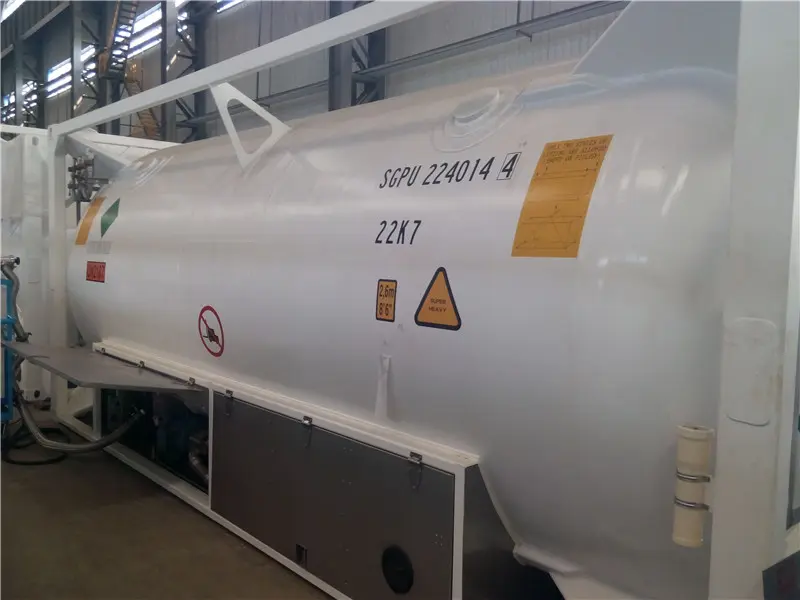
An indispensable protection device calibrated to gas properties and design pressure, automatically releasing pressure to eliminate explosion hazards.
Instantly isolates gas supply channels in case of vehicular collision or containment breaches, preventing catastrophic leakage.
Delivers continuous operational visibility, enabling personnel to monitor internal gas pressure fluctuations and maintain safety thresholds.
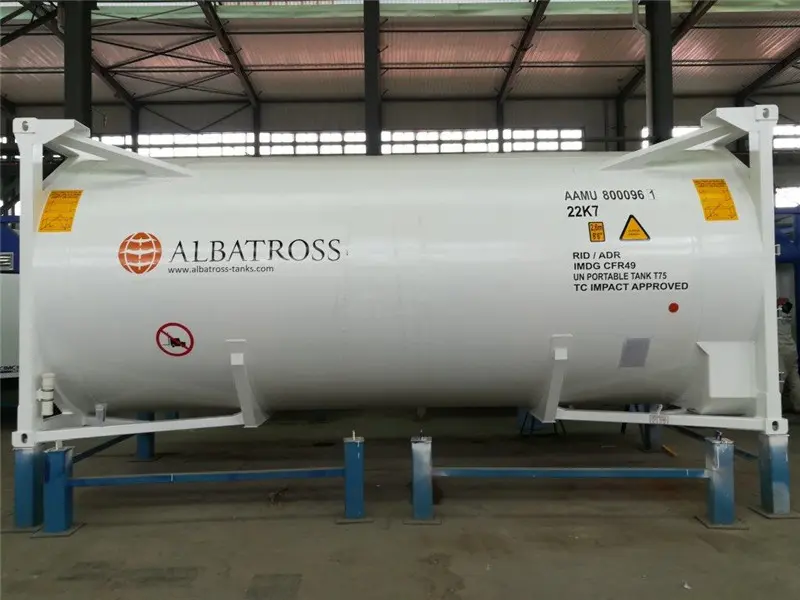
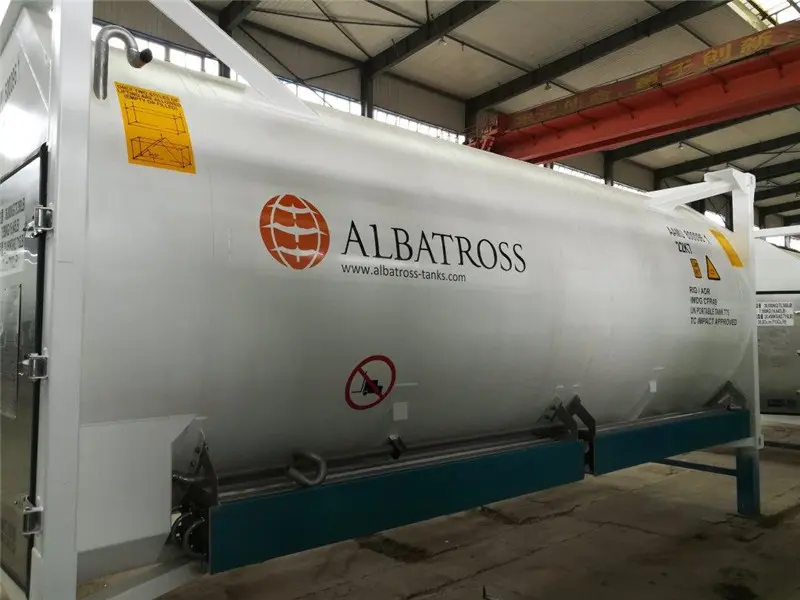
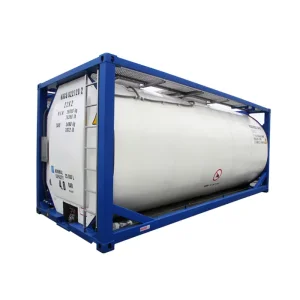
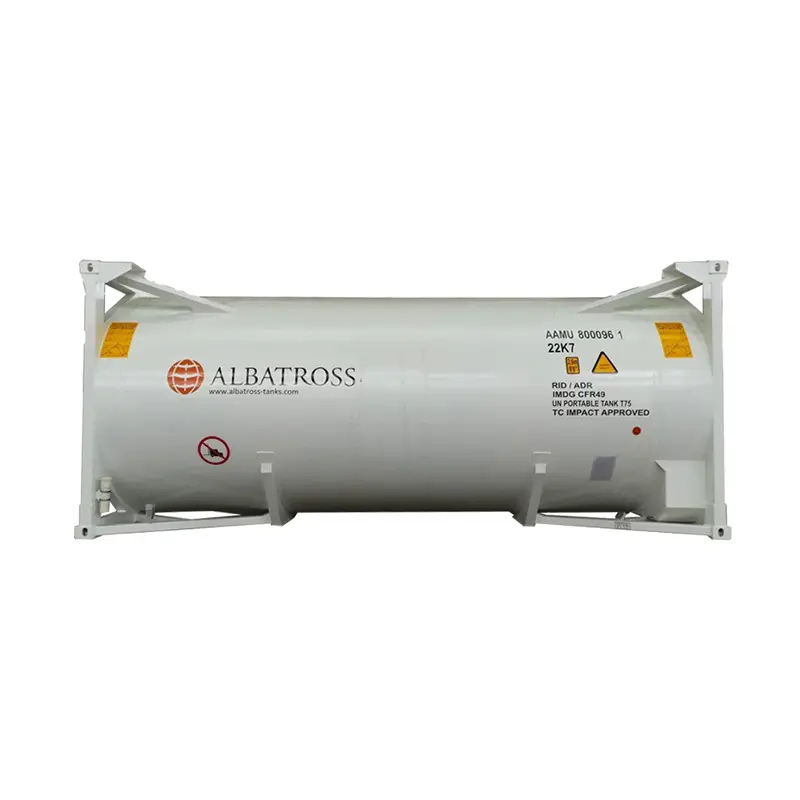
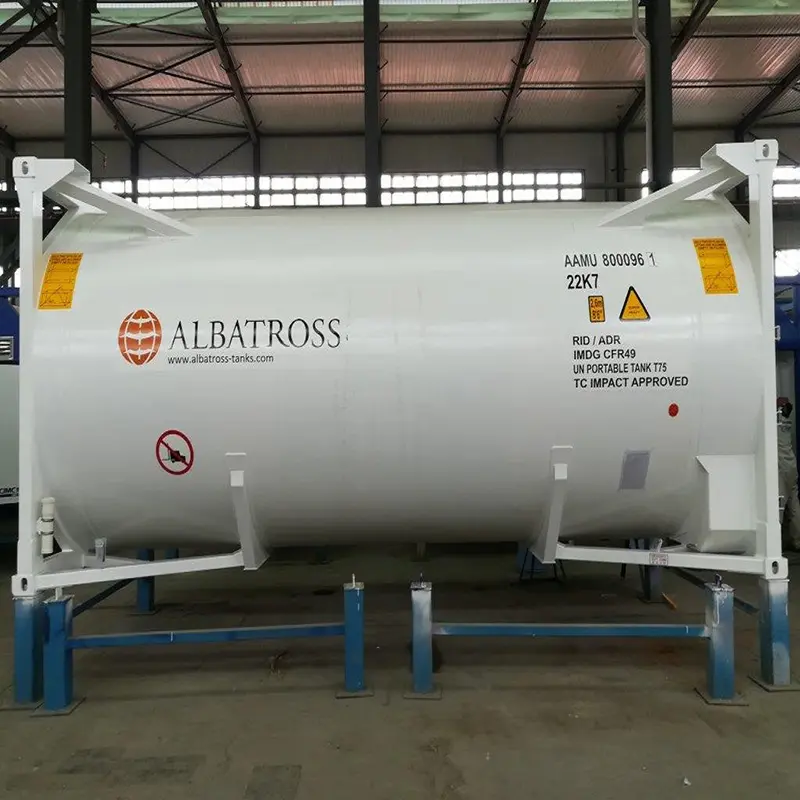
| External Dimension (mm) | 6058 × 2438 × 2591 mm |
| Water Capacity | 25,000 L |
| Maximum Gross Weight | 34,000 kg (74,960 lbs) |
The operational service life of a gas tank container is typically engineered for 20 to 30 years. Achieving this longevity depends on compliance with periodic statutory inspections, appropriate gas handling, and comprehensive maintenance routines.
Selection relies on cargo classification, volume requirements, and environmental conditions. Flammability, toxicity, and state (liquefied vs. compressed) dictate the design pressure, steel grades, thermal insulation, and temperature containment parameters needed.
Gas tank containers adhere to stringent global safety regulations, including ISO standards, ASME, and IMDG codes. Heavy-duty structural frameworks and monitored quality management ensure high resistance against impacts and severe marine/rail conditions.
Key safety equipment includes spring-loaded automatic pressure relief valves, an emergency remote/manual shut-off mechanism to counter pipe breaches, and precision analog or digital pressure gauges for real-time interior monitoring.
Wall thickness is calculated based on maximum allowable working pressure (MAWP) and the specific chemical characteristics of the gas. Standard high-pressure vessels generally range from 10 mm to 20 mm and undergo comprehensive non-destructive weld testing.
Yes, they are standardized to fit ISO container footprints (such as 20ft units), allowing seamless transition across flatbed trucks, container trains, and cargo ships without needing to transload the gas product itself.