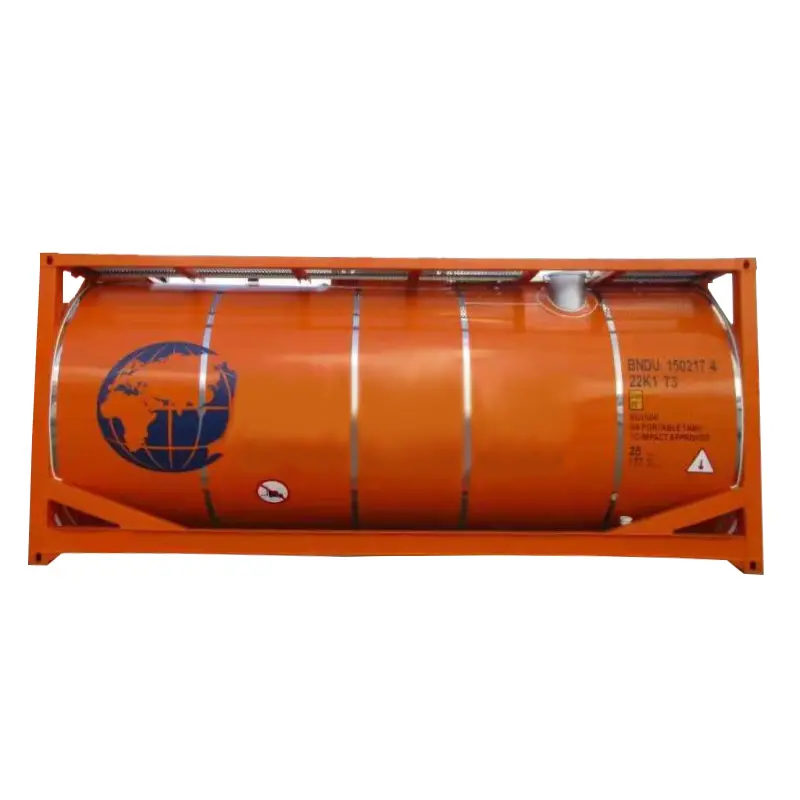
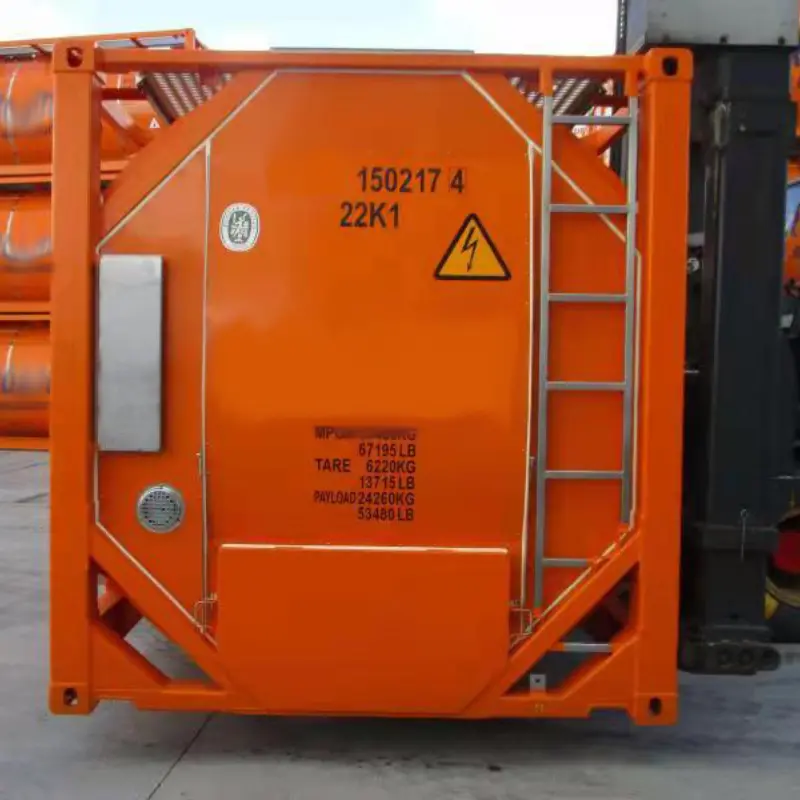
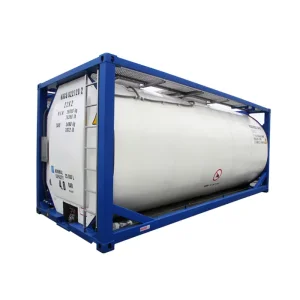
ODM 20 Foot ISO Liquid Tank Container for Water Products, Manufacturers

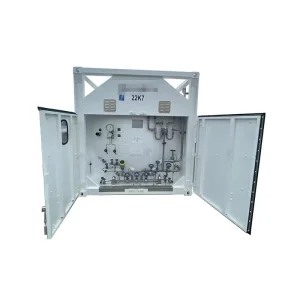
There are many types of tank containers. Different models can carry different liquids and have slightly different tank designs. There are two ways to load and unload tank containers: top loading and top unloading, and top loading and bottom unloading.

Product Description

Product Introduction

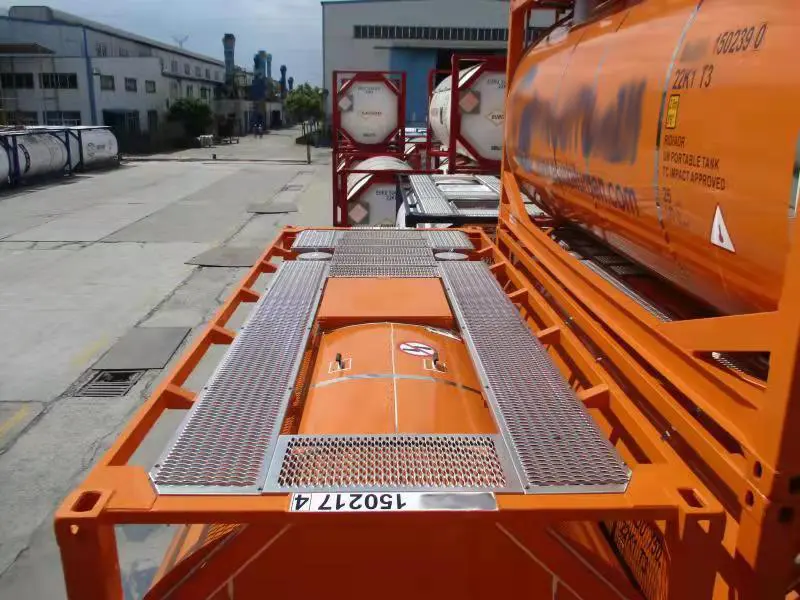
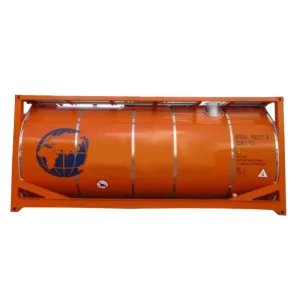
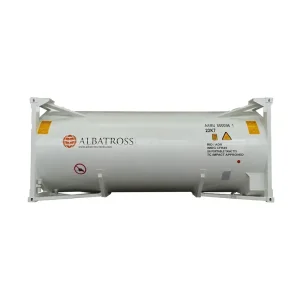
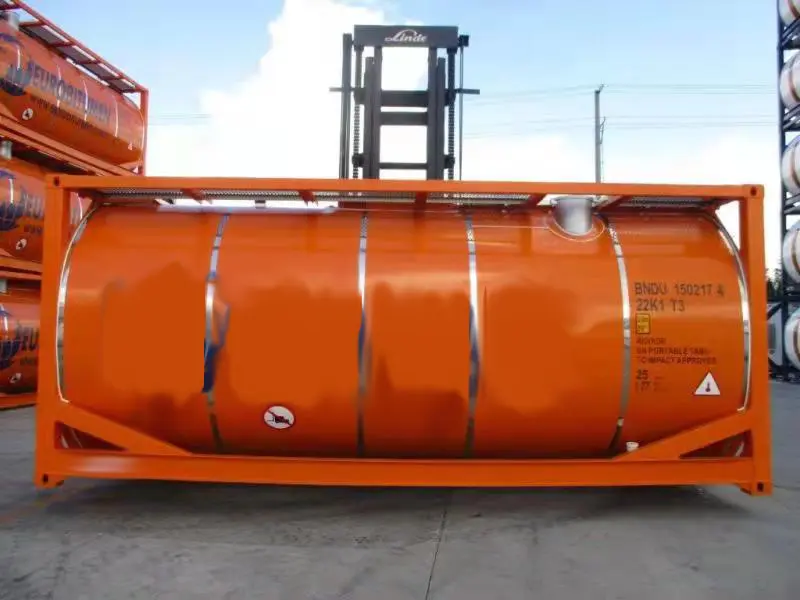
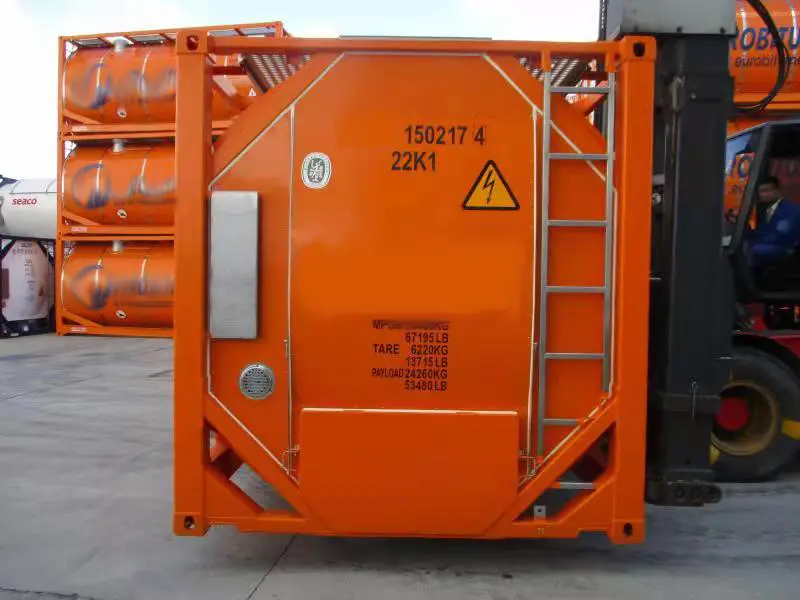
A tank container is a specialized unit used to transport liquids, gases, or flowable goods (such as pastes and granules). It combines the storage functionality of a pressure tank with standard container mobility, making it widely applied across international intermodal logistics. The core tank is mounted within a robust structural frame, which provides essential mechanical protection and ensures seamless multi-modal handling.
Product Specifications

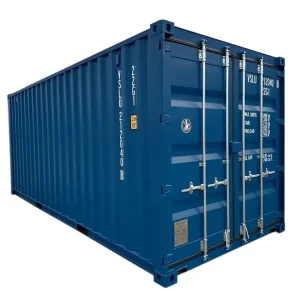
External Dimension (MM) 6058 * 2438 * 2591
Tare Mass 3450 kg (±3%)
Maximum Gross Weight 36000 kg

Key Advantages

● Safe and Reliable

The structural body is constructed from high-strength steel or dedicated alloy formulations designed to endure heavy pressure and operational impacts. This ensures maximum containment integrity during long-distance multimodal transport.

When transporting pressurized liquefied gases, the vessel is engineered to reliably sustain internal pressures reaching several megapascals, offering ultimate security and leak prevention.

● Economic and Environmental Protection

From a financial perspective, high-capacity tank loading significantly reduces the per-unit freight rate. Its multi-trip lifecycle eliminates single-use drum procurement, cutting overall supply chain packaging overhead in the chemical and transport sectors.

Environmentally, the reusable architecture avoids large volumes of industrial packaging waste, including discarded metal and plastic barrels, directly supporting green logistics and sustainable transport standards.
Frequently Asked Questions

Q1 How to choose the right tank container?
Selection depends on cargo properties (liquid, gas, paste, or granule), density, working pressure, operating temperature, and corrosive attributes (pH level). Contact our engineering support with your cargo specifications to determine suitable materials and valving systems.
Q2 What are the standard sizes of tank containers?
Common international frame sizes include 10ft, 20ft, and 40ft models. The 20ft configuration (6058 mm length) represents the global intermodal standard for bulk liquid and chemical haulage.
Q3 What products can be hauled in these tank containers?
They accommodate liquid chemicals, hazardous substances, petroleum, potable liquids, food-grade ingredients, high-pressure gases, and free-flowing pastes or granular compounds.
Q4 What structural benefits does the external framework provide?
The outer structural frame meets standard intermodal dimensions, protecting the central vessel against collision forces and enabling direct lifting, stacking, and transfer via standard container chassis, railcars, and container ships.
Q5 How does utilizing tank containers lower overall logistics costs?
Large-volume consolidation delivers high bulk payload efficiency per shipment. The reusable vessel eliminates continuous packaging disposal and recurring purchases of single-trip barrels or intermediate bulk containers (IBCs).
Q6 How does the tank safely withstand high internal pressure?
Tanks dedicated to volatile liquids or compressed gases are fabricated from certified high-strength steel alloys engineered to safely sustain internal service pressures of multiple megapascals without deformation or leakage.

Related Products