1 / 3
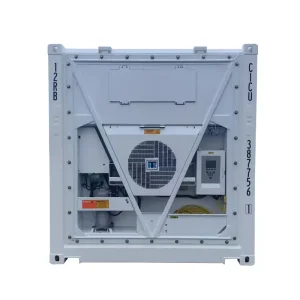
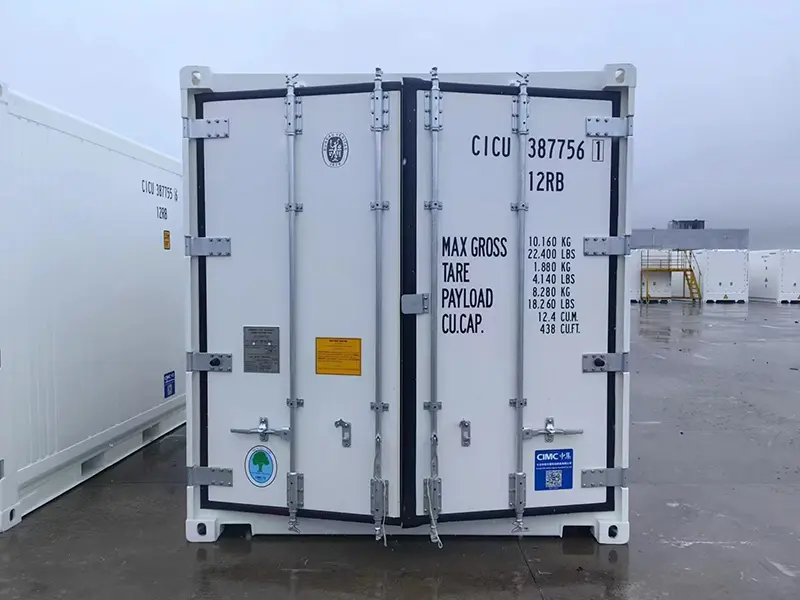
Precise temperature control: During offshore transportation, the temperature inside the box can be accurately controlled to meet the refrigeration needs of different goods. For example, for fresh fish transportation, the temperature can be controlled at 0-4℃, which can extend the shelf life of the fish and maintain its freshness and quality.
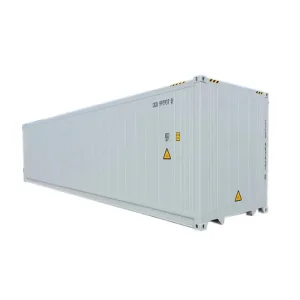
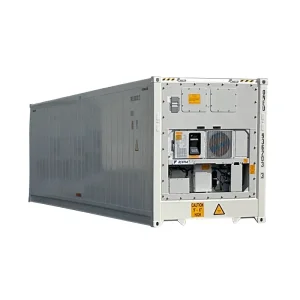
Flexible and convenient: Offshore cold boxes can be easily used on various offshore transport tools, such as small cargo ships, barges, etc. Its size generally meets the specifications of international standard containers, which is convenient for loading and unloading and transportation. And it can be flexibly combined according to actual needs, such as loading multiple cold boxes on a small offshore transport ship to transport different types of refrigerated goods.
Reduce cargo losses: Due to the provision of a stable refrigerated environment, the deterioration and damage of goods caused by temperature changes during offshore transportation are greatly reduced. This is especially important for high-value refrigerated goods, such as imported high-end fruits or medicines, which can effectively reduce economic losses.
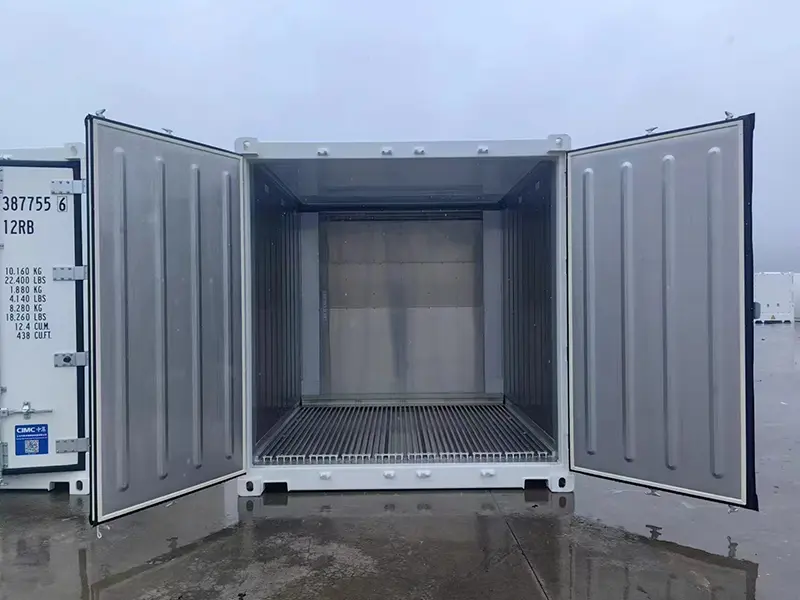
| External Dimension (MM) | 6058 * 2438 * 2591 |
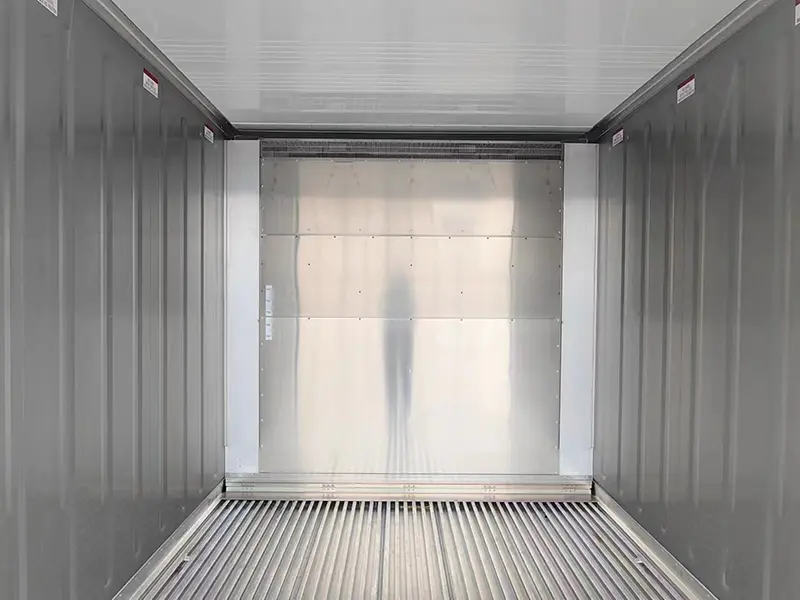
| Internal Dimension (MM) | 5456 * 2280 * 2273 |
| Door Opening (Width) | 2290 mm |
| Door Opening (Height) | 2264 mm (Maximum cargo height: 2221 mm) |
| Volume | 28.3 m³ |
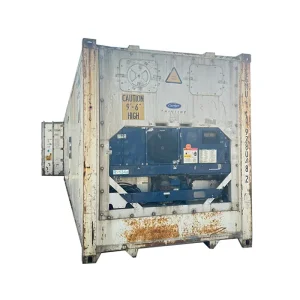
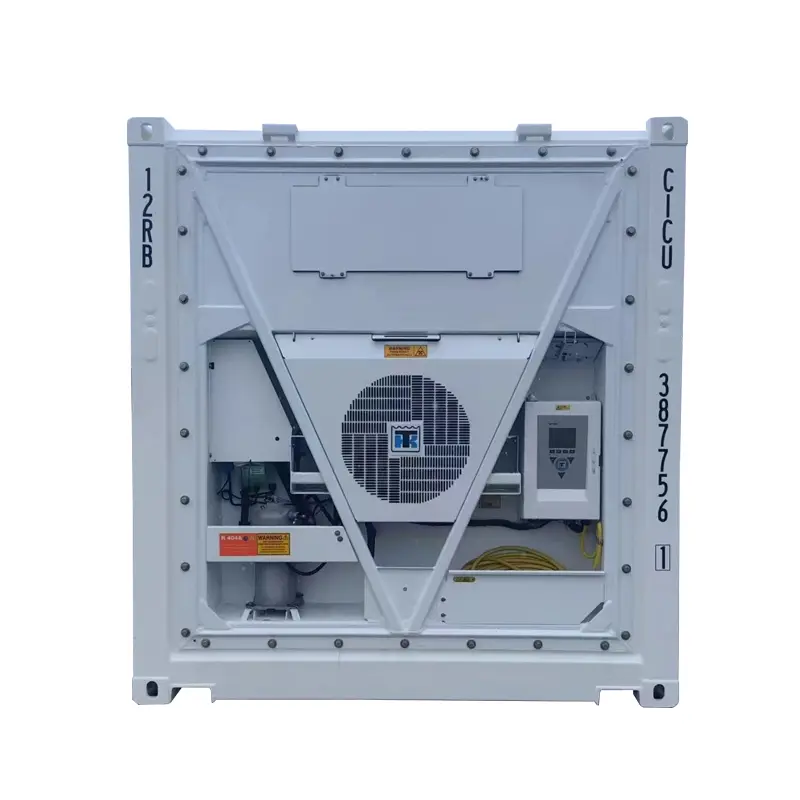
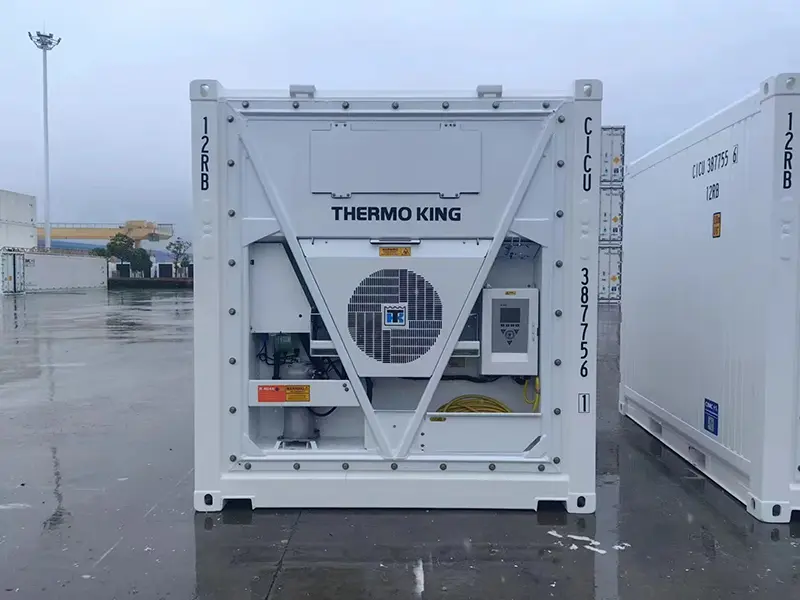
Offshore refrigerated containers are equipped with efficient refrigeration systems that accurately maintain interior temperatures within specified ranges. During short sea transits, operational risks are lower, and units can be returned swiftly to port if repairs are required, ensuring stable protection for cargo.
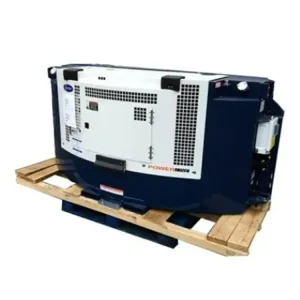
Due to shorter transit routes, these units require less operating energy compared to standard deep-sea reefer containers. They do not require excess refrigerant reserves or auxiliary power arrangements, reducing refrigerant replenishment and overall energy expenditure.
Standard international container dimensions provide seamless compatibility with standard handling machinery, lifting equipment, port facilities, and short-sea vessels for hassle-free operations.
Shorter run times directly translate to lower power demand and reduced environmental impact. Furthermore, units are compatible with eco-friendly refrigerants meeting modern sustainability standards.