Direct availability from Tianjin and regional supply hubs. Certified for cross-continental intermodal maritime, offshore, and localized ground deployment.
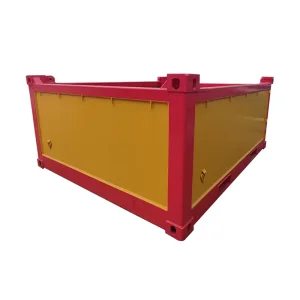
Famous New Offshore Basket Container for Offshore Operations Manufacturer, Manufacturers
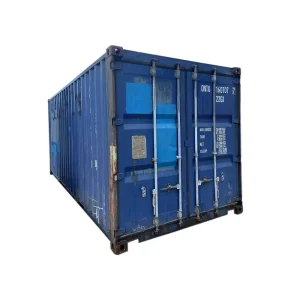
Famous 40ft Used Dry Cargo Shipping Container Exporter, Manufacturers
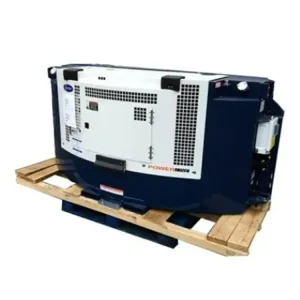
ODM Refrigerated container diesel generator Manufacturer, Factories
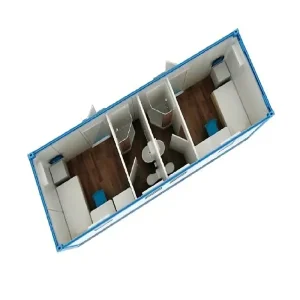
China 20ft 40ft Standard Size Accommodation Modular House Container Exporter, Products
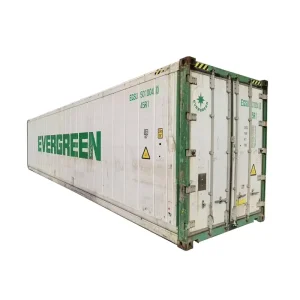
OEM Used 40ft HC Shipping Reefer Container Pricelist, Quotes
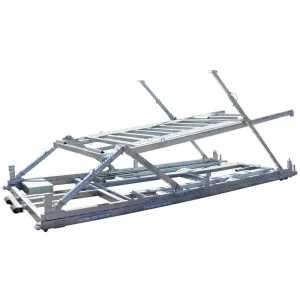
High-Quality vehicle transport rack Manufacturers, Exporters
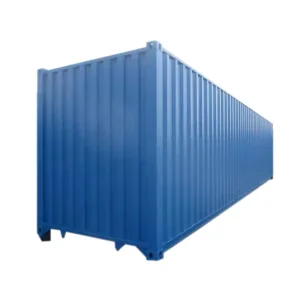
High-Quality 40ft High Cube Certified Dry Cargo Shipping Container contaoner Products, Exporters
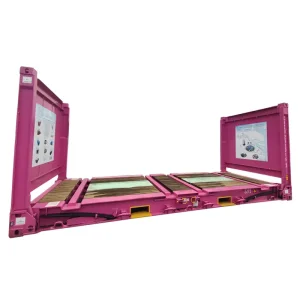
Procuring reefer equipment requires thorough technical evaluation of heat ingress dynamics, structural resilience under wave slap, and mechanical system endurance.
Fabricated using authentic SPA-H atmospheric corrosion-resistant steel. Outer walls are sandblasted to SA 2.5 standards and layered with zinc-rich epoxy primers and polyurethane topcoats engineered to withstand 1,000+ hours of continuous salt spray exposure without molecular degradation.
High-pressure, cyclopentane-blown polyurethane foam insulation injected at an ultra-dense gradient of 42 to 45 kg/m³. This prevents thermal bridge leakage, eliminates air pockets, and keeps thermal degradation below 1.2% over seven years of maritime vibration stress.
Fully compliant with international service standards, integrating certified cooling machinery from Carrier Transicold (ThinLINE, PrimeLINE), Daikin (Zestia), and Thermo King (Magnum Plus). Units feature advanced digital scroll or inverter compressors for maximum thermodynamic efficiency.
| Dimensional / Mechanical Parameters | 20ft ISO Standard Reefer | 40ft High Cube (HC) Marine Reefer | 40ft Controlled Atmosphere (CA) Unit |
|---|---|---|---|
| External Dimensions (L x W x H) | 6,058 x 2,438 x 2,591 mm | 12,192 x 2,438 x 2,896 mm | 12,192 x 2,438 x 2,896 mm |
| Internal Usable Capacity | 28.3 m³ (1,000 cu.ft) | 67.5 m³ (2,385 cu.ft) | 67.0 m³ (2,366 cu.ft) |
| Tare Weight / Max Gross | 3,080 kg / 30,480 kg | 4,480 kg / 34,000 kg | 4,720 kg / 34,000 kg |
| Refrigerant Specification | R-134a / R-513A Retrofit-Ready | R-134a / R-452A High Efficiency | R-134a Eco-Engineered Blend |
| Thermal Core Insulation | 75mm Polyurethane Rigid Foam | 70mm (Sides) / 85mm (Ceiling/Floor) | High-Density Vacuum Core Composite |
| T-Bar Floor Air Delivery Rate | 3,400 m³/hr Static Discharge | 5,800 m³/hr Continuous Cross-Flow | 6,100 m³/hr Dynamic Balancing Flow |
Understanding why global logistics conglomerates, military engineering branches, and massive food producers concentrate manufacturing contracts within specialized Chinese coastal production hubs.
Close proximity to core Chinese metallurgy hubs in Hebei and Jiangsu allows immediate access to premium corten coil stock, certified SUS304 panels, and specialized aluminum extrusions without sea freight markups or raw material bottlenecks.
Automated robotic welding suites, unified shot-blasting halls, and high-pressure automated foam-pouring rigs drop capital expenditure hurdles per unit by roughly 22% to 35% compared to European or North American dockside workshops.
Situated around the industrial rim of Tianjin Port and the Yangtze River Delta, finished units move directly onto line-haul container vessels within 48 hours of quality sign-off, minimizing demurrage, drayage fees, and secondary transit costs.
Every newly cast and retrofitted reefer undergoes a 4-hour active Pre-Trip Inspection (PTI) with computer monitoring. Systems run down to -25°C under external load to verify pressure safety margins, compressor amperage, and thermal stability before release.
Reefer container deployment demands strict adherence to dynamic civil regulations, marine classifications, and regional operating parameters across differing continents.
Every unit comes backed by a verified Bureau Veritas (BV) Safety Approval Certificate for ISO 1496-2 intermodal compliance. Offshore builds meet DNV 2.7-1 / EN 12079 specifications, featuring certified padeyes, drop-tested structural frames, and dedicated sling sets for dynamic offshore lifting.
For European fresh food and international biological shipping, models adhere to the Agreement on the International Carriage of Perishable Foodstuffs (ATP), carrying FRC certifications alongside strict adherence to WHO Good Distribution Practices (GDP) for cold-chain pharmaceutical cargo.
Cross-border deployment demands quick, reliable power compatibility. CIMIC integrates dual-circuit transformers supporting 380V/440V 3-phase 50/60Hz, step-down packages for 220V 3-phase setups, and custom fuel-efficient clip-on gensets for long inland road and rail journeys.
Today's procurement directors focus on total life-cycle cost rather than base equipment price alone. When evaluating tenders, enterprises typically weigh their investments across three key priorities:
From high-value logistics corridors to stationary micro-warehousing, modern reefer boxes are transforming beyond simple maritime shipping containers.
Equipped with ultra-low blast-freezer capabilities capable of reaching -60°C. These systems preserve the cellular integrity of premium sashimi tuna and high-grade seafood, stopping enzymatic breakdown without industrial land-based blast freezers.
Precision-controlled nitrogen purge valves, ethylene scrubbing systems, and dynamic O2/CO2 monitoring slow product respiration. This significantly extends the shelf life of bananas, avocados, and fresh berries during 30+ day ocean transits.
Plug-and-play modular cold storage configurations fitted with internal emergency door releases, anti-slip butcher-grade aluminum floors, LED vapor lighting, and access-controlled personnel doors tailored for farm-gate harvest cooling and retail centers.
Accelerating the adoption of R-744 (Carbon Dioxide CO2) natural refrigeration systems. With a Global Warming Potential (GWP) of 1, these designs bypass F-Gas quota penalties and future regulatory bans while improving thermal performance in lower ambient regions.
Smart sensory nodes monitor refrigeration compressor vibration signatures and thermal delta drops in real time. Machine learning algorithms spot failing expansion valves or bearing wear 7 to 10 days before an unexpected failure happens mid-ocean.
Testing high-performance silica aerogel and vacuum insulation composite panels (VIP). These materials reduce side-wall thickness by 35% without losing thermal resistance, opening up extra internal cube storage for bulky pallet configurations.
Real-world insights directly from our engineering desks covering procurement nuances, unit lifespan maintenance, and international compliance certification.
New units feature brand-new SPA-H corten frameworks, zero-hour machinery packages carrying a 3-5 year OEM warranty, pristine food-grade stainless interior walls, and virgin high-density polyurethane insulation without moisture ingress. Factory-refurbished reefers utilize inspected structural shells fitted with reconditioned cooling units that pass active 4-hour PTI testing. Refurbished units provide a budget-friendly option for temporary storage and regional ground operations.
Temperature consistency is maintained through a balanced combination of dense cyclopentane-blown polyurethane insulation walls, air-tight multi-ridge EPDM door gaskets, and bottom-air delivery T-bar flooring. For overland road and rail legs, units are paired with clip-on diesel generator sets (gensets). These connect directly to the container frame, supplying continuous 460V power whenever line power drops.
Yes. Beyond standard marine layouts, we regularly engineer units with customized side-access doors, heavy-duty insulated roll-up access, multi-room dual-temperature zones, explosion-proof ATEX-certified electronics for offshore oil platforms, and modular walk-in butchery cold rooms with internal safety escape latches and PVC strip curtains.
Every shipment includes a full certification dossier: a Bureau Veritas (BV) or ABS classification certificate, the official CSC Safety Plate detailing payload and stack ratings, factory pre-trip test logs, ISO 9001/14001 quality certificates, electrical schematic diagrams, and comprehensive parts catalogs covering the installed cooling brand.
Explore our full range of heavy equipment platforms, side-access specialty reefers, dangerous goods containers, and field transport accessories.
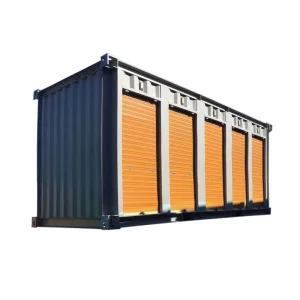
China New 20ft Storage Roll-Up Door Dry Cargo Container Pricelist, Product
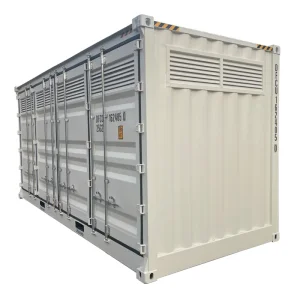
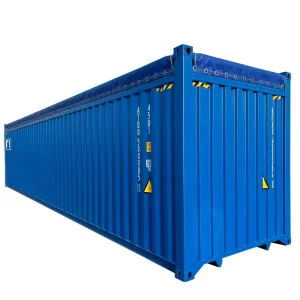
OEM 40ft High-Cube New Soft Open Top Shipping Container with Tarpaulin Cover Product, Exporters
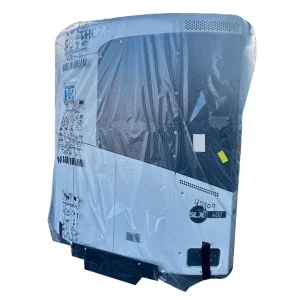
High-Quality TK SLXI Mobile power generation trailer cooling unit Exporter, Product
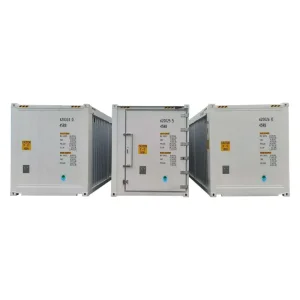
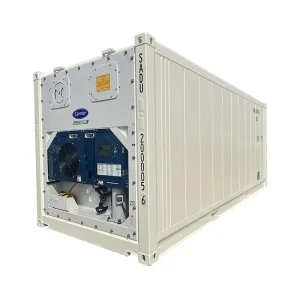
Famous New 40ft High Cube Carrier Refrigerator Freezer Cold Room Factory, Exporters
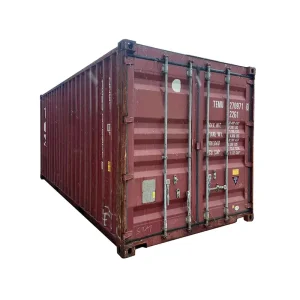
OEM 20ft Used Shipping or Storage Container Pricelist, Quotes
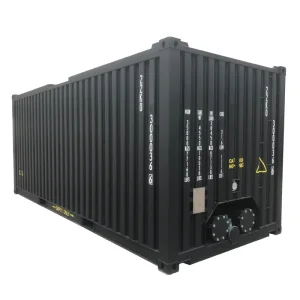
ODM 20 Feet Heated Shipping Asphalt Container Product, Manufacturers
