1 / 3
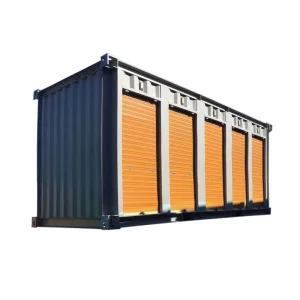
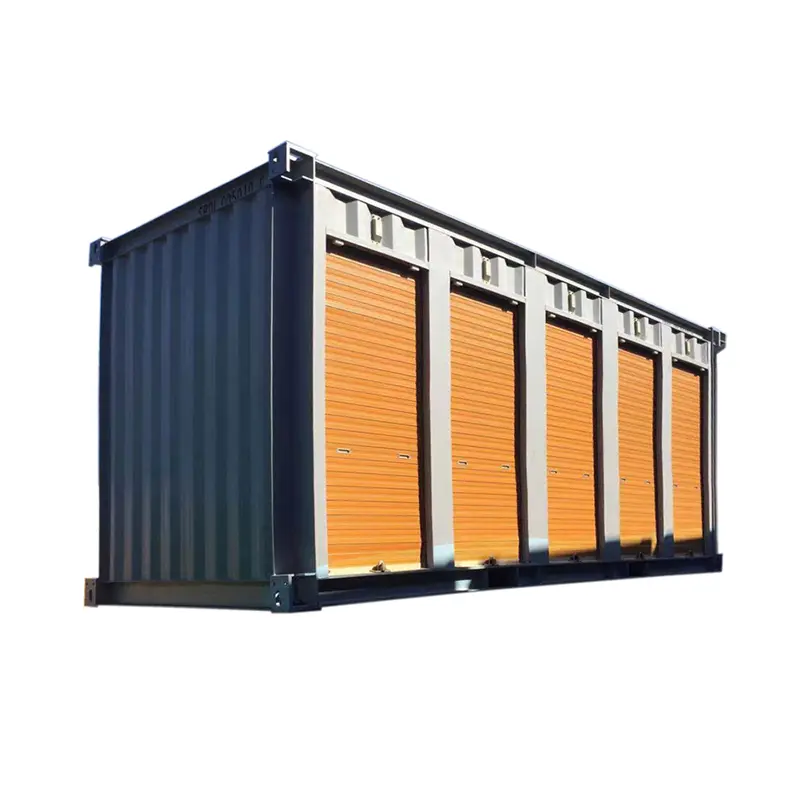
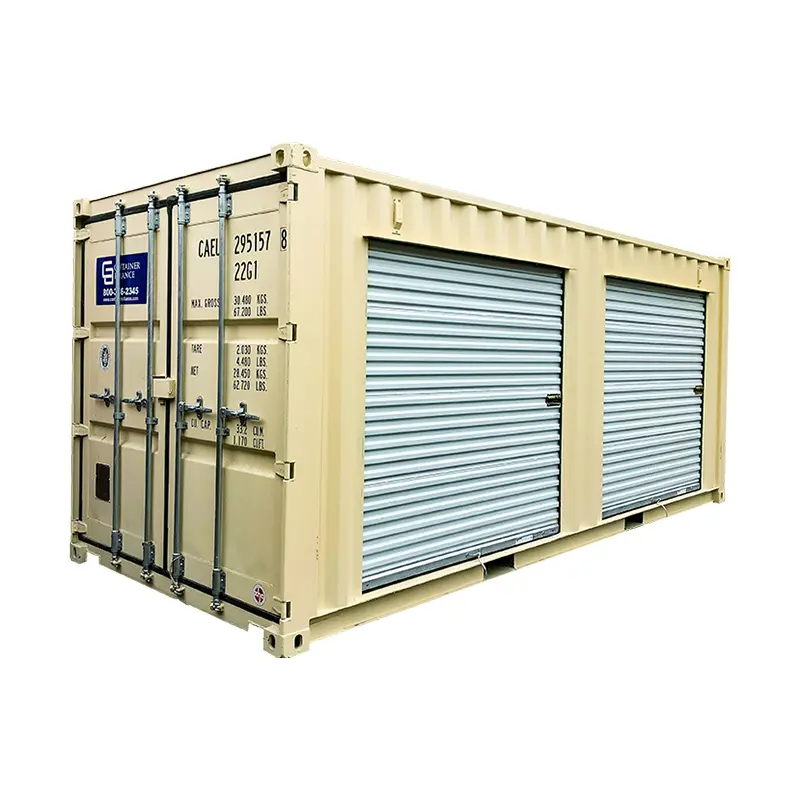
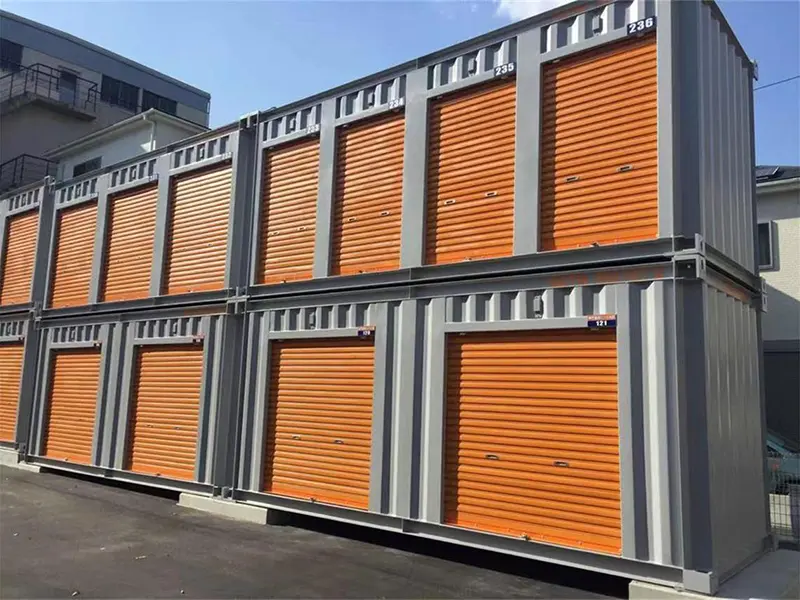
Roll-up containers, also commonly known as rolling door containers, are a specialized type of intermodal container offering distinctive design innovations and practical functionality.
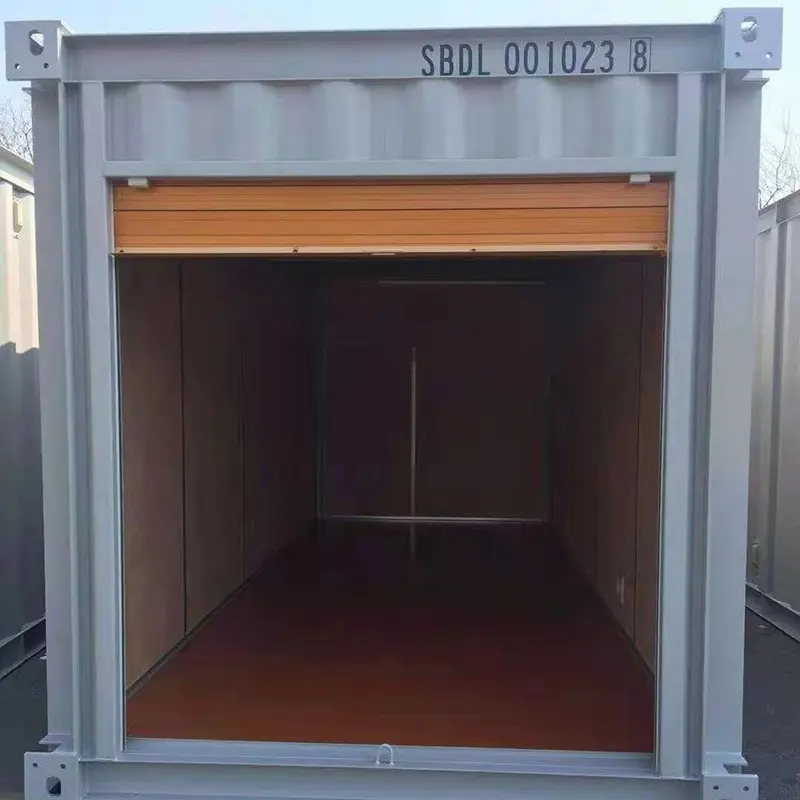
Their most notable feature is the integration of heavy-duty rolling shutter doors in place of conventional hinged doors. Compared with traditional swinging doors, rolling shutter doors provide an expansive opening area, significantly optimizing loading and unloading operations. These rolling doors are typically engineered from high-strength aluminum alloy or robust steel materials, supporting both electric and manual lifting mechanisms for fast, streamlined handling. The internal compartment retains standard dry cargo dimensions, providing a regular structural profile ideal for stacking, securing cargo, and installing customized fixtures or racking systems to maximize logistical efficiency.
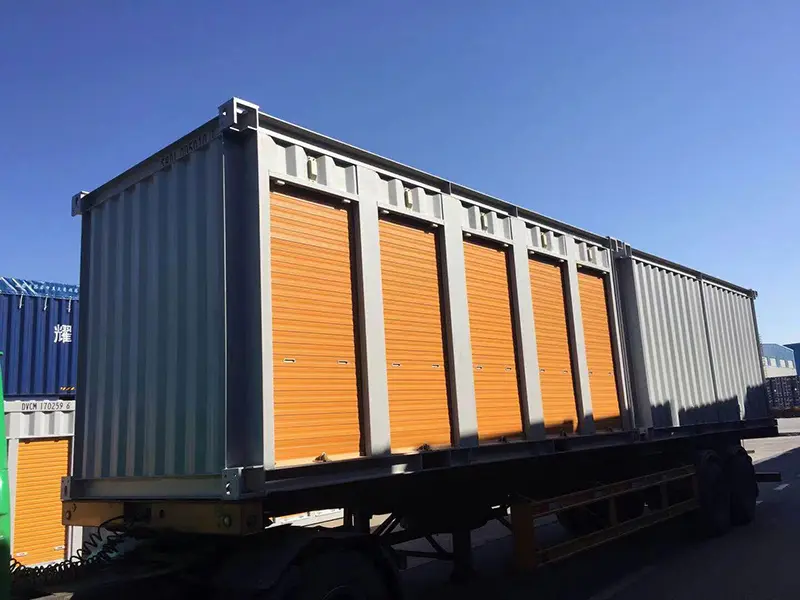
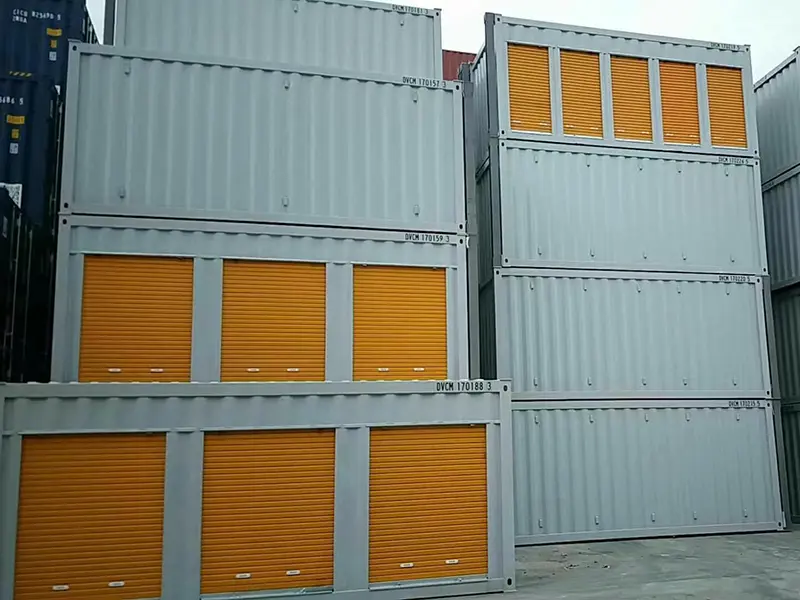
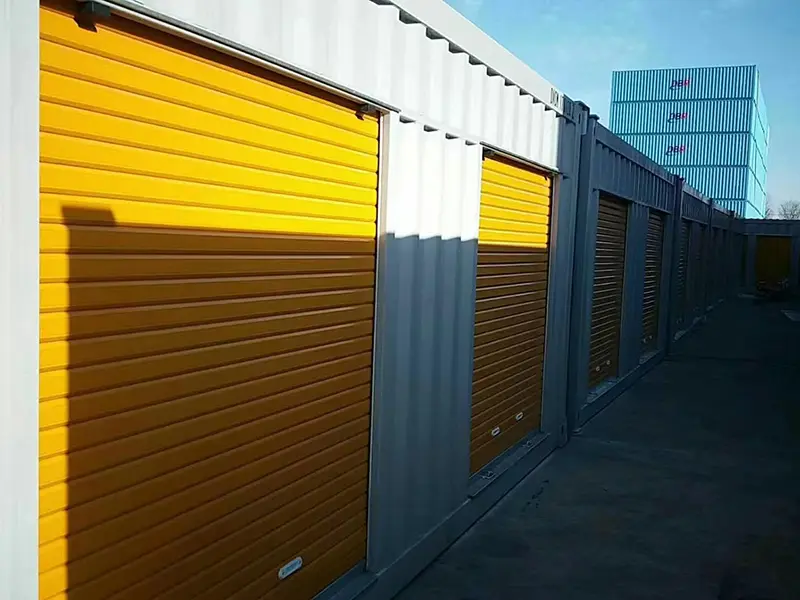
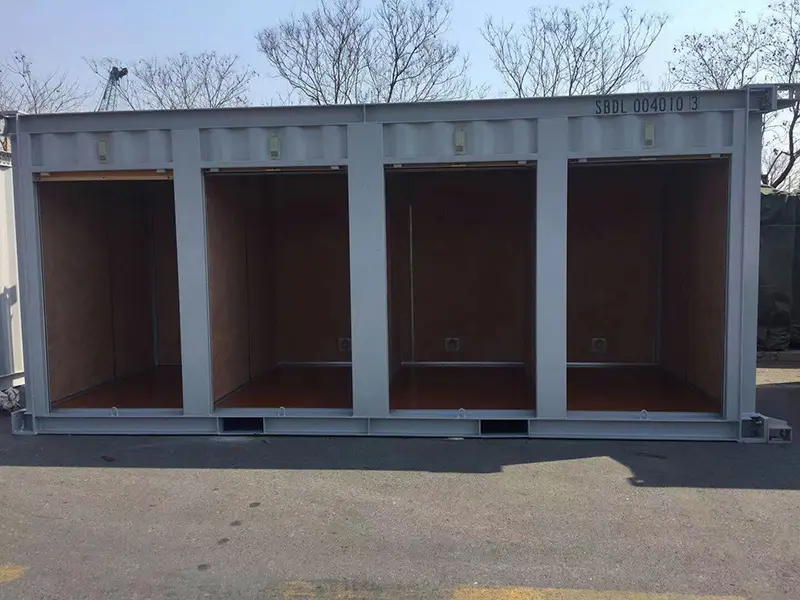
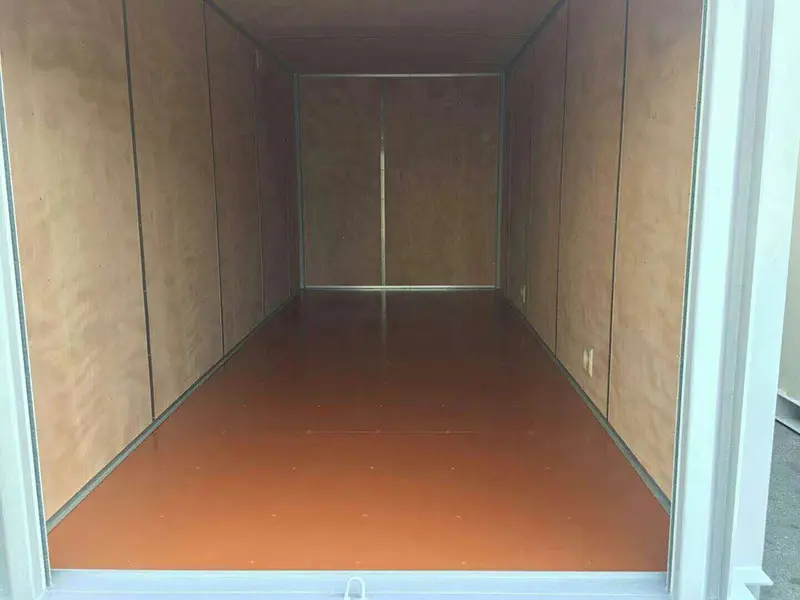
| External Dimension (mm) | 6058 × 2438 × 2591 |
| Internal Dimension (mm) | 5690 × 2132 × 2180 |
| Door Opening (Width) | 1274 mm |
| Door Opening (Height) | 2050 mm |
| Maximum Gross Weight | 12,960 kg |
| Maximum Payload | 1,000 kg |
| Tare Weight (±2%) | 2,960 kg |
Roll-up containers eliminate the need for clearance required by swing-out doors. The vertical rolling action provides immediate access, facilitating faster handling for bulky or irregularly shaped freight and significantly boosting logistics turnover in distribution hubs.
Because the rolling shutters operate entirely within the container profile, operations do not require external clearance. They excel in compact spaces, narrow loading docks, and confined urban transfer stations where traditional containers cannot operate.
The box geometry is fully preserved without intruding door swing mechanisms. Cargo placement can reach maximum boundary utility right up to the door tracks, allowing optimal cargo organization and reducing overall shipping and warehousing expenses.