Choosing an Insulation Container is about more than keeping food or products warm or cold. The right design can reduce temperature changes during storage and transport, but performance depends on the container, its contents, and the surrounding conditions. A vacuum flask, for example, suits drinks and small portions, while a foam cooler may better accommodate groceries or medical supplies. No single type works best for every task.
This guide compares common options, including vacuum-insulated containers, foam coolers, rigid insulated boxes, soft-sided bags, and temperature-controlled shipping containers. It explains how their materials, construction, capacity, portability, and closures affect everyday use. A thick wall can slow heat transfer, yet a loose lid may weaken that advantage. Small details matter.
The article also outlines practical selection checks: expected holding time, ambient temperature, cleaning needs, durability, and the size of the load. For sensitive contents, manufacturer specifications and suitable temperature monitoring matter more than appearance alone. Real-world results can vary, and advertised retention times may rely on specific test conditions. That is worth remembering. By comparing container types and their limits, readers can make a more informed choice for lunch, outdoor trips, delivery, or storage.
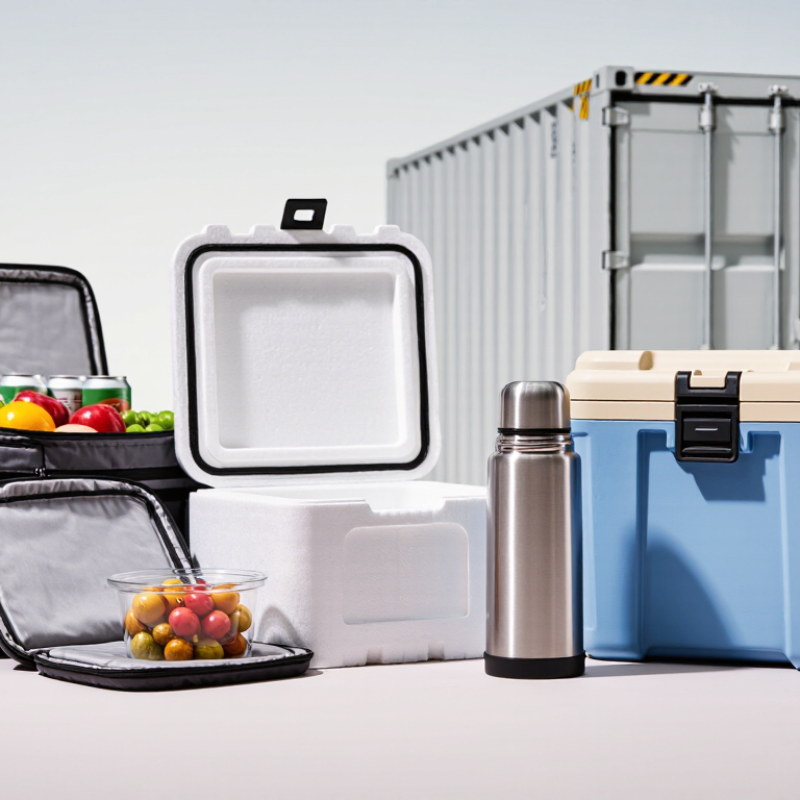
What Are the Top Types of Insulation Containers?
For outdoor trips and bulk storage, insulated coolers are practical containers for keeping food and drinks cooler during transport. Hard-sided models suit larger loads, such as meal trays, drink bottles, or supplies for a team. Their rigid walls protect contents from bumps, while wide openings make packing easier. Soft-sided coolers are lighter and easier to carry, but may offer less protection when stacked or handled roughly.
Capacity is only part of the choice. Check how long items need to stay cool, how often the lid will open, and whether the cooler will sit in direct sun. Pre-chilling the container and using enough cold packs can help maintain a stable interior temperature. Keep raw ingredients sealed and separate from ready-to-eat food. That matters. For bulk storage, leave room for cold air to move around the contents rather than packing everything tightly.
Inspect the lid seal, hinges, handles, and drainage plug before a long outing. A loose seal can undermine even a well-insulated cooler. For repeated use, smooth interior surfaces are easier to clean and dry. One detail is easy to overlook: a full cooler can become heavy quickly, so plan how it will be moved. A larger container is not always better. Check its loaded weight and available storage space before choosing.
| Container Type | Typical Construction | Common Uses | Key Advantages | Considerations |
|---|---|---|---|---|
| Rotomolded Hard Cooler | Thick, rotationally molded plastic walls with an insulated cavity, commonly filled with polyurethane foam. | Camping, fishing, boating, and outdoor food or beverage storage. | Durable shell; suitable for frequent outdoor use; rigid construction helps protect contents. | Heavier and bulkier than soft coolers; performance depends on the lid seal, insulation, and how the cooler is used. |
| Injection-Molded Hard Cooler | Molded plastic inner and outer shells with an insulating layer between them. | Picnics, day trips, sports events, and general household use. | Rigid and easy to clean; available in a wide range of sizes and shapes. | Insulation thickness and construction vary; check the lid fit and stated capacity when comparing models. |
| Soft-Sided Insulated Bag | Flexible fabric exterior with foam or other insulating material and a wipe-clean inner lining. | Lunches, short outings, grocery transport, and situations where portability matters. | Lightweight, foldable, and easy to carry when empty. | Generally offers less impact protection than a hard-sided container; insulation and leak resistance vary by design. |
| EPS Foam Shipping Cooler | Expanded polystyrene foam body, often used inside a corrugated shipping carton. | One-way or limited-reuse transport of temperature-sensitive foods and other goods. | Lightweight and provides insulation; can be paired with gel packs or other refrigerants. | Foam can be damaged by impact; select packaging and refrigerants for the shipment duration and handling conditions. |
| Reusable Insulated Shipping Box | Rigid outer case with insulated panels or a fitted thermal liner, sometimes designed for return shipping. | Repeated distribution of chilled, frozen, or temperature-sensitive products. | Can be reused when returned and inspected; offers more structural protection than a simple foam insert. | Requires reverse logistics and cleaning or inspection procedures; actual temperature control depends on the full packaging system. |
| Insulated Pallet Shipper | Large insulated enclosure or pallet cover designed to surround palletized cargo. | Bulk transport and temporary storage of temperature-sensitive goods. | Accommodates larger loads and can reduce exposure to ambient temperature changes during handling. | Requires suitable handling equipment and careful loading; temperature performance depends on insulation, seals, and any cooling method used. |
| Vacuum-Insulated Container | Double-wall construction with an evacuated space between the walls; commonly used in smaller vessels. | Beverage containers, food jars, and compact temperature-retention applications. | The vacuum layer reduces heat transfer through the walls; useful where a compact container is preferred. | Capacity is usually more limited than bulk coolers; avoid damage that could compromise the vacuum insulation. |
Insulation performance varies with container design, lid seals, ambient conditions, load temperature, and opening frequency. For shipping applications, evaluate the complete packaging system under expected handling conditions.
Hard-sided coolers protect larger loads from bumps and stack better. Soft-sided models are lighter and easier to carry. Not the same trade-off.
Consider the food, trip length, lid openings, and storage space. Check the loaded weight too; a large cooler can become awkward to move.
Pre-chill the cooler and add enough cold packs. Keep it out of direct sun and leave space for cold air to circulate.
Choose a bag with a wipe-clean lining, sealed seams, and a zipper that closes fully. Match its size to your meal. Too much empty space can let containers shift.
No. Insulation slows heat transfer, but it does not chill food. Pack chilled food with cold sources.
Use at least two, with one above and one below the food container. Keep the bag out of sunlight, especially in a warm car.
The guidance in the article recommends no more than two hours, or one hour above 90°F (32°C). A parked car can reach that heat quickly.
Inspect seals, hinges, handles, and the drainage plug. Wipe and dry smooth interiors, and check lunch-bag seams and zippers. Small wear can matter.
Insulation Container designs serve a wide range of everyday and specialized needs by helping maintain stable temperatures during storage and transport. Large insulated coolers are useful for outdoor activities and bulk storage, while lunch bags and food carriers offer a portable way to keep meals at a more suitable temperature. Vacuum flasks and insulated beverage containers are designed to help preserve the warmth or coolness of drinks throughout the day.
Other types focus on more demanding temperature-control needs. Thermal shipping containers help protect temperature-sensitive goods as they move between locations, and medical insulated containers support the careful transport of pharmaceuticals and specimens. Choosing the right Insulation Container depends on what it will hold, how long temperature stability is needed, and the conditions in which it will be used. Together, these container types provide practical solutions for food, drinks, shipping, and medical handling.

