Factory-certified intermodal, reefer, and hazardous payload containment units manufactured according to BV, ISO, and DNV maritime design benchmarks.
Evaluating structural supply dynamics, intermodal capacity demands, and critical technological shifts across ocean supply chains.
Ocean logistics carries over 85% of international commerce. Modern sea freight demands rigorous standardized enclosures capable of withstanding rough hydrodynamic forces, structural stacking loads exceeding 9-high tiers, and aggressive marine salinity without compromise.
Marine safety regulations require adherence to the International Convention for Safe Containers (CSC). Certified Corten steel framing (SPA-H), marine-grade coating systems, and third-party type approvals by Bureau Veritas (BV) or DNV are non-negotiable for commercial sea transits.
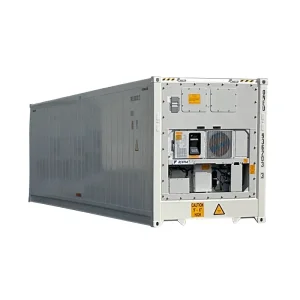
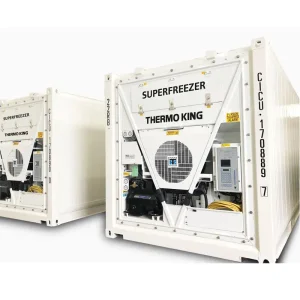
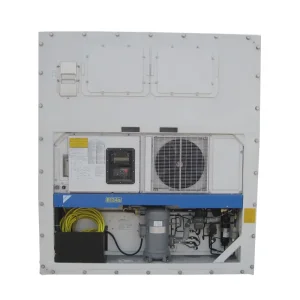
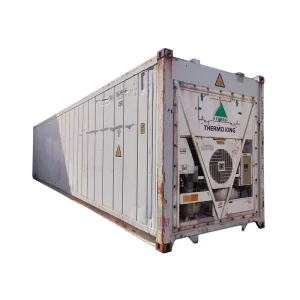
The rapid expansion of pharmaceutical and fresh agricultural transport has shifted refrigerated sea container demand towards precise telematics. Active units with micro-controlled atmosphere management and Carrier, Thermo King, and Daikin machinery prevent spoilage risks.
Harnessing end-to-end industrial clusters, automated tooling, and integrated coastal logistics to optimize cost per cubic meter.
Tianjin Cimic Imp&Exp Co., Ltd. (CIMIC Group) has perfected maritime equipment manufacturing since 1983. Operating high-throughput facilities in Tianjin and Suzhou, our manufacturing campuses are positioned merely ~100 km from major seaports. This strategic proximity drastically reduces internal transport costs and minimizes export cycle times for large-scale container deployments.
Unlike fragmented assembly lines, our manufacturing process utilizes unified steel-plate coil unrolling, automated anti-corrosion zinc shot-blasting, multi-axis robotic seam welding, and precision hydraulic press tooling. Every batch of marine Corten steel is tested for yield strength, elongation, and impact energy to withstand harsh ocean environments.
| Primary Structural Steel | SPA-H High-Strength Weathering Steel |
| Surface Preparation | ISO Sa 2.5 Shot Blasting + Zinc-Rich Primer |
| Refrigeration Units | Carrier Transicold, Thermo King, Daikin OEM |
| Inspection Approvals | Bureau Veritas (BV), ISO 9001, DNV Certified |
| Distance to Harbor | ~100 km (Tianjin / Shanghai / Taicang Gateways) |
From standard intermodal freight to specialized offshore drilling platforms, our container engineering solves diverse logistical challenges.
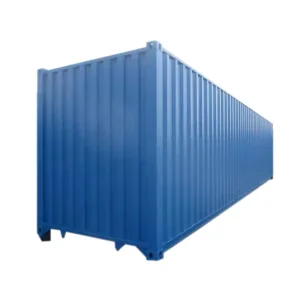
20ft and 40ft High Cube certified dry cargo containers built to strict ISO 1496-1 dimensions. Standardized corner castings, reinforced cross-members, and laminated marine hardwood floors allow maximum cargo capacity while resisting repeated fork-truck wheel loads.
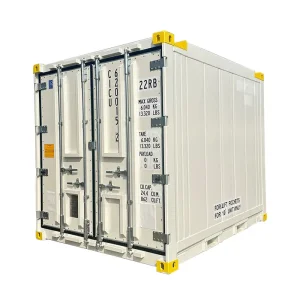
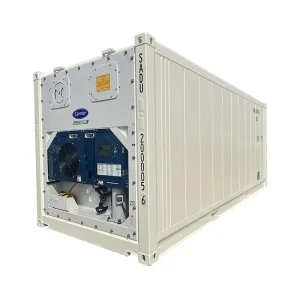
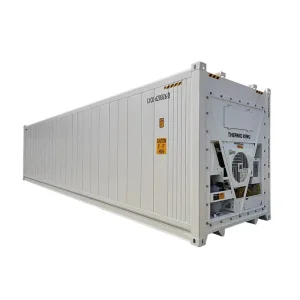
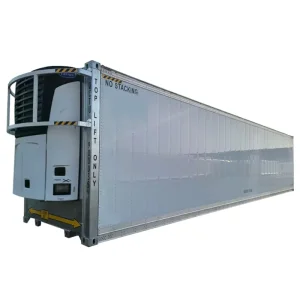
Active refrigerated containers capable of maintaining interior temperatures from -30°C to +30°C. Stainless-steel MG interior linings, food-grade T-floor extrusion air channels, and high-density polyurethane insulation maintain stable internal thermal environments across equatorial voyages.
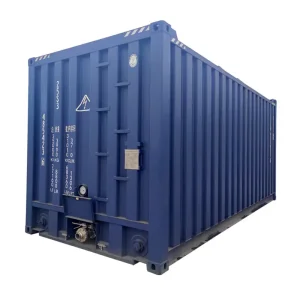
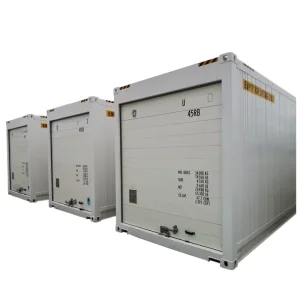
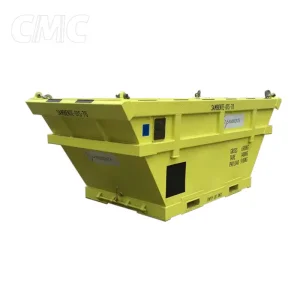
Specially engineered half-height baskets, silt baskets, and cargo containers designed under DNV 2.7-1 / EN 12079 criteria. Built with integrated pad-eyes and certified sling assemblies to tolerate hazardous wave-induced dynamic impact forces during offshore rig transfers.
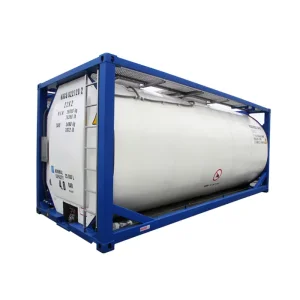
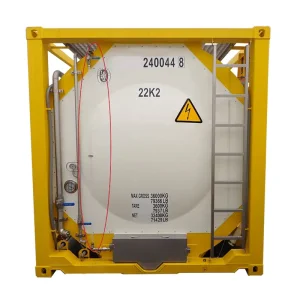
T75 cryogenic and versatile ISO tank containers built to transport bulk food products, alcohols, and industrial chemicals. Fitted with multi-layer vacuum super-insulation and robust safety relief valves to prevent vapor expansion hazards during multi-modal voyages.
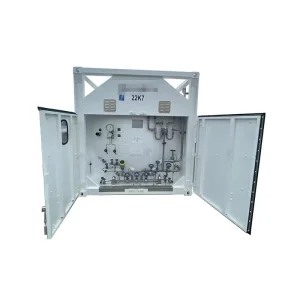
Structural Corten frames configured for modular workforce accommodations, temporary field hospitals, data center enclosures, and decentralized cold-storage rooms with quick roll-up or dual-access doors.
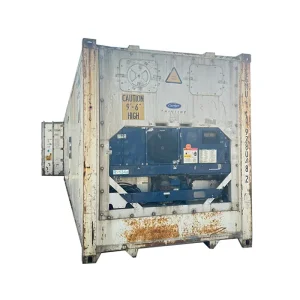
Inspected, sea-worthy used shipping containers positioned at major maritime ports throughout China. These units provide cost-effective options for regional storage, domestic rail hauls, or low-cost static conversions.
Key developments shaping the next decade of intermodal container assets, decarbonization, and supply-chain logistics.
Global maritime environmental mandates—such as the Kigali Amendment to the Montreal Protocol—are phasing out legacy refrigerants like R134a in favor of alternatives with low Global Warming Potential (GWP), such as R513A and natural CO2 (R744) units. Factory testing now emphasizes airtight thermal enclosures with zero-leak insulation foam blowing agents that retain insulative integrity over years of operations.
Corporate buyers increasingly specify factory-installed smart sensors directly into the container frame. Real-time GPS location, door open/close acoustic detectors, internal atmospheric humidity sensors, and digital cold chain loggers are rapidly becoming factory-installed defaults. This minimizes depot dwell times and eliminates manual cargo health checks during ocean crossings.
Cargo dimension review, payload calculations, thermal demands, handling requirements, and destination class society certifications.
Engineers validate structural load distributions, thermal bridge isolation, door configurations, and customer livery alignments.
Laser cutting, robotic seam welding, multi-stage marine coating, and assembly under strict ISO 9001 and BV surveyor supervision.
Pre-trip inspection (PTI) for reefers, hydrostatic pressure testing for tanks, CSC plate issuance, and rapid port staging.
Discover specialized containment solutions including cryogenic transport tanks, offshore baskets, deep freezers, and integrated cooling machinery.
Clear answers addressing container engineering, class certifications, refrigeration systems, and cross-border logistics.
