Explore factory-certified builds engineered to strict international classification society benchmarks, offering superior thermal integrity, extreme-duty offshore survivability, and hazardous payload containment.




A rigorous evaluation of supply chain reshoring, material cost indexes, technological cold-chain evolutions, and the technical standards steering global container fleets in 2025 and beyond.
The contemporary shipping and intermodal transit ecosystem operates at the convergence of decarbonization mandates, sophisticated cargo specialization, and volatile supply chain geopolitical realignments. Standard dry cargo steel boxes, long the undisputed commodity of international seaborne carriage, are increasingly supplemented by high-specification engineered hardware. Modern asset allocators, shipping lines, and procurement executives require specialized assets: precision-calibrated active reefer units, high-strength cryogenic and food-grade stainless steel ISO tanks, and DNV 2.7-1 certified offshore lifting equipment capable of enduring violent North Sea wave dynamics.
Sourcing shipping containers directly from Chinese industrial epicenters requires comprehensive insight into localized metallurgical ecosystems, precision automated manufacturing, and international testing validations. Container durability is directly governed by corrosion-resistant SPA-H Corten steel formulations, structural welding certifications governed by ISO 1496/1, and stringent marine coating schedules tested under ASTM B117 salt spray protocols. Enterprise buyers must synthesize total landed lifecycle costs, balancing initial CapEx outlays against payload tare efficiency, insulation thermal drift ratios, and long-term salvage valuations.
Why Tier-1 Chinese container manufacturing clusters in Tianjin and Suzhou outperform international competitors across material integration, throughput scalability, and precision engineering.
Unrivaled domestic integration with state-of-the-art steel foundries guarantees continuous, high-volume access to authentic atmospheric corrosion-resistant SPA-H Corten steel. This eliminates international material transfer premiums, guarantees precise structural cold-forming tensile strengths, and forms the baseline required for 30-metric-ton gross mass ratings.
Our production facilities utilize automated fiber-optic CNC laser sheet profiling paired with multi-axis automated submerged-arc welding robots. This manufacturing precision eliminates human thermal distortion variances along corrugated sidewall panels, ensures helium-tight integrity across corner post junctions, and delivers microscopic weld repeatability.
Strategic geographic placement within 100 kilometers of northern China's premier deep-water port (Tianjin) and the Yangtze River Delta export nexus allows finished units to move from assembly lines directly into container yards (CY) or vessel berths within hours. This cuts drayage, avoids domestic transshipment transit damage, and lowers export tariffs.
Every standard and specialized container line undergoes continuous third-party surveyor testing. Our manufacturing bases carry Bureau Veritas (BV), American Bureau of Shipping (ABS), Lloyd's Register (LR), and Det Norske Veritas (DNV) institutional credentials. From metallurgical mill testing sheets to final pneumatic leak testing, full transparency is assured.
Unlike rigid automated commodity assembly plants, our engineering division supports fully customized intermodal developments: including roll-up shutter conversions, multi-compartment dual-temperature reefers, side-curtain openings, integrated explosion-proof electrical layouts, and custom floor-reinforced rolling equipment configurations.
Operating fully compliant environmental VOC recovery filtration systems, our automated multi-stage blast-and-paint bays deploy high-solids zinc-rich epoxy primers combined with heavy polyurethane topcoats. These non-polluting, marine-grade coating schedules pass rigorous cyclical condensation and accelerated salt spray resistance testing.
Indicative budgetary pricelists, physical structural parameters, and standard configurations across commercial container classifications for global procurement planning.
| Container Classification | Primary Dimensions (L x W x H) | Structural Metallurgy / Insulation | Tare Mass & Max Payload | Indicative Price Range (FOB) | Primary Regulatory Approvals |
|---|---|---|---|---|---|
| 20ft Standard Dry ISO | 6,058 × 2,438 × 2,591 mm | SPA-H Corten Steel, 28mm Marine Plywood | 2,200 kg / 28,280 kg | $1,750 – $2,250 | ISO 1496-1, CSC, UIC, TIR |
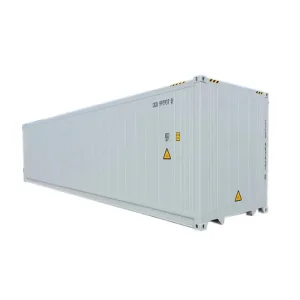
| 40ft High Cube Dry ISO | 12,192 × 2,438 × 2,896 mm | SPA-H Corten Steel, 28mm Apitong Plywood | 3,850 kg / 28,650 kg | $2,850 – $3,650 | ISO 668, CSC, BV Certified |
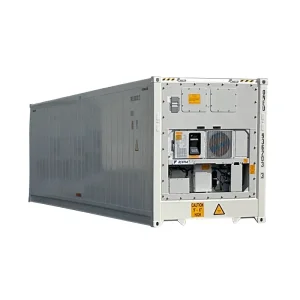
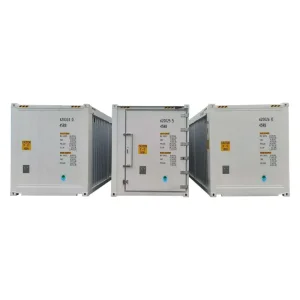
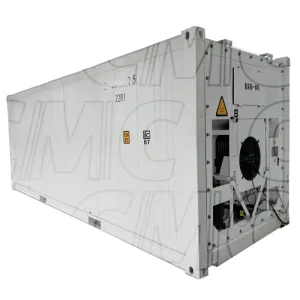
| 10ft Reefer (Thermo King) | 2,991 × 2,438 × 2,591 mm | MGSS / SS304 Interior, High-Density PU Foam | 2,150 kg / 8,850 kg | $6,800 – $8,500 | ISO, CE, ATP Certified |
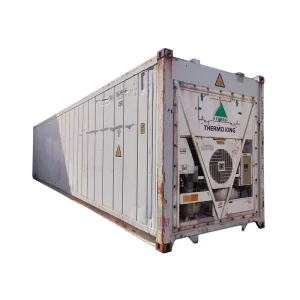
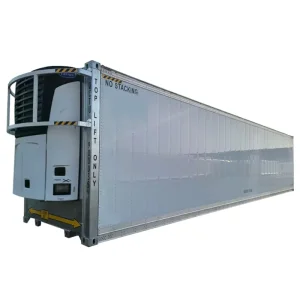
| 40ft HC Active Reefer | 12,192 × 2,438 × 2,896 mm | Daikin/Carrier/TK Machinery, R134a/R452A | 4,600 kg / 29,400 kg | $13,500 – $18,900 | ISO 1496-2, CSC, BV, ABS |
| 20ft ISO Liquid Tank (T11) | 6,058 × 2,438 × 2,591 mm | 316L Stainless Steel, 4.2mm Vessel Wall | 3,650 kg / 32,350 kg | $14,200 – $19,500 | IMDG, ASME, UN Portable Tank, ADR/RID |
| Offshore Half-Height Ore | 6,058 × 2,438 × 1,280 mm | High-Yield Structural Steel, Marine Coating | 3,100 kg / 16,900 kg | $4,200 – $6,100 | DNV 2.7-1, EN 12079, ISO 10855 |
| DNV Offshore Basket | 6,058 × 1,200 × 1,150 mm (Custom) | Heavy Tubular Profiles, Integrated Pad Eyes | 1,850 kg / 10,150 kg | $3,400 – $5,200 | DNV 2.7-1 / ISO 10855 Lifting Standard |
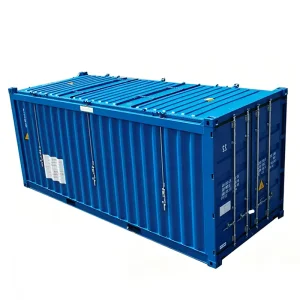
| 20ft Hard Open Top | 6,058 × 2,438 × 2,591 mm | Removable Steel Hard Roof, Swing-Out Header | 2,700 kg / 27,780 kg | $3,200 – $4,100 | ISO 1496-1, CSC Approved |
*Notice: Unit prices fluctuate based on raw Corten steel spot prices, composite insulation chemical indexes, chosen refrigeration units (Carrier Transicold, Thermo King Magnum Plus, Daikin LXE), and procurement volume scales. Customized orders require specific technical CAD confirmation before final contractual CIF/FOB pricing.
How specialized international container engineering solves extreme real-world challenges across diverse global operational theaters.
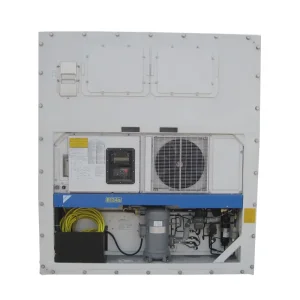
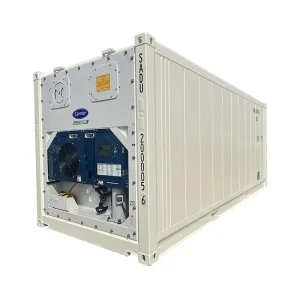
For Chilean berry exporters, Kenyan horticultural producers, and North Atlantic pelagic fisheries, active reefer containers configured with Carrier X4 or Daikin scroll compressors safeguard product shelf-life. Digital automated Controlled Atmosphere (CA) injection regimes regulate O2 and CO2 levels down to 1% accuracy, retarding fruit respiration and allowing prolonged sea voyages up to 45 continuous days without cellular decay.
Operating in the North Sea, Gulf of Mexico, or West African offshore basins requires equipment certified to DNV 2.7-1 / EN 12079. Half-height ore carriers and offshore pipe baskets withstand harsh dynamic shock loads during floating crane lifting in high sea states. Heavy-duty internal tie-downs, non-sparking zinc thermal coatings, and certified four-leg wire rope lifting slings ensure zero operational downtime.
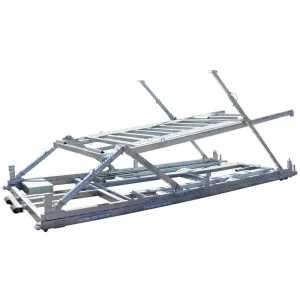
Global EV manufacturers transporting completed cars across trans-Eurasian railway corridors deploy customized internal vehicle transport racks inside 40ft High Cube containers. This multi-tier racking framework doubles cubic packaging density from two to four vehicles per box, securely locking suspensions while delivering absolute moisture, dust, and security isolation across cross-border tracks.
Transporting potable spirits, fine alcohols, industrial solvents, or food-grade edible oils demands UN Portable T11/T14 ISO tank containers. Engineered with internally electropolished 316L stainless steel vessels, vacuum insulation layers, and steam-heating or glycol-cooling external jackets, these units provide contamination-free fluid containment throughout intermodal ship-to-rail transshipment.
Solar-assisted hybrid refrigerated containers featuring 220V integrated DC inverter units provide independent cold-storage hubs for isolated pharmaceutical depots, island communities, and disaster recovery zones. Operating seamlessly with rooftop photovoltaic arrays and battery banks, these units minimize diesel generator consumption by up to 65% in tropical climates.
Heavy mining components, aircraft engines, and oversized turbine rotors cannot be rear-loaded through standard doors. Our 20ft and 40ft Hard Open Top containers feature removable rigid steel roofs, swing-out rear header beams, and reinforced internal lashing rings rated to 5,000 kg each, allowing fast overhead crane loading and structural wind-and-watertight integrity during sea transit.
Clear, direct technical clarity addressing critical buyer concerns regarding custom engineering, classification testing, and direct factory procurement logistics.
Every newly constructed container destined for international transport must carry a valid CSC (Container Safety Convention) safety approval plate riveted directly to the left door. This plate validates that the container has successfully passed destructive testing protocols mandated by ISO 1496-1, including stacking tests (typically 86,400 kg applied to corner castings), transverse racking, end-wall strength, and floor deflection tests certified by recognized societies like Bureau Veritas or ABS.
SPA-H Corten steel incorporates precise chemical micro-alloying elements, including copper, chromium, and nickel. When exposed to outdoor atmospheric cycles of wet and dry maritime conditions, it produces a dense, self-healing oxide patina that impedes further oxygen permeation. Standard carbon steel rusts progressively, causing flake delamination and wall thinning. Corten-A extends the container's operational service life beyond 20 years in corrosive marine environments.
The choice hinges on your route's local service infrastructure and cargo profiles. Carrier Transicold PrimeLINE units offer exceptional energy efficiency and widespread technician support across European and North American ports. Thermo King Magnum Plus units excel at deep-freezing applications, achieving pull-down temperatures to -40°C. Daikin LXE series scroll compressors feature minimal moving parts, delivering proven mechanical durability for tropical Asian trade routes.
Standard ISO containers rely on corner castings intended for spreader beam twist-locks in stable port conditions. DNV 2.7-1 / ISO 10855 containers are engineered specifically for offshore marine transfer where wave motions induce dynamic acceleration shocks. They incorporate structural steel pad eyes welded directly to heavy main frames, undergo Charpy V-notch impact testing at -20°C to ensure low-temperature toughness, and feature reinforced corner posts capable of withstanding rough vessel-to-rig transfers.
For standard 20ft and 40ft High Cube dry containers, orders can start from 1 to 5 units for stocked port allocations. For bespoke engineered builds—such as side-opening configurations, specific internal insulation foam thicknesses, or proprietary mounting racks—the typical production tooling run begins at 2 to 4 units. Full factory custom assembly runs achieve maximum economic efficiency at 10+ units (equivalent to full batch robotic calibration).
The standard procurement mechanism is "One-Way Cargo Load" (Cabotage/SOC - Shipper Owned Container). Once manufacturing and CSC plate registration are completed at our Tianjin or Suzhou facilities, our logistics network connects with freight forwarders or shipping lines to load legitimate dry commercial export cargo into your containers for their maiden voyage. This allows your container to reach your destination discharge port with near-zero ocean freight repositioning costs.
Explore our certified portfolio of heavy-duty, temperature-regulated, and multi-modal container assets ready for rapid factory-direct global deployment.