Explore our certified intermodal dry, liquid, and modular containment products. Shipped directly from port-adjacent manufacturing hubs with full CSC, ISO, and BV classifications.
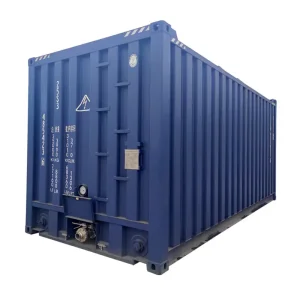
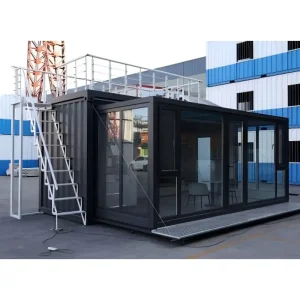
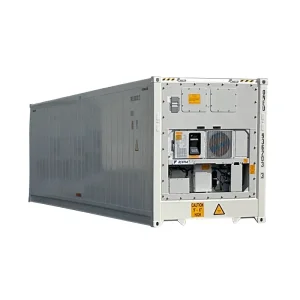
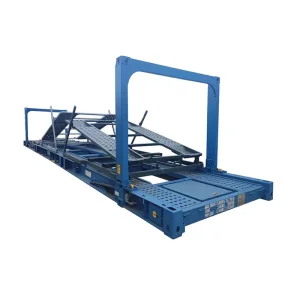
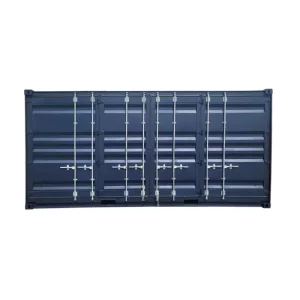
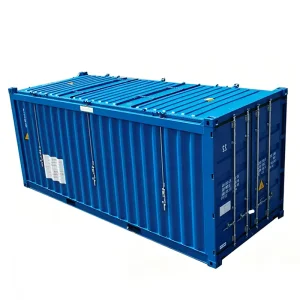
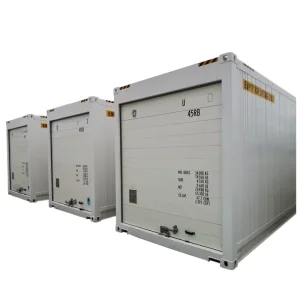
Analyzing the architectural shift toward decentralized freight infrastructure, localized micro-logistics nodes, and industrial containment versatility across global supply chains.
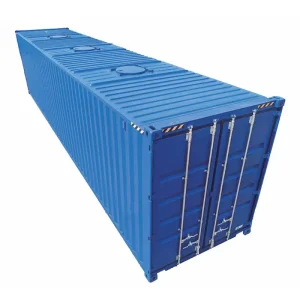
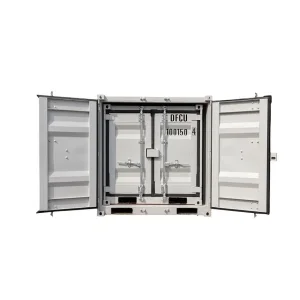
Global logistics is experiencing a structural migration from monolithic 40ft container reliance toward modular micro-freight assets. The demand for 4ft, 5ft, 6ft, 8ft, and 10ft mini cargo containers is driven by urban spatial constraints, parcelization of e-commerce payloads, and rapid jobsite deployment. These high-density units optimize space efficiency where standard full-length containers cannot physically maneuver.
Engineered using atmospheric corrosion-resistant SPA-H Corten-A steel, our mini container series maintains tensile yields exceeding 345 MPa. Utilizing corrugated sidewalls, reinforced perimeter base rails, and ISO-standard corner castings, each unit achieves certified stackability up to 6-high fully laden, resisting offshore marine corrosion and harsh continental climatic extremes.
Freight overhead represents the single highest barrier to acquiring smaller container footprints. Our specialized 4ft–10ft nesting design systems allow complete 4-in-1 or 3-in-1 nested packing assemblies into a unified ISO 20ft or 40ft envelope. This drops maritime transoceanic spot-rates per individual container by up to 68%, substantially boosting ROI for offshore operators and plant managers.
Transparent reference benchmarks for industrial bulk procurement, EPC contractors, and global logistics fleets. All quotes correspond to brand-new units built to ISO standards.
| Model Footprint | External Dimensions (L×W×H) | Tare Weight | Max Payload | Volume Capacity | Target Price Benchmark (FOB China) | Key Certifications |
|---|---|---|---|---|---|---|
| 4ft Mini Dry Container | 1,200 × 1,000 × 1,200 mm | 240 kg | 1,500 kg | 1.15 m³ | $650 - $850 | ISO / BV |
| 5ft Industrial Utility Box | 1,500 × 1,200 × 1,500 mm | 380 kg | 2,500 kg | 2.16 m³ | $890 - $1,150 | ISO / BV |
| 6ft Mini Storage Container | 1,800 × 1,750 × 1,900 mm | 520 kg | 3,500 kg | 4.95 m³ | $1,100 - $1,400 | CSC / ISO |
| 8ft Standard Mini Cargo | 2,438 × 2,200 × 2,260 mm | 850 kg | 5,000 kg | 9.80 m³ | $1,450 - $1,850 | CSC / ISO / TIR |
| 10ft Dry Intermodal Unit | 2,991 × 2,438 × 2,591 mm | 1,250 kg | 8,860 kg | 15.90 m³ | $1,850 - $2,400 | CSC / ISO / DNV |
| 10ft Offshore DNV Container | 2,991 × 2,438 × 2,591 mm | 1,950 kg | 10,000 kg | 14.80 m³ | $3,800 - $4,900 | DNV 2.7-1 / EN 12079 |
| 4-in-1 Nested Set (4/6/8/10ft) | Nested Assembly (fits 10ft / 20ft frame) | 2,860 kg (Combined) | Up to 15,000 kg | Multi-tiered | $4,500 - $5,800 | CSC / ISO |
* Pricing indicates wholesale export reference tiers per standard unit. Actual FOB/CIF quotations vary based on global steel raw material indexes (SPA-H hot-rolled coils), paint specifications (zinc epoxy primer vs zinc silicate), floor choices (marine plywood vs bamboo or checkered steel plate), and customized locking mechanisms.
Mini cargo containers solve complex geometric, environmental, and operational bottlenecks across sectors where standard container lengths are functionally prohibitive.
Metropolitan parcel delivery networks are restricted by narrow streets, pedestrian zones, and zero-emission delivery mandates. 6ft and 8ft mini containers are loaded onto electric light commercial vehicles (e-LCVs) or cargo tricycles. They act as localized secure consolidation dropboxes, dramatically slashing delivery vehicle dwell times and curb-space congestion.
Remote extraction basins and drilling rigs operate under severe dynamic lifting strains. 8ft and 10ft heavy-duty containers certified to DNV 2.7-1 and EN 12079 endure repeated offshore crane transfers in sea-state 6 conditions. Specialized pad eyes, certified lifting slings, and sealed internal retaining grids prevent shifting of high-density chemical drums and drill bits.
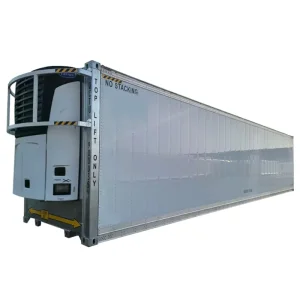
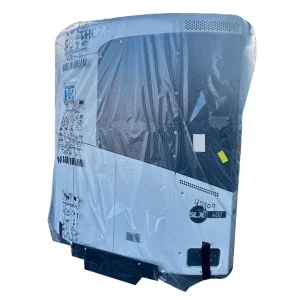
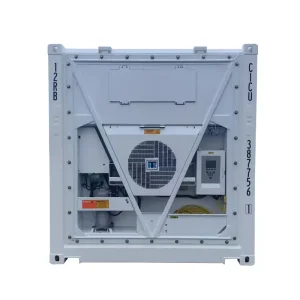
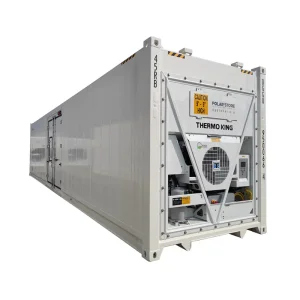
Small-batch pharmaceuticals, marine catches, and high-value agricultural biotechnology require isolated thermal protection without the deadhead volume of standard reefers. Mini insulated containers paired with compact Daikin or Carrier micro-units provide exact -30°C to +20°C temperature holds directly at the farm-gate or remote clinical outposts.
Industrial manufacturing centers mandate rigorous separation of flammables, paints, lithium batteries, and volatile compounds under OSHA and EN standards. Custom 5ft and 8ft bunded mini containers feature integrated floor-spill containment sumps, flame-arresting passive louver vents, and anti-spark grounding points to safeguard operational facilities.
Following natural disruptions, access bridges and standard container handling cranes are frequently compromised. Mini 4ft and 6ft nested cargo containers can be air-lifted by tactical utility helicopters or transported via light utility trucks. They serve as immediate, weather-sealed medical aid units, emergency water distribution points, and field generators.
Self-storage operators optimize square-meter monetization using our modular multi-door nested mini containers. By splitting a 20ft space into multiple independent lockable 5ft or 6ft bays with dual-end openings, facility operators boost their net monthly rental yield per square meter by up to 140% compared to traditional single-tenant units.
Tianjin Cimic Imp&Exp Co., Ltd. combines four decades of heavy manufacturing heritage with automated robotics and port-adjacent maritime infrastructure.
Situated within China's primary metallurgical industrial belt, our production bases maintain strategic supply contracts with premier domestic mills (Baosteel, Shougang). This guarantees uninterrupted access to certified hot-rolled SPA-H Corten alloy steel. Continuous high-volume steel batching shields our global buyers from spot-market price volatility while providing authentic mill test certificates (MTC) tracking mechanical yield strength, elongation, and phosphorus-copper corrosion resistance properties.
Precision defines container longevity. Our Tianjin and Suzhou lines operate 12,000W CNC fiber-laser cutting stations and 6-axis robotic gantry welders. This guarantees dimensional tolerances within ±1.0 mm across all corner castings, corrugation crests, and door gasket sealing tracks. Automated welding under CO2-Argon shielding minimizes slag contamination, preventing joint oxidization and assuring exceptional water-tight integrity under high torsional stress.
Logistical dispatch efficiency is engineered directly into our operational model. Both Tianjin and Suzhou manufacturing plants are situated within a 100 km transit radius of northern and eastern deepwater shipping terminals (Port of Tianjin and Port of Shanghai/Taicang). Finished standard units, customized assemblies, or nested packages move directly from our factory bays onto container vessels, slashing inland freight overhead and port cut-off delays.
To endure 25-year design lifespans in aggressive marine atmospheres, our automated blast chambers achieve ISO Sa 2.5 surface cleanliness, removing all mill scale. Coatings utilize low-VOC waterborne zinc-rich epoxy primers, high-build epoxy intermediate barriers, and polyurethane exterior finishes achieving a total dry film thickness (DFT) exceeding 120 microns, fully certified to ISO 12944 standard C5-M durability criteria.
Pioneering the next generation of intelligent, carbon-neutral, and automated mini cargo systems across four key development phases.
Integrating flush-mounted, ATEX-certified solar satellite transceivers into container corrugation recesses. Real-time logging of internal shock, door openings, GPS location, humidity, and temperature variations without external battery dependencies.
Replacing traditional heavy timber flooring with recycled continuous glass-fiber reinforced thermoplastic (CFRT) honeycomb panels. Lowers tare weight by 18%, boosts cargo capacity, and offers total resistance to rot, fungal growth, and chemical corrosion.
Standardizing underside corner guides and optical identification markers on 6ft and 8ft units to support autonomous guided vehicles (AGVs) within smart container yards and automated sorting distribution centers.
Transitioning toward 100% electric arc furnace (EAF) scrap-recycled steel melted via green hydrogen power. Cuts embedded production carbon emissions by 72% per metric ton of container frame to fulfill global scope-3 supply chain directives.
Rigorous quality protocols ensure zero-defect compliance with maritime, offshore, rail, and regional road transport statutory requirements.
Every mini cargo container destined for intermodal multi-modal transport receives documented prototype and batch testing under ISO 1496-1. Testing includes dynamic floor strength (7,260 kg axle loads), transverse racking, end-wall stiffness, and stacking strength with stainless steel CSC safety approval plates affixed.
Offshore containers undergo Charpy V-notch impact testing at -20°C or -40°C to eliminate brittle-fracture risks in sub-zero operational environments. Complete material traceability, NDT (Non-Destructive Testing) weld inspection logs, and DNV type approvals accompany all offshore deliveries.
Bureau Veritas (BV) provides continuous verification throughout fabrication. Audits verify dimensional accuracy, steel raw material heat numbers, blast profile roughness, paint adhesion cross-hatch tests, and water hose tests at 200 kPa pressure to ensure dry, weatherproof delivery.
Clear, direct engineering answers addressing dimensions, certification, payload mechanics, customized fabrication, and logistics handling.
Engineered to client specifications: high-load bulk transfers, offshore DNV lifting certification, temperature control, and multi-footprint nesting configurations.