Engineered to ISO, BV, and DNV maritime standards for cross-border temperature precision and offshore operations.
From automated Corten-steel welding pipelines to coastal deep-water logistics hubs, examine the structural foundations behind competitive global procurement.
Factories leverage specialized domestic steel mills providing premium SPA-H Corten steel. This high-copper alloy yields sacrificial oxidation coatings, delivering superior saltwater resistance and ensuring a structural design life exceeding 25 years under high-stress maritime shipping conditions.
Bespoke builds demand streamlined sourcing. Coastal manufacturing bases in Tianjin and Suzhou operate within immediate proximity to precision robotic laser cutters, polyurethane foaming plants, and authorized refrigeration partnerships (Carrier, Daikin, Thermo King), reducing lead times by 35%.
Facilities positioned within 100 kilometers of major international container terminals enable seamless SOC (Shipper Owned Container) positioning. Direct terminal access eliminates complex inland drayage surcharges and accelerates pre-vessel customs clearance directly onto international liner schedules.
From passive high-density insulation chemistry to automated telematics integration, explore how containers are evolving into intelligent infrastructure.
Modern reefer and dry units are no longer passive boxes. Connected telematics platforms monitor real-time compressor diagnostics, chamber atmospheric balance (O2/CO2 levels), and geofenced transit telemetry directly to central logistics software.
Building codes globally are adopting modular steel container frames for rapid civil works, data centers, and multi-story worker housing. Factory-integrated framing ensures certified structural integrity under stringent IBC and Eurocode compliance standards.
Demands from the offshore wind and North Sea energy sectors have driven DNV 2.7-1 / EN 12079 manufacturing to extreme fracture-toughness thresholds, requiring low-temperature Charpy impact-tested structural steels for arctic conditions.
Next-generation reefer boxes utilize zero-ODP, ultra-low GWP cyclopentane-blown polyurethane foam insulation, reducing thermal loss factors while ensuring minimal tare weight and expanded internal cubic capacity.
Turnkey structural blueprints engineered for harsh operations, from intermodal supply chains to extreme open-ocean platforms.
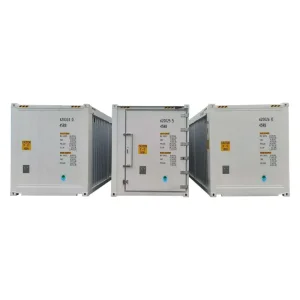
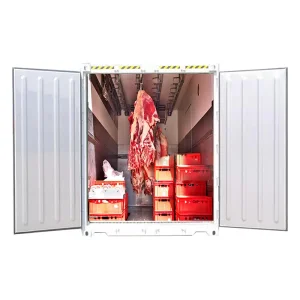
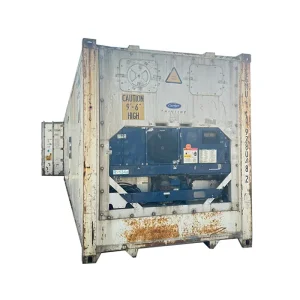
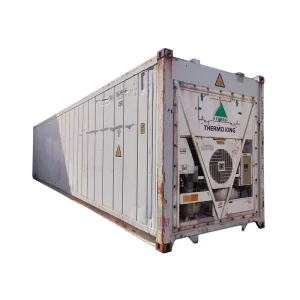
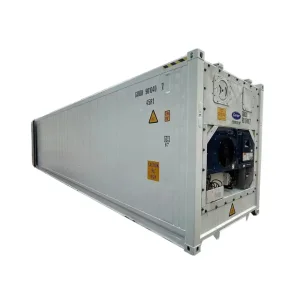
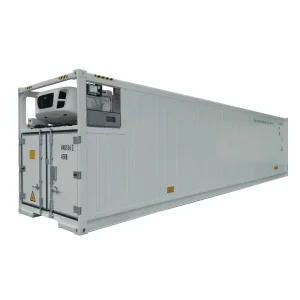
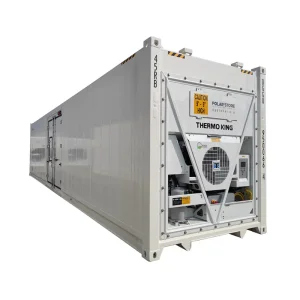
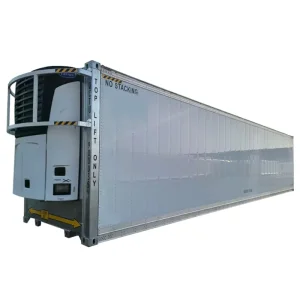
Engineered for biomedical logistics, premium seafood, and hanging-meat meat exports. Integrated with Carrier Transicold X4 or Daikin LXE refrigeration machinery, our insulated reefer containers maintain stable -35°C to +30°C microclimates across 45-day sea crossings with deep redundancy.
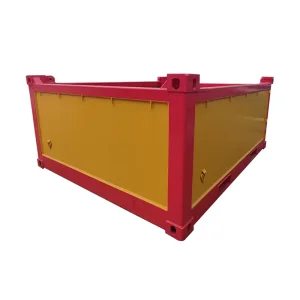
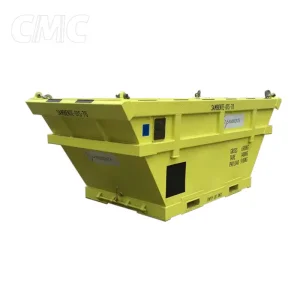
Engineered for harsh North Sea and offshore Gulf conditions. Silt baskets, tool containers, and half-height ore bins feature heavy-section tubular corner posts, internal pad eyes, and specialized NDT-tested weld seams designed to withstand dynamic crane impact loads.
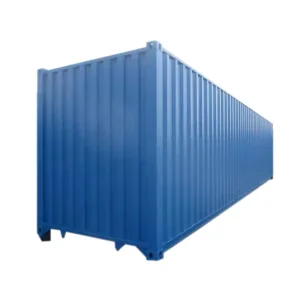
Rail vibration and shunting forces require structural reinforcement. Our 40ft HC and 45ft extended-capacity containers feature corrugated steel end walls, high-yield floor stringers, and specialized corner casting assemblies optimized for double-stack rail transit systems.
How leading enterprise purchasing directors mitigate risks through rigorous factory-level QA gates and technical inspection protocols.
Procurement criteria must enforce BV (Bureau Veritas) or ABS plant accreditation alongside ISO 9001/14001 manufacturing execution controls. Every batch leaves the production line with certified CSC safety approval plates valid for international intermodal transport.
Structural reliability requires full Non-Destructive Testing (Magnetic Particle & Ultrasonic Testing) along critical corner-casting to header/sill interfaces, preventing catastrophic failure during offshore lifting or 9-high fully laden container vessel stacking.
Corrosion resistance demands strict SA 2.5 grit blasting followed by multi-coat zinc-rich epoxy primers and polyurethane topcoats (minimum 120-180 microns DFT). This ensures long operational lifespans across high-humidity tropical lanes and sub-zero trade corridors.
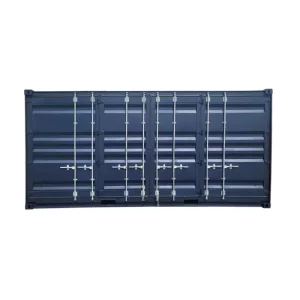
Optimizing procurement spend involves balancing standard ISO dimensions against tailored interior configurations. Factory-level OEM engineering allows flexible wall thickness variations, side-door cutouts, and reinforcement for heavy concentrated payloads.
Expert answers covering technical engineering, certification compliance, minimum batch quantities, and international logistics execution.
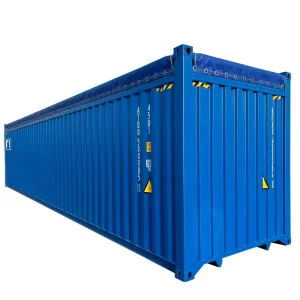
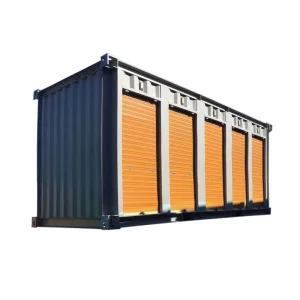
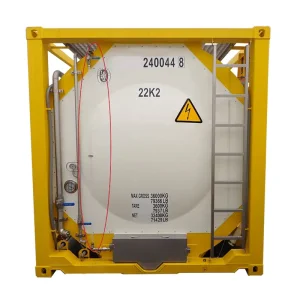
We supply complete ISO-standard and specialized footprints including 10ft, 20ft, 20ft High-Cube, 40ft, and 40ft High-Cube. Beyond dry freight boxes, our specialized production lines manufacture soft open-tops, roll-up shutter configurations, side-door access reefers, offshore cargo baskets, and insulated tank frames customized precisely to customer load requirements.
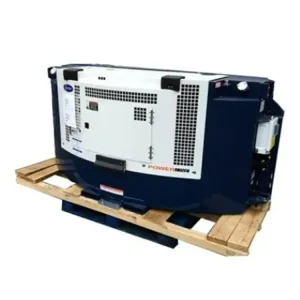
We partner directly with leading industrial refrigeration manufacturers including Thermo King, Daikin, and Carrier Transicold. This ensures clients can align machinery selection with local maintenance ecosystems, technician familiarity, and authorized regional spare part distribution networks.
All CIMIC production lines operate under verified ISO 9001 and ISO 14001 Quality Management standards. Intermodal dry and reefer shipping equipment is certified through Bureau Veritas (BV) for international maritime seaworthiness (CSC). Specialized offshore containers are engineered and manufactured in strict compliance with DNV 2.7-1 / EN 12079 criteria.
Clients can choose proven architectures directly from our technical catalog or engage our structural engineers for bespoke dimensions, reinforced T-flooring, hanging meat rail assemblies, or modular electrical cutouts. Technical CAD and 3D FEA stress simulations are submitted for formal sign-off before steel stamping commences.
Our core primary manufacturing plants are strategically situated in Tianjin and Suzhou, approximately 100 kilometers from high-volume deep-water seaports. In addition, certified pre-owned dry and reefer containers are held across strategic Chinese port depots, offering short turnaround dispatch times for overseas export corridors.
MOQ scales with the degree of structural customization. Standard ISO dry containers and secondary-market certified units can be purchased in low quantities, while full OEM/ODM builds involving dedicated welding retooling are evaluated per project to identify the most cost-efficient volume threshold.
Select specialized equipment from our Tianjin and coastal depot inventory, ready for export staging.