Explore precision-engineered containers built under strict ISO/BV standards, customized for extreme freight environments and cross-continental freight corridors.
Analyzing container capital expenditure indices, steel pricing impacts, and the evolution of smart telemetry in commercial shipping fleets.
Raw structural material accounts for 58% to 64% of standard dry cargo production costs. Fluctuations in hot-rolled atmospheric corrosion-resistant steel (SPA-H grade) define global base pricelists.
China's centralized smelting clusters and automated coil slitting offer volume purchase advantages, hedging container buyers against short-term commodity spikes.
Stricter maritime environmental targets are pushing logistics operators to demand lower embedded carbon emissions and waterborne paint systems compliant with stringent VOC standards.
Leading manufacturers are integrating robotic zinc-rich priming and solventless baking methods, extending marine lifecycle expectancy from 12 to upwards of 18 years without structural fatigue.
Modern ODM cold-chain units now incorporate satellite-connected PLC systems. Sensors monitor internal atmospheric levels, core cargo temperature, door cycling, and power phase variance.
This real-time visibility lowers cold-chain degradation risks and provides verified traceability records required by global pharmaceutical and perishable supply chains.
Navigating complex international certifications, ISO tolerances, and the strict engineering parameters expected by multinational fleet leasing consortiums.
Enterprise buyers need multi-jurisdiction compliance. Factory approvals must satisfy Bureau Veritas (BV), American Bureau of Shipping (ABS), Lloyd's Register (LR), or Det Norske Veritas (DNV).
Containers intended for intermodal rail must also clear UIC and TIR customs conventions, featuring verified anti-theft door hardware and serialized CSC safety approval plates.
Modern ship cell-guides allow minimal diagonal deviation across 40ft frames. Structural corner castings and corner posts must withstand vertical stacking forces up to 216,000 kg.
Floor systems require certified apitong hardwood or treated composite decking tested against 7,260 kg axle loads under ISO 1496-1 heavy vehicle operation standards.
Enterprise purchasers require complete drawing sign-offs before tooling. Customizing side access doors, internal blast walls, crane pad-eyes, and hazardous chemical vents demands dedicated CAD/CAM workflows.
Production runs incorporate strict non-destructive weld testing (NDT), dimensional checks, and high-pressure water spray verification to guarantee watertight reliability.
How deep industrial integration, automated assembly, and strategic port proximity in Tianjin and Suzhou deliver reliable lead times and competitive pricing.
China's manufacturing centers integrate steel rolling mills, specialized casting foundries, high-performance sealing manufacturers, and reefer compressor lines within short freight radii.
This tight integration eliminates multi-tier procurement delays, insulates production from component bottlenecks, and ensures stable delivery timelines even during global logistics disruptions.
Factory 4.0 facilities utilize multi-axis robotic welding cells, continuous roll-forming lines, and automated shot-blasting stations that process complete corrugation profiles in minutes.
This automation delivers uniform weld penetration, eliminates human assembly variance, and maintains dimensional accuracy within sub-millimeter tolerances across multi-thousand unit orders.
Situated within 100 kilometers of deep-water terminals in Tianjin and Shanghai/Suzhou, completed containers move directly from the assembly line into container freight stations (CFS).
Buyers can use "One-Way Cargo Free Use" leasing programs, loading export goods into newly built containers to reduce empty repositioning freight costs to zero.
Market valuation matrix reflecting FOB China export terms, primary engineering specifications, and estimated volume breaks for international buyers.
| Container Classification | Common Dimensions | Structural Specification | Indicative Price Range (FOB) | Status |
|---|---|---|---|---|
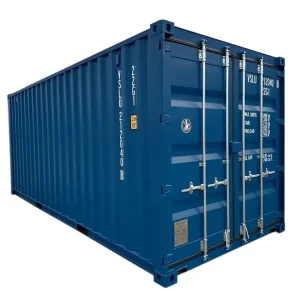
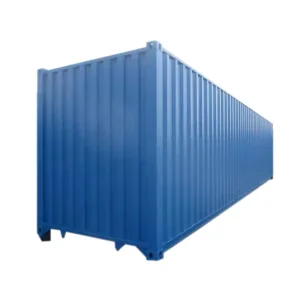
| Standard Dry Cargo (DC) | 20ft GP / 40ft HC | 14-Gauge Corten Steel, 28mm Marine Plywood Floor | $1,850 – $3,200 | High Availability |
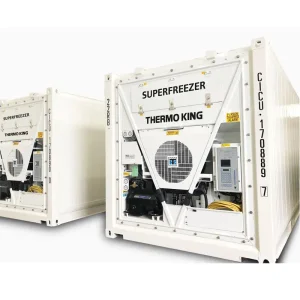
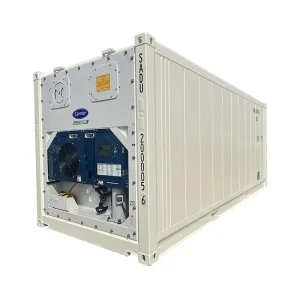
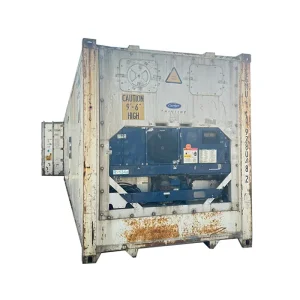
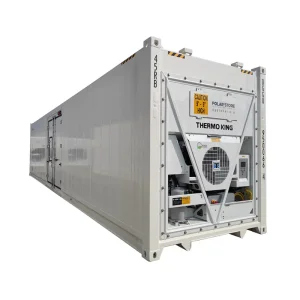
| Refrigerated Container (Reefer) | 20ft / 40ft HC | Stainless Interior, Daikin/Carrier/Thermo King Units | $11,200 – $18,500 | Built to Order |
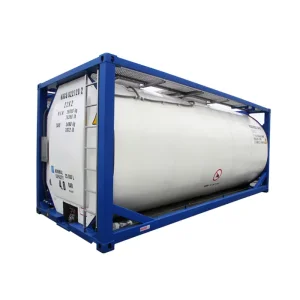
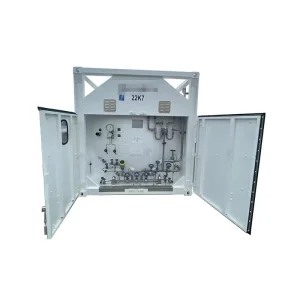
| Cryogenic Liquid Tank (T75) | 20ft ISO Frame | ASME VIII / EN13530, Vacuum Multilayer Insulation | $24,000 – $38,000 | Custom Drawing |
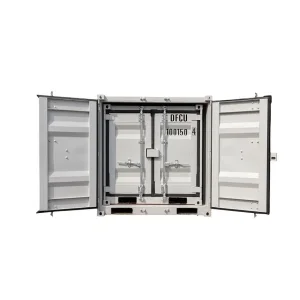
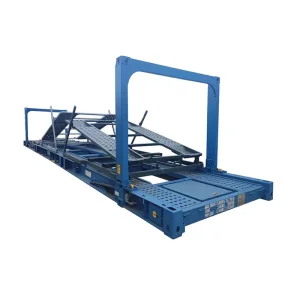
| Offshore DNV Heavy Unit | 10ft / 20ft / Half Height | DNV 2.7-1 / EN 12079 Certified, Certified Pad-eyes | $4,800 – $9,200 | Class Inspected |
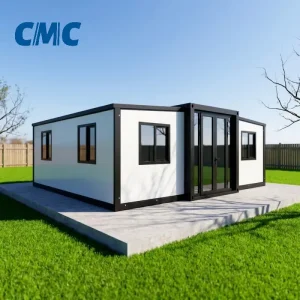
| Modular Living / Office Box | 20ft Expandable | Galvanized Light Steel Frame, Rockwool Fireproof Panels | $3,500 – $7,800 | Prefab Stock |
*Indicative baseline pricing valid for project planning. Final costs depend on batch volume, paint systems, interior fit-outs, and component brands.
From offshore extraction to deep continental cold-chains, discover how custom intermodal containers solve specialized logistics and infrastructure challenges.
Equipped with precise CA (Controlled Atmosphere) nitrogen injection and moisture-balancing ventilation, reefer units preserve fruit, seafood, and meat freshness across multi-week trans-ocean voyages.
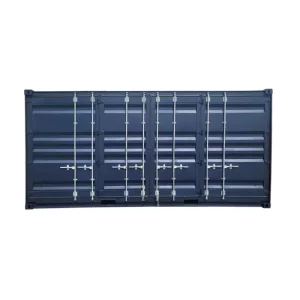
Side-opening configurations allow rapid pallet loading straight from field-side packing houses, maintaining harvest quality and minimizing handling steps.
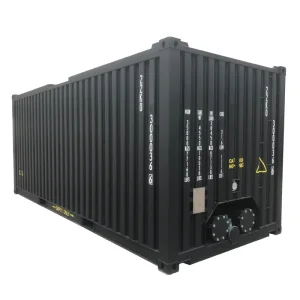
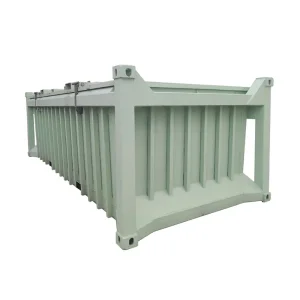
Exploration platforms and FPSO support vessels operate in harsh maritime atmospheres. Heavy-duty half-height and dry containers certified to DNV 2.7-1 safely transport drill pipe, chemicals, and drill bits.
Specialized pad-eyes, heavy lifting slings, and marine paint systems resist salt spray corrosion, dynamic sea swell impacts, and high cyclic shock loads.
Factory-modified ISO containers serve as plug-and-play enclosures for Battery Energy Storage Systems (BESS), water treatment plants, and remote edge-computing data clusters.
Reinforced structural bases handle high equipment weight, while integrated fire-suppression conduits, thermal insulation, and HVAC cutouts speed up commissioning at destination.
Key considerations regarding minimum order quantities, bespoke engineering options, classification inspections, and global delivery methods.
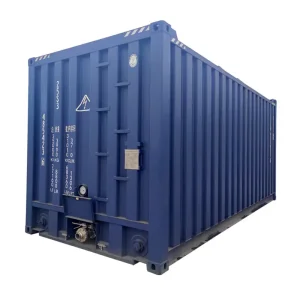
For standard dry and modular containers, orders can start from 1 to 2 units for standard inventory. Highly tailored ODM projects requiring custom stamping tooling, specialized openings, or bespoke dimensions generally require an initial batch of 5 to 10 TEU to balance stamping setup costs.
Container rates align closely with hot-rolled atmospheric Corten steel coils, global intermodal trade volume, and vessel scrap rates. Quotations are typically fixed for 15 to 30 days. For large fleet expansions, forward raw-material lock-in agreements can provide stable budgeting over extended cycles.
Every production run undergoes strict quality control checks: full weather-resistance and water spray testing under 2-bar nozzle pressure, floor load deflection tests, structural dimensional tolerance verification, and magnetic weld inspections. Special containers also undergo pull tests on lifting points and load cell testing.
Yes. We install major global refrigeration brands including Carrier Transicold, Daikin, and Thermo King. This flexibility allows fleet operators to select systems that match their local technician certifications, spare parts inventories, and port servicing contracts.
Standard ISO dry and refrigerated containers ship within 2 to 4 weeks after drawing sign-off. Engineered special units (T75 cryogenic tanks, side-opening configurations, and modified housing shelters) require 4 to 8 weeks depending on component sourcing and class certification schedules.
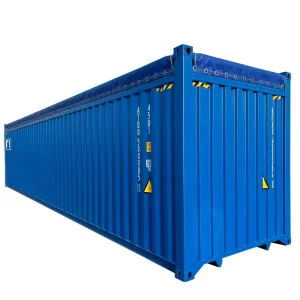
Engineered for cold storage, chemical transit, dynamic site accommodation, and heavy bulk freight handling across international supply chains.