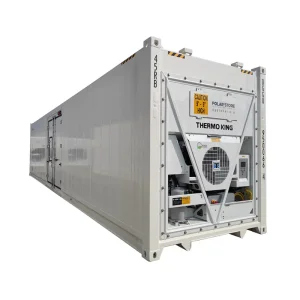
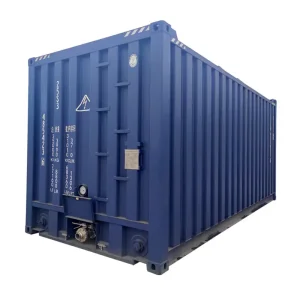
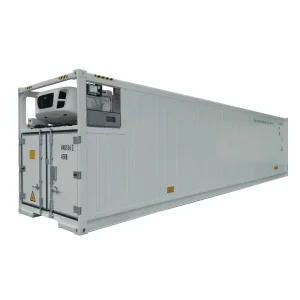
Explore immediate baseline unit pricelists across heavy-gauge insulated units, deep-freeze cold storage enclosures, and modular multi-tier housing modules.
The transition from conventional on-site brick-and-mortar masonry to industrialized, modular off-site building systems has accelerated dramatically across North America, Europe, Australia, and Africa. Driven by severe labor bottlenecks, volatile material costs, and stringent ESG compliance mandates, industrial stakeholders are standardizing commercial deployments on Corten-steel ISO volumetric frames.
By shifting structural assembly, MEP (mechanical, electrical, and plumbing) rough-ins, and interior lining installation into certified assembly line environments, construction project cycles shrink by 40% to 65%. Prefabricated container structures eliminate on-site meteorological disruptions, minimizing downtime and overhead expenditure.
Utilizing high-tensile SPA-H Corten structural steel corrugations and heavy corner casting posts rated for 9-high fully loaded stacking (ISO 1496-1), modular container units withstand seismic shear stresses exceeding 8.0 on the Richter scale and survive sustained coastal typhoons without envelope rupture.
Modular steel components embody up to 80% lower lifetime carbon footprints compared to cast-in-place concrete structures. Decommissioned maritime units converted via OEM refurbishment techniques enter closed-loop lifecycles, enabling rapid demountability, relocation, and complete spatial reconfiguration.
Procurement teams require total visibility into bill-of-materials drivers. The following benchmark pricelist reflects current factory-gate (FOB Tianjin/Shanghai) cost ranges across standardized baseline models and heavily engineered customized adaptations.
| Module Category | Core Structural Dimensions | Insulation & Thermal Core | Structural Certification | Estimated OEM FOB Unit (USD) |
|---|---|---|---|---|
| Standard Flat-Pack Living Module | 20ft (5898 × 2352 × 2393 mm) | 50mm/75mm Rockwool Sandwiched (A1 Fire) | CE, ISO9001, BV Factory Verified | $2,200 – $3,800 |
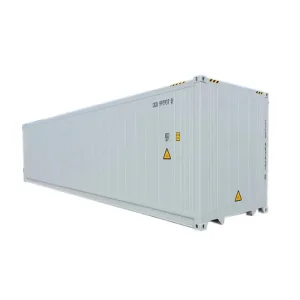
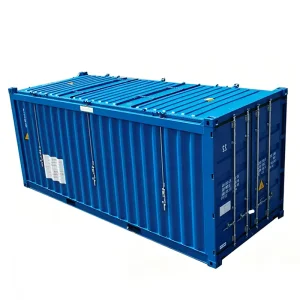
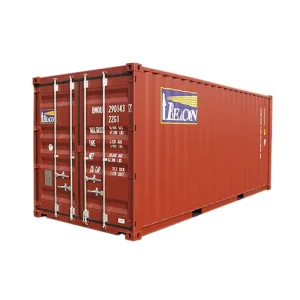
| Heavy-Duty ISO Shipping Conversions | 40ft HC (12192 × 2438 × 2896 mm) | 100mm Polyurethane (PU) Closed-Cell Spray | ISO 1496-1, CSC Plate Certified | $7,500 – $13,500 |
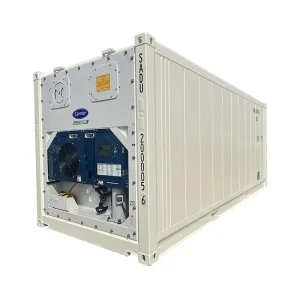
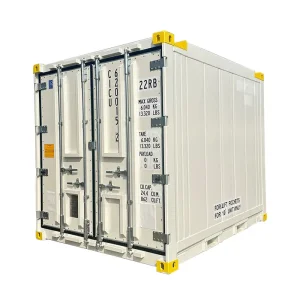
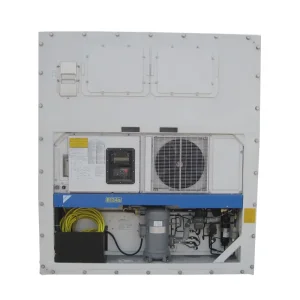
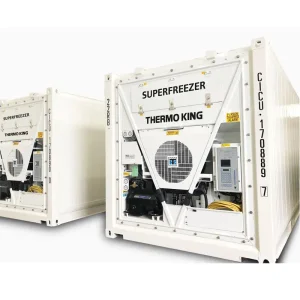
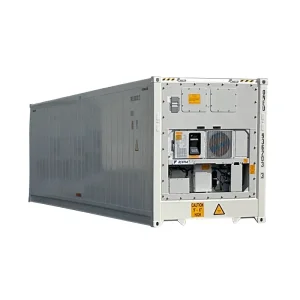
| Deep-Freeze Controlled Atmosphere Reefer | 20ft – 40ft HC High Insulation | Rigid High-Density Cyclopentane PU Core | Carrier / Daikin / Thermo King Classified | $14,500 – $28,000 |
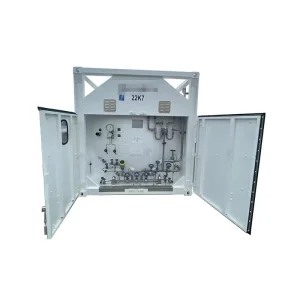
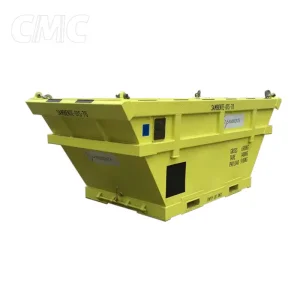
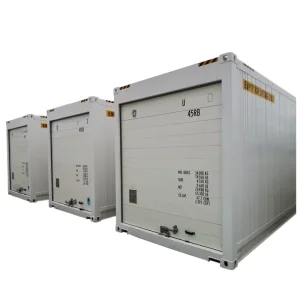
| DNV 2.7-1 Offshore Certified Enclosure | 10ft – 20ft Dynamic Lifting Rated | Dual-Skin Fire-Rated Ceramic Fiber Blanket | DNV GL ST-E271, EN12079 Compliant | $11,000 – $24,500 |
| Luxury Expandable Capsule / Pod | Multi-Wing Expanding (36m²–72m²) | PIR Composite Cladding + Low-E Thermal Glazing | Structural Engineering Stamped (AU/US/EU) | $12,500 – $26,000 |
*Notice: Quotation baselines are influenced by raw steel market indexation (Corten/Q235/Q355), MEP integration grades (UL/CE/SAA electrical harness standards), and interior turnkey fittings. Dedicated RFQs include custom engineering stress calculation files.
Off-the-shelf housing systems regularly fail in extreme environmental niches. CIMIC engineers container modules to match specific regional building codes, climate envelopes, and logistics networks.
Designed for resource exploration operations and remote worker villages. High-albedo PVDF outer coatings resist solar radiation up to 55°C ambient temperatures, supplemented by continuous double-roof shade fly structures and heavy-duty Daikin tropicalized HVAC systems that maintain optimal indoor conditions without thermal bridging.
Engineered to satisfy stringent Scandinavian and Canadian building envelopes. Utilizing multi-layered vacuum insulation panels (VIP) and high-density PIR cores attaining U-values below 0.15 W/m²K, paired with argon-filled triple-glazed fenestration systems rated for snow loads exceeding 2.5 kN/m².
Compact, stackable intermodal formats optimized for dense city infills across Western Europe and Japan. Modules integrate plug-and-play graywater recovery loops, acoustic decoupling sub-flooring reducing impact sound transmission below 45 dB, and automated smart-building control microcontrollers.
Volumetric container fabrication extends far beyond worker bunks. CIMIC supplies specialized structural solutions powering vital sectors across global utility, pharmaceutical, and logistics networks.
Reinforced ISO enclosures designed to house megawatt-scale lithium iron phosphate (LiFePO4) energy arrays. Enclosures integrate inert gas aerosol fire suppression systems (NFPA 855), internal thermal deflection blast baffles, and dual-redundant HVAC chilled water distribution piping for uninterrupted renewable grid balancing.
Fully compliant BSL-2 and BSL-3 laboratory units manufactured in sterile, factory-controlled conditions. Enclosures feature seamless antistatic vinyl surfaces, negative-pressure laminar HEPA air filtration systems, hermetic airlocks, and integrated waste deactivation storage tanks for deployment in epidemiological emergency corridors.
Mobile high-density edge compute enclosures engineered with ISO corner castings for rapid cargo vessel, flat-bed truck, and rail transit. Units incorporate localized electromagnetic interference (EMI) shielding, hot/cold aisle containment layouts, redundant UPS power backups, and automated remote telemetry links.
The manufacturing blueprint for prefabricated container structures is rapidly shifting from passive metal shells toward smart, active, carbon-negative building blocks.
Eliminating petroleum-derived foam insulations by integrating silica-aerogel nanocomposites and paraffin-based phase-change wallboards (PCMs). These materials absorb latent heat during daytime temperature peaks and release it during nighttime drops, reducing active HVAC power requirements by up to 34%.
Deploying automated multi-axis fiber-laser seam welders with integrated computer vision scanning. This eliminates microscopic seam imperfections, boosts weld yield strength by 22%, and produces hermetically sealed structural enclosures with an extended operating lifespan past 30 years without panel corrosion.
Every structural post is embedded with strain gauges and humidity sensors communicating over low-power satellite protocols. Fleet operators monitor stress fatigue during ocean crossings and detect moisture intrusion before wallboard delamination can occur, drastically cutting life-cycle warranty claims.
Clear, direct answers regarding custom modifications, quality assurance protocols, international logistics, and building code compliance.
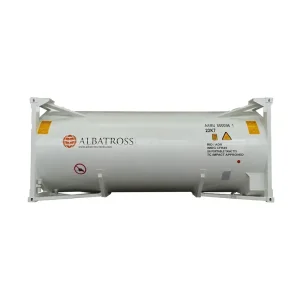
Complete your supply chain infrastructure with specialized intermodal assets, cryotankers, high-cube rail modules, and offshore dynamic lifting platforms.