
Standard ISO Build
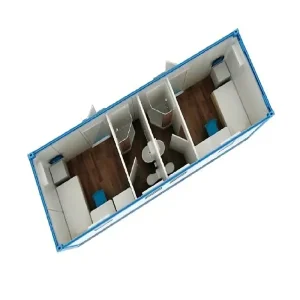
Engineered to seismic standards (CBC Zone 4) and California Title 24 building envelope specifications, these turnkey units streamline rapid on-site commissioning across San Francisco, San Jose, and the East Bay.
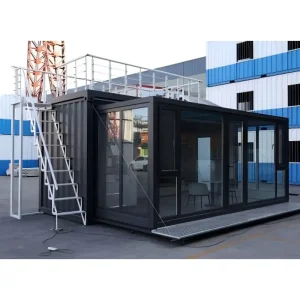
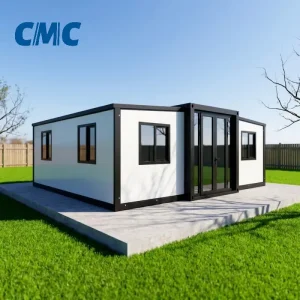
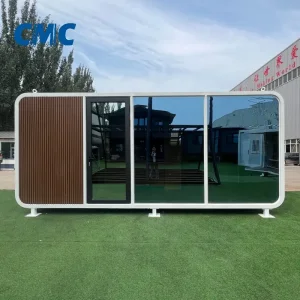
A data-backed assessment of modular container adoption throughout Northern California urban infill zones, logistics nodes, and international offshore trade corridors.
The San Francisco metropolitan district and the broader Silicon Valley ecosystem face unprecedented spatial constraints, high on-site unionized labor expenses, and rigorous municipal construction regulations. Under the oversight of the San Francisco Department of Building Inspection (SF-DBI) and California Housing and Community Development (HCD) Factory-Built Housing (FBH) statutes, traditional wood-frame and concrete builds often exceed $950 to $1,300 per square foot, with timelines stretching past 24 months due to environmental review bottlenecks.
Industrial modular container architecture addresses these friction points by transposing up to 90% of structural, mechanical, electrical, and plumbing (MEP) fabrication to offshore manufacturing facilities. From seismic reinforcements (conforming to California Building Code Chapter 16 and ASCE 7-16) to Title 24 Part 6 energy compliance featuring thermal-break curtain walls and high-density polyisocyanurate (PIR) insulation, volumetric containers delivered directly via the Port of Oakland offer an agile, cost-certain construction methodology for corporate campuses, edge computing shelters, and urban workforce housing developments.
Globally, the intermodal and modular equipment market is transitioning from basic maritime logistics containers into sophisticated, high-performance structural building blocks. With international decarbonization mandates accelerating under IMO 2030 and European/American Life Cycle Assessment (LCA) mandates, industrial modular construction is recognized for reducing embodied carbon by up to 45% compared to cast-in-place concrete structures. The structural longevity of marine-grade Corten steel (SPA-H) guarantees structural resilience against salt fog, dynamic shear stresses, and high payload stacking.
Supply chain security requires direct-from-mill integration where raw coiled Corten steel, automated robotic welding, automated shot-blasting, and epoxy-zinc thermal spray systems occur within dedicated export hubs like Tianjin and Suzhou. By utilizing established trans-Pacific maritime routes operating directly into Northern California gateway terminals, global developers avoid tier-3 middleman markups while locking in transparent manufacturing lead times.
Tailored structural configurations addressing zoning challenges, microclimate demands, and commercial operational requirements across San Francisco and adjacent districts.
The life sciences hub of South San Francisco requires high-velocity expansion capabilities for cleanroom annexes, cold pharmaceutical specimen storage, and biocontainment buffer zones. Modular containers fitted with pharmaceutical-grade stainless steel internal linings, HEPA filtration integration, and Carrier/Daikin hermetic precision temperature monitoring units allow research facilities to deploy operational labs in parking lots or warehouse interiors within weeks rather than quarters.
With generative AI compute demands outpacing conventional data center construction cycles in Santa Clara and San Jose, high-cube 20ft and 40ft containers serve as containerized power distribution centers (PDCs) and liquid-cooled modular data centers (MDCs). Integrated heavy-load floor beams accommodate high-density server racks up to 35,000 lbs per module, protected by anti-corrosive multi-coat polyurethane systems rated for sub-station electromagnetic shielding.
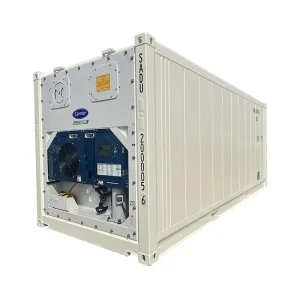
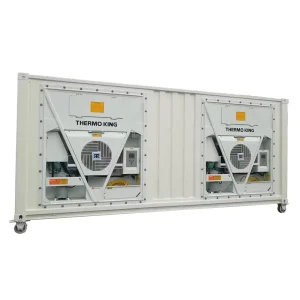
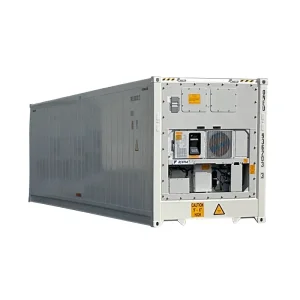
As Northern California’s primary agricultural and perishable export gateway, the Port of Oakland processes intensive seasonal fruit, wine, and protein shipments. Our blast reefer containers and multi-temperature partition reefers provide regional distributors with off-dock holding buffers. Equipped with dual-speed scroll compressors and digital telematics, these containers eliminate temperature excursions under the Northern California heatwaves.
Navigating San Francisco’s Proposition 216 and SB 9/SB 10 zoning relief, real estate owners and developers leverage flat-pack and expandable container homes for accessory dwelling units (ADUs) and transitional workforce micro-studios. The pre-installed conduits, drywalls, wet-bath fixtures, and seismic perimeter hold-down anchors allow quick crane placement onto helical pier foundations with minimal neighborhood noise pollution.
Reference procurement pricing based on standard export configurations, factory certifications, and trans-Pacific freight staging for the San Francisco Bay Area maritime corridor.
| Container Model & Type | Dimensions (L × W × H) | Structural / Insulation Spec | Regulatory Compliance | Est. Factory Price (FOB Tianjin) | Landed Est. (CIF Port of Oakland) |
|---|---|---|---|---|---|
| 20ft Standard Modular House | 6,058 × 2,438 × 2,896 mm | Corten steel, 75mm PIR (R-24), MGO floor | ISO 1496-1, CBC Zone 4, CE | $4,800 – $6,500 | $7,100 – $9,200 |
| 20ft Expandable Modular Pod (Dual Wings) | 5,900 × 6,300 × 2,480 mm (Open) | Hydraulic/hinged frame, sandwich panel R-28, turnkey bath | Title 24 Part 6, UL wiring components | $8,200 – $11,500 | $11,200 – $15,000 |
| 40ft High Cube Accommodation Modular | 12,192 × 2,438 × 2,896 mm | Heavy-gage SPA-H, 100mm PU spray foam, dual bedrooms | ISO, BV Certified, CBC Structural | $11,500 – $15,800 | $15,500 – $20,200 |
| 20ft Apple Cabin / Garden Office Pod | 5,800 × 2,250 × 2,450 mm | Aviation aluminum skin + galvanized frame, tempered glass | Soundproof STC 42, Title 24 envelope | $7,200 – $9,800 | $9,800 – $12,900 |
| 40ft HC Daikin / Carrier Reefer Cold Storage | 12,192 × 2,438 × 2,896 mm | SUS304 food-grade interior, -30°C to +30°C unit | BV, ATP, CSC Certified | $17,500 – $24,000 | $21,000 – $28,500 |
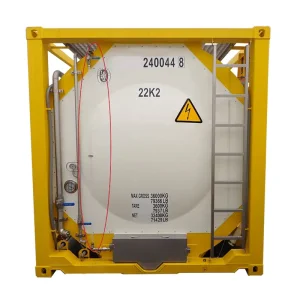
| 20ft ISO Heavy-Duty Tank Container | 6,058 × 2,438 × 2,591 mm | 316L Stainless Steel vessel, insulation jacket, steam heat | ASME 'U', IMDG T11, ADR/RID | $18,000 – $26,500 | $21,500 – $30,800 |
*Note: Pricing fluctuates based on global Corten steel index (HRC), trans-Pacific container shipping spot indices (SCFI), and project-specific finishes. All units engineered for North American intermodal transport standards.
How CIMIC integrates Building Information Modeling (BIM), advanced metallurgical anti-corrosion, and intelligent IoT energy diagnostics into every exported container.
Automated plasma cutting lines ensure structural corner casting and rail tolerance within ±0.5mm. Fully automated multi-axis submerged arc welding guarantees absolute shear strength for up to 9-high container stacking under harsh California seismic moments.
Eliminating thermal bridging via internal aerogel strips and closed-cell PIR foam. Factory-installed conduit runs conform to the National Electrical Code (NEC 2023) and California Title 24 low-flow graywater recycling hookups for seamless municipal tie-ins.
Integrated structural strain sensors and digital telematics log container temperature, humidity, and micro-movements during trans-oceanic passage and on-site operation. Optional folding rooftop photovoltaic arrays deliver off-grid emergency power capabilities.
From factory floor in Tianjin/Suzhou directly to job sites in San Francisco, Oakland, or Silicon Valley without staging delays.
Navigating maritime logistics requires deep familiarity with Bay Area transport corridors. Once containers clear US Customs and Border Protection (CBP) at the Oakland International Container Terminal (OICT) or TraPac, our logistics logistics partners coordinate California Air Resources Board (CARB)-compliant clean drayage trucks.
We provide comprehensive documentation sets prior to vessel arrival, including the commercial invoice, packing list, Bureau Veritas (BV) structural certificate, CSC safety plate certification, and complete material safety data sheets (MSDS) to eliminate demurrage and pier detention fees.
Urban San Francisco sites frequently exhibit narrow access easements and steep topological inclines. Modular container deployment minimizes disruption by using mobile hydraulic crane picks (typically 50-ton to 100-ton capacity) directly onto pre-engineered foundation systems.
Whether utilizing seismic grade beams, concrete pier footings with embedded steel plates for twist-lock or welded attachment, or helical screw piles for eco-sensitive hillside lots in Berkeley or Marin County, modular installation is concluded within hours instead of months.
Direct answers from our senior structural and export engineering team covering local building codes, freight handling, and structural customization.
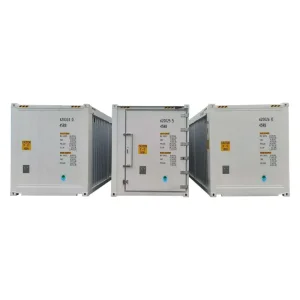
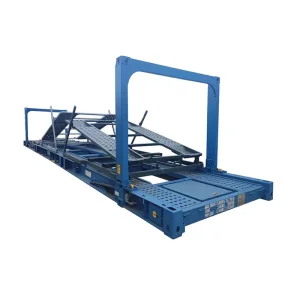
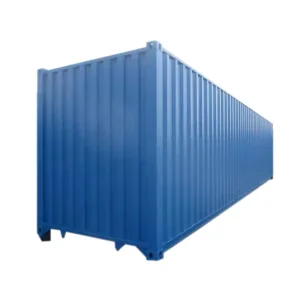
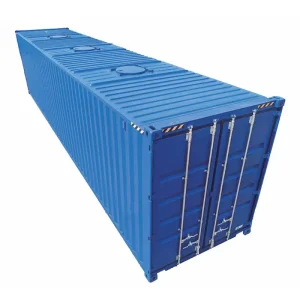
Engineered to international classification standards, our heavy-duty reefers, tank containers, and intermodal transport units serve maritime fleets and regional industrial corridors.
Receive complete architectural BIM files, PE structural calculation sheets, and locked-in CIF Port of Oakland pricing from our senior container design team within 24 hours.
Send Inquiry Now & Request Engineering Catalog