Certified containers engineered for extreme Middle Eastern ambient heat, top-lift gantry cranes, and intermodal transport across GCC rail and maritime arteries.
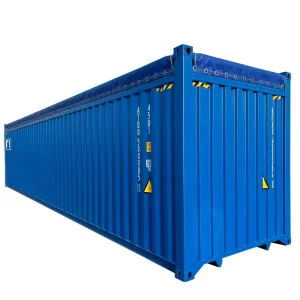
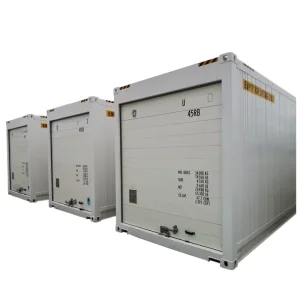
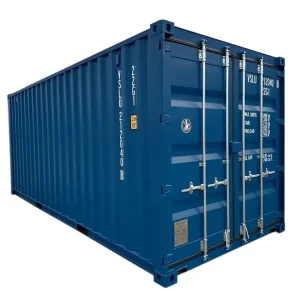
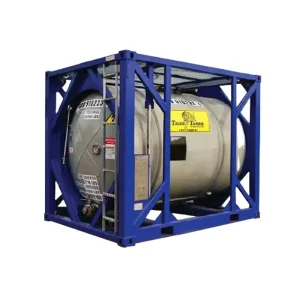
The Sultanate of Oman is undergoing a historical logistical reorientation under Oman Vision 2040. With substantial fiscal investments channeled into the Special Economic Zone at Duqm (SEZAD), the Port of Salalah transshipment terminal, and the Sohar Industrial Port cluster, the nation has emerged as a premier trans-Indian Ocean trade gateway. This intensive industrialization has radically transformed procurement criteria for standard and specialized intermodal containers, elevating the soft-top open-top container from a niche requirement to a mission-critical asset.
The continuous expansion of upstream drilling in Nimr, Marmul, and the Khazzan tight gas field generates immense demand for overhead-crane-loaded drilling strings, blow-out preventers (BOPs), and oversized downhole mud motors. Standard end-loading containers induce massive operational bottlenecks. Soft-top open-top containers enable direct vertical crane lowering into the container envelope, secured with multi-point heavy-duty deck rings.
Oman holds some of the world’s largest high-purity gypsum reserves around Salalah, alongside extensive marble and limestone quarries in the Al Hajar mountains. Transporting massive, irregular stone blocks and bulk minerals requires top loading with grab cranes and protective, high-tensile tarpaulins that isolate loads from hyper-arid windstorms, desert humidity, and high ultraviolet degradation.
As the Hafeet Rail link connects Sohar to Abu Dhabi and the wider GCC railway, container fleets must support rapid multimodal transfers between container chassis, rail flatcars, and deep-sea vessels without risk of cargo shifting. Soft-top models allow out-of-gauge (OOG) machinery height flexibility while maintaining standard ISO outer dimensional envelopes when battened down.
International EPC contractors, oilfield logistics integrators, and global maritime charterers operating across Muscat, Sohar, and Duqm face rigorous requirements when sourcing open-top equipment. Unlike generic dry boxes with cut roofs, genuine engineered soft-top open-top containers must balance structural rigidity against racking forces without a rigid steel roof sheet.
To achieve full compliance with ISO 1496-1 and withstand 9-high fully loaded stacking (30,480 kg or 32,500 kg M.G.W.), our soft-top containers utilize Corten-A (SPA-H) weathering atmospheric corrosion-resistant steel throughout the corner posts, bottom side rails, and reinforced top rails.
The protective barrier of a soft-top container is its tarpaulin system. When exposed to the relentless 45°C+ summer climate and intense solar irradiation of the Arabian Peninsula, sub-standard covers degrade within months.
| Technical Parameter | 20ft Soft-Top Standard | 40ft Soft-Top High-Cube (HC) | Customized 40ft Mining Spec |
|---|---|---|---|
| External Dimensions (L x W x H) | 6,058 x 2,438 x 2,591 mm | 12,192 x 2,438 x 2,896 mm | 12,192 x 2,438 x 2,591 mm / 2,896 mm |
| Internal Dimensions (L x W x H) | 5,898 x 2,352 x 2,348 mm | 12,032 x 2,352 x 2,655 mm | Customized internal height clearances |
| Roof Opening Dimensions | 5,438 x 2,230 mm | 11,572 x 2,230 mm | Clear overhead aperture for gantry cranes |
| Max Gross Weight (M.G.W.) | 30,480 kg (67,200 lbs) | 32,500 kg (71,650 lbs) | Up to 34,000 kg Heavy Load Rated |
| Tare Weight | 2,350 kg (5,180 lbs) | 3,980 kg (8,774 lbs) | Reinforced heavy-duty floor spec (~4,200 kg) |
| Payload Capacity | 28,130 kg (62,020 lbs) | 28,520 kg (62,876 lbs) | Up to 29,800 kg |
| Flooring Substrate | 28mm Marine Hardwood Plywood | 28mm Keruing / Bamboo Composite | 6mm Checkered Steel / Dual Plate Floor |
| Tarpaulin Material | 680 g/m² Heavy PVC, UV Treated | 900 g/m² Panama Weave PVC | Flame Retardant, Anti-Abrasion Chemical PVC |
| Door Header Configuration | Detachable Swing-out type | Detachable Swing-out type | Hydraulic-assist or quick-pin swing out |
| International Approvals | ISO 668, ISO 1496-1, CSC, TIR | ISO 668, ISO 1496-1, CSC, TIR, BV | DNV / CSC Marine Classification |
Deploying specialized soft-top open-top containers resolves systemic bottlenecks in high-tonnage cargo handling, reducing terminal demurrage, minimizing transloading hazards, and eliminating reliance on breakbulk vessels.
Industrial gearboxes, heat exchanger bundles, and centrifugal pump skids bound for the Duqm Refinery cannot be maneuvered through standard rear dry container doors. Soft-top containers allow top crane slinging with zero lateral interference. Internal 2,000 kg capacity D-rings on top and bottom side rails provide engineered lashing geometry complying with CTU Code standards.
Sohar's burgeoning metallurgical processing complexes produce specialized pipe spools, seamless casing pipes, and long structural I-beams. Loading 11.8-meter bundled steel pipes via conventional forklifts risks mast damage and worker injury. Overhead magnetic or spreader beam cranes lower entire bundles directly into a 40ft Soft-Top High-Cube within minutes.
With massive hydrogen initiatives underway in Dhofar and Al Wusta, thousands of solar mounting structures, electrolyzer skid modules, and cabling reels require swift handling. Soft-tops allow top-down positioning of sensitive power conversion components, protecting them with TIR-sealed covers across punishing desert routes.
Logistics equipment engineering is advancing beyond static steel enclosures. Our modern manufacturing roadmap integrates advanced metallurgical processing, composite covers, and intelligent sensor arrays designed specifically for extreme Middle Eastern environments.
Remote desert transits between coastal ports (Muscat, Sohar) and remote inland oil concessions (Fahud, Nimr) present cargo visibility challenges. Our upcoming smart soft-top modules feature solar-powered, ATEX Zone-2 certified telematics. Integrated fiber-mesh tarpaulins identify tears or unauthorized tampering in real time, transmitting immediate tamper alerts and GPS coordinates via satellite downlink to fleet management centers.
Oman’s ambient solar radiation can elevate steel container internal temperatures beyond 70°C, risking damage to sensitive electrical equipment, coiled tubing seals, and specialized composite components. Next-generation soft-tops integrate nano-ceramic reflective outer coatings on top side rails and heat-reflective pigments in the PVC tarpaulin matrix, achieving a 20°C drop in peak internal temperatures without mechanical refrigeration.
Importing and operating intermodal equipment in Oman requires rigorous adherence to local regulatory agencies, royal decrees on industrial transport, and international classification frameworks. Our production line delivers full turnkey compliance documentation with every unit dispatched.
Each soft-top container is fitted with a stainless steel International Convention for Safe Containers (CSC) safety approval plate, certified by Bureau Veritas (BV) or Lloyd's Register. This certifies 9-high stacking capability, transverse racking resistance, and end-wall strength, ensuring instant acceptance by Omani port operators (Asyad Group) and shipping lines.
Oman’s Royal Oman Police (ROP) Directorate General of Customs operates the integrated "Bayan" single-window customs system. Our export division prepares verified HS-code documentation (8609.00), Certificate of Origin attested by official chambers, and factory mill test certificates (MTC), accelerating Bayan clearance at Sohar, Port Sultan Qaboos, and Salalah.
For vendors supplying oilfield equipment directly into PDO concession boundaries, containers must fulfill stringent road safety, mechanical lifting, and securing specifications. We fabricate dedicated low-position and high-position internal tie-down eyes, load-certified flooring, and reflective high-visibility safety markers in complete accordance with PDO transport protocols.
Consult with our senior container structural engineers. We provide CAD layouts, load distribution simulations, and tailored delivery schedules directly to Sohar, Duqm, or Salalah.
Direct answers to mission-critical engineering, structural, and logistical questions frequently raised by procurement directors and oilfield operations managers.
A soft-top open-top container utilizes removable curved steel roof bows covered by a heavy-duty, weather-resistant PVC tarpaulin secured with a TIR cable, making it lighter and exceptionally flexible for top loading irregular or slightly out-of-gauge (OOG) machinery. A hard-top container features a rigid, detachable steel roof panel that requires a spreader beam or crane hoist to lift off, adding tare weight and reducing total allowable cargo payload.
The rear upper door header is mounted on dual-axis structural hinges that swing out 90° or 180° to the side, or can be detached entirely via quick-release locking pins. This eliminates overhead height restrictions at the rear door, allowing forklifts carrying tall cargo or overhead cranes to drive long items horizontally straight through the rear threshold without snagging the frame.
Yes. Under ISO 1496-1 and CSC standards, open-top containers must pass identical corner post compression and transverse racking tests as standard closed dry boxes. The absence of a fixed roof plate is structurally compensated by heavy-walled rectangular tubular top side rails and high-strength Corten steel corner posts capable of withstanding 86,400 kg corner post superimposed test loads.
Our tarpaulins use 680 to 900 g/m² Panama-weave polyester matrix fabrics coated with high-grade virgin PVC infused with hindered amine light stabilizers (HALS) and UV blockers. This prevents polymer embrittlement, fabric cracking, and delamination even under sustained 50°C summer conditions in inland desert regions like Fahud and Nimr.
Factory fabrication typically takes 15 to 25 business days depending on order volume and custom modifications. Ocean transit from Tianjin or Shanghai to Sohar or Salalah averages 18 to 24 days via direct Middle East express container loops. Total procurement cycle from drawing sign-off to quay arrival is normally 35 to 45 calendar days.
Absolutely. While standard configurations feature 28mm marine-grade plywood and 1,000 kg side lashing rings, we routinely engineer customized heavy-industry variants. Options include 4.5mm or 6.0mm checkered steel floors welded directly to transverse crossmembers, 2,500 kg to 4,000 kg forged flush-mounted deck lashing rings, and reinforced forklift pocket inserts.
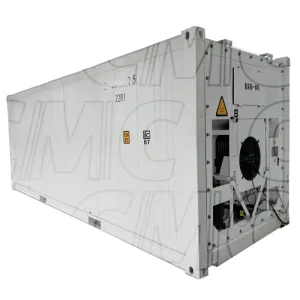
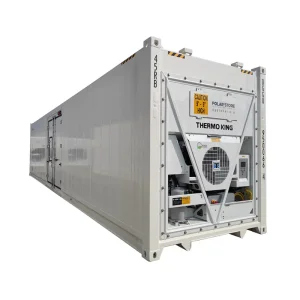
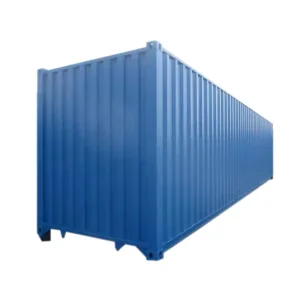
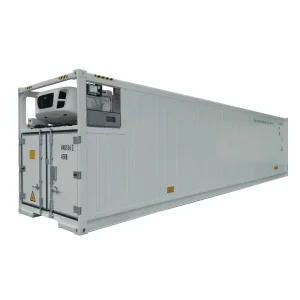
Comprehensive equipment manufactured to Bureau Veritas, ISO, and DNV standards for offshore, chemical, cold storage, and heavy dry cargo logistics across the Sultanate.
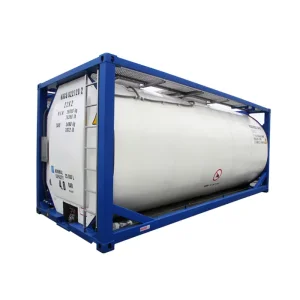
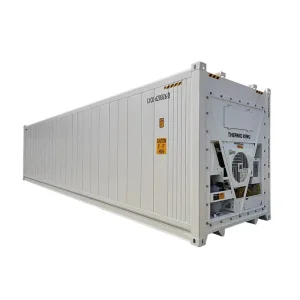
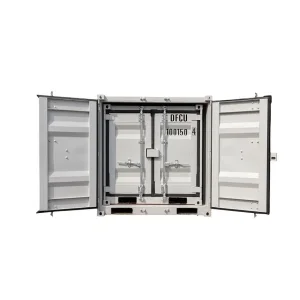
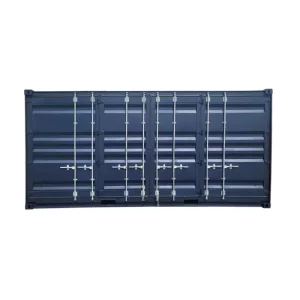
Whether procuring single prototype units for testing at Port of Duqm or contracting comprehensive fleet expansions for cross-border GCC freight forwarding, our engineering group guarantees strict compliance, transparent metallurgical trace reports, and comprehensive port-to-port logistics support.
Send Inquiry Now