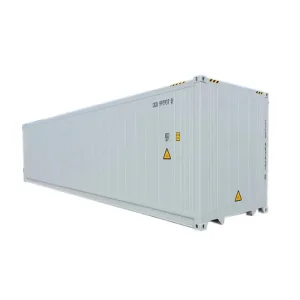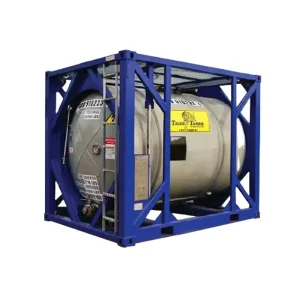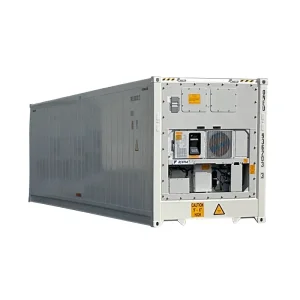
Direct manufacturer deployment covering specialized intermodal ISO tanks, standard 20ft dry storage frames, and bespoke engineering platforms for commercial freight lines.
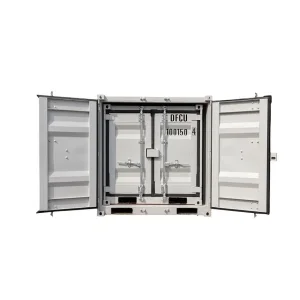
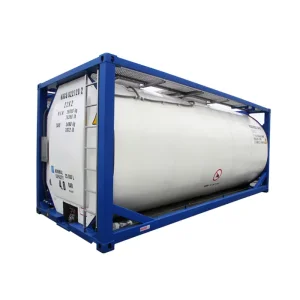
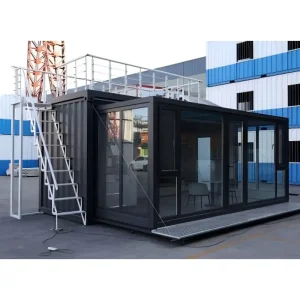
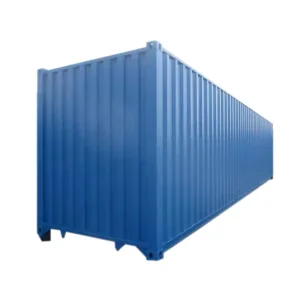
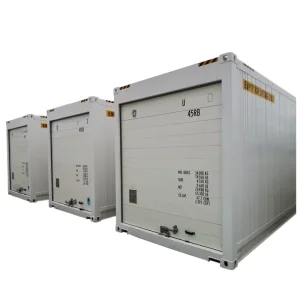
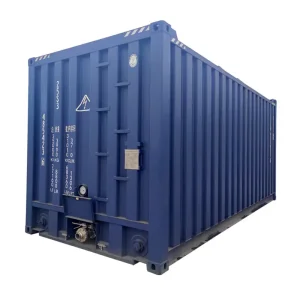
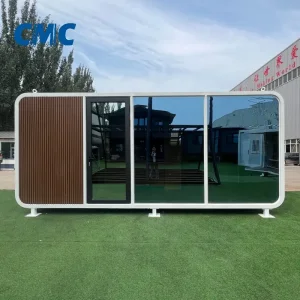
Engineering parameters that separate marine-grade 20ft containers from commercial lightweight boxes, providing critical resistance to dynamic racking stresses and salt-fog oxidation.
Fabricated using authentic atmospheric corrosion-resistant SPA-H alloy steel. When subjected to marine moisture, Corten forms a dense, passivated patina layer that arrests rust migration, extending operational life beyond 25 years under high UV and chemical exposure.
Cast structural steel corners tested to absorb up to 86,400 kg of stack compression. Precision-machined to ISO 1161 conventions, each module accommodates 9-high stacking ratios aboard modern ultra-large container vessels (ULCVs) without corner post deflection.
Internally fitted with dense 19-to-21 ply Apitong/Keruing timber certified under Australian Department of Agriculture Quarantine inspection benchmarks. Resists up to 7,260 kg axle loads during intensive forklift loading cycles, pressure-treated against moisture.
| Specification Attribute | Standard 20ft Dry Cargo (General) | 20ft High Cube (HC) Variant | 20ft ISO Chemical Tank Rig |
|---|---|---|---|
| External Dimensions (L x W x H) | 6,058 x 2,438 x 2,591 mm (20' x 8' x 8'6") | 6,058 x 2,438 x 2,896 mm (20' x 8' x 9'6") | 6,058 x 2,438 x 2,591 mm (ISO Framed) |
| Internal Volume / Capacity | 33.2 m³ (1,172 cu ft) | 37.4 m³ (1,320 cu ft) | 17,500 – 26,000 Liters |
| Tare Weight (±2%) | 2,150 – 2,220 kg (4,740 – 4,894 lbs) | 2,350 – 2,420 kg (5,180 – 5,335 lbs) | 3,400 – 3,750 kg (7,495 – 8,267 lbs) |
| Max Payload Capacity | 28,280 kg (62,346 lbs) | 28,080 kg (61,905 lbs) | 32,500 kg (Gross Operating Weight) |
| Compliance Standard | ISO 1496-1, CSC, UIC, TIR | ISO 1496-1, CSC, UIC, TIR | IMDG, ASME VIII, ADR/RID, DNV |
An executive analysis of weight-to-volume ratio optimization, intermodal road corridor routing, and localized capital expenditure efficiencies across enterprise fleets.
While 40-foot containers offer volume advantages for consumer goods, 20-foot units are essential for heavy, high-density industrial cargo. Metals, industrial chemicals, minerals, grains, and heavy machinery reach highway or rail bridge gross weight limits well before cubic volume is saturated.
Urban delivery zones, mining sites, and constrained infrastructure hubs struggle with 40ft/53ft semi-trailers. The 20-foot footprint allows short chassis access, flatbed roll-off trucks, and easy maneuvering via medium-capacity rough-terrain telehandlers and dock cranes.
Buying direct yields higher residual value over recurring lease rentals. Global logistics teams deploy new 20ft units as self-contained secure modular depots, satellite maintenance facilities, and secure field storage without permanent foundation zoning approvals.
Over 90% of global intermodal equipment originates in Chinese industrial clusters. Operating directly from our Tianjin and Suzhou production centers delivers concrete cost and lead-time advantages.
Immediate access to premier steel mills simplifies procurement of cold-rolled Corten coil steel with metallurgical test certificates (MTCs). Vertical integration insulates bulk orders from volatile global metal price fluctuations, maintaining firm container quotation validity windows.
Both Tianjin and Suzhou assembly complexes sit within roughly 100 kilometers of deep-water marine terminals. This layout eliminates expensive inland transport penalties, cuts handling shunting damage, and enables fast roll-on loading schedules direct to vessel berths.
New containers depart as Shipper-Owned Containers (SOC), carrying one-way cargo for ocean freight lines. This allows clients to offset substantial repositioning and delivery transit charges, often cutting initial shipping expenses in half on primary trade lanes.
How strict compliance engineering prevents costly port detentions, customs rejections, and structural safety liabilities across major international jurisdictions.
Every newly minted container receives an authorized stainless-steel CSC safety approval plate (Convention for Safe Containers). Our automated production is monitored under the direct oversight of Bureau Veritas (BV) or Lloyd's Register (LR), auditing longitudinal strength, roof tests, door seal elasticity, and floor deflections.
For deployment onto offshore drilling rigs, oil platforms, and vessel supply bases, standard dry freight boxes do not comply. We construct specialized 10ft and 20ft offshore units engineered with non-destructive weld testing (NDT), charpy impact resistance steel at -20°C, and rated certified multi-leg lifting slings.
Beyond traditional containerized ocean transport, modern industrial demand leverages the 20ft profile for advanced modular and mission-critical engineering solutions.
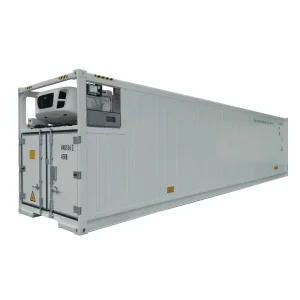
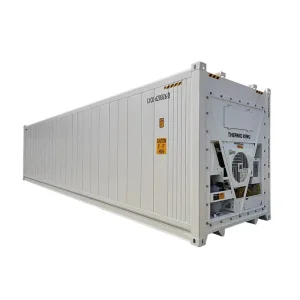
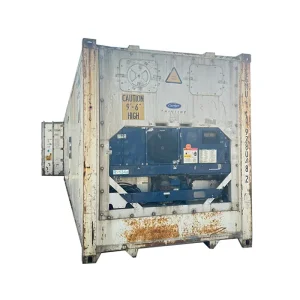
Outfitted with integrated Carrier, Thermo King, or Daikin refrigeration units, 20-foot reefers provide modular cold warehousing for fisheries, agricultural aggregation centers, and pharmaceutical distribution hubs requiring steady -30°C to +30°C temperature management.
The standard 20ft enclosure is the leading structural footprint for grid-scale lithium-ion battery banks. Factory alterations provide dedicated HVAC cutouts, explosion-relief roof hatches, thermal insulation, and fire containment bulkheads ready for balance-of-plant assembly.
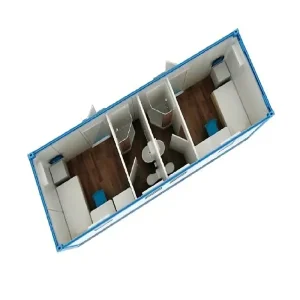
Engineered flat-pack and high-cube 20-foot shells allow fast conversions into turn-key site offices, sanitary shower facilities, medical pods, and hardened accommodation compounds that can be packed up and relocated on short notice as project phases advance.
Three industry developments shifting production benchmarks, digital monitoring capabilities, and residual container asset value over the next five years.
Factory-integrated IoT sensors provide real-time cellular and satellite tracking. Cargo operators track location, door access events, structural shock loads, and internal temperature and humidity through cloud dashboards, minimizing lost or damaged shipments.
To reduce VOC emissions during automated surface prep, factories use advanced waterborne zinc-rich primers and polyurethane topcoats. These low-emission coating systems maintain ASTM salt-spray performance while meeting strict ESG compliance mandates.
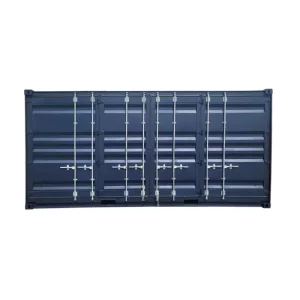
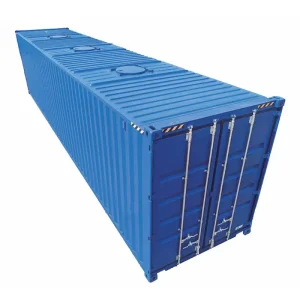
Demand is growing for non-standard door configurations, including full side-opening bifold doors, double-ended doors, and custom service hatches. These custom builds cut handling time for over-dimensional project cargo and automated warehouse loading docks.
Essential guidance from our engineering and export billing teams to help evaluate specifications, logistics plans, and quote line items.
A "one-trip" container is manufactured in China and loaded with cargo once to offset its transit costs, arriving at the destination in pristine condition with minimal scuffs and an active 5-year CSC safety cert. Used containers are typically 10 to 15 years old and retired from ocean leasing lines. While wind-and-water tight (WWT), they often have surface corrosion, multiple weld patches, and may require formal re-survey certification for marine intermodal transport.
Shipping via Carrier-Owned Containers (COC) often incurs demurrage, detention, and return repositioning fees if you face site or customs delays. With an SOC container, you own the equipment directly. You bypass daily carrier detention charges, manage your own storage schedule, and can resell or repurpose the container as an asset once unloaded at its destination.
Every commercial container purchase should include the factory-issued ISO 9001 quality certificate, classification society approvals (such as Bureau Veritas, ABS, or Lloyd's Register), a valid CSC safety plate certificate, timber quarantine treatment documentation (Australia/New Zealand compliance), and mill test certificates (MTC) verifying Corten SPA-H alloy steel composition.
Yes. We regularly supply ODM modifications for custom equipment housings, including water-jet cutouts, structural steel framing, thermal mineral wool insulation, louvered intake ventilation, roll-up shutter access, reinforced equipment skids, and electrical pass-throughs for generators, pumps, and water purification units.
Standard 20ft dry containers run on active production schedules, with lead times of 15 to 25 business days for batches of 10 to 200 units. Bespoke builds—such as side-door units, customized reefers, or insulated tanks—typically take 30 to 45 business days to finalize engineering drawings, build prototypes, and complete classification inspections before dispatch to the Tianjin or Shanghai port yards.
Explore custom variants including insulated thermal walls, DNV offshore modules, side-door cargo frames, and certified reefer boxes directly through our logistics team.