A data-backed assessment of cold-chain capital investment, equipment depreciation, and structural trade flow imbalances across modern industrial corridors.
The upfront acquisition cost of specialized refrigerated containers is fundamentally linked to metallurgical markets (SPA-H Corten steel), closed-cell polyurethane foam chemical inputs, and precision hermetic scroll compressors. Evaluating the total purchase outlay requires benchmarking base-box metallurgy against refrigeration unit configurations.
Electricity consumption accounts for upwards of 60% of total lifecycle costs during active intermodal transit and cold-storage depot operation. Microprocessor-controlled variable frequency drives (VFD) and modern low-GWP refrigerants drastically reduce aggregate kilowatt-hour draw across standard maritime 380V/460V 3-phase 50/60Hz supplies.
Regional asset value variances between export epicenters (e.g., East Asian manufacturing zones) and destination consumer markets directly affect secondary and new unit pricing. Acquiring units direct-from-factory minimizes deadweight repositioning surcharges and maritime detention penalties.
Engineered shipping, intermodal cold-storage, and customized heavy-duty logistics units direct from our pilot production base.
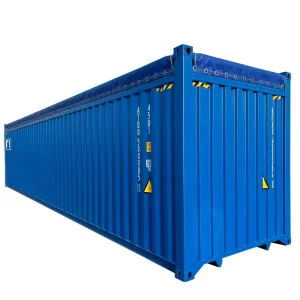
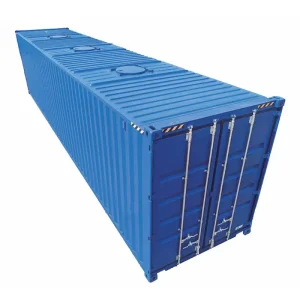
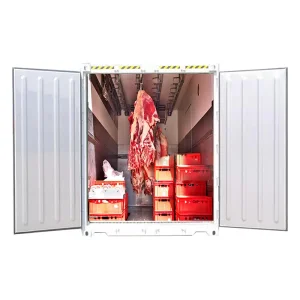
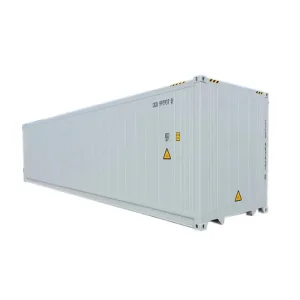
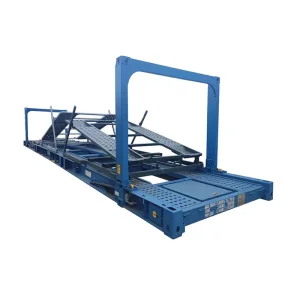
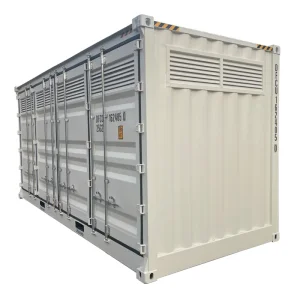
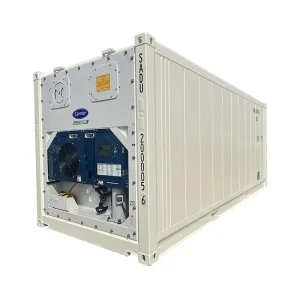
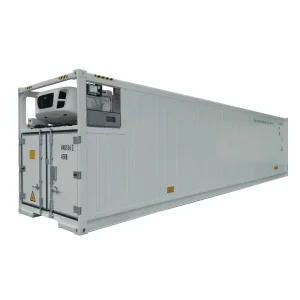
Granular architectural dissection of manufacturing inputs, thermal boundary assemblies, and recurring operating overheads.
When engineering procurement programs for refrigerated intermodal assets, procurement teams often fall into the trap of analyzing solely the headline FOB purchase price. A comprehensive financial evaluation requires dissecting the asset across its full 15-to-20-year structural lifecycle. CapEx comprises two primary sub-systems: the structural insulated container shell and the electromechanical refrigeration machinery.
| Cost Vector | Standard 20ft ISO Reefer | 40ft High Cube Premium Reefer | Primary Engineering Determinant |
|---|---|---|---|
| Structural Corten Box & Insulation | 40% - 45% of total CapEx | 48% - 53% of total CapEx | SPA-H steel frame, high-pressure cyclopentane PU injection, SS304 inner liner |
| Active Refrigeration Machinery | 50% - 55% of total CapEx | 42% - 47% of total CapEx | Carrier PrimELINE / Thermo King Magnum Plus / Daikin LXE series |
| Annual Electrical Consumption | 4,500 – 6,500 kWh / yr | 7,500 – 11,000 kWh / yr | Ambient temperature gradient, setpoint stability, compressor VFD modulation |
| Maintenance & PTI Testing | $350 – $600 / yr | $450 – $750 / yr | Pre-Trip Inspection (PTI) cycle, sensor calibration, refrigerant recharge |
| Telematics & Remote IoT Gateway | $120 – $180 / yr | $120 – $180 / yr | Cellular/Satellite real-time telematics, USDA cold treatment data logging |
Thermal degradation directly inflates generator fuel consumption. Utilizing cyclopentane-blown polyurethane foam with a minimum density of 42-45 kg/m³ ensures a certified overall heat transfer coefficient (K-value) below 0.38 W/m²·K. Inferior foaming processes lead to micro-voids, increasing thermal bridging and compressor run hours by up to 28% over 5 years.
The operational cost equation hinges heavily on matching the refrigeration plant to cargo profiles. Units handling deep-frozen cargo (e.g., seafood at -30°C) benefit from digital scroll compressors with vapor injection, while chilled commodities (e.g., pharmaceuticals or fresh berries at +2°C to +4°C) require micro-step modulation to prevent chill injury and minimize cycling losses.
Unlike dry freight containers which track salvage steel values after a 12-to-15-year lifecycle, high-specification reefers retain significant residual utility. Refurbished boxes frequently serve an additional 10 years as localized stationary cold rooms, distribution hub blast chillers, or remote agro-collection cold storage modules.
From high-salinity blue-water maritime transport to extreme continental rail logistics, our containers are purpose-engineered for hostile thermodynamic profiles.
Exposed to severe marine salt-spray, heavy wave slamming, and multi-tier deck stacking loads up to 216,000 kg. High-spec electro-cathodic primer coatings, anti-corrosive copper/aluminum condenser coils, and heavy-duty 4-lock-rod door gear ensure structural sealing against seawater penetration under ISO 1496-2 standards.
Traversing the Belt and Road routes across Central Asia subjects equipment to ambient thermal extremes spanning from -45°C in Siberian winter to +40°C in continental deserts. Specialized dual-system or hybrid diesel-electric generator set (clip-on genset) configurations provide continuous autonomous power during multi-gauge railway transfers.
Transporting biological vaccines, oncology formulations, and high-value APIs requires absolute thermal mapping compliance (Good Distribution Practices - GDP). Redundant sensors, real-time wireless door-breach alarms, NIST-traceable digital dataloggers, and failover refrigeration systems eliminate temperature excursion risks.
Positioned directly at remote farming cooperatives, orchards, and fisheries. Integrated high-airflow evaporator blowers extract post-harvest field heat rapidly from citrus, berries, and leafy vegetables, preventing cellular decay and extending international retail shelf life by up to 14 days.
Urban food hubs, commercial supermarket back-docks, and deep-sea mining offshore platforms utilize 20ft and 40ft HC reefers as modular, rapidly relocatable cold storage rooms. Featuring internal emergency release door levers, food-grade flat or T-bar flooring, and internal LED illumination, these units eliminate costly brick-and-mortar warehouse permits.
Strategic modernization pathways across smart telematics, natural refrigerants, and distributed renewable power integration.
Modern reefer fleets are transitioning from passive data-loggers to two-way satellite/cellular IoT hubs. Edge-AI controllers continuously analyze suction pressure, discharge temperature, and ambient relative humidity to anticipate compressor bearing wear or valve fatigue before catastrophic failure in mid-ocean transit.
Regulatory mandates (such as the EU F-Gas Regulation and Kigali Amendment) are driving the phase-down of R-134a and R-404A. Manufacturing lines are aggressively deploying R-513A drops-ins and transitioning to non-synthetic CO2 (R-744) transcritical refrigeration systems with a Global Warming Potential (GWP) equal to 1, virtually eliminating carbon compliance liabilities.
Rooftop-integrated thin-film monocrystalline solar arrays coupled with DC brushless inverter units represent the forefront of off-grid cold chain efficiency. These hybrid configurations supply critical ventilation and controller electronics directly, substantially buffering auxiliary genset diesel usage in remote off-grid farming deployments.
Why Tier-1 Chinese container manufacturing bases produce over 90% of the world's intermodal refrigerated logistics assets.
China's global dominance in reefer container fabrication is rooted in deep structural manufacturing synergies. The coastal industrial clusters surrounding Tianjin, Qingdao, and the Yangtze River Delta unite raw metallurgy, chemical insulation plants, robotic metal stamping, and specialized thermal testing laboratories within close proximity to major deep-water ports.
Modern Chinese factory lines utilize automated continuous high-pressure injection fixtures with multi-axis CNC robots. This ensures uniform core density throughout the 70mm to 100mm wall sandwich panels, eliminating internal bubbling, structural sag, and moisture migration over long sea voyages.
Our manufacturing yards in Tianjin and Suzhou are located within 100 kilometers of deep-water port terminals. This eliminates exorbitant overland positioning freights and allows finished new containers to take on one-way revenue export cargo, significantly lowering landed container procurement costs.
From reinforced hanging meat rails and side-access roll-up doors to offshore mining baskets and hazardous chemical air vents, Chinese factory flexibility permits customized structural runs with short re-tooling windows and strict adherence to international class standards.
Every certified industrial unit undergoes stringent type-approval tests supervised by international classification societies.
Containers undergo air leakage testing (pressurizing the internal volume to 250 Pa and measuring decay rate), overall heat transmission coefficient (K-value) verification in calibrated environmental chambers, and continuous 4-hour max-output cooling run tests.
Units are fully surveyed and certified under the International Convention for Safe Containers (CSC). Marine classification society certificates—including Bureau Veritas (BV), Lloyd's Register (LR), Det Norske Veritas (DNV), or China Classification Society (CCS)—are issued directly with production data plates attached.
For international perishables and fruit transit, reefers comply with the European ATP Agreement class FRC (reinforced insulation with mechanical refrigeration maintaining -20°C in +30°C ambient). In addition, internal multi-sensor wiring harnesses support strict USDA cold treatment protocols to eliminate pest risk during sea voyage.
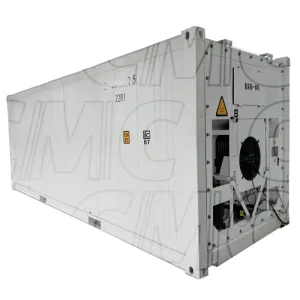
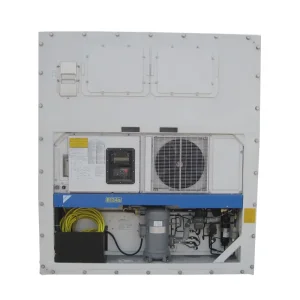
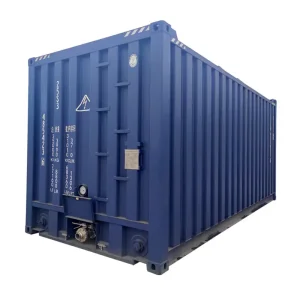
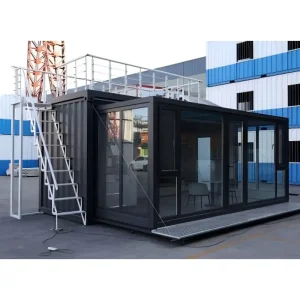
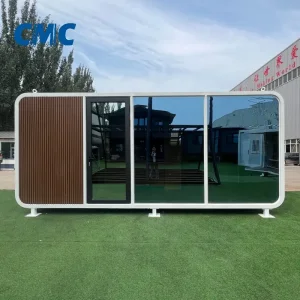
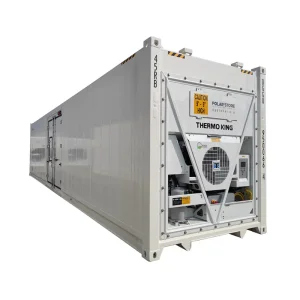
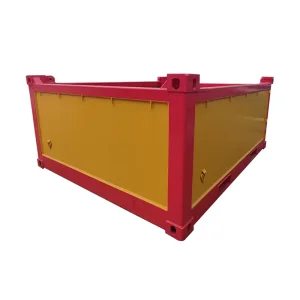
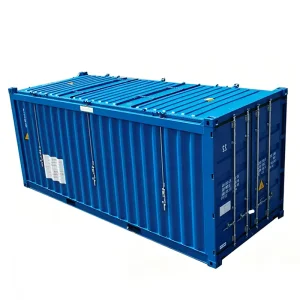
Explore heavy-duty bulk carriers, offshore certified units, smart energy storage reefers, and prefabricated container solutions.
Authoritative answers addressing engineering parameters, refrigeration unit warranties, power matching, and overseas delivery logistics.
A brand-new 40ft High Cube certified reefer container generally ranges from $14,000 to $21,000 USD (subject to raw material indices and refrigeration unit selection), whereas a tested, cargo-worthy, 80-90% new refurbished unit typically trades between $7,000 and $11,500 USD. For static cold storage or regional trucking, secondary units offer high ROI; however, for continuous international maritime export routes where unexpected cargo spoilage can cost hundreds of thousands of dollars, new factory builds with full 5-year OEM machinery warranties are strongly recommended.
Carrier Transicold (e.g., PrimELINE) dominates worldwide shipping line fleets with roughly 50-60% market share, guaranteeing universal spare parts availability and lower standard maintenance labor costs. Thermo King (e.g., Magnum Plus) provides deep-freeze capability down to -40°C with exceptional pull-down speed, preferred for premium fisheries and ice cream transport. Daikin (e.g., LXE series) features a direct-drive scroll compressor with fewer moving parts, offering exceptional reliability and lower ongoing maintenance in harsh vibration environments.
Standard ISO reefer refrigeration machinery operates on a 3-phase dual voltage circuit: 380V/460V AC at 50/60Hz, protected by a 30A or 32A industrial circuit breaker. Peak starting amperage (LRA) can exceed 50A momentarily before settling to an operating draw of 7A to 15A. If only single-phase 220V power is available, buyers must specify a custom DC inverter unit (such as our Smart Chain Solar line) or install an external transformer / clip-on diesel generator (Genset).
Reefer containers incorporate 70mm to 100mm of polyurethane insulation sandwiched between an outer Corten steel skin and an interior food-grade stainless steel (grade 304) or aluminum lining. Consequently, a 40ft High Cube reefer provides approximately 67.5 to 68.3 m³ of usable internal payload capacity, compared to roughly 76.4 m³ in a standard dry freight container. Specifying custom ultra-thin vacuum insulation panels (VIP) can reclaim 2.5 m³ of internal space, though at a 15-20% higher shell CapEx.
Every export container build includes a complete Technical Compliance Dossier consisting of: the CSC Safety Approval Plate, Bureau Veritas (BV) or Lloyd's Register (LR) Type Approval Certificate, ISO 1496-2 Thermal Testing Report, Machinery Pre-Trip Inspection (PTI) sign-off certificate, Electrical Schematic Wiring Diagrams, and international customs export clearance documentation.
