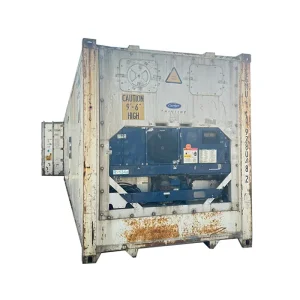
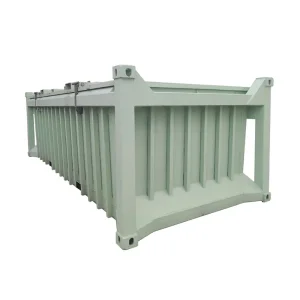
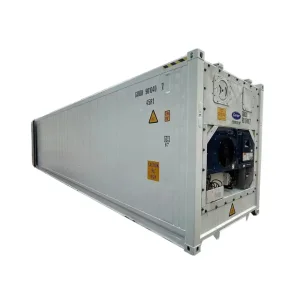
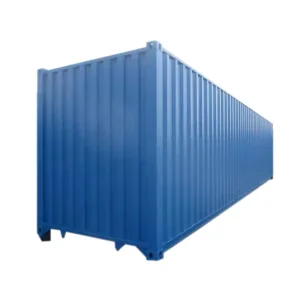
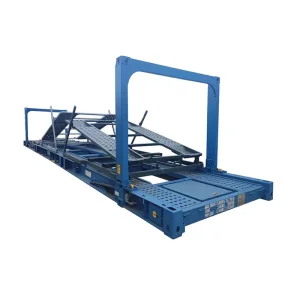
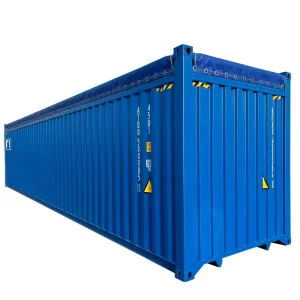
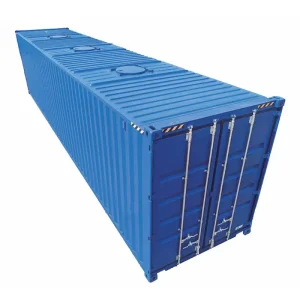
Explore certified specialized, car carrier, open-top, and multi-temperature reefer hardware manufactured in accordance with strict ISO and DNV marine standards.
A comprehensive examination of how thermodynamic engineering, raw material fluctuations, maritime certifications, and machinery selection determine the total landed capital expenditure for global intermodal fleet owners.
Unlike conventional dry boxes, a refrigerated container's production budget is dominated by its active thermal ecosystem. The machinery assembly (Carrier Transicold, Thermo King, Daikin, or Starcool) constitutes roughly 55% to 65% of the total factory exit cost. Injected cyclopentane high-density polyurethane foam and MGSS (Muffler Grade Stainless Steel) inner paneling dictate the insulation retention factor and decay rate over continuous 15-year service lifetimes.
Oceanic salt-fog conditions demand SPA-H Corten atmospheric corrosion-resistant steel framework paired with high-build zinc-rich epoxy primers and aliphatic polyurethane topcoats. Cost volatility in China's base metallics, coupled with international ISO 1496-2 and BV/ABS maritime survey criteria, directly impacts unit unit margins for shipping lines, cold-chain third-party logistics (3PLs), and leasing conglomerates.
Enterprise procurement strategies have evolved from baseline equipment acquisition figures to whole-life energy operational cost (OpEx) profiling. A reefer operating at high coefficient of performance (COP) equipped with frequency-inverter scroll compressors mitigates kilowatt-hour drain during shipboard hook-up and terminal dwell, compensating for initial capital premiums within the first 24 to 36 months of deployment.
China supplies more than nine out of ten intermodal refrigerated units worldwide. This dominant positioning is driven not merely by labor availability, but by high-density vertical supply chain integration surrounding northern port gateways like Tianjin and southern manufacturing clusters around Suzhou and the Yangtze River Delta.
By positioning advanced automated stamping facilities within 100 kilometers of deepwater maritime loading berths, inland transit surcharges and container positioning positioning tariffs are reduced to fractional levels compared to North American or European specialty coachbuilders.
Our facilities leverage continuous structural automation, robotic laser cutting, and high-pressure automated polyurethane injection lines to guarantee uniform insulation density without micro-voids.
Assess standard 20-foot, 40-foot High-Cube, multi-temperature, and passive insulated configurations against operational constraints and budgetary boundaries.
| Container Classification | Core Machinery / Spec | Temp Capacity | Ideal Cargo Application | Capex Index |
|---|---|---|---|---|
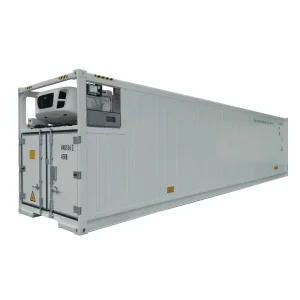
| 40ft High Cube Certified Reefer | Carrier / Daikin / Thermo King active scroll | -30°C to +30°C | Deep-frozen seafood, fresh poultry, premium agricultural exports | Base Benchmark |
| 20ft Standard Reefer | Compact integral electric unit / dual voltage | -35°C to +30°C | High-density commodities, pharmaceuticals, intermodal branch lines | -18% vs 40ft HC |
| 45ft Belt & Road Railway Reefer | Dual-system diesel-electric gen-set integration | -40°C to +25°C | Eurasian rail corridor express freight, cross-border permafrost transit | +28% Specialized |
| Thickened Foam Insulated (Non-Operating) | Passive polyurethane barrier, zero electrical unit | Ambient drift mitigation | Short-sea transit, canned beverage thermal protection, chemicals | -55% vs Active Reefer |
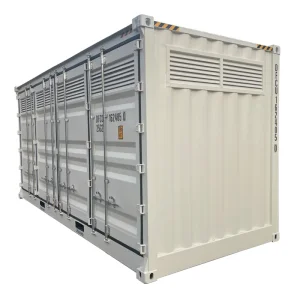
| Side Open / Roll-Up Specialized Reefer | Engineered side bi-fold seals & reinforced threshold | -25°C to +15°C | Regional FMCG distribution, rapid-pallet dock handling, mobile catering | +35% Custom Fab |
The global refrigerated fleet is transitioning toward digital telemetry, ultra-low global warming potential (GWP) refrigerants, and intelligent modular storage systems.
Modern fleet buyers require factory-installed wireless tracking hardware. Real-time logging of internal pulp temperature, compressor amperage, door openings, and GPS positioning minimizes cargo spoilage claims and optimizes maintenance schedules.
Regulatory mandates such as the EU F-Gas regulations and the Kigali Amendment are accelerating the replacement of traditional R134a with R513A and R744 (natural CO2) refrigeration cycles, preventing regulatory obsolescence and safeguarding asset residual value.
For high-value perishables like blueberries, avocados, and stone fruits, CA systems inject nitrogen to lower oxygen and carbon dioxide levels. This metabolic dampening extends shelf lives by up to 300%, turning costly air freight cargo into viable maritime shipments.
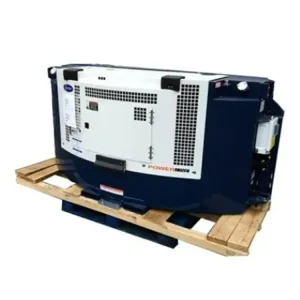
With the expansion of China-Europe rail links and trans-continental networks, heavy-duty 45ft high-cube insulated reefers equipped with clip-on under-slung diesel generators provide seamless uninterrupted cooling without grid access.
Strategic guidelines developed by senior container engineers to avoid hidden costs, optimize ocean freight placement, and streamline technical inspections.
Deploying new units as Shipper Owned Containers (SOC) carrying dry export cargo on their maiden voyage from Chinese base ports effectively amortizes shipping costs to zero. Buyers eliminate container repositions and vessel slot repositioning charges entirely.
Ensure that factory contracts specify computerized PTI diagnostics immediately prior to wharf gate-in. Certified readouts verify compressor pressures, suction superheat, defrost heating elements, and transducer calibrations to prevent warranty disputes at the port of destination.
Batch sizes between 10 and 50 units allow factories to optimize tool-jig set up for customized door layouts (butcher doors, roll-up curtains), internal shelving, and customized exterior corporate coatings, avoiding the small-order surcharges common in Western yards.
Authoritative, engineering-backed answers addressing the most critical commercial, logistical, and technical questions asked by global container buyers.
Explore specialized offshore baskets, half-height ore carrier containers, certified dry cargo units, and inspected secondary market equipment ready for global export dispatch.