Direct export configurations engineered to rigorous ISO, BV, and DNV operational tolerances, optimized for high capital turn rates and minimum life-cycle degradation.


In modern multimodal trade, the semantic definition of the "rate of container" transcends baseline shipping freight tariffs. It incorporates asset manufacturing capital expense, annualized depreciation velocity, thermal transmission ratings (U-value), structural payload-to-tare ratios, and turnaround cycle speed.
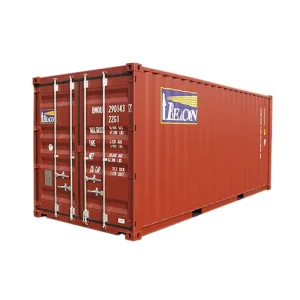
The manufacturing rate of standardized dry intermodal equipment is fundamentally tethered to SPA-H / Corten-A atmospheric corrosion-resistant steel spot pricing. Our production facilities deploy predictive raw material hedging to guarantee contract unit stability for fleet operators procuring high-volume annual batches.
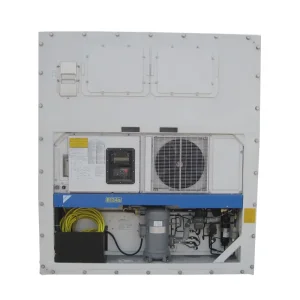
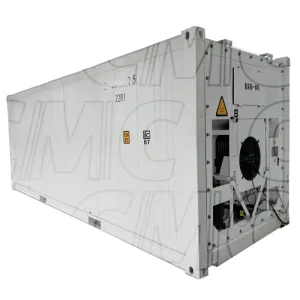
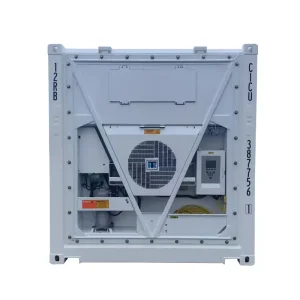
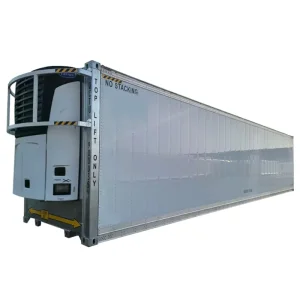
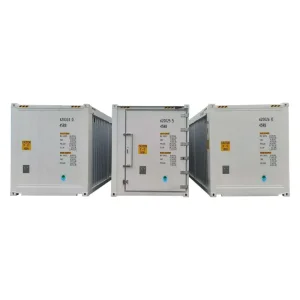
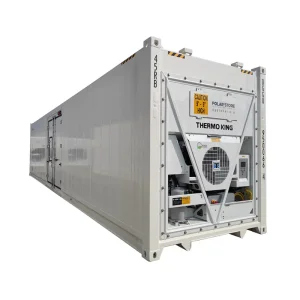
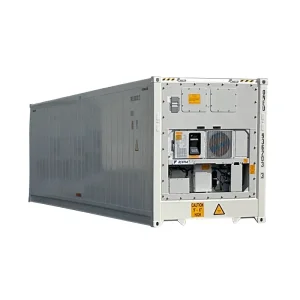
For refrigerated containers, the critical metric is the thermal leak rate. Integrating cyclopentane-blown microcellular polyurethane insulation alongside Carrier, Daikin, or Thermo King cooling machinery achieves industry-leading Coefficients of Performance (COP), drastically lowering daily kWh operating expenses per TEU.
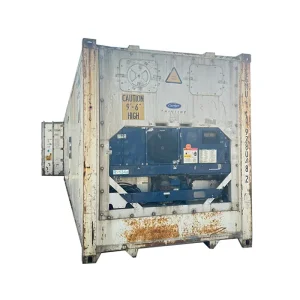
Container depreciation rates directly establish the viability of secondary and leasehold markets. Precision automated sub-arc welding, zinc-rich epoxy primers, and marine polyurethane finishes ensure a structured 15-to-20 year service lifecycle, retaining higher residual terminal values when retired to stationary storage applications.
Enterprise procurement directors at liner services, mining conglomerates, and multinational pharmaceutical brands require total transparency across fabrication tolerances, testing protocols, and landed total cost of ownership (TCO).
Standard ISO footprints (20ft, 40ft, 40ft High-Cube) represent the industry core, but modern supply networks demand customized volumetric solutions. Our engineering department executes structural adaptations including:
Balancing capital acquisition rates against long-term operational expenditures requires holistic analysis across several key mechanical metrics:
| Equipment Classification | Primary Cargo Application | Structural Standards | Target Heat Leak / Structural Spec | Compliance Badge |
|---|---|---|---|---|
| 40ft HC ISO Dry Cargo | General palletized merchandise, consumer goods | ISO 1496-1, CSC, TIR, UIC | Max Gross Wt: 32,500 KG | Payload: 28,600 KG | CSC / BV Approved |
| 40ft HC Controlled Atmosphere Reefer | Fresh fruits, pharmaceuticals, vaccines | ISO 1496-2, ATP Class FRC | U-value ≤ 0.35 W/(m²·K) | Temp: -35°C to +30°C | ATP / ISO Certified |
| 20ft Offshore Transport Unit | Subsea drill equipment, chemicals, offshore spares | DNV 2.7-1, EN 12079, IMO MSC/Circ.860 | Design Temp: -20°C / -40°C | Dynamic Lift Proof | DNV Type Approval |
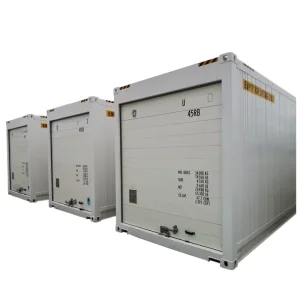
| 20ft ISO Intermodal T11 Tank | Hazardous chemicals, food-grade oils, solvents | IMDG, ASME VIII Div 1, RID/ADR | Capacity: 26,000L | Shell: 316L Stainless Steel | UN Portable Tank |
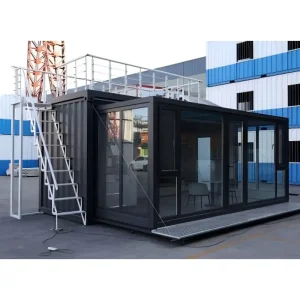
| Mobile Expandable Modular Unit | Remote mining camps, defense, emergency shelters | ISO structural framing, CE, UL fire rated | R-30 Thermal Envelope | Rapid deployment folding | Modular Certified |
Beyond isolated container unit sales, global logistics infrastructure requires specialized application engineering across energy, extraction, and strategic storage corridors.
Seamless transfer of perishable protein and agricultural harvests from inland production basins to deep-sea export terminals. Deploying solar-supplemented reefer units ensures continuous thermal integrity during extensive rail transit without relying exclusively on diesel gensets.
Subsea drilling operations and offshore wind installation platforms require containers engineered to withstand severe dynamic wave motion and saline spray. Our DNV 2.7-1 certified units feature structural pad-eyes, specialized marine slings, and NDT-verified corner weldments.
The energy transition relies heavily on modified ISO container envelopes to house lithium-iron-phosphate (LFP) energy storage banks. Our factories produce reinforced, fire-insulated enclosures with pre-engineered HVAC ducting, structural floor channels, and gas suppression points.
Rapidly deployable fold-out and stackable modular units transform empty cargo space into fully functional temporary operational hubs, military forward operating bases, and disaster emergency medical clinics equipped with integrated electrical harnesses and plumbed sanitation.
To eliminate customs holds and maritime safety rejections, every unit engineered in our manufacturing yards operates under strict multi-jurisdictional classification authority audit frameworks.
Each container is delivered with an authentic stainless steel International Convention for Safe Containers (CSC) safety plate. Bureau Veritas and ISO 9001 quality supervision confirms structural transverse racking resistance, floor concentrated load strength (7,260 kg test), and roof integrity.
Situated within roughly 100 kilometers of the major deep-water port clusters of Tianjin and Suzhou, our manufacturing campuses maintain continuous dock-side drayage connections. This geographic advantage accelerates loading directly onto container vessels, minimizing domestic positioning surcharges.
All fabricated dry and refrigerated models comply with the Customs Convention on the International Transport of Goods under Cover of TIR Carnets. High-security door locking gears and tamper-proof hinge pins guarantee secure transit across multi-national customs borders without en-route inspection delay.
The convergence of industrial IoT telemetry, advanced aerogel composite thermal barriers, and circular alloy metallurgy is fundamentally redefining operational container efficiency.
Modern high-value cargo operations cannot afford data blind spots. Our smart reefer prototypes integrate factory-installed IoT micro-sensor arrays connected via satellite-cellular hybrid modems:
Aligning with International Maritime Organization (IMO) 2030 and 2050 decarbonization mandates, our material science roadmaps prioritize sustainability without compromising ruggedness:
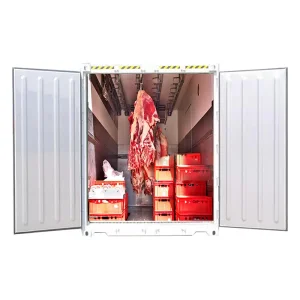
Explore our heavy-duty offshore baskets, modular living units, meat rail reefers, and certified side-access containers available for global deployment.

Direct technical answers from our engineering and international export logistics divisions covering procurement criteria, life-cycle economics, and manufacturing lead times.
