Direct manufacturing lines compliant with international maritime and industrial containment benchmarks.
Understanding supply-demand shifts, maritime traffic corridors, and material resilience parameters across modern international trade.
Global container logistics has moved beyond traditional rigid dry cargo boxes. Modern fleet managers balance intermodal shifts across sea, road, and rail bridges with specialized payloads, demanding strict structural integrity under international CSC (Convention for Safe Containers) certifications.
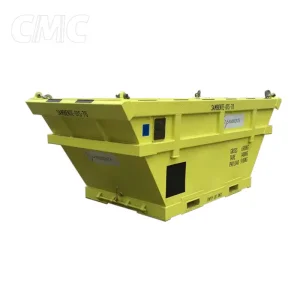
Offshore oil, gas exploration, and marine heavy engineering face severe salinity and mechanical stress. DNV 2.7-1 / EN 12079 compliance governs dynamic pad-eyes, heavy-grade structural hollow sections, and impact-resistant coatings suited for hostile maritime conditions.
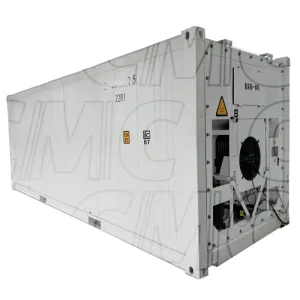
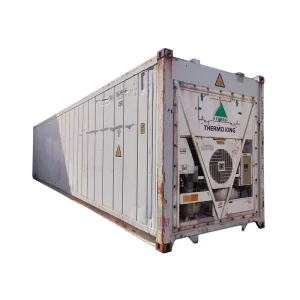
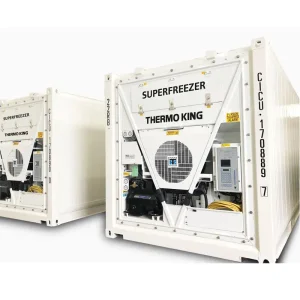
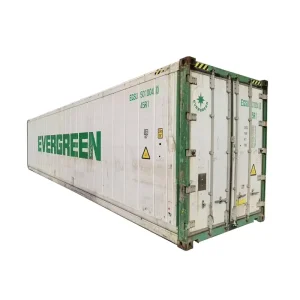
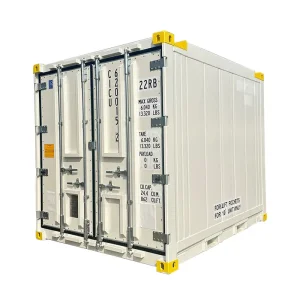
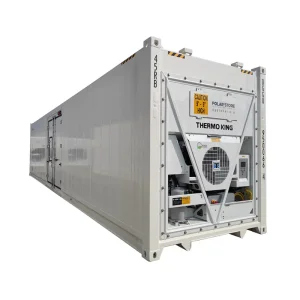
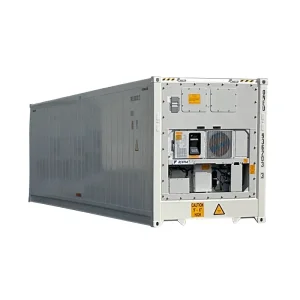
The transition toward eco-friendly refrigerants and DC inverter compressors has made reefer boxes mobile micro-warehouses. Advanced integrated telematics allow precise digital oversight of temperature, humidity, and atmospheric control across multi-week maritime voyages.
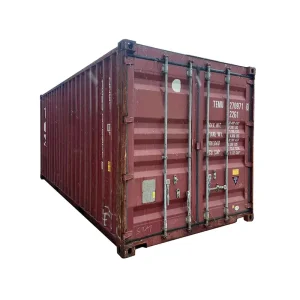
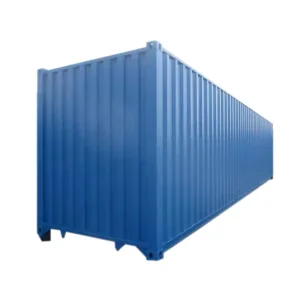
Commercial shipping containers form the backbone of modern global trade. From heavy-duty weathering SPA-H Corten steel plates to micro-porous polyurethane high-density insulation foams, raw material selection directly determines a container's working life. Standard containers operate under heavy static loads, often stacked up to nine tiers high in ocean transit while loaded to maximum gross weights exceeding 30,480 kg.
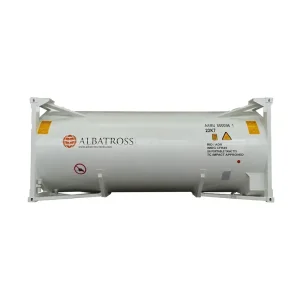
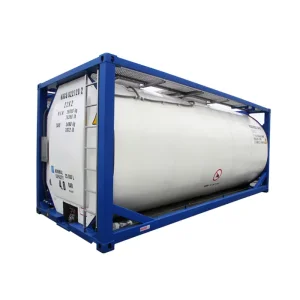
Specialized containment systems, such as ISO tank containers (T11 to T50 UN portable tanks) and high-cube deep freeze units, demand dedicated quality engineering. These units must integrate pressure-relief safety mechanisms, anti-corrosion barrier coatings, and structural reinforcements that prevent chassis distortion during heavy crane lifts and intermodal transfers.
How concentrated supply clusters, deep port integration, and standardized production lines maintain unmatched quality and cost performance.
Direct proximity to core domestic steel mills provides priority access to prime SPA-H Corten coils, specialized extruded hinges, EPDM multi-lip door gaskets, and certified marine fasteners, keeping component quality consistent across production runs.
Production hubs in Tianjin and Suzhou utilize high-precision CNC plasma cutting, automatic robotic panel corrugation welders, and shot-blasting tunnels that achieve clean Sa 2.5 surface profiles prior to zinc-rich shop primer application.
Facilities located roughly 100 kilometers from major international gateway ports (Tianjin, Shanghai, Ningbo) keep drayage costs low and provide quick access to empty container yards, ocean vessel terminals, and customs bonded zones.
Manufacturing lines run under ISO 9001 and ISO 14001 controls. Containers undergo third-party structural testing by classification societies such as Bureau Veritas, ABS, and DNV, verifying compliance with international marine safety conventions.
Examining field conditions and operational environments where specialized container builds are applied globally.
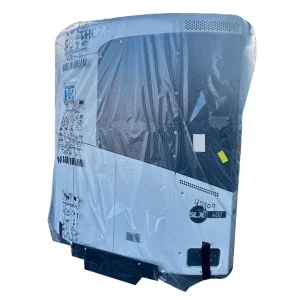
Agricultural exporters, deep-sea fisheries, and pharmaceutical distributors rely on 20ft and 40ft High Cube reefer units featuring Thermo King, Carrier, or Daikin cooling systems. These units operate reliably in demanding dockside conditions and inland packing stations.
Battery Energy Storage Systems (BESS), mobile water treatment plants, and portable generator modules utilize custom-engineered containers. These frames incorporate internal fire suppression lines, floor reinforcing, and thermal management cutouts.
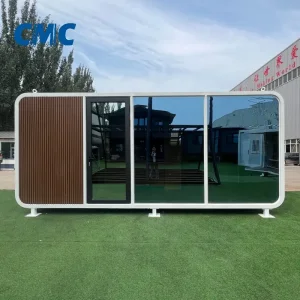
From flat-pack office spaces and disaster relief shelters to Apple Cabin modern pods, modular conversions use containers as stable structural skeletons. Pre-welded structural sub-frames simplify on-site setup for remote work camps and tourism resorts.
Essential considerations for corporate supply chains, fleet owners, and global procurement directors navigating capital equipment investments.
The container industry continues to shift from passive steel structures toward connected logistics assets. Leading modern procurement approaches emphasize three main areas:
1. IoT Telematics and Smart Sensor Integration: Operators increasingly require factory-fitted satellite and cellular tracking systems. These provide real-time visibility into internal temperature, relative humidity, door openings, vibration spikes, and refrigerant pressure levels across global transit corridors.
2. Eco-Efficiency and Circular Material Cycles: Corporate ESG mandates are speeding up the shift toward low-VOC waterborne paint systems, recyclable polyurethane insulating cores, and certified bamboo-composite flooring panels, offering durable alternatives to tropical hardwood plywood.
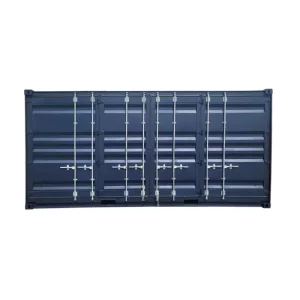
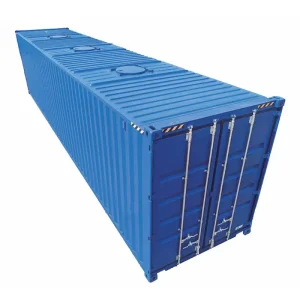
3. Specialized Container Customization (OEM/ODM): Generic ISO boxes are increasingly supplemented by custom models—such as full side-opening containers for rapid flat-pallet loading, open-top configurations for overhead crane access, and DNV silt baskets for offshore drilling operations.
For custom dimensions or specialized opening styles, factory production efficiency is tied to jig changeover schedules. Buyers balance custom engineering runs with standard sizes to optimize manufacturing slots and landed costs.
Shipper Owned Containers (SOC) allow operators to avoid carrier demurrage and detention charges during remote-destination voyages or project-site storage, helping protect operating margins on extended assignments.
Fleet investments consider post-warranty component access. Partnering with suppliers that integrate standardized parts—such as Daikin, Thermo King, and Carrier refrigeration units—ensures maintenance support across global ports.
Specialized containment solutions configured for industrial, offshore, and domestic project workflows.
Direct answers from our engineering and export departments on dimensions, cold-chain components, standards compliance, and delivery terms.
