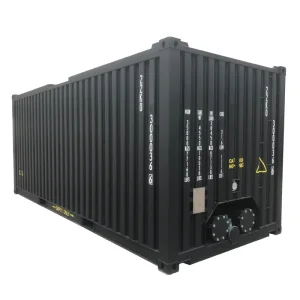
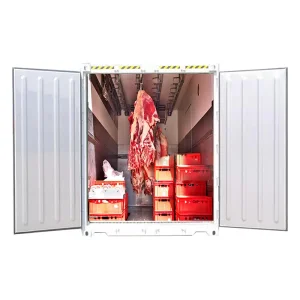
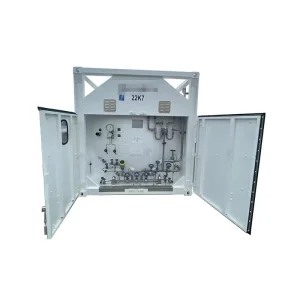
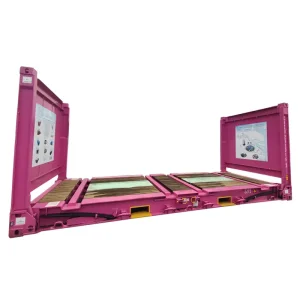
Turnkey engineered multimodal solutions optimized for high payload efficiency, critical liquid containment, and intermodal transport.
Deconstructing the upstream, production-tier, and maritime efficiencies driving high-reliability original design manufacturing.
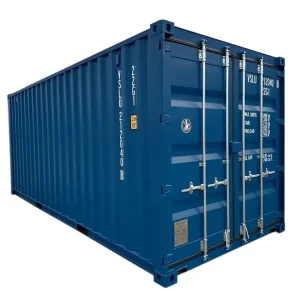
Modern containerization has transformed from standardized shipping boxes into custom-engineered intermodal equipment, engineered to handle harsh chemicals, cryogenic liquids, sensitive pharmaceuticals, and oversized break-bulk machinery. Our advanced fabrication bases in Tianjin and Suzhou leverage China’s integrated manufacturing ecosystem, providing institutional-grade container assets that combine structural reliability with thermal and chemical safety.
Direct supply-chain connectivity with certified domestic steel mills guarantees consistent access to premium grade SPA-H atmospheric corrosion-resistant Corten steel. This base metallurgy prevents structural degradation under high-salinity oceanic atmospheric conditions, improving the asset's lifecycles beyond 15–20 continuous operating years.
Every frame assembly implements multi-axis automated submerged arc and gas-shielded welding, eliminating micro-porosity along structural rails and corner fittings. Automated shot-blasting to Sa 2.5 profile standards guarantees maximum bonding for zinc-rich epoxy primers and aliphatic polyurethane finish coats that meet ISO 12944 C5-M coastal standards.
Situated within an average radius of roughly 100 kilometers from Tianjin Port and Shanghai/Ningbo marine hubs, finished container assets move to quayside berths with minimal drayage friction. This geographical advantage eliminates transshipment bottlenecks, cuts road haulage carbon emissions, and ensures flexible delivery for international liner operations.
Ensuring end-to-end statutory adherence across maritime, inland rail, chemical safety, and dangerous goods transport standards.
| Regulatory Framework | Applicable Certifications | Structural & Operational Impact | Target Operational Deployment |
|---|---|---|---|
| Maritime Safety & CSC | Bureau Veritas (BV), ABS, Lloyd's Register | International Convention for Safe Containers plate verification; multi-tier transverse stacking test at 216,000 kg. | Deep-sea container ships, intermodal rail wagons. |
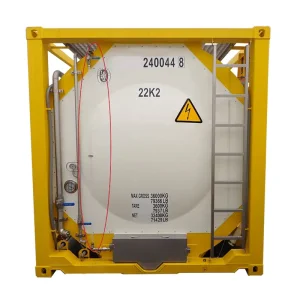
| Dangerous Goods (Chemical) | IMDG Code, RID, ADR, USDOT, ASME Sec VIII | Pneumatic & hydrostatic proof pressure testing, dual relief valves, burst discs, and ground-connection earthing. | Global hazardous bulk liquid, gas & bitumen transport. |
| Offshore Marine (Harsh Duty) | DNV GL 2.7-1 / EN 12079 / ISO 10855 | Charpy V-notch impact testing at -20°C, pad-eye lifting sets, reinforced corners for dynamic sea lifting. | Floating production storage, offshore oil rigs, subsea tenders. |
| Food & Pharmaceutical Cold Chain | ATP Agreement, CE, ISO 1496-2, F-Gas | High-density closed-cell cyclopentane insulation, stainless steel internal lining (SS304), real-time telematics logging. | Fresh produce, vaccine stockpiling, long-haul cold chains. |
Addressing the complex demands of logistics operators, multinational energy developers, and industrial processors.
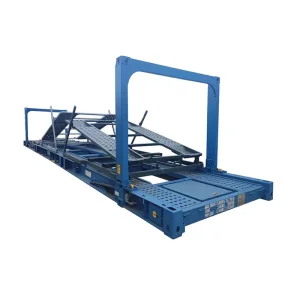
Traditional automotive ro-ro vessels frequently face global capacity constraints. Our 20ft and 40ft High-Cube Car Carrier containers integrate adjustable hydraulic and mechanical internal decks. This custom racking system allows double-tier vehicle loading without chassis contact, protecting high-value electric vehicles and SUVs from salt fog while optimizing shipping volume.
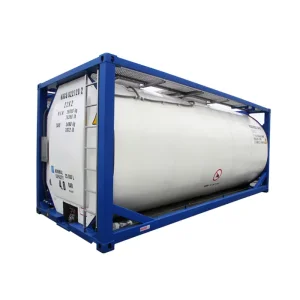
Transporting heavy crude oil, resins, or liquid pitch requires continuous temperature control to prevent solidification. Equipped with internal stainless steel or steam/thermal-oil coils alongside optional electric heating blankets, our ISO Heated Tank and Asphalt containers maintain cargo fluid viscosity from dock to inland discharge terminals.
Addressing energy volatility in developing agricultural centers, our Solar-Powered Hybrid Cold Stores integrate DC inverter refrigeration units with rooftop PV panels and lithium iron phosphate (LiFePO4) storage. This allows autonomous microgrid off-grid operation, preserving perishable fruit, vegetables, and fish in remote coastal and inland farmland hubs.
Analyzing the convergence of industrial IoT, structural weight optimization, and decarbonization.
Modern container fleets rely on end-to-end data transparency. Integrated GPS, cellular, and low-earth-orbit satellite sensor networks monitor interior cargo temperatures, relative humidity, oxygen levels, shock, and unauthorized door access in real time, communicating via secure cloud protocols to prevent cargo loss.
Stricter energy efficiency regulations require better thermal retention. By incorporating microscopic vacuum insulation panels (VIP) and non-ozone-depleting aerogel thermal breaks within container walls, modern reefer designs achieve up to 35% thermal conductivity improvements, reducing refrigeration power draw on container ships.
To maximize cargo payload capacities under strict road axle load limits, container engineering utilizes ultra-high-strength steel grades and composite floor panels. This light-weighting reduces tare weights while maintaining the structural rigidity required for full stacking compliance under ISO 1496 testing.
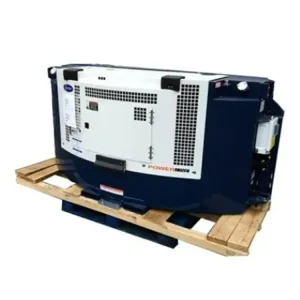
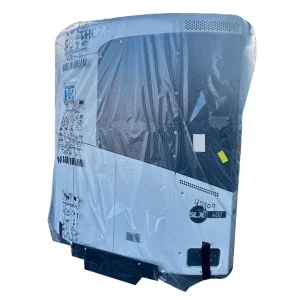
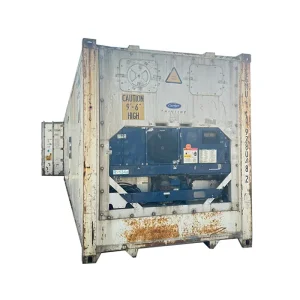
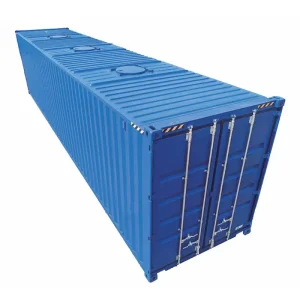
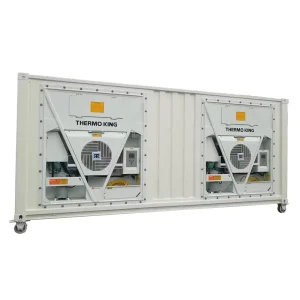
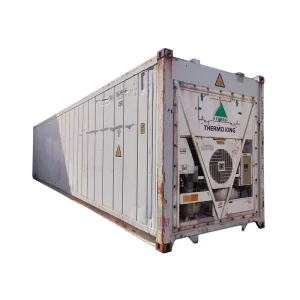
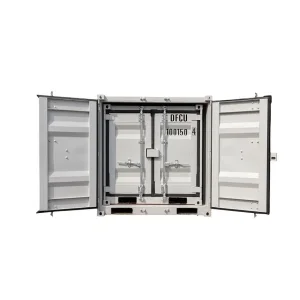
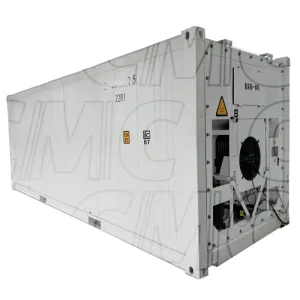
Certified reefer machinery, mobile power platforms, specialized blast freezers, and nested cargo containers.
Direct technical responses addressing materials, refrigeration, certifications, and global dispatch operations.