High-rigidity expandable, flat-pack, and architectonic pods precision-fabricated to exceed Eurocode 3, EN 1090-2, and Turkish Earthquake Zone specifications for fast Mediterranean deployment.
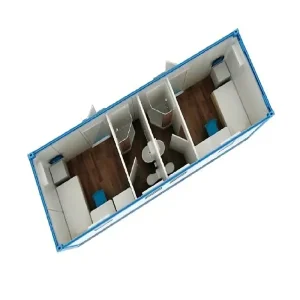
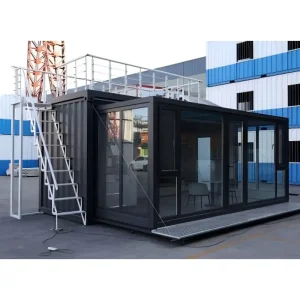
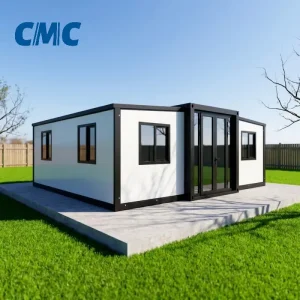
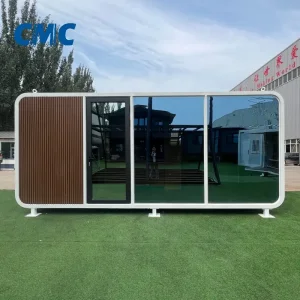
Positioned across the Bosphorus Strait, connecting Europe and Asia, Istanbul represents one of the world's most intricate construction environments, combining intense land constraints, high seismic mandates, and burgeoning megaprojects.
Istanbul is not merely Turkey's largest metropolitan center; it is a critical transcontinental logistics pivot accounting for over 50% of the nation's total foreign trade volume. Across dense municipal hubs such as Esenyurt, Başakşehir, Tuzla, and Pendik, as well as the thriving industrial zones of Gebze and Kocaeli immediately adjacent to the metropolitan borders, urban spatial density is colliding with intense infrastructure revamping. Commercial developers, marine freight operators, and municipal authorities face a triple imperative: rapid construction turnaround, compliance with stringent earthquake building codes, and strict environmental mitigation.
In this dynamic scenario, conventional in-situ concrete casting—historically dominant throughout Turkey—presents major friction points. Wet-pour concrete involves extended curing cycles, loud urban disruption, significant site dust pollution, and vulnerability to unpredictable weather along the Sea of Marmara. Modular steel container manufacturing completely shifts the paradigm by transferring up to 90% of the construction workflow into factory-controlled conditions. Structural framing, high-density PIR/rockwool thermal insulation, seismic lateral bracing, integrated MEP (mechanical, electrical, plumbing) conduit channels, and architectural glazing are fabricated simultaneously in off-site automated facilities.
Turkey's updated Building Earthquake Code (TBDY 2018) enforces strict ductility and lateral-force deflection parameters. Heavy welded steel container frames absorb dynamic ground acceleration without brittle structural failure.
With ongoing historic restoration along the Golden Horn and dense renewal programs in Kadıköy and Fatih, flat-pack and modular units allow crane-in placement with zero footprint footprint spillover.
Direct multimodal connectivity through Kumport, Marport, and Asyaport enables sea-to-pad container handling via flatbed transport directly across the TEM (E80) and D100 arterial highways.
Furthermore, the strategic development around Istanbul Airport (IST)—one of the largest air cargo hubs in Eurasia—and the burgeoning logistics dry ports in Hadımköy have generated extraordinary institutional demand for scalable administrative complexes, rapid-turnaround customs checkpoints, and modular temperature-controlled inspection pods. Commercial procurement directors are no longer purchasing single, disposable construction sheds; they are engineering high-durability, relocatable asset suites capable of multiple site deployments over 25+ year life spans.
How the global modular container manufacturing sector transitioned from utilitarian shipping vessels into high-performance, carbon-neutral, circular architectural systems.
The global modular construction market is projected to exceed USD 160 billion by 2030, accelerated by acute skilled labor shortages across Western Europe and North America, escalating raw material volatility, and strict ESG (Environmental, Social, and Governance) carbon accountability frameworks. In this new industrial baseline, volumetric container conversions and purpose-engineered modular steel boxes are at the forefront of structural innovation.
Three core evolutionary drivers are governing international B2B container procurement:
Traditional structural concrete is responsible for approximately 8% of total global greenhouse gas emissions. In contrast, modular steel structures fabricated with certified recyclable steel (such as SPA-H Corten steel alloy) minimize lifecycle carbon intensity. Modular structures can be entirely disassembled, relocated, reconfigured, or recycled at the end of life with zero concrete demolition slag entering local landfills. For European-facing enterprises in Istanbul navigating the EU Carbon Border Adjustment Mechanism (CBAM), selecting low-embodied-carbon prefabricated facilities is becoming a pivotal commercial differentiator.
Modern volumetric container production utilizes Design for Manufacture and Assembly (DfMA) principles. Every steel channel, ceiling joist, pre-punched MEP raceway, and thermal barrier is modeled in 3D BIM (Building Information Modeling) environments before rolling onto automated CNC robotic welding lines. Factory-built tolerance standards are held within ±1.5 mm—a level of dimensional precision physically impossible to achieve under messy job-site conditions. When these modules land at Turkish ports, field installation is reduced to basic anchor bolting and plug-and-play utility tie-ins.
The boundary between habitable modular enclosures and technical logistics containers has dissolved. Today's global supply networks demand reconfigurable hybrid containers: integrated cold storage rooms running high-efficiency Carrier or Daikin refrigeration compressors, side-by-side with modular power-generation and battery energy storage (BESS) container enclosures. Industrial complexes in Turkey's Aegean and Marmara regions are leveraging these multifunctional modules to preserve agricultural value chains while securing uninterrupted micro-grid power resilience.
How direct partnership with Chinese production hubs provides Turkish contractors with unparalleled cost efficiencies, metallurgical certifications, and dependable batch scalability.
China manufactures over 90% of the world's intermodal shipping containers and modular steel units. This dominance is not simply an outcome of competitive labor; it is the structural result of the world's most concentrated, vertically integrated metallurgical and industrial ecosystem. For engineering contractors and purchasing managers in Istanbul, sourcing directly from high-tier Chinese factories unlocks profound operational advantages.
World-class modular container manufacturing begins with specialized atmospheric corrosion-resistant steel: Corten-A (SPA-H). High-tier Chinese manufacturing complexes sit within immediate logistical reach of the world's largest blast-furnace and cold-rolling steel facilities. This provides continuous access to traceable, prime steel coils certified under Bureau Veritas (BV), ABS, and ISO 9001. Turkish clients avoid the severe raw material premiums and regional supply shortages common in the domestic European and Middle Eastern steel markets.
Our manufacturing footprints in Tianjin and Suzhou are strategically engineered within 100 kilometers of deep-water port terminals. This ensures minimum transit drag: finished flat-pack stacks, customized 40ft High Cube living quarters, and specialized reefer units move directly from final factory inspection bays onto container vessels bound for Mediterranean transit routes. Containers can be routed through regular weekly maritime loops terminating directly at Ambarlı Port (Istanbul), Gebze Port, or Mersin Port with seamless Bill of Lading documentation.
Unlike regional distributors who only sell standard stock units, direct Chinese factories operate dedicated research and structural engineering offices. Whether a project in Istanbul requires non-standard heights (up to 3.2m interior clearance), customized roller-shutter door configurations, heavy-duty floor load capacities for industrial machinery (up to 4,500 kg/m²), or specialized fire-retardant stone wool wall core composites (Class A1 fire rating), OEM/ODM engineering teams translate CAD/Revit files directly into fabrication reality.
| Performance Parameter | CIMIC Chinese Precision Factory | Local Job-Site Concrete Pour | Standard European Prefab Assembler |
|---|---|---|---|
| Structural Frame Steel | SPA-H Corten Steel (Corrosion Resistant) | Rebar-Reinforced Concrete (Prone to cracking) | Standard Mild Steel (S235/S275) with paint |
| Build & Delivery Cycle | 15–25 Days Factory Turnaround | 6–14 Months Variable On-Site Wet Trades | 60–90 Days Lead Time + Backlog |
| Seismic Acceleration Limit | Ground Acceleration up to 0.6g+ (Elastic Steel) | Brittle failure risks if joints imperfect | Variable, often requires external shear walls |
| Thermal Core Insulation | High-Density PIR / Rockwool (U ≤ 0.22 W/m²K) | Post-applied EPS foam (Variable fire rating) | Standard Mineral Wool (U ~ 0.35 W/m²K) |
| Quality Certification | Bureau Veritas (BV), ISO 9001, CSC Plate, CE | Municipal inspection only, prone to field error | Regional CE / local factory certs |
| Stacking Capability | Up to 9-High Full Dynamic Load Stacking | Fixed Foundation (Cannot be relocated) | Usually limited to 2 or 3 modules max |
Proven engineering implementations spanning post-disaster contingency housing, maritime terminal offices, high-tech agricultural cold chains, and eco-tourism modular retreats.
In high-risk earthquake zones throughout the Marmara corridor, municipal agencies utilize foldable and expandable 20ft container houses. Stored in compact stacks, thousands of family emergency shelters can be deployed in under 48 hours with internal bathrooms and pre-wired solar connections.
Ambarlı Port, Marport, and Tuzla Naval Shipyards operate in dense marine coastal salt-fog environments. Customized ISO container offices featuring marine-grade zinc-rich epoxy primers offer anti-corrosive longevity, sound insulation against port machinery, and multi-tier stackability.
From high-speed railway corridors (Halkalı–Kapıkule) to highway extensions, heavy civil contractors deploy modular 20ft/40ft dormitories, industrial kitchens, and multi-unit ablution blocks, significantly reducing overall project camp mobilization budgets.
The popularity of boutique glamping, coastal resorts, and vineyards in Bodrum, Çeşme, and Antalya has spiked demand for architectural Apple Cabins and panoramic luxury pods that install on sensitive natural terrains without pouring permanent concrete foundations.
Turkey's fresh fruit, dairy, and seafood exports to the EU rely on cold chains. Modular refrigerated container systems powered by Carrier and Daikin serve as rapid-deployment packhouse cold rooms at regional distribution centers across Bursa, Yalova, and Tekirdağ.
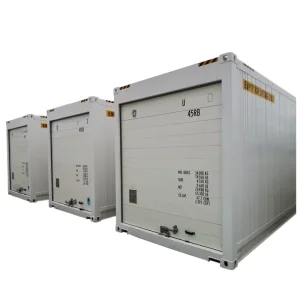
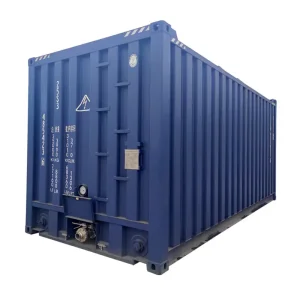
Organized Industrial Zones (OSB) throughout Gebze and Tuzla specialize in specialty chemicals, coatings, and spirits. ISO tank containers and square liquid storage containers provide secure, intermodal ADR-compliant bulk fluid handling.
A rigorous technical checklist developed by CIMIC sales engineers to guide procurement committees through thermal calculations, structural steel grades, and customs compliance.
Purchasing modular containers requires careful metallurgical, structural, and logistic planning. An initial lower purchase price can rapidly be compromised by structural corrosion, low thermal efficiency, or non-compliant import documentation under Turkish customs regulations. B2B procurement teams must assess five vital technical vectors:
Ensure that all structural corner castings, roof bows, floor cross-members, and corrugated side walls are specified in SPA-H Corten steel alloy or equivalent atmospheric corrosion-resistant steel. Coatings must consist of an industrial three-coat system: zinc-rich epoxy primer (minimum 30μm dry film thickness), an epoxy intermediate coat (40μm), and a polyurethane topcoat (minimum 40μm) capable of withstanding 1,000+ hours of neutral salt spray testing under ASTM B117 standards.
Istanbul experiences high humidity combined with sharp seasonal temperature swings between winter cold and summer heat. Containers must be configured with a continuous thermal break to prevent interstitial condensation. Specify closed-cell Polyisocyanurate (PIR) or high-density Rockwool insulation (minimum 100 kg/m³ density) with a thermal transmittance value (U-value) of 0.22 W/m²K or better. Vapor barrier membranes must be sealed around all door and window penetrations.
All pre-installed electrical systems must comply with CE/IEC standards (220-240V, 50Hz for Turkey), including flame-retardant LSZH (Low Smoke Zero Halogen) wiring conduits, residual current circuit breakers (RCBO), and European standard Schuko sockets. Plumbing lines should feature integrated PEX piping with test ports pre-pressurized at 1.0 MPa to guarantee zero transit leakage.
International shipping freight rates are a major component of landed cost. Modular units should be ordered in flat-pack formats (SOC - Shipper Owned Container certified) where four flat-pack modules stack to match the exact exterior dimensions of a standard 20ft ISO container. This dramatically slashes ocean freight costs by up to 75% compared to shipping fully assembled volumetric boxes.
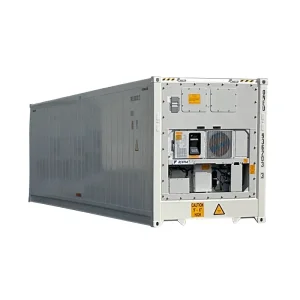
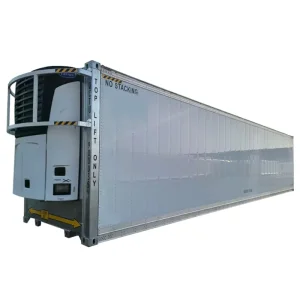
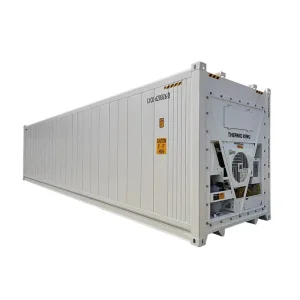
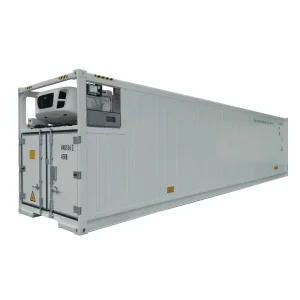
Engineered for cold chain logistics, overland Belt and Road rail corridors, and hazardous bulk transit serving the trans-Eurasian hub of Istanbul.


Direct answers addressing customs clearances, transit times, structural codes, and warranty coverage for procurement directors across Istanbul and Eurasia.
Direct sea freight shipments from our Tianjin or Shanghai/Taicang port locations directly to Istanbul ports (Ambarlı, Kumport, or Marport) typically require 22 to 28 days of transit time. We handle complete export clearance and provide full documentation suites (Bill of Lading, Certificate of Origin, Packing List, Commercial Invoice, and Fumigation Certificates) for swift Turkish customs clearance under ATR/EUR.1 or standard trade channels.
Our modular containers are engineered using high-ductility, heavy-gauge cold-formed steel frames anchored by ISO corner castings. Unlike rigid unreinforced masonry or brittle concrete, steel containers have high energy dissipation capacity and flexural ductility, designed to absorb high seismic ground acceleration (PGA > 0.4g) without structural collapse, fully matching TBDY 2018 earthquake resilience goals.
Yes. Our integrated OEM/ODM design team works directly in CAD and Revit. We can configure custom interior partition layouts, executive conference suites, integrated kitchenettes, ADA-compliant restrooms, full floor-to-ceiling double-glazed thermal curtain walls, integrated LED acoustic ceiling panels, and luxury SPC interlocking vinyl flooring tailored to corporate specifications.
Every industrial container is produced under strict ISO 9001, ISO 14001, and ISO 45001 manufacturing regimes. Our shipping and reefer products hold Bureau Veritas (BV) type-approval certificates, CSC (Convention for Safe Containers) safety plates, and DNV offshore certificates where applicable. Full mill test certificates (MTR) for all structural steel are supplied with shipment.
We build our refrigerated containers using premier global refrigeration units—exclusively Thermo King, Daikin, and Carrier Transicold. These brands maintain extensive official service centers, readily available certified technicians, and full spare-parts distribution networks across Istanbul, Izmir, Mersin, and Bursa, ensuring continuous lifecycle operational security.
Our heavy Corten-A steel modular units carry an engineered structural design lifespan exceeding 25 to 30 years under normal marine/industrial operating conditions. We provide a comprehensive factory structural warranty against frame deformation, joint weld failures, and coating degradation, supported by complete engineer-to-buyer technical documentation.
Connect directly with our senior structural engineers and logistics specialists. Receive comprehensive CAD architectural drawings, full thermal compliance datasheets, and CIF Ambarlı/Istanbul port pricing within 24 business hours.
