
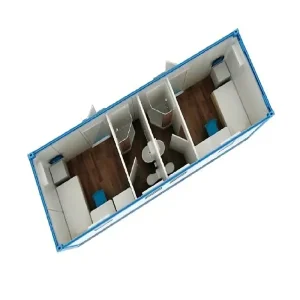
Standard 20ft/40ft Accommodation Modular Unit for Bulgaria Construction
- Corten steel frame & PIR insulation
- Fully integrated HVAC & MEP conduits
- Stackable up to 3 vertical tiers
Factory-built to EN 1090-2 structural steel standards and Directive (EU) 2018/844 thermal performance guidelines. Engineered specifically for rapid assembly in Bulgarian industrial centers and coastal recreational zones.
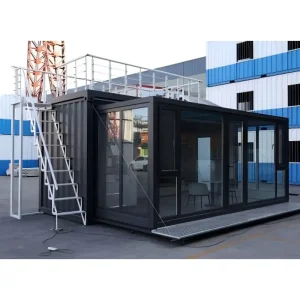
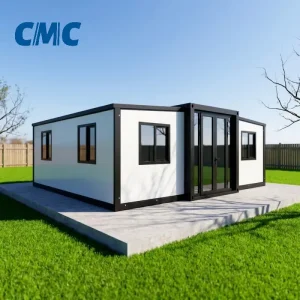
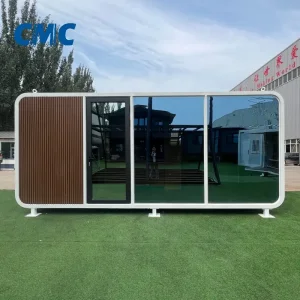
Accelerating infrastructure capital projects across South-Eastern Europe through factory-controlled fabrication, automated robotic welding, and streamlined Black Sea maritime freight.
Bulgaria has emerged as a premier manufacturing and logistics crossroad connecting Central Europe, the Mediterranean, and Asia Minor. Driven by industrial development across the Trakia Economic Zone (Plovdiv), the Bozhurishte Industrial Park (Sofia), and port infrastructure expansions in Varna and Burgas, commercial developers face severe skilled labor constraints and compressed construction timelines. Traditional masonry and cast-in-place concrete structures are increasingly hindered by prolonged municipal permitting windows, rising raw material costs (cement, aggregates, structural rebar), and seasonal weather disruptions during Balkan winters.
Modular containerized construction represents a paradigm shift for Bulgarian enterprise procurement. By offloading 85% to 95% of building fabrication to automated manufacturing centers in Tianjin, projects achieve micron-level structural tolerances, documented metallurgical traceability, and pre-integrated mechanical, electrical, and plumbing (MEP) systems. Shipped directly across established deep-sea shipping loops via the Mediterranean and Black Sea, modular containers arrive on-site ready for immediate anchoring, crane interlocking, and commissioning within days rather than months.
Furthermore, regional decarbonization mandates under the European Green Deal and the Bulgarian National Recovery and Resilience Plan necessitate structural building envelopes with minimized embodied carbon footprints. Factory-manufactured steel volumetric pods leverage recyclable Corten weather-resistant alloys (SPA-H) alongside zero-ODP rigid polyurethane (PIR) and high-density stone wool insulation cores. These materials prevent thermal bridging and guarantee strict conformity with Directive (EU) 2018/844 on building energy performance.
Standardized multi-unit flat-pack and high-cube modular container blocks designed for site administrative facilities, automated fulfillment center annexes, and driver welfare amenities across Plovdiv, Ruse, and Sofia.
Thermal-shielded modular offices, field laboratories, and insulated reefer annexes serving Bulgaria's intensive agricultural belts throughout the Upper Thracian Plain and Dobrudja grain regions.
Specialized ISO-frame containerized housings for Battery Energy Storage Systems (BESS), solar PV central inverters, and transformer substations deployed across Southern Bulgaria's solar corridors.
Indicative factory-direct pricing (FOB Tianjin/Qingdao) and estimated CIF Port of Varna / Port of Burgas landed costs. Tailored for commercial purchasing directors, engineering contractors, and volume distributors.
| Model Category | Dimensions (L × W × H) | Structural & Thermal Core | FOB China Base | Est. CIF Varna/Burgas | Lead Time & Assembly |
|---|---|---|---|---|---|
| Standard 20ft Flat-Pack Office | 6,058 × 2,438 × 2,896 mm | PIR 75mmGalvanized Q235B | €2,150 – €2,850 | €3,350 – €4,100 | 14 Days (2 hrs on-site / unit) |
| Heavy-Duty 40ft High Cube Accommodation | 12,192 × 2,438 × 2,896 mm | Stone Wool 100mmCorten SPA-H | €6,400 – €8,200 | €8,400 – €10,500 | 21 Days (Turnkey plug-and-play) |
| 20ft Hydraulic Expandable Living Home | 5,900 × 6,300 × 2,550 mm (Open) | PU 75mmAluminum/Steel | €7,200 – €9,600 | €8,900 – €11,500 | 20 Days (15 min mechanical expand) |
| 20ft Architectural Apple Pod Cabin | 5,800 × 2,250 × 2,500 mm | Fluorocarbon SteelLow-E Glass | €5,800 – €7,900 | €7,600 – €9,800 | 25 Days (Pre-assembled monocoque) |
| 20ft Energy Storage (BESS) Enclosure | 6,058 × 2,438 × 2,896 mm | Class A1 Non-CombREI 120 Fire Core | €8,500 – €12,400 | €10,200 – €14,300 | 30 Days (Engineered bespoke) |
| 20ft ISO Certified Liquid Tank Container | 6,058 × 2,438 × 2,591 mm | 316L St/SteelSteam Heated | €14,800 – €18,900 | €16,800 – €21,200 | 25 Days (UN Portable Tank T11) |
Pricing Notice & Total Cost of Ownership (TCO) Advisory: The unit costs published above are indexed quarterly against hot-rolled coil (HRC) steel benchmarks and maritime container freight tariffs (Shanghai Containerized Freight Index - SCFI). Landed CIF prices to Bulgaria include baseline sea freight, bunker adjustment factors (BAF), and export fumigation documentation. Import value-added tax (Bulgarian ДДС at 20%) and standard EU third-country customs duties (typically 0% to 2.7% under HS Code 9406 for prefabricated buildings) are handled through standard customs brokerage channels upon arrival at Varna or Burgas.
Our structural engineering team reviews architectural CAD drawings, structural load specifications, and insulation requirements to provide verified landed cost breakdowns within 24 hours.
Mitigating legal, structural, and environmental procurement risks through strict adherence to European Union Harmonized Standards and Bulgarian national building annexes.
Bulgarian climate zones span continental interior winters with sub-zero freezing and scorching summer highs exceeding 38°C. Our modular envelopes eliminate cold bridges via thermally broken structural purlins and multi-layer polyisocyanurate (PIR) cores, ensuring compliance with the Bulgarian Energy Efficiency Act (ZEO).
Parts of Bulgaria (including the Sofia, Maritsa, and Struma fault zones) represent medium-to-high seismic risk categories (PGA values up to 0.28g). Volumetric cold-formed steel container structures exhibit high ductility, exceptional shear-wall resilience, and superior energy dissipation compared to brittle unreinforced masonry.
Full documentation to EU Construction Products Regulation (CPR No 305/2011). Structural steelwork executed under EN 1090-2 (Execution Class EXC2/EXC3) with CE marking. Non-combustible stone wool insulating cores meet stringent European fire classifications (EN 13501-1 Class A1 / A2-s1, d0).
Advancing beyond basic container conversions: How AI-assisted generative engineering, robotics, and low-carbon metallurgical science are reshaping prefabricated infrastructure in the Black Sea region.
The next decade of modular container adoption in South-Eastern Europe will be defined by the convergence of BIM (Building Information Modeling) Level 3 workflows, zero-carbon steel manufacturing, and intelligent off-grid IoT utility microgrids. Where modular solutions were once viewed strictly as temporary job-site accommodations, they now spearhead permanent, architecturally sophisticated, multi-story commercial real estate and mission-critical industrial installations.
1. Algorithmic Generative Structural Optimization: Leveraging FEA (Finite Element Analysis) algorithms, structural corner posts and longitudinal rail profiles are dynamically dimensioned based on exact local geo-climatic data for Sofia, Plovdiv, or Varna. This eliminates superfluous material weight while maximizing permissible vertical stacking loads to 6+ stories, drastically reducing trans-oceanic freight emissions.
2. Circular Economy & Low-Carbon Metallurgical Feedstock: Working with premier certified mills, our structural profiles transition toward electric arc furnace (EAF) steel produced with high scrap ratios. Each unit is delivered with verified Environmental Product Declarations (EPD), enabling European developers to qualify for preferential BREEAM, LEED, and DGNB green building financing across EU-backed regional operational programs.
3. Smart MEP & Autonomous Microclimate Controls: Factory-integrated thermal pumps, heat recovery ventilation (HRV) cores (efficiency ≥ 88%), and integrated photovoltaic roof laminates transform containers into Net-Zero Energy Buildings (NZEB). Internet-connected environmental sensors monitor humidity, particulate matter (PM2.5), and carbon dioxide concentrations in real time, automatically adjusting damper positions to ensure interior air quality in both dense industrial parks and pristine Black Sea coastal reserves.
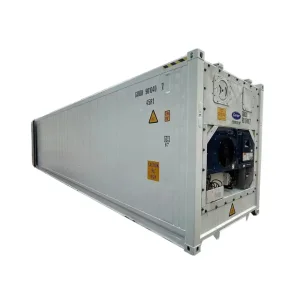
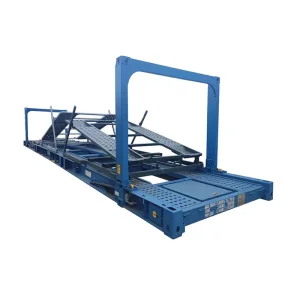
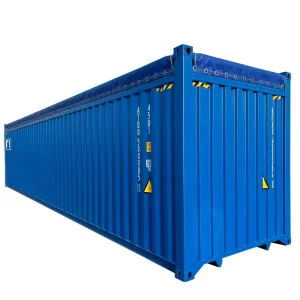
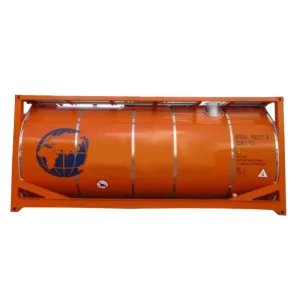
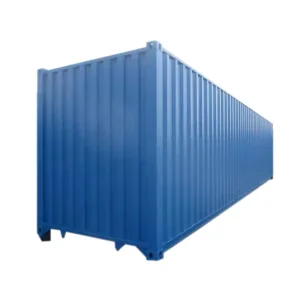
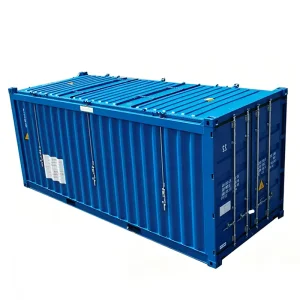
Beyond modular housing: High-specification intermodal freight equipment, controlled atmosphere reefers, ISO chemical tanks, and open-top mining containers supporting Bulgarian international trade corridors.

Authoritative answers covering customs clearance, transit corridors, structural certifications, and technical specifications for Bulgarian procurement professionals.
Ocean container shipments dispatched from our Tianjin or Shanghai yards directly to the Port of Varna or Port of Burgas average 28 to 35 calendar days via the Suez maritime route. Inland drayage to Sofia, Plovdiv, or Ruse is typically completed within 24 to 48 hours following Bulgarian customs release.
Yes. Our modular buildings are engineered to European structural codes (Eurocodes 1, 3, and 8) and supplied with comprehensive fabrication dossiers. This includes EN 1090-2 factory production control (FPC) certificates, mill test reports (MTRs) for S355JR structural steel, and CE declarations of conformity required by Bulgarian chief municipal architects.
Our engineered 20ft flat-pack modular cabins are precision-designed to pack four disassembled units into the physical footprint of a single standard 40ft High Cube ISO shipping container. This slashes ocean freight costs by approximately 75% per unit compared to shipping fully erected volumetric pods.
Depending on local geotechnical soil assessments across the Danubian Plain or Thracian Lowland, modular containers require either concrete corner pad footings (600 × 600 mm), perimeter grade beams, or ground-screw pile foundations. Ground screws offer the advantage of rapid installation without site excavation or wet concrete curing delays.
Yes. For installations in high-altitude zones such as Bansko, Borovets, or the Rhodope mountains, we reinforce the primary roof rafters and cold-formed steel purlins to withstand roof snow loads (sk) exceeding 2.5 kN/m² and reference wind velocities (vb,0) up to 28 m/s in accordance with Eurocode 1 (EN 1991-1-3 and EN 1991-1-4).
Modular buildings classified under HS Code 9406 carry an EU third-country duty rate between 0% and 2.7%. Standard dry and reefer shipping containers (HS Code 8609) enter under duty-free or temporary admission protocols. Value Added Tax (VAT / ДДС) is levied at Bulgaria's standard 20%, which is recoverable for registered commercial VAT entities.
Speak directly with our engineering sales desk for CAD layout reviews, structural calculations, and firm CIF Varna/Burgas container pricelists.
Send Inquiry Now