

OEM 40ft High-Cube Soft Open Top Container (Osaka Industrial Heavy Rigging)
- 650g/m² Heavy PVDF Tarpaulin with TIR Cord
- Removable Swing-Out Header for Overhead Cranes
- High-Tensile Corten SPA-H Steel Construction
Certified for Hanshin Port handling, Yumeshima container logistics, and high-density industrial machinery exports across the Kansai-Tianjin maritime corridor.
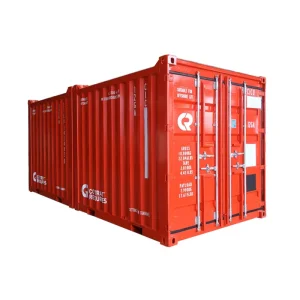

How the Hanshin Port cluster and Kansai’s manufacturing powerhouses are systematically converting out-of-gauge (OOG) breakbulk into precision soft-top container logistics.
Osaka represents the industrial backbone of Western Japan, boasting thousands of precision tooling, robotics, press-mold, and heavy construction equipment fabricators. When exporting high-tonnage multi-axis CNC machines or oversized industrial turbines, conventional dry shipping containers fail due to overhead crane rigging limitations. Chinese manufactured Soft-top Open-top Containers (OTCs) provide the exact mechanical architecture necessary to load vertically via overhead factory cranes before moving seamlessly to Port of Osaka terminals.
With major terminal investments centered around Yumeshima Container Terminal and Sakishima Port, Osaka has aligned its handling facilities to support ultra-efficient intermodal containerized transit. Conventional breakbulk cargo incurs punishing stevedoring tariffs, lengthy staging times, and higher maritime damage risks. By utilizing soft-top containers with certified lifting eyes and dynamic tarpaulin sealing, Kansai logistics providers reduce port terminal dwell time by up to 62% while retaining full liner service routing flexibility.
Osaka Bay is subject to severe meteorological conditions, including late-summer Pacific typhoons and coastal salt spray. Our China-manufactured soft-top units incorporate waterproof PVDF-coated woven synthetic tarpaulins rated for 150 km/h wind shear and torrential rainfall, paired with zinc-chromate and C5-M marine epoxy paint systems. This dual protection layer ensures zero water infiltration during bonded outdoor yard storage at Nanko Port or Sakai-Senboku terminals.
Uncompromising structural integrity engineered from Corten SPA-H alloy, high-grade polymers, and intelligent mechanical articulation.
The core challenge of standard containers during oversized cargo handling is the rigid top horizontal end beam. Our 20ft and 40ft High-Cube soft-top containers integrate an engineered, heavy-duty swivel hinge header that rotates 180° horizontally or detaches completely. This structural modification grants unrestricted vertical and horizontal clearance, allowing gantry cranes and high-capacity forklifts to maneuver machinery directly into the container bed without striking the upper structural frame. When locked in travel position, high-tensile safety pins transfer longitudinal racking loads through the corner castings, maintaining strict compliance with ISO racking rigidity standards (minimum 150 kN resistance).
Unlike cheap canvas covers, our soft tops utilize premium knife-coated polyvinyl chloride (PVC) with an exterior fluoropolymer (PVDF) self-cleaning lacquer. Rated at 650g/m² to 900g/m², the cover withstands temperature extremes from -40°C to +70°C and features exceptional tear resistance (warp > 3000 N/5cm). Perimeter hems are reinforced with continuous welded webbing and brass eyelets engineered to receive continuous galvanized TIR steel cables. This guarantees customs tamper-evident sealability under international TIR conventions when transiting bonded customs zones across Port of Osaka, Kobe, and domestic inland dry ports.
Rainwater accumulation on open-top tarpaulins represents a major operational hazard, creating static puddles that stress fabrics and increase cargo humidity. Our engineering matrix incorporates heavy-gauge, cold-formed tubular roof bows manufactured with an intentional parabolic camber. These bows elevate the center of the tarpaulin by 80mm, generating aggressive water runoff during storms. Each roof bow slots into vibration-damped side rail pockets equipped with secondary nylon safety retainers to eliminate dislodgement during rough sea voyages on North Pacific or East China Sea maritime corridors.
Every soft-top unit is fabricated using atmospheric weathering steel (Corten SPA-H), which produces an adherent protective rust patina upon oxidation, drastically slowing base-metal decay. The steel substrate undergoes automated centrifugal shot-blasting to Swedish Standard Sa 2.5, followed within 4 hours by a high-build two-pack zinc-rich epoxy primer (minimum 30µm dry film thickness), an intermediate epoxy barrier coat (40µm), and a high-gloss polyurethane finish coat (40µm). This C5-M certified coating system guarantees over 15 years of corrosion resistance against the aggressive saline mist of the Osaka Bay coastal atmosphere.
| Technical Parameter | 20ft Soft-Top Standard | 40ft HC Soft-Top Heavy-Machinery Spec | Kansai Regulatory & Port Relevance |
|---|---|---|---|
| Internal Length x Width | 5,898 mm × 2,352 mm | 12,032 mm × 2,352 mm | Accommodates standard Japanese 1100×1100mm industrial pallets |
| Internal Cargo Height | 2,348 mm | 2,655 mm (High Cube) | Crucial for tall press tools & robotic arms without disassembly |
| Rear Door Opening (W × H) | 2,340 mm × 2,280 mm | 2,340 mm × 2,580 mm | Full-height rear access when header is swung open |
| Max Gross Weight (MGM) | 30,480 kg | 34,000 kg (Reinforced Chassis) | Complies with Hanshin heavy vehicle route permits (Tokusha) |
| Tare Weight | 2,380 kg | 4,100 kg | Ultra-light high-tensile SPA-H allows maximum payload capacity |
| Floor Structure | 28mm Keruing Marine Plywood | 28mm Plywood + Steel Chequer Overlay (Opt.) | Resists point loads from crawler tracks and cast-iron machinery feet |
| Lashing Points Capacity | 4,000 kg per ring (Bottom Rail) | 5,000 kg per ring (Heavy D-Rings, 32 pts) | Meets IMO/ILO/UNECE Code of Practice for Cargo Transport Units |
Seamlessly bridging coastal mega-factories in Tianjin and Suzhou directly to Osaka Bay terminals with sub-72-hour maritime dispatches.
Our state-of-the-art production lines in Tianjin and Suzhou operate 6-axis robotic welding cells for corner post assemblies, side corrugation seam joints, and underfloor crossmembers. Robotic consistency ensures zero porosity, complete weld penetration, and strict dimensional tolerances (<1.5mm deviation across 12-meter diagonals). This precision prevents frame twisting during high-stress crane lifting at Osaka Port, extending container service longevity beyond 20 years.
Located within 100 kilometers of northern China’s primary seaports (Tianjin Xingang and Shanghai/Taicang), finished container units are trucked or barged directly onto dedicated container vessels servicing the Kansai trade lanes. Fast-track customs procedures, bonded yard staging, and weekly liner service departures connect Chinese production lines with the Port of Osaka in just 48 to 72 hours of ocean steaming, drastically reducing procurement lead times for Japanese logistics contractors.
Every batch of soft-top open-top containers undergoes mandatory third-party surveyor certification prior to dispatch. Bureau Veritas (BV) inspectors conduct destructive weld testing, floor loading deflection checks, water tightness testing under high-pressure water nozzles, and corner casting magnetic particle inspections (MPI). Each container receives an individual CSC Safety Plate, confirming full compliance with Japanese and international maritime transport regulations.
Every custom OEM/ODM order destined for Kansai manufacturers is pre-validated through ANSYS FEA structural modeling to simulate torsional flexing during rough Hanshin Port crane handling, dynamic wave acceleration, and highway transport over Japan’s Meishin and Hanshin Expressways.
Navigating Japanese Ministry of Land, Infrastructure, Transport and Tourism (MLIT) guidelines, ClassNK standards, and Capex fleet optimization.
Moving 40ft High-Cube soft-top containers over Japanese highways requires strict compliance with MLIT axle-weight and overhead height limitations (3.8m standard, or 4.1m on designated designated high-clearance routes). By optimizing the tare weight of our Corten chassis using thinner high-yield SPA-H steels, our containers maximize legal cargo payload without tripping Hanshin Expressway weigh stations. Furthermore, standard corner casting heights ensure compatibility with Japanese 3-axle gooseneck container chassis used by Osaka transport fleets.
Historically, Osaka industrial exporters relied heavily on short-term dry container leases from international leasing conglomerates, incurring substantial "one-way drop-off" surcharges and heavy repair bills for out-of-gauge equipment damages. Direct factory purchase from our China manufacturing plants reduces container unit capital expenditures by 30-45%. Because our soft tops feature modular bolt-in roof bows and replaceable swing headers, local depot maintenance in Osaka Nanko can be performed rapidly using readily available spare parts.
Heavy press tool is loaded vertically via overhead crane through the open top in Higashiosaka factory yard.
Parabolic bows installed, 650g/m² PVDF tarpaulin lashed, and TIR customs seal attached by certified riggers.
Unit moves on 3-axle trailer to Port of Osaka (Sakishima/Yumeshima) under legal highway permits.
Loaded into container vessel cell-guides like regular dry vans, eliminating costly breakbulk stevedoring fees.
Authoritative technical clarification on load ratings, customs protocols, weather resistance, and delivery logistics to Osaka Port.
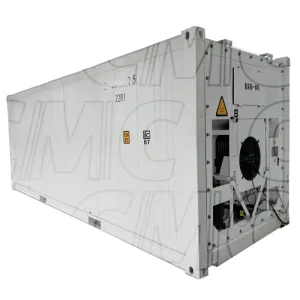
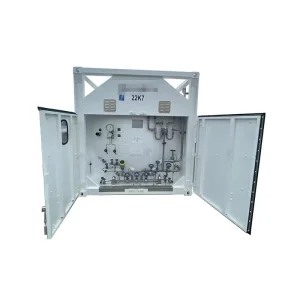
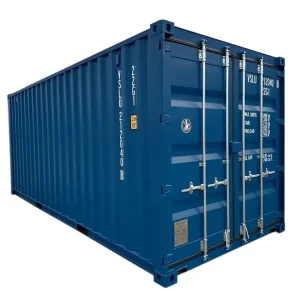
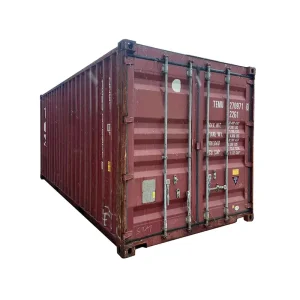
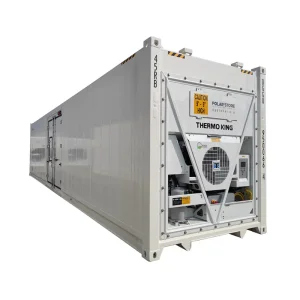
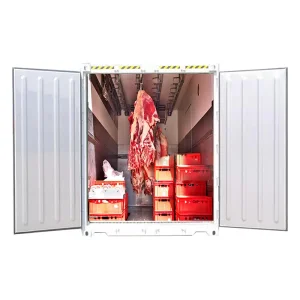
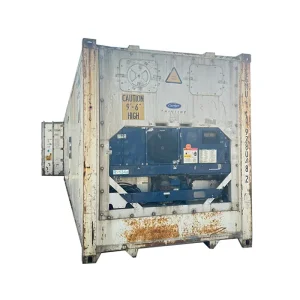
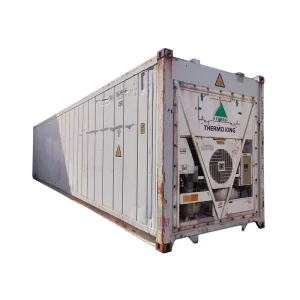
Complementing our soft-top fleet: Cryogenic, double-door dry cargo, offshore baskets, low-temperature hanging meat, and high-cube cold storage solutions for Kansai commerce.

Connect directly with our engineering division in Tianjin and Suzhou. We provide immediate technical drawings, FEA stress simulations, BV classification certs, and tailored maritime freight solutions directly to the Port of Osaka.