Direct Maritime Supply Corridor: Tianjin & Suzhou to Seoul Metropole

Modular Container Products & Exporters serving Seoul

Engineered Pre-Fabricated Steel Modules, High-Insulation Habitation Units, and Turnkey Intermodal Infrastructure Built to Korean Building Standards and Harsh Sub-Zero Winter Climates.

Featured Seoul-Ready Solutions

High-Spec Prefabricated Modular Units for Greater Seoul Deployments

Pre-engineered accommodation, commercial pods, and rapid-erect shelter frameworks verified for rapid installation across Seoul, Incheon Free Economic Zone (IFEZ), and Gyeonggi industrial complexes.

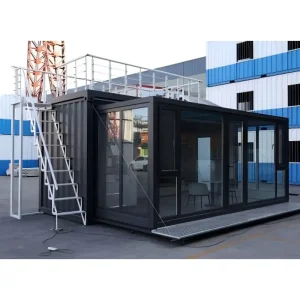
Standard Size Modular Accommodation Container for Seoul Site Projects
Habitation System

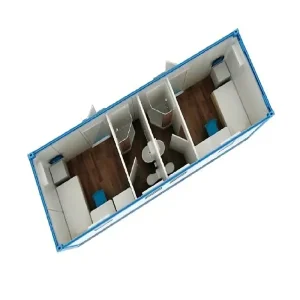
20ft & 40ft Standard Accommodation Modular House Container for Seoul Projects

Heavy-duty structural framework with factory-integrated electrical wiring and thermal core designed for Korean workforce housing and infrastructure quarters.

ISO 1496-1 Steel Rockwool Core
View Product Specs
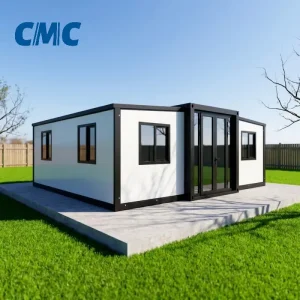
OEM 20ft Foldable Prefab Modular Container Home for Rapid Seoul Deployments
Rapid Expandable

OEM 20ft Foldable Prefab Modular Home & Expandable Container House with Bathroom

Unfolds into 37m² of functional living space within 15 minutes. Includes factory-plumbed sanitary modules compatible with South Korean municipal drainage.

Plug & Play Setup Integral Ensuite
View Product Specs
High Thermal Insulation Modular Steel Container House for Korean Winter
Extreme Climate

High-Quality 20ft Expandable Modular Steel Container House with Advanced Thermal Envelope

Engineered for Seoul's sub-zero winter temperatures down to -15°C with dual-layer PIR insulation, airtight double seals, and thermal-bridge break profiles.

U-Value: 0.18 W/m²K Airtight Rating
View Product Specs
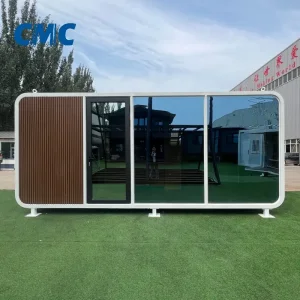
Modular Architectural Apple Cabin Office Pod for Seoul Commercial Districts
Architectural Pod

20ft Prefab Modular Flat Pack Office Tiny House & Outdoor Apple Cabin Pod

Aerodynamic curved aluminum exterior with double-glazed low-E panoramic glass walls, favored by tech incubators in Pangyo Techno Valley and pop-up stores in Seongsu.

Low-E Tempered Architectural Finish
View Product Specs
Metropolitan Commercial Realities

The Structural Evolution of Modular Construction in the Seoul Capital Area

Seoul and the surrounding Gyeonggi Megacity (Sudogwon) represent one of the densest industrial and technological corridors in East Asia. As real estate development timelines compress and urban densification challenges conventional construction practices, modular container building systems have pivoted from temporary makeshift shelters into certified, permanent, and semi-permanent commercial architecture.

Urban Land Pressures & Seongsu Hubs

In high-density commercial zones like Seongsu-dong, Gangnam-gu, and Hongdae, experiential retail, flagship showrooms, and micro-cafés demand swift deployment without the disruption, noise, and permits of wet concrete construction. Prefabricated modular containers provide flexible spatial footprints that clear Korean municipal rights-of-way quickly while preserving residual asset value for relocation.

Semiconductor & Cleanroom Expansions

Gyeonggi Province hosts global semiconductor titans in Pyeongtaek, Yongin, and Hwaseong. Building these mega-fabs requires hundreds of on-site administrative command hubs, clean-utility monitoring enclosures, and temporary specialist engineer accommodations that can be deployed, scaled, and repurposed in direct sync with multi-phase wafer-fab commissioning milestones.

Severe Sub-Zero Thermal Rigor

Seoul experiences acute Siberian continental weather patterns during deep winter, with sustained temperatures plummeting below -15°C and intense moisture condensation risks indoors. Generic container conversions fail rapidly in Korea due to thermal bridging. Our Seoul-designated modules incorporate dense mineral wool, insulated composite floorpans, and airtight vapor barriers.

48 Hrs
Transit: Tianjin to Incheon Port
0.18
Thermal U-Value (W/m²K) Achieved
40+
Years Engineering Pedigree (Since 1983)
100%
Pre-Export Factory Load Testing
Strict Korean Standards Compliance

Overcoming Structural, Fire & Energy Codes in South Korea

Importing modular container architecture into the Republic of Korea requires strict adherence to statutory structural norms, thermal performance mandates, and strict fire mitigation laws established by the Ministry of Land, Infrastructure and Transport (MOLIT).

Korean Building Act (건축법) Structural & Seismic Conformity

Temporary or permanent structures in South Korea must withstand strict seismic actions under the Korean Building Code (KBC). CIMIC fabricates container chassis using heavy-gauge Corten A (SPA-H) and Q355B structural steel certified to match KS D 3503 and KS D 3566 standards. Every structural junction undergoes automated sub-arc welding to ensure wind shear resistance against autumn typhoons along the Yellow Sea corridor and lateral seismic stability for multi-story stacked complexes up to 4 tiers.

KFI Certified Fire Resistance & Non-Combustibility

Following updated Korean Fire Institute (KFI) standards for prefabricated dwellings and commercial spaces, EPS and low-density PU foams are rejected due to toxic off-gassing and combustibility risks. Our production lines equip units destined for the Seoul Capital Area with 100mm to 150mm hydrophobic rockwool (density ≥ 100kg/m³) or Class-A PIR sandwich core panels, paired with fire-resistant magnesium oxide (MGO) or cement-fiber subfloors ensuring Grade 1 non-combustible performance.

MOLIT Energy Saving Design Criteria (건축물의 에너지절약설계기준)

South Korea enforces aggressive regional insulation criteria separating the central region (Seoul, Gyeonggi, Gangwon) from southern zones. Our modular systems deploy continuous exterior insulation barriers that effectively decouple the structural steel frame from interior air masses. Double-chamber EPDM seals around all openings eliminate thermal bridging, preventing cold air draft penetration and condensation rot during harsh winter heating cycles.

Electrical & Plumbing Localization (KC Mark & KS Valves)

Procuring modules with incompatible internal services leads to expensive site-rectification costs. We pre-wire internal electrical distribution lines in strict compliance with the Korea Electrical Safety Corporation (KESCO) standard, utilizing KC-certified flame-retardant cabling, Korean-type standard wall sockets (Type C/F grounding, 220V/60Hz), and KS-standard PEX/CPVC plumbing junctions ready for direct connection to Incheon or Seoul municipal feeds.

Sino-Korean Maritime Efficiency

Why South Korean Tier-1 Contractors Source Directly from Our Coastal Yards

Operating dedicated manufacturing bases in Tianjin and Suzhou—both situated within roughly 100 kilometers of deepwater maritime ports—we provide an unrivaled logistical springboard straight into Incheon Port (Seoul West Gate) and Busan Port.

Short-Sea Transit: 36 to 48 Hours

Geographical proximity is a major competitive advantage. Short-sea container lines departing Tianjin Port reach Incheon Port within 36 to 48 hours. This enables Korean construction directors to implement tight Just-In-Time (JIT) delivery sequences directly to congested project sites across Gangnam, Mapo, or Pyeongtaek without requiring vast staging yards.

35% to 50% Capital Expenditure Reduction

South Korean domestic modular and steel fabrication plants carry steep raw material surcharges and soaring labor overheads. By leveraging our massive upstream supply ecosystem in high-grade structural Corten steel, high-precision robotic welding lines, and bulk component procurement, we deliver landed units at 35% to 50% lower cost per square meter—even after ocean freight and import tariffs.

Rigorous Factory Acceptance Testing (FAT)

Every modular unit, reefer assembly, or cryogenic tank passes rigorous QA/QC inspection before leaving our gates. From automated rain-spray booths testing watertightness at 2.5 bar pressure to dimensional laser metrology ensuring millimeter-true corner casting alignments for multi-stack stability, we guarantee immediate field readiness for Korean civil engineers.

Engineering Performance Metrics

Technical Specification Matrix: Modular Solutions vs. On-Site Wet Construction

A data-driven engineering comparison for Korean procurement managers assessing structural capability, thermal resilience, and life-cycle economics for metropolitan Seoul operations.

Performance Parameter CIMIC Heavy-Duty Modular Units Expandable / Flat-Pack Models Conventional Wet Construction Seoul Operational Compliance
Primary Structural Steel SPA-H Corten / Q355B Anti-Corrosive Hollow Profiles Q235 Hot-Dip Galvanized Light Steel Truss Cast Reinforced Concrete (RC) / Rebar Exceeds KS D 3503
Thermal Envelope (U-Value) 0.18 – 0.22 W/m²K (Dense Mineral Rockwool / PIR) 0.28 – 0.32 W/m²K (Polyurethane Core Panel) 0.20 – 0.35 W/m²K (Variable Site Insulation) Passes Central-1 Winter Mandate
Deploy & Commission Speed Hours (Immediate Crane Unload to Foundation) 15 to 45 Minutes (Hydraulic/Fold Mechanical) 6 to 14 Months Continuous Site Work Zero Downtown Urban Erection
Fire Retardancy Rating Class A Non-Combustible (KFI Grade-1 Material) Class B1 Flame Retardant Cores Available Non-combustible Concrete Core Complies with KFI 2020 Rev
Seismic & Wind Resistance Up to Magnitude 8.0 Seismic; Wind Load 60 m/s Up to Magnitude 7.0 Seismic; Wind Load 45 m/s Designed per Local Site Soil Conditions Certified to KBC Seismic Tier
Relocatability & Salvage 100% Relocatable; High Residual Steel Value 100% Foldable & Transportable via Standard Flatbed 0% (Complete Demolition Waste) Circular Green Asset
District Deployment Scenarios

Where Our Modular Structures Perform in the Seoul Capital Area

From the creative industrial back-alleys of Seongdong-gu to the massive industrial parks flanking the Gyeongbu Expressway, modular systems solve high-density operational challenges.

Pop-up Retail & F&B in Seongsu & Mapo

Creative directors deploy customized Apple Cabins and glazed container modules for seasonal pop-up retail stores, artisanal coffee outposts, and brand activations. Finished with internal acoustic dampening and modern matte facades, these units elevate foot traffic in trendsetting neighborhoods like Hongdae and Seongsu.

Industrial Clean Shelters in Pangyo & Magok

High-tech research centers in Pangyo Techno Valley and Magok R&D District leverage specialized container shells as decentralized edge-computing data enclosures, battery energy storage system (BESS) shelters, and mobile prototyping cleanrooms requiring precision climate moderation.

Mega-Site Field HQs in Pyeongtaek & Yongin

Civil contractors working on national industrial cluster infrastructure require multi-story container office blocks equipped with high-speed Cat-6 data trunks, conference suites, central HVAC integration, and specialized dormitory rooms that can be swiftly mobilized and decommissioned across multi-year build phases.

Complete Equipment Range

Heavy-Duty ISO Shipping, Cold-Chain & Industrial Storage Equipment

Alongside modular habitable housing units, CIMIC manufactures standard intermodal dry freight containers, specialized tank containers, roll-up door dry units, and active reefer equipment serving Korean logistics conglomerates.

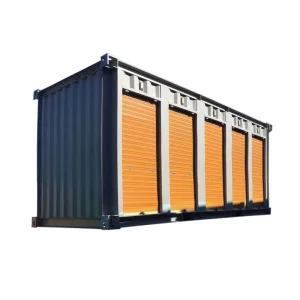
Heavy-Duty Roll-Up Door Dry Cargo Container for Seoul Storage
Warehousing

New 20ft Storage Roll-Up Door Dry Cargo Container for Seoul Logistics Hubs

Fitted with counterbalanced roller shutter doors for fast forklift access and self-storage distribution operations across Gyeonggi warehousing yards.

Fast Shutter Access Weather-Sealed
View Product Specs
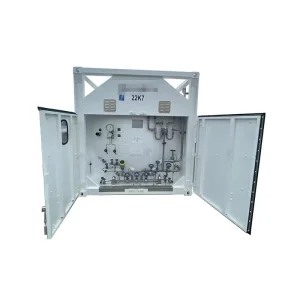
T75 20ft Cryogenic Liquid Tank Container for High-Tech Industry
Gas & Cryo

T75 20ft Cryogenic Liquid Tank Container for Industrial Gas Supply Chains

Certified pressure vessel insulated with high-vacuum multi-layer thermal foil, tailored for LNG, liquid nitrogen, and argon transport to Korean chip fabs.

ASME & IMDG High Vacuum MLI
View Product Specs
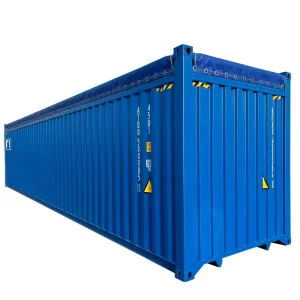
40ft High Cube Soft Open Top Shipping Container with Tarpaulin Cover
Oversized Freight

OEM 40ft High-Cube Soft Open Top Shipping Container with Tarpaulin Cover

Engineered for overhead crane top-loading of bulky industrial machinery, tooling sets, and fabricated steel assemblies bound for Incheon Port.

Removable Roof Bows Heavy Tarpaulin
View Product Specs
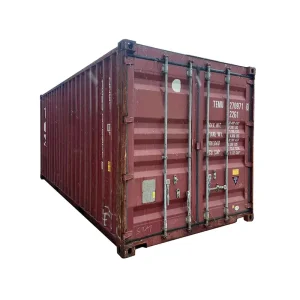
OEM 20ft Used Shipping Container for Cost-Effective Storage
Budget Cargo

OEM 20ft Used Shipping or Storage Container for Greater Seoul Sites

Carefully surveyed, cargo-worthy, wind-and-watertight (WWT) certified units staged across Chinese ports for prompt transit to Incheon and Busan.

WWT Certified CSC Stamped
View Product Specs
20ft Flat Pack Modular House Office Cabin for Korean Urban Sites
Flat Pack Pod

China 20ft Flat-Pack Modular Office & Garden Office Pod for Seoul Workspaces

Compact knockdown design shipping four units bundled into an ISO container footprint, drastically slashing ocean shipping freight to Korean consignees.

4-in-1 Bundle Rapid Assembly
View Product Specs
Food Grade 20ft Tank Container for Industrial and Beverage Transport
Liquid Bulk

20ft ISO Stainless Steel Tank Container for Food-Grade Alcohol & Chemicals

Constructed with electro-polished 316L stainless steel interior vessel and steam heating coils, strictly audited for transport to Korean distillation and chemical hubs.

316L Stainless Steel Steam Heating System
View Product Specs
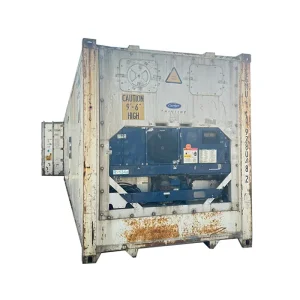
Used 40ft High Cube Certified Reefer Container for Cold Chain
Reefer Secondary

ODM Certified Used 40ft High-Cube Refrigerated Container for Seoul Fresh Logistics

Equipped with reliable Carrier or Daikin refrigeration machinery, pre-trip inspected (PTI certified) to maintain strict -25°C to +25°C cargo safety.

PTI Certified High-Cube Height
View Product Specs
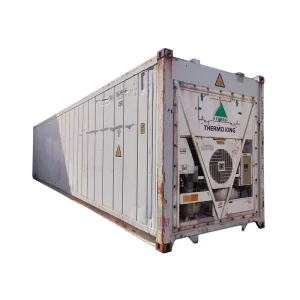
Brand New 40ft Refrigerated Freezer Container for Ultra Cold Storage
Precision Cold

New 40ft Refrigerated Freezer Container for Bio-Pharma & Perishables

State-of-the-art Thermo King unit with digital micro-telematics, engineered for the Songdo Bio-Cluster and Seoul premium perishable logistics networks.

Deep Freeze -35°C IoT Temperature Monitored
View Product Specs
Sourcing Protocol

End-to-End Enterprise Procurement Workflow for South Korean Buyers

A transparent, risk-mitigated pathway from engineering design sign-off to port clearance at Incheon or Busan and final site delivery.

1. Architectural Review

Our sales engineers evaluate your site drawings, calculating regional thermal insulation compliance, door configurations, and wiring schematics to harmonize with South Korean municipal codes.

2. Precision Production

Upon final sign-off, fabrication begins at our Tianjin or Suzhou yard using robotic steel cutting, continuous welding, epoxy priming, and standardized factory assembly of insulation cores.

3. Bureau Veritas QC

Every shipment undergoes structural load verification, weather sealing water deluge checks, and electrical continuity testing with BV or ISO third-party certification documentation issued.

4. Direct Vessel Dispatch

Units are loaded onto short-sea container vessels from Tianjin Port or Shanghai/Taicang, berthing at Incheon Port within 2 to 3 days for swift Korean customs processing and on-site delivery.

Authoritative Engineering Intelligence

Frequently Asked Questions: Sourcing Modular Containers for Seoul

Comprehensive answers compiled by our international trade and structural engineering team regarding South Korean building codes, shipping logistics, site foundations, and winter insulation.

How do CIMIC modular containers comply with South Korea's Central-1 Building Thermal Insulation Code?

Korea's Central-1 region (comprising Seoul, Incheon, and Gyeonggi) mandates stringent thermal transmittance (U-values below 0.22 W/m²K for exterior walls). We achieve this by deploying structural wall cavities filled with 100mm–150mm high-density mineral wool (≥100 kg/m³) or Class-A modified PIR panels, complemented by double-pane low-E argon-filled glazing and integrated thermal break gaskets that eliminate cold bridging completely.

What is the standard delivery timeline from factory sign-off to berthing at Incheon Port?

Standard modular orders undergo a 15 to 25-day production cycle at our Tianjin or Suzhou manufacturing bases depending on architectural complexity. Ocean carriage from Tianjin Port directly to Incheon Port (Terminal 1 or New Port) takes approximately 36 to 48 hours. Accounting for standard Korean customs clearance and quarantine checks, total delivery to site commonly ranges between 25 and 35 calendar days.

Can these units be stacked up to 3 or 4 stories on tight construction sites in Seoul?

Yes. Unlike lightweight flat-packs that cannot handle dynamic stacking loads, our accommodation modules utilize ISO-certified corner castings and heavy-wall structural tubular steel vertical corner posts (5.0mm to 6.0mm thickness). They are engineered to sustain up to 9-high container deadweights per ISO standards, making 3-tier and 4-tier structural stacking on urban Seoul construction compounds safe and structurally certified.

What foundation types are required across Gyeonggi or Seoul soil conditions?

For temporary installations (< 2 years), precast concrete pads under each ISO corner casting or helical ground screws provide sufficient bearing capacity while preserving the site terrain. For permanent multi-story structures under the Korean Building Act, strip footings or reinforced concrete grade beams designed by a Korean certified professional structural engineer (건축구조기술사) are used to anchor the container chassis against seismic and typhoon wind uplift forces.

Are interior fittings, electrical sockets, and sanitary fittings matched to South Korean standards?

Yes. We specialize in localized OEM/ODM builds. Sockets are installed to Korean standard Type F (Schuko style with side earthing clips) rated at 220V, 60Hz. Plumbing feeds are engineered with standard KS 15mm or 20mm threaded or push-fit connectors, ensuring seamless connection to municipal water and sewer lines in Seoul without requiring costly adapters.

How does CIMIC guarantee corrosion resistance against humid summers and marine air?

Our manufacturing protocol utilizes SPA-H Corten steel for all exterior wall panel corrugations and heavy structural perimeter profiles. We execute a full grit-blasting process to SA 2.5 cleanliness, followed immediately by a zinc-rich epoxy primer (30 microns), high-build epoxy intermediate coat (40 microns), and a durable polyurethane topcoat (40 microns). This provides exceptional resilience against salt mist around Incheon coastal areas and industrial summer downpours.

Initiate Your Modular Project Serving Seoul Today

Whether you require standard 20ft/40ft workforce accommodation, architectural pop-up modules for Seongsu, or custom-engineered BESS enclosures for Pyeongtaek tech campuses, our bilingual engineering group provides comprehensive structural drawings, 3D CAD modeling, and prompt CIF Incheon pricing within 24 hours.

Send Inquiry Now