USMCA Intermodal Certified Hub

Road and Rail Transport Containers Manufacturer & Factory in the Mexico City Market

Precision Heavy-Duty Intermodal Engineering Connecting Pantaco Intermodal Terminal, Ferrovalle Rail Corridors, and Cross-Border North American Freight Networks

Send Inquiry Now
Primary Regional Deployments

High-Performance Intermodal Shipping Containers for Central Mexico

Engineered for seamless road-to-rail transitions across Mexico City’s high-altitude rail junctions, dry ports, and transcontinental express routes.

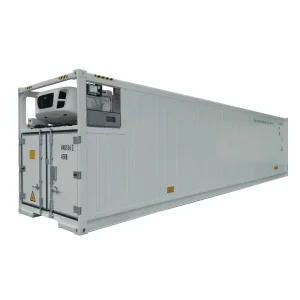
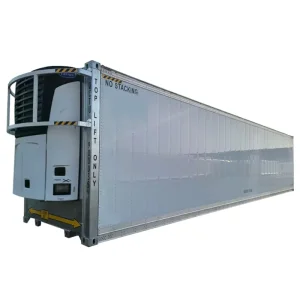
Carrier Powered OEM Carrier X4-7300 Refrigeration and Electricity Integrated Container

OEM Carrier X4-7300 Reefer Container (Mexico City Central Cold Chain)

Integrated diesel-electric unit engineered for non-stop thermal stability along the Mexico City-Toluca logistical axis.

View Specifications & Pricing
Ferrovalle Double-Stack 40ft High Cube & 45ft Railway Refrigerated Container

40ft HC & 45ft Intermodal Rail Refrigerated Container

Reinforced end-wall and structural top castings designed for heavy double-stack rail corridors from Pantaco dry port.

View Specifications & Pricing
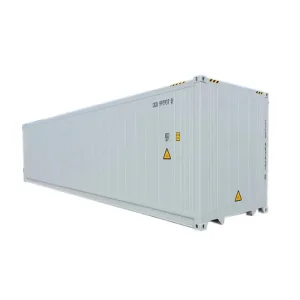
High Thermal R-Value ODM New 40ft High Cube Thickened Foam Insulation Container

40ft HC Thickened Polyurethane Insulated Container

Passive climate protection ideal for sensitive chemical, pharmaceutical, and dry produce hauling in high-ambient climates.

View Specifications & Pricing
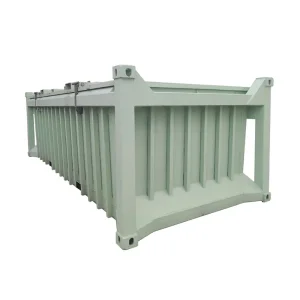
Heavy Mining & Bulk Half Height Ore Carrier Offshore Container

Half-Height Heavy Density Ore & Mineral Rail Container

Low center of gravity with reinforced floor beams to withstand dense industrial minerals and high shock loading.

View Specifications & Pricing
Valley of Mexico Logistics Matrix

The Mexico City Intermodal Engine: Strategic Road & Rail Dynamics

Navigating the complex geographical, operational, and commercial topography of the CDMX metropolitan manufacturing nexus.

The Valley of Mexico (Metropolitan Area of Mexico City - ZMVM) represents the single largest consumption and distribution epicenter in Latin America, accommodating over 22 million consumers and commanding an immense concentration of manufacturing and logistics infrastructure. As international nearshoring shifts production lines from East Asia to Mexico under the USMCA (T-MEC) regulatory umbrella, Mexico City has transitioned into a pivotal transshipment citadel. Central to this architecture is the Terminal Intermodal Pantaco, recognized as Latin America's largest inland dry port, operated cooperatively with Ferrovalle (Ferrocarril y Terminal del Valle de México).

Our manufacturing plant provides purpose-engineered road and rail intermodal transport containers calibrated precisely for the operational stresses found in the Central Mexican terrain. The topography surrounding Mexico City requires containers to conquer altitude shifts from sea level (Ports of Manzanillo, Lázaro Cárdenas, and Veracruz) to over 2,240 meters above sea level in CDMX, traversing steep mountain passes such as the Sierra Madre roadways and rail inclines. These extreme gradients impose brutal compressive and longitudinal torsional loads across rolling stock, mandating superior corner casting yield tolerances and reinforced sidewall stanchions.

Moreover, the integration of Mexico’s mainline rail concessions—predominantly Canadian Pacific Kansas City (CPKC) and Ferromex (Grupo México Transportes)—demands standardized containers capable of fluid interchange across Class I North American rail corridors without transloading delays. Our road-rail intermodal boxes adhere uncompromisingly to Association of American Railroads (AAR) M-930 specifications, assuring total structural integrity during double-stack humping, severe dynamic curve hunting, and heavy-tonnage block train operations heading northward through Nuevo Laredo, Piedras Negras, and Ciudad Juárez.

For intra-metropolitan urban distribution, local regulations such as NOM-012-SCT-2-2017 dictate strict weight, dimension, and axle load parameters for tractor-trailer combinations navigating the Circuito Exterior Mexiquense, Periférico, and the Autopista México-Querétaro. Our high-tensile SPA-H Corten steel engineering minimizes container tare weight, giving fleet operators 12% to 18% higher commercial payload density within legal weight boundaries.

2.4M+
TEU Intermodal Capacity Handled via Central MX Rail
AAR M-930
Full USMCA Intermodal Rail Compatibility
1,200 MPa
High-Strength Steel Yield Corner Castings
-30°C/+50°C
Thermal Endurance Range for Mountain/Valley Transits
Macro-Industrial Engineering

Global Intermodal Standardization Meets Custom Regional Fabrications

Bridging global manufacturing capacity with the hyper-specific operational realties of North American nearshoring corridors.

Structural Fatigue Mitigation

Continuous robotic submerged arc welding (SAW) on bottom side rails, engineered to resist low-frequency vibrations typical of 100-car double-stack rail rakes across Central Mexican rail networks.

Corrosion Barrier Coatings

Multi-stage zinc-rich primer with epoxy intermediate and polyurethane topcoats (total DFT > 120μm), resisting abrasive volcanic dust in Valley of Mexico and saline coastal environments during multimodal transshipments.

Thermal Efficiency Formulations

Ultra-dense, cyclopentane-blown polyurethane foam insulation (density > 42 kg/m³) provides exceptional K-factors, drastically reducing reefer compressor run-hours and preserving fuel on long rail hauls.

IoT & Telematics Integration

Factory-integrated solar GPS, geofencing, dynamic shock sensors, and door-opening telemetry configured for seamless satellite-cellular roaming between Mexican and North American carrier frequencies.

Mission-Critical Use Cases

Targeted Road & Rail Implementations in the Mexican Industrial Heartland

Real-world engineering solutions solving complex supply chain constraints across vital domestic industrial sectors.

1. Automotive Component Transit (Bajío to State of Mexico)

The automotive belt linking Querétaro, Guanajuato, and San Luis Potosí with assembly plants in Toluca and Cuautitlán Izcalli requires rigid just-in-time delivery schedules. Our custom-engineered 40ft and 53ft intermodal dry containers feature internal horizontal tracking, flush tie-down lashing rings, and heavy-ply bamboo composite flooring tested up to 7,260 kg axle loads. These configurations accommodate automated guided vehicle (AGV) fork loading without deck deflections, insulating delicate engines, transmissions, and stamped body panels from impact shocks over highway washboarding and rail track turnouts.

2. Agro-Export Cold Corridor (Michoacán/Jalisco to US/Canada)

High-value perishables—such as Hass avocados from Michoacán and fresh berries from Jalisco—must traverse through the Valley of Mexico rail sorting hubs before continuing north. Our integrated cold-chain reefer boxes feature digital microprocessor controllers, deep-profile extruded aluminum T-bar flooring for laminar bottom-air circulation, and dual-source diesel-electric power systems. This guarantees uninterrupted cooling even during multi-hour customs holds or yard switching operations at Pantaco, fully complying with FDA and SENASICA phytosanitary mandates.

3. Hazardous Bulk Liquid Chemicals & Resins

The chemical plants situated in Tula, Hidalgo, and Coatzacoalcos funnel huge volumes of polymers, industrial solvents, and petrochemical feedstocks into Mexico City’s processing clusters. Our ISO tank containers (T11/T14/T75 classifications) built with 316L stainless steel shells within structural ISO frames provide safe, leak-free multimodal transitions between specialized highway flatbed chassis and dedicated rail flatcars, cutting intermediate decanting costs while maintaining strict environmental safety.

4. Heavy Mining & Construction Aggregate Logistics

Supplying raw materials for mega-infrastructure developments around greater Mexico City and the AIFA (Felipe Ángeles International Airport) logistics cluster requires extreme structural robustness. Our reinforced half-height open-top containers and ore carriers are fabricated with abrasion-resistant Hardox-equivalent base plates, enabling rotary tippler discharging or top crane hoist unloads for dense iron ore, clinker, limestone, and construction rubble without structural dishing.

Regulatory Conformance & Local Support

Full Compliance with Mexican Norms (NOM) and International Standards

Guaranteed peace of mind for institutional fleet owners, third-party logistics (3PL) conglomerates, and railroad concessionaires.

Operating intermodal equipment in Mexico requires strict adherence to multiple overlapping regulatory regimes. Non-compliant container dimensions or structural deficiencies can lead to severe fines from the Secretaría de Infraestructura, Comunicaciones y Transportes (SICT), operational impoundment, or critical rail derailments. Every container leaving our factory floor is authenticated with international class certifications (Bureau Veritas, Lloyd’s Register, or DNV) along with full technical documentation for Mexican homologation:

Regulatory Framework Governing Body / Standard Engineering Specification Compliance Benefit in Mexico City Market
NOM-012-SCT-2-2017 SICT (Federal Highway Authority) Maximum allowable vehicle weights & dimensions Optimized tare weight allows maximum payload on Mexican federal highways and CDMX arterials.
NOM-035-SCT2-2010 SICT Intermodal Regulation Safety structural parameters for intermodal containers Certified structural corners and stacking pins for seamless transit across rail/truck interfaces.
AAR M-930 / M-931 Association of American Railroads Dynamic longitudinal shock testing (2G/3G test) Seamless entry into CPKC and Ferromex USMCA trains without secondary inspection delays.
CSC Safety Convention International Maritime Organization (IMO) Approved Continuous Examination Program (ACEP) Global marine and rail interchange authorization with valid CSC safety approval plates.
ISO 1496-1 / 1496-2 ISO Technical Committee Thermal insulation & structural cargo integrity Guaranteed internal cube consistency and standard twist-lock compatibility on all container chassis.

Beyond baseline manufacturing compliance, our post-sales infrastructure supports clients across the Mexico City Industrial belt (Tlalnepantla, Ecatepec, Cuautitlán, and Vallejo). We provide immediate spare parts availability—ranging from genuine Carrier/Thermo King compressor spare assemblies to heavy-gauge Corten patch panels, EPDM triple-lip door gaskets, and locking gear rods—preventing costly dwell times at railheads.

Technical Specification Matrix

Engineering Benchmarks: Intermodal Fleet Portfolio

Direct performance metrics designed to streamline technical asset evaluations for fleet procurement directors.

Model Classification Internal Volume Tare Weight Max Gross Mass (MGM) Structural Material Core Application
40ft High-Cube Intermodal Reefer 67.5 m³ 4,480 kg 34,000 kg Corten-A / SS 304 Interior Fresh berries, avocados, meats, temperature-stable pharmaceuticals
45ft High-Cube Rail Express 86.2 m³ 4,820 kg 34,000 kg SPA-H High Tensile Steel Light manufactured goods, automotive KD packs, retail e-commerce
20ft ISO Heavy-Duty Liquid Tank 24,000 L 3,650 kg 36,000 kg 316L Stainless Steel Shell Petroleum derivatives, liquid edible oils, specialized chemicals
40ft High-Cube Insulated (Passive) 68.1 m³ 3,850 kg 32,500 kg Polyurethane Core + Corten Skin Confectionery, beverages, electronics sensitive to thermal cycles
Half-Height Mineral Bulk Carrier 16.8 m³ 2,950 kg 30,480 kg Hardox 450 Wear Plates Heavy mineral concentrates, aggregate, raw metals, scrap steel
Future Outlook

Technological Roadmap: The Next Era of Sustainable Multimodal Freight

Pioneering decarbonization, automated logistics interfaces, and structural nanotechnology for Mexico's cross-border supply chains.

The road and rail logistics paradigm in Mexico is on the cusp of profound disruption driven by sustainability imperatives and the digital transformation of intermodal operations. By 2030, freight corridors crossing from Central Mexico into the United States and Canada will be subject to heightened carbon tracking metrics under corporate Scope 3 emission reduction goals. Our research and development center is actively pioneering next-generation innovations:

  • Ultra-Lightweight Graphene-Alloy Composites: Reducing baseline container tare by an additional 14%, directly dropping diesel consumption across high-gradient rail tracks like the Querétaro-CDMX route.
  • Kinetic Energy Harvesting for Active Reefers: Capturing axle vibration and wheel rotational energy during continuous rail transit to trickle-charge reefer batteries, cutting engine fuel use by up to 28%.
  • Integrated Autonomous Digital Twins: Combining internal condition sensors with blockchain-verified chain-of-custody data, allowing automated Mexican customs clearance via SAT (Servicio de Administración Tributaria) systems without manual container seal breaking.
  • Circular Low-Carbon Metallurgy: Utilizing 85% recycled electric arc furnace (EAF) steel with zero water-polluting passivation techniques, providing an environmentally sustainable solution that elevates our clients' ESG evaluations.

These advances ensure that our road and rail containers deployed today remain technologically resilient, commercially advantageous, and fully compliant with tomorrow’s evolving green transportation regulations.

Specialized Manufacturing Portfolio

Specialized Road & Rail Transport Units & Modular Equipment

Engineered to international ISO and DNV standards to serve industrial, offshore, mining, and dynamic chemical operations.

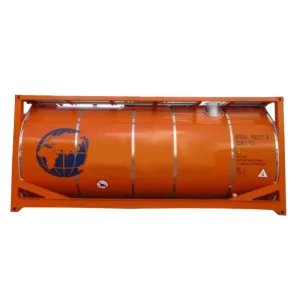
Liquid Intermodal ODM 20 Foot ISO Liquid Tank Container for Water Products

ODM 20ft ISO Liquid Tank Container (Industrial & Potable Liquids)

High-grade stainless steel insulated tank built inside a reinforced 20ft ISO frame for intermodal rail delivery.

View Specifications & Pricing
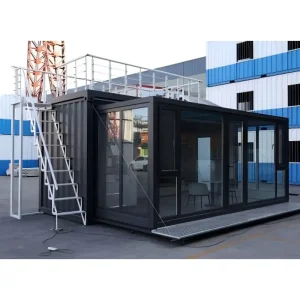
Modular Site Unit OEM 20ft Foldable Prefab Modular Homes Mobile Expandable Container

OEM 20ft Foldable Modular Container Housing Unit

Rapid-deployment mobile structure for logistics command hubs, terminal guardhouses, and railway field offices.

View Specifications & Pricing
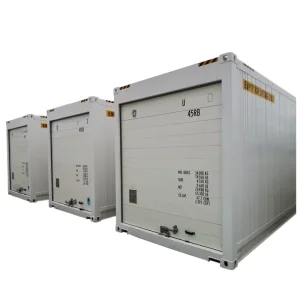
Rapid Docking ODM 40ft High-Cube Roll Up Reefer Container

ODM 40ft High-Cube Roll-Up Door Reefer Container

Rapid-access overhead shutter configuration tailored for high-frequency urban dock loading in dense warehouse zones.

View Specifications & Pricing
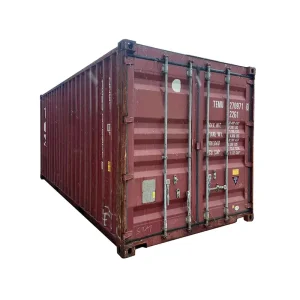
Certified Dry Cargo OEM 20ft Used Shipping or Storage Container

OEM 20ft Heavy-Duty Intermodal Dry Cargo Container

Wind-and-watertight storage and rail transport container featuring robust anti-racking structural corner posts.

View Specifications & Pricing
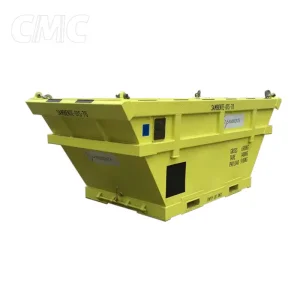
DNV 2.7-1 Offshore High-Quality DNV Certification Silt Basket Container

DNV 2.7-1 Certified Silt Basket & Slag Industrial Container

Engineered for harsh industrial waste handling, coastal slurry, and dynamic marine platform loading environments.

View Specifications & Pricing
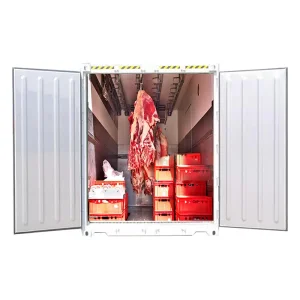
Hanging Meat Transport OEM Brand new hanging meat container for low temperature fresh transportation

OEM Meat-Hanging Low-Temp Refrigerated Rail Container

Integrated overhead stainless steel meat hooks and high-strength ceiling tracks designed for cold carcass transit.

View Specifications & Pricing
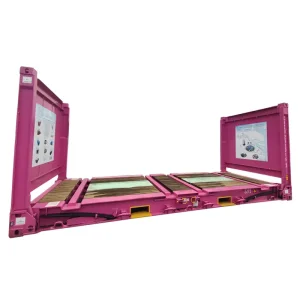
Over-Dimensional Cargo China New 20ft Platform Frame Container Exporter

20ft Heavy Flat-Rack & Platform Frame Intermodal Unit

Heavy-duty structural load-carrying platform with folding end walls, perfect for out-of-gauge industrial machinery.

View Specifications & Pricing
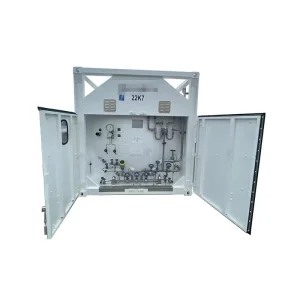
Cryogenic T75 Buy T75 20ft Cryogenic Liquid Tank Container

T75 20ft Cryogenic Liquid Gas Intermodal Tank Container

Multi-layered vacuum super-insulation designed for LNG, Liquid Argon, and Liquid Nitrogen intermodal delivery routes.

View Specifications & Pricing
Technical & Commercial FAQ

Frequently Asked Questions: Road & Rail Containers in Mexico

Comprehensive engineering insights addressing procurement, regulatory compliance, and intermodal compatibility.

How do your containers withstand double-stacking on Mexican railroads like Ferrovalle?

Our intermodal containers are engineered in accordance with AAR M-930 standards, incorporating high-strength corner castings rated to withstand up to 1,200 MPa of yield load and reinforced vertical corner posts capable of supporting up to nine-high stacking loads (192,000 kg). This structural integrity prevents racking and diagonal deflection during high-stress double-stack operations across mountain routes between coastal ports and Mexico City.

Do your road-rail containers comply with Mexican NOM-012 gross vehicle weight restrictions?

Yes. We leverage high-strength SPA-H Corten atmospheric corrosion-resistant steel, paired with optional lightweight composite or high-tensile corrugated panel designs. This drops the tare weight of our standard 40ft High-Cube container down to approximately 3,750 kg, enabling transport operators to maximize their net payload without violating the single- or double-trailer (fulles) weight limitations enforced under NOM-012-SCT-2-2017.

Can you supply dual-power or clip-on generator set (genset) compatible reefer containers?

Absolutely. Our refrigerated transport units can be factory-fitted with custom front-wall mounting brackets and electrical interface harnesses that interface smoothly with clip-on or underslung gensets (Thermo King, Carrier, or Daikin). This allows active refrigeration to switch effortlessly between truck chassis auxiliary power, trackside terminal outlets, and train power lines during long rail layovers.

What is the delivery timeline for container batches shipped to the Valley of Mexico?

Standard ISO units and typical High-Cube containers are dispatched directly from our deep-water port facilities in Tianjin or Suzhou, docking at the Ports of Manzanillo or Veracruz within 20 to 28 sailing days. From these marine entry points, bonded rail connections via Ferromex or CPKC deliver the units to Pantaco Intermodal Terminal or local depot yards in the State of Mexico within 48 to 72 hours of customs clearance.

Are custom branding, door layouts, and floor lashings available for Mexican fleet buyers?

Yes, we operate extensive OEM/ODM production lines. Clients can specify roller shutter doors, full-length side-access doors, custom recessed lashing tracks, heavy-duty shoring bars, or specific polyurethane insulation densities. Exterior coatings are applied to your exact corporate color scheme using durable marine-grade coatings complete with high-visibility bilingual CSC data plates and fleet decals.

How do you guarantee quality control and prevent structural failure under dynamic rail shocks?

Every production batch undergoes comprehensive non-destructive testing (NDT), ultrasonic weld inspections, rain penetration testing under high-pressure water jets, and dynamic impact validation. For specialized rail builds, finite element analysis (FEA) simulates the continuous 2G vertical, 3G longitudinal, and 1.5G lateral accelerations experienced across USMCA rail transitions, verified by international classification societies including Bureau Veritas and ISO quality systems.

Connect Directly with Our Intermodal Engineering Team

Whether you require standard 40ft/53ft intermodal dry vans, specialized ISO tank containers, or custom cold-chain reefers tailored for Mexico City operations, our technical consultants deliver verified engineering drawings, structural analyses, and landed pricing.

Send Inquiry Now