
ISO UN T11
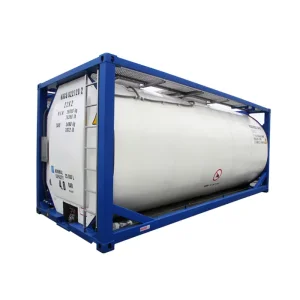
Engineered for hazardous chemicals, offshore exploration, food-grade oleochemicals, and pharmaceutical feedstocks operating through Port Klang and the Klang Valley industrial network.
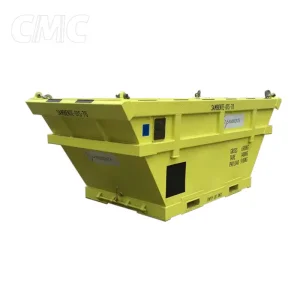
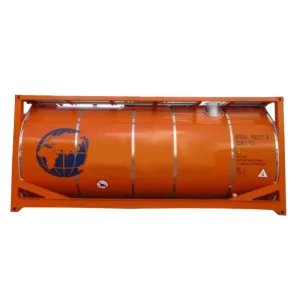

A technical assessment of bulk liquid multimodal transition across Malaysia's central industrial hubs.
The industrial landscape of the Greater Kuala Lumpur conurbation and the wider Klang Valley represents the commercial, financial, and advanced processing nexus of Malaysia. Positioned directly adjacent to Port Klang (encompassing Westport and Northport)—one of the world's busiest container transshipment gateways handling in excess of 13 million TEUs annually—Kuala Lumpur acts as the central command node for complex bulk liquid value chains traversing Southeast Asia.
Historically dependent upon intermediate bulk containers (IBCs) and standard 200-liter carbon steel drums, Malaysia's high-value industrial sectors are executing a systematic transition toward ISO tank containers (intermodal UN portable tanks). This paradigm shift is driven by stringent Department of Environment (DOE) compliance, Department of Occupational Safety and Health (DOSH) safety mandates, and urgent corporate decarbonization commitments under Malaysia’s National Energy Transition Roadmap (NETR). A single 20ft ISO tank container operating between Port Klang, Shah Alam, Bukit Jelutong, and the petrochemical corridors of Gebeng (Kuantan) or Pasir Gudang displaces roughly 125 single-use 55-gallon drums, instantly eliminating container disposal liabilities, reducing residue hold-up from 2.5% to less than 0.1%, and maximizing payload per intermodal road and rail shipment.
As a specialized high-volume tank container manufacturer with direct logistics links between our maritime fabrication terminals in Tianjin/Suzhou and Port Klang, our facility supplies certified T11, T14, T20, T50, and T75 cryogenic vessels tailored explicitly for tropical, coastal, and cross-border transport environments. Whether supporting downstream palm fatty acid distillate (PFAD) fractionation, electronic-grade solvent movement for semiconductor packaging in Selangor, or offshore supply vessels mobilized from coastal fabrication yards, our production lines bridge the gap between heavy industrial engineering and hyper-localized logistics agility.
Switching from single-trip flexitanks or steel drums to our standard 24,000L–26,000L T11 ISO tanks yields a 38% reduction in handling labor, eliminates ocean freight repositioning penalties, and prevents product loss from skin puncture or burst failures in hot equatorial transshipment yards.
Every vessel manufactured for the Malaysian market conforms precisely with the Factory and Machinery (Unfired Pressure Vessel) Regulations enforced by DOSH, supported by comprehensive design registration documentation, ASME U-stamp certification, and Bureau Veritas release protocols.
Our insulated vessels integrate steam heating channels (8 to 12 longitudinal passes), electric heating panels, or water glycol heating networks, ensuring that high-titer palm stearin, oleic acids, and specialized polymers maintain ideal pumping viscosities upon arrival at Port Klang berths.
Engineered to resolve real-world chemical processing and transport challenges across Klang Valley logistics corridors.
Selangor is a global powerhouse for processed palm oil products, methyl esters, refined glycerine, and fatty alcohols. Transporting these delicate organic compounds necessitates pristine 316L stainless steel shells with automated electropolished inner surfaces (Ra < 0.4 μm) and inert nitrogen blanket valve connections to prevent oxidation and enzymatic rancidity during transit through tropical conditions.
With Malaysia expanding its advanced wafer assembly, automated test, and substrate packaging footprint around Greater KL and neighboring Cyberjaya/Bangi hubs, our PTFE-lined and high-grade 316L ISO tanks ensure metallic ion leaching stays below sub-ppb thresholds for high-purity sulfuric acid, isopropanol, and specialty etchants.
Automotive assembly centers in Shah Alam and Rawang demand continuous delivery of polyurethane components, solvent-borne adhesives, and industrial paints. Our UN T11 low-gravity baffle tank configurations mitigate wave momentum during road transport across the NKVE and Federal Highway, ensuring driver safety and precise cargo stabilization.
The dense network of healthcare institutions, laser manufacturing shops, and food freezing facilities across the Klang Valley requires steady cryogenic liquid nitrogen (LIN), liquid oxygen (LOX), and liquid argon (LAR). Our vacuum multi-layer insulated T75 cryogenic tank containers provide unprecedented hold-times exceeding 100 days with zero boil-off during standard regional deployment.
Standardized vessel parameters manufactured in our factory and deployed across Southeast Asian maritime lanes.
| Vessel Classification | Typical Volume Range | Shell Material / Lining | Design Pressure (MAWP) | Target Malaysian Cargo Profiles | Key International Compliance |
|---|---|---|---|---|---|
| ISO T11 Standard Liquid | 21,000L – 26,000L | S31603 (316L) / Passivated | 4.0 Bar (Test: 6.0 Bar) | Palm fatty acids, refined glycerine, biodiesels, non-corrosive chemicals | IMDG, RID/ADR, US DOT, ASME VIII, BV |
| ISO T14 Corrosive Liquid | 14,000L – 20,000L | Carbon Steel / PTFE, PFA, Rubber | 4.0 Bar – 10.0 Bar | Hydrochloric acid, chlorosulfonic acid, caustic soda, ferric chloride | UN Portable Tank, DOSH Approval, TIR |
| ISO T20 Flammable / Toxic | 17,500L – 24,000L | 316Ti / High-Tensile Steel | 6.67 Bar (Top Discharge Only) | Organometallics, phosphorus trichloride, pesticide concentrates | IMDG Class 6.1/8, ASME Code Stamp |
| ISO T50 Pressurized LPG/Gas | 24,000L – 24,500L | Fine-Grain Low Alloy Steel | 15.0 Bar – 27.5 Bar | Propylene, ammonia, propane, methyl chloride, refrigerant blends | IMDG Gas, CSC, ISO 1496-3, DOSH Permit |
| ISO T75 Cryogenic Intermodal | 20,000L – 43,500L (40ft) | Austenitic SS Inner / CS Outer | 16.0 Bar – 24.0 Bar | Liquid Nitrogen (LIN), Liquid Argon (LAR), LNG, Liquid CO2 | EN 13530, ASME, ADR, TPED, DNV GL |
| Food-Grade Dedicated Tank | 24,000L – 26,000L | 316L Mirror Finish (Ra < 0.4 μm) | 2.65 Bar – 4.0 Bar | Edible palm oil, olein, food additives, pharmaceutical syrups | FDA, USDA, Halal Compliant Depot Cleanable |
*Note: All units can be custom-configured with telematics (ATEX Zone 0 GPS/Level/Pressure), bottom foot-valves, top-discharge spill boxes, and electric tracing upon request.
How our Tianjin and Suzhou production centers deliver world-class build quality at direct-from-mill economics for Malaysian asset owners.
In the capital-intensive world of chemical logistics, capital expenditure (CapEx) predictability and fleet reliability govern operator margins. Sourcing tank containers directly from our advanced Chinese manufacturing hubs delivers unmatched advantages in metallurgical consistency, production speed, and structural integrity. Operating within 100 kilometers of the world's most integrated deepwater steel, valve, and automated fabrication clusters, our production campuses leverage direct-from-mill partnerships with certified suppliers like TISCO and Baosteel for cryogenic and duplex grade steels.
Longitudinal and circumferential tank welds are performed utilizing multi-head robotic submerged arc welding (SAW) cells. This guarantees uniform penetration, zero slag porosity, and optimal structural resilience under continuous dynamic vibration during sea-rail intermodal cycles.
Prior to frame mounting, every vessel enters our automated spray-pickling and chemical passivation bath. This restores the protective chromium oxide boundary layer across 100% of heat-affected weld zones, providing superior defense against aggressive maritime salinity and humid tropical moisture.
By coordinating direct vessel loading from Tianjin or Shanghai to Port Klang (Westport/Northport) or Penang Port, our logistics operations cut ocean transit times to 9–14 days, bypassing costly freight forwarder markups and delivering factory-priced containers ready for immediate commission.
The transformation of static tank containers into intelligent, connected, and eco-efficient mobile industrial assets.
As Malaysian petrochemical logistics companies embrace Industry 4.0 standards, static container assets are being rapidly replaced by smart, connected intermodal ecosystems. Our factory is at the forefront of this transformation, integrating sensor hardware, metallurgical breakthroughs, and advanced digital telemetry into every container build.
Real-time monitoring arrays featuring solar-powered, intrinsically safe transmitters provide continuous fleet data: internal cargo temperature, ullage pressure, precise geo-location via GPS/BeiDou, impact shock alarms, and unauthorized manlid opening detection across Malaysian expressways.
By adopting advanced Duplex 2205 and high-strength lean alloys, we reduce tare weights by up to 450 kg per 20ft T11 unit compared to standard Austenitic builds. This tare reduction directly translates into greater liquid payload per haul, lowering fuel burn and tailpipe emissions per transported metric ton.
Our T75 cryogenic liquid vessels employ high-performance vacuum reflective multilayer insulation (MLI) combined with molecular getters, slashing boil-off rates to industry-leading lows for zero-vent long-distance LNG and liquid hydrogen intermodal logistics across Southeast Asia.
Navigating the complex interplay of Malaysian national regulatory authorities, international maritime codes, and regional depot protocols.
Deploying bulk liquid equipment across Malaysia requires rigorous adherence to both statutory port standards and national industrial safety legislation. Our factory works alongside global classification societies to provide complete legal readiness upon cargo touchdown at Port Klang or Tanjung Pelepas.
1. DOSH (JKKP) Certification: The Department of Occupational Safety and Health (Jabatan Keselamatan dan Kesihatan Pekerjaan) enforces strict manufacturing design approvals for pressure equipment under the Factories and Machinery Act 1967. Every pressure vessel destined for static discharging or extended retention on Malaysian soil undergoes pre-fabrication design appraisal, review of material test reports (MTR), and inspection documentation witnessed by authorized third-party survey bodies (such as Bureau Veritas, Lloyd's Register, or DNV).
2. Port Klang DG By-Laws: Port Klang Authority classifies bulk dangerous goods under strict Class 1 through Class 9 frameworks. Our ISO tank containers are manufactured with dual-relief spring-loaded pressure safety valves (PSVs), burst discs with electronic rupture indicators, and full thermal insulation jackets conforming strictly to the IMDG Code Amendment 41-22, ensuring expedited customs green-lane clearance.
3. Halal Oleochemical & Food-Grade Compliance: With Malaysia recognized as a global certification beacon for Halal processing (JAKIM), food-grade palm oil and derivative shipments require tank shells that are free of animal-derived lubricants during manufacturing and fully compatible with certified automated cleaning cycles (CIP) at major Port Klang tank cleaning depots.
Eliminate intermediary surcharges, obtain custom engineering blueprints within 48 hours, and secure guaranteed production slots for T11, T14, T50, and T75 ISO tank containers delivered directly to Port Klang.
Send Inquiry Now — Get Technical QuotationIn-depth responses to common inquiries from fleet operators, chemical producers, and trading houses in Kuala Lumpur.
Our engineering department maintains an active design registration protocol with international certifying bodies (such as Bureau Veritas and Lloyd's Register) who act as authorized inspection authorities recognized by DOSH. Prior to fabrication, the engineering calculations, welding procedure specifications (WPS), welder qualification records (WQR), and material mill test certificates (MTC 3.1) are audited. Upon completion, hydrostatic pressure testing and non-destructive examination (NDE/RT) records are compiled into the formal statutory manufacturing data book submitted to DOSH for final certification.
Production lead times for standard T11 UN portable tanks typically range between 4 to 6 weeks for batch orders of 5 to 50 units. Shipping from our primary manufacturing bases near Tianjin Port or Shanghai/Suzhou directly to Port Klang (Northport or Westport) takes approximately 9 to 14 days of ocean transit on direct container liner calls, ensuring prompt commissioning for your operations in the Klang Valley.
Yes. Our palm oil and oleochemical specialized tank containers come standard with high-efficiency, longitudinally welded steam heating channels made from 316L stainless steel, capable of operating at steam working pressures up to 6.0 Bar. Combined with a 50mm high-density rockwool or polyurethane insulation jacket enclosed within a 1.8mm marine-grade GRP or stainless steel outer shell, our tanks preserve product temperature during highway transport and allow rapid re-heating at discharge terminals in Port Klang.
While short-term spot leasing provides temporary volume flexibility, long-term leasing incurs steep monthly rental commitments, stringent off-hire return depot penalties, and high refurbishment charges for minor cosmetic blemishes. Purchasing custom new-build containers directly from our factory establishes full capital depreciation benefits, eliminates off-hire inspection disputes, provides custom fittings suited exactly to your local filling lines, and achieves full payback typically within 14 to 18 months of active deployment.
Yes. For extremely aggressive acids such as 37% concentrated hydrochloric acid (HCl), hydrofluoric acid blends, and ferric chloride, we manufacture UN T14 and T20 vessels lined with electrostatically sprayed fluoropolymer linings (PTFE, PFA, or ETFE) or high-build vulcanized chlorobutyl/bromobutyl rubber coatings. Each lined container is 100% spark-tested up to 20,000 Volts prior to dispatch to certify pinhole-free barrier integrity.
We integrate ATEX Zone 0 and IECEx certified solar-assisted telematics units mounted flush within the tank spill box or top walkway frame. These modules transmit continuous telemetry via 4G/5G and satellite networks, tracking real-time GPS location, multi-point cargo temperatures, shell pressure, liquid level/ullage, and mechanical shock events directly to your fleet control room in Kuala Lumpur.
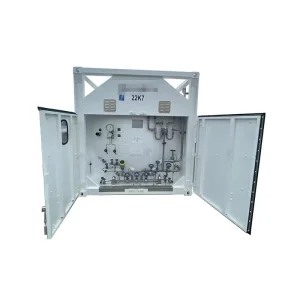
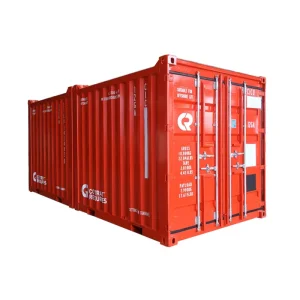
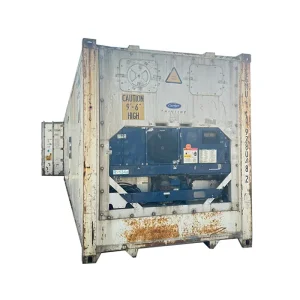
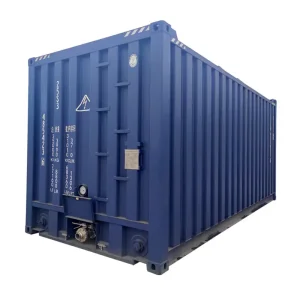
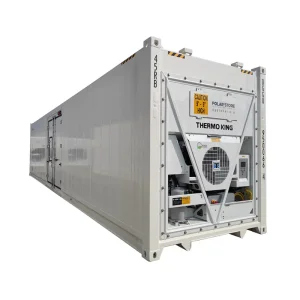
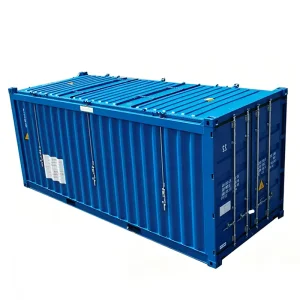
Specialized gas tanks, cryogenic units, offshore certified modules, high-cube reefers, and heavy dry cargo equipment supporting Malaysia's trade infrastructure.
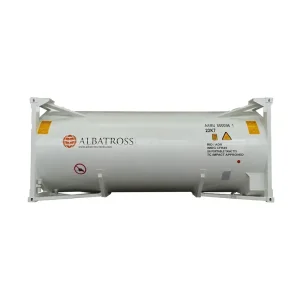

Direct consultation with our senior vessel design engineers for the Malaysian market.