
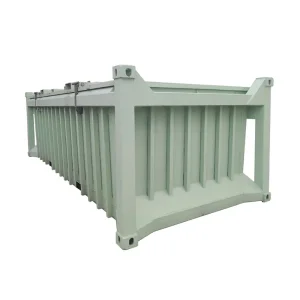
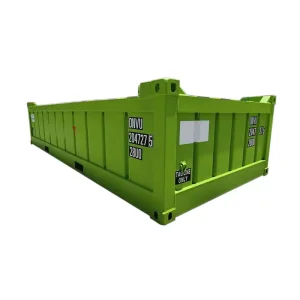
Famous New Half Height Ore Carrier Container Offshore Container Manufacturers, Quotes
View Specifications
Direct factory procurement portfolio engineered under strict BV, ISO, and DNV quality controls. Each intermodal unit is manufactured with Corten-A anti-corrosive structural steel, full seal weatherproofing, and maximum CSC payload ratings.
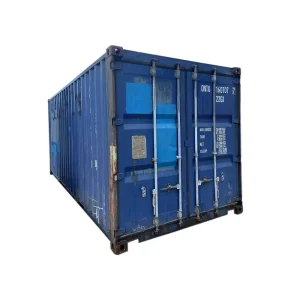
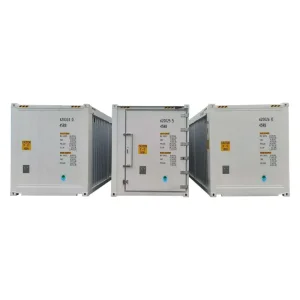
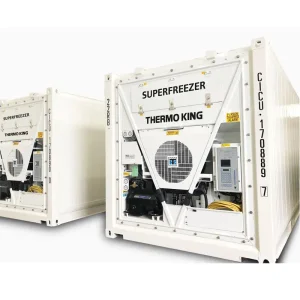
The contemporary dry shipping container has transformed from a passive structural steel shell into a precision-engineered, smart logistics ecosystem. Driven by carbon mitigation directives, intermodal telemetry demands, and harsh environmental resilience, container factories are re-engineering every facet of production.
Modern factories utilize certified SPA-H Corten atmospheric corrosion-resistant steel with copper-chromium-nickel alloy matrixes. Upon oxidation exposure, a dense amorphous patina passivation layer forms, reducing long-term corrosion degradation rates by over 400% compared to conventional structural carbon steel in marine salt-spray ambient conditions.
To conform with strict volatile organic compound (VOC) environmental regulations in North America and the European Union, leading Chinese exporters have replaced solvent paints with multi-tier waterborne zinc-rich primers, intermediate epoxy barriers, and polyurethane finish layers, maintaining salt-fog ratings in excess of 1,200 continuous hours.
Traditional apitong and tropical keruing timber floors are systematically giving way to sustainable high-density bamboo composites and steel-reinforced polymer matrices. These engineered floors offer superior 7,260 kg axle loads, high chemical inertness, and zero susceptibility to pest quarantine restrictions under Australian DAFF / quarantine guidelines.
International buyers do not merely purchase a steel cube; they secure supply chain security, structural reliability, and operational versatility. Different vertical sectors present distinct structural stress requirements and compliance frameworks.
Global container lines and box leasing corporations demand maximum payload-to-tare ratio, standardized ISO 668 dimensions, automated twistlock corner casting tolerances, and valid CSC safety approval plates allowing minimum 9-high fully loaded stacking (192,000 kg racking test compliance).
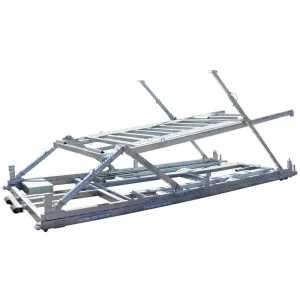
For remote mineral extraction, oilfield developments, and EPC mega-infrastructure projects, standard dry boxes require custom half-height stiffening, heavy-duty floor cross-members, reinforced forklift pockets, and certified padeyes for dynamic offshore crane lifting under DNV 2.7-1 / EN 12079 standards.
Grain, coffee bean, raw rubber, and bagged chemical consignments require enhanced internal ventilation setups (high-flow labyrinth louvers) to completely prevent moisture condensation ("container rain"), alongside reinforced lashing rings rated at 1,500 kg to 2,000 kg breaking force along the top and bottom rails.
| Dimensional Category | External Dimensions (L x W x H) | Internal Volume | Tare Weight (±3%) | Max Gross Weight (MGW) | Target Industrial Use |
|---|---|---|---|---|---|
| 10ft Standard Dry Box | 2,991 x 2,438 x 2,591 mm | 15.9 m³ (561 cu.ft) | 1,300 kg | 10,000 kg | Urban storage, jobsite tooling, chemical segregation |
| 20ft GP General Purpose | 6,058 x 2,438 x 2,591 mm | 33.2 m³ (1,172 cu.ft) | 2,200 kg | 30,480 kg - 32,500 kg | Heavy dense cargo, minerals, machinery, general commodities |
| 40ft GP Standard Dry | 12,192 x 2,438 x 2,591 mm | 67.7 m³ (2,390 cu.ft) | 3,730 kg | 30,480 kg - 32,500 kg | Voluminous manufactured items, consumer goods, apparel |
| 40ft HC High-Cube (9'6") | 12,192 x 2,438 x 2,896 mm | 76.4 m³ (2,698 cu.ft) | 3,900 kg | 32,500 kg | Lightweight/high-cube consumer freight, furniture, modular conversion |
| 45ft HC Intermodal Dry | 13,716 x 2,438 x 2,896 mm | 86.5 m³ (3,054 cu.ft) | 4,800 kg | 34,000 kg | Eurasian rail corridor, Belt and Road land-bridge networks |
| 20ft Half-Height Open Top | 6,058 x 2,438 x 1,295 mm | 16.0 m³ (565 cu.ft) | 2,800 kg | 25,000 kg | Dense metal ores, concentrates, gravel, offshore drilling debris |
Navigating extreme climatic variations, varied railway track gauges, and stringent marine salt environments requires targeted container configurations designed for specific macro corridors.
Operating across Siberia and Central Asia requires structural steel rated for severe sub-zero ductility. CIMIC manufactures cold-climate dry containers utilizing charpy V-notch tested steel at -40°C, equipped with customized reinforced side panels to resist continuous dynamic railway buffing forces up to 2g longitudinal acceleration.
Cargo moving through Southeast Asia, Latin America, and West Africa faces relative humidity levels reaching 95%. Our dry containers feature dual-lip EPDM perimeter door gaskets, vulcanized under automated heat-curing presses, combined with moisture-absorbent inner ceiling thermal thermal linings that eradicate sweat condensation damage.
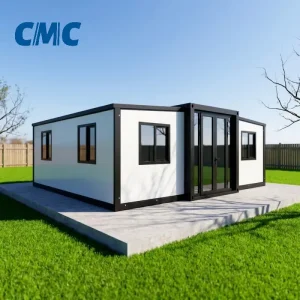
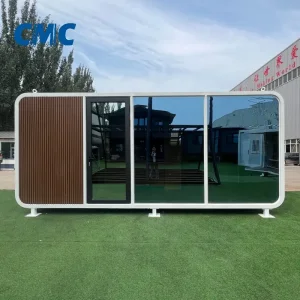
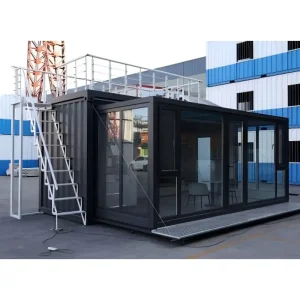
Dry containers serve as the structural chassis for rapid deployment hospitals, telecommunication shelters, battery energy storage systems (BESS), and tactical command centers. CIMIC offers factory-pre-cut structural openings, thermal rockwool insulation studs, side-opening bifold doors, and fire-rated composite linings.
Reliability in global shipping rests upon verifiable certifications and rigorous testing protocols. As an established manufacturer and exporter operating from dual hubs in Tianjin and Suzhou, CIMIC enforces end-to-end quality oversight verified by accredited international classification societies.
Every standard dry and specialized production run undergoes third-party verification by Bureau Veritas. Inspecting engineers execute comprehensive dimensional, wall deflection, and structural integrity tests conforming with ISO 1496-1 Series 1 Freight Containers.
Operating under certified ISO 9001 quality management systems, incoming steel coils undergo spectroscopic composition verification, robotic submerged-arc seam welding is ultrasound non-destructively tested (NDT), and paint film thickness (DFT) is measured with calibrated digital gauges.
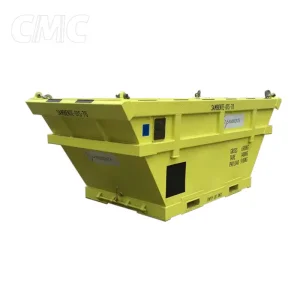
For offshore and mining cargo baskets, units undergo dynamic drop tests, 4-point certified sling lifting, tilt proof-loading, and pad-eye magnetic particle inspection (MPI) to guarantee safety on volatile marine supply vessels.
All dry units carry genuine stainless-steel CSC safety approval plates, TIR customs security seal hardware, and UIC registration certifications, ensuring unhindered clearance across European, Pan-American, and Asian border crossings.
The next decade of intermodal equipment centers on digital visibility, ultra-high-strength metallurgy, and net-zero circular lifecycle manufacturing paradigms.
Embedding solar-recharging 5G satellite tracking nodes directly inside the top side rail corrugation during factory assembly. Real-time telemetry tracks geographical GPS coordinates, door-open intrusion events, internal humidity profiles, and 3-axis kinetic shock vibrations.
Migrating factory floor lines to fully robotic continuous-seam MIG and friction stir welding platforms. Eliminates localized porosity defects, ensures 100% airtight panel joins, and elevates structural yield strength beyond 550 MPa across corner post assemblies.
Incorporating up to 85% certified scrap steel recovery electric arc furnace (EAF) smelting with verified green hydrogen reduction, cutting the embodied carbon footprint per 20ft container by 42% to fulfill Scope 3 ESG corporate procurement mandates.
Answers to key operational, technical, and commercial questions asked by international buyers sourcing new and used dry storage units from China.
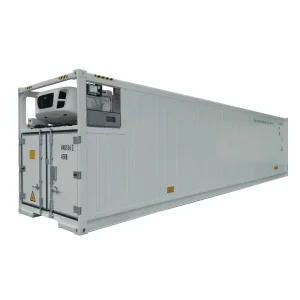
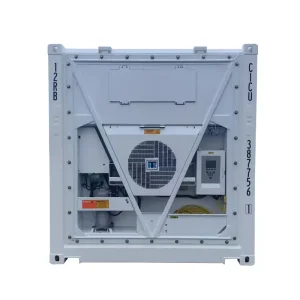
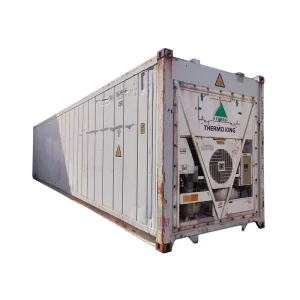
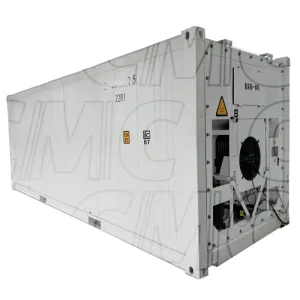
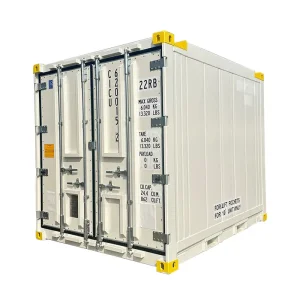
Explore our complementary specialized equipment manufactured with identical precision standards: modular accommodation structures, UN portable ISO tanks, and smart refrigerated cold chain containers ready for global export dispatch.

Connect directly with our engineering sales department in Tianjin or Suzhou. We generate CAD schematics, payload stress calculations, and competitive FOB/CIF quotation schedules within 24 business hours.