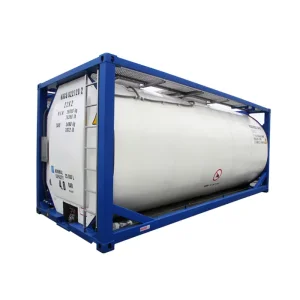
Field-tested intermodal designs, active refrigeration units, and custom industrial containment frames ready for worldwide maritime delivery.
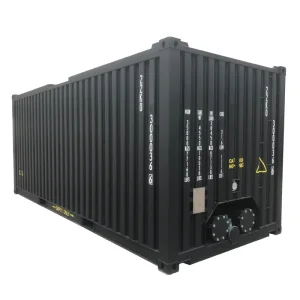
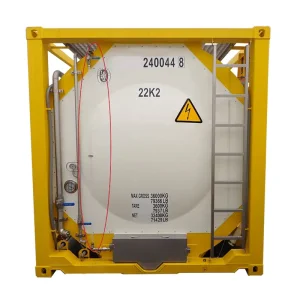
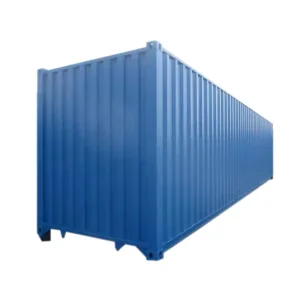
A granular look at structural containment, continuous thermal breaks, aerodynamic flooring dynamics, and high-efficiency thermodynamic boundary integrity.
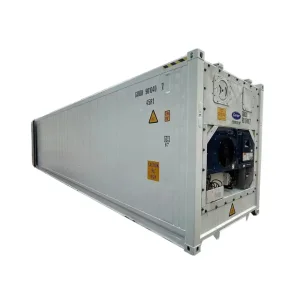
The interior operational envelope of an industrial reefer container relies strictly on food-grade austenitic SUS304 cold-rolled sheets. These non-corrosive linings prevent oxidation caused by aggressive volatile organic compounds, saline moisture, or cargo degassing.
The floor geometry inside the reefer is engineered from extruded marine-grade 6061-T6 aluminum shaped into high-profile T-bars. This provides a structural load-bearing platform designed to handle dynamic multi-ton forklift wheel traffic without buckling.
Thermal isolation relies on rigid polyurethane insulation blown with environment-safe cyclopentane foam agents. Injected under automated vacuum compression, this structural foam bonds the stainless liner to the external weathering steel shell.
Strategic purchasing criteria across the primary corporate sectors investing in custom and high-specification inside reefer containment infrastructure.
Global pharmaceutical distributors require validated cold envelope stability that complies with Good Distribution Practice (GDP) standards. Temperature deviations of even 1.5°C can compromise complex biologics, vaccines, and insulin payloads.
Transporting thermally unstable compounds—including self-reactive polymers, organic peroxides, and agricultural catalysts—requires explosion-proof refrigeration motors, non-sparking inside environments, and continuous vapor extraction.
High-value fresh produce require active internal gas control to slow post-harvest respiration. Integrated Controlled Atmosphere (CA) systems regulate O2, CO2, and ethylene levels to preserve freshness across long ocean passages.
A side-by-side engineering comparison designed to help fleet managers choose between standard ISO cold chain builds, deep-freeze platforms, and offshore-rated enclosures.
| Technical Metric | Standard 20ft/40ft Reefer | -60°C Ultra-Deep Freezer | DNV 2.7-1 Offshore Unit |
|---|---|---|---|
| Operating Range | -30°C to +30°C | -60°C to -10°C | -35°C to +20°C |
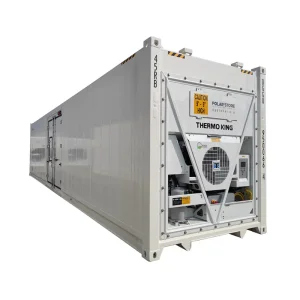
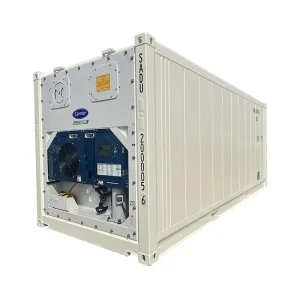
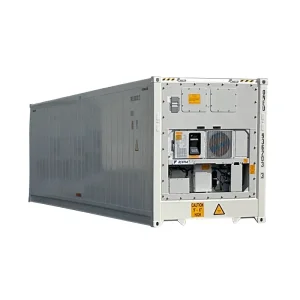
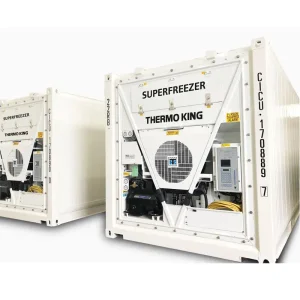
| Machinery Compatibility | Carrier Transicold / Thermo King / Daikin | Thermo King SuperFreezer / Daikin Custom | Ex-Proof ATEX Certified Marine Compressor |
| Internal Wall Liners | 0.7 mm Stainless Steel 304 (Corrugated) | 1.2 mm SUS316 Heavy-Gauge (Smooth-Weld) | 316L Stainless Steel / Blast-Resistant Core |
| Floor Structure | Extruded Aluminum T-Bar (50 mm height) | Deep-Recessed T-Bar with Internal Drain Seal | Non-Slip Perforated Steel Deck with Floor Sump |
| Insulation Integrity | 65 mm Injected PU (K ≤ 0.38 W/m²K) | 100 mm Vacuum Insulation Panels + PU | 80 mm Fire-Retardant Mineral Core + Cyclopentane |
| Certification & Society | ISO 1496-2 / BV / CSC | ISO / ABS / CE Marking | DNV 2.7-1 / EN 12079 / Lloyd's |
Modern reefer manufacturing is shifting beyond passive boxes into active, intelligent nodes powered by eco-friendly refrigerants and self-optimizing telemetry.
International environmental regulations—including the EU F-Gas phase-down and the Kigali Amendment—are driving a fast transition away from traditional synthetic fluorocarbons (R134a/R404A).
Modern reefer interiors now integrate wireless wireless mesh sensors across wall and ceiling channels to monitor thermal gradients, relative humidity, and cargo vibration in real time.
Next-generation reefer hulls incorporate vacuum-sealed silica aerogel panels within the foam-injected walls, significantly reducing wall thickness while retaining high thermal insulation.
Strict quality assurance protocols are built into every production step at our Tianjin and Suzhou manufacturing plants, ensuring your equipment arrives fully compliant and ready to deploy.
Every reefer container built in our facilities is inspected and certified under the oversight of major classification societies, including Bureau Veritas (BV), ABS, and DNV.
Before leaving the factory, containers undergo a rigorous battery of tests: structural load-racking checks, rain tightness spraying, thermal leakage tests, and full machinery pull-down tests to verify operating limits.
We work with trusted global cooling brands—Thermo King, Carrier Transicold, and Daikin—to ensure our buyers have access to local technicians, repair depots, and genuine replacement parts across 120+ countries.
Clear, direct answers from our engineering and sales teams covering container dimensions, customization options, power systems, and export handling.
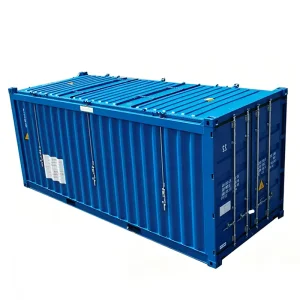
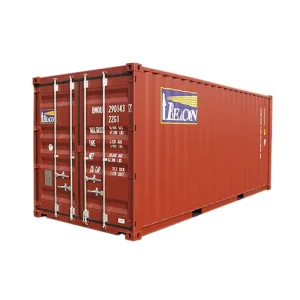
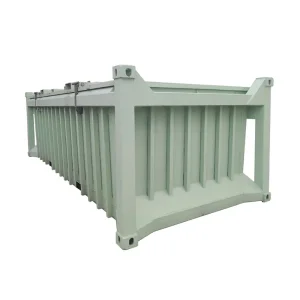
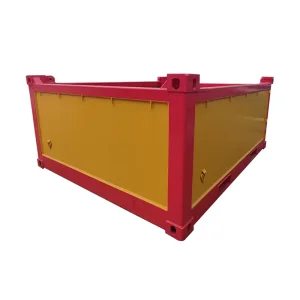
Most reefer and dry models are available in 10ft, 20ft, 20ft High Cube, 40ft, and 40ft High Cube. Special builds such as side open door, roll-up door, half height, and offshore containers are engineered to the project's exact dimensions and load requirements.
Our reefer range is supplied with mainstream refrigeration units including Thermo King, Daikin, and Carrier, so buyers can match the unit to their local service network and spare parts availability.
CIMIC holds a BV shipping certificate and an ISO quality management certificate. Offshore dry cargo containers are manufactured in compliance with DNV certification requirements.
Yes. Buyers can select a model from our catalog or work one-to-one with our engineering team on custom dimensions, door configurations, insulation, coatings, branding, and interior fit-out.
New containers are produced at our bases in Tianjin and Suzhou, about 100 kilometers from the seaport. Used containers are held at various Chinese ports, which shortens dispatch time for buyers.
MOQ depends on the degree of customization. Standard new and used containers are supplied in flexible quantities, while bespoke builds are planned per project. Our team will advise the most cost-efficient batch size for your requirement.
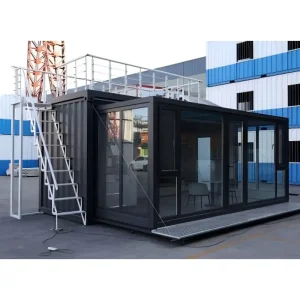
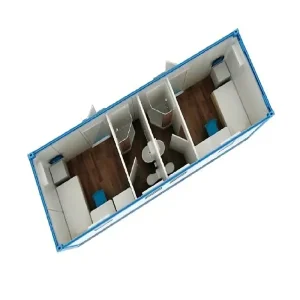
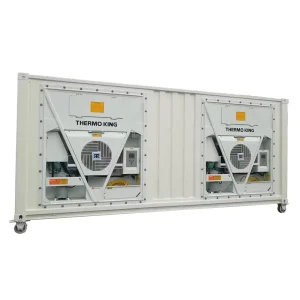
Explore our offshore baskets, open-top units, side-access refrigerated boxes, and modular housing solutions.