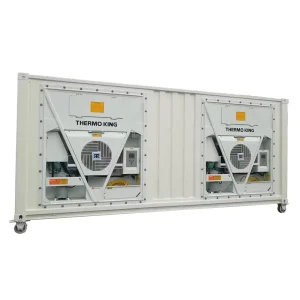
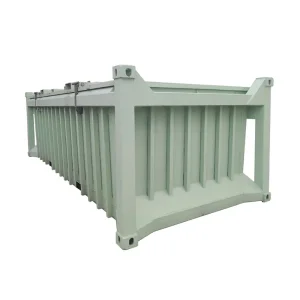
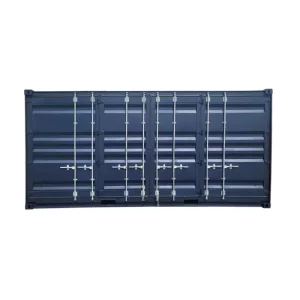
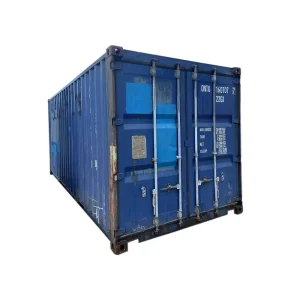
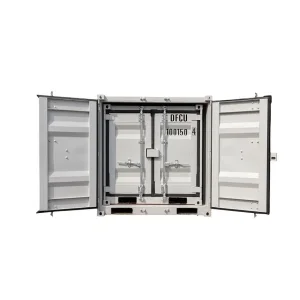
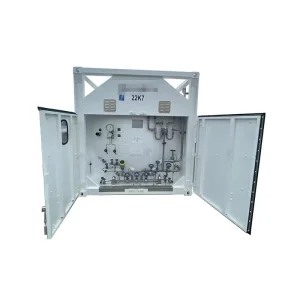
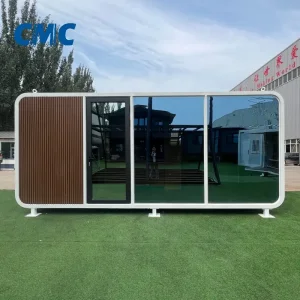
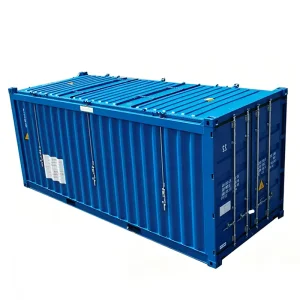
High-integrity container chassis, thermal housings, and specialized modular units manufactured to ISO, BV, and DNV maritime specifications.
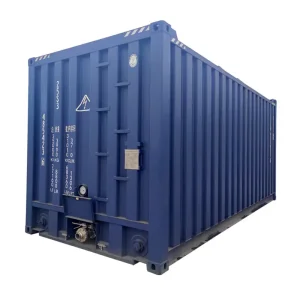
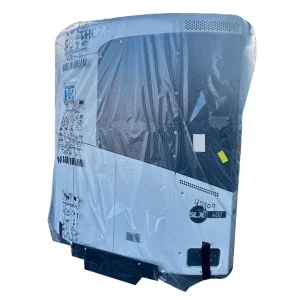
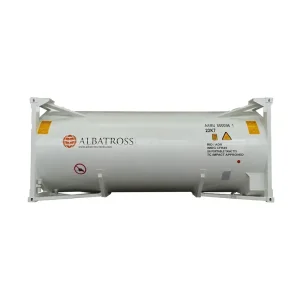
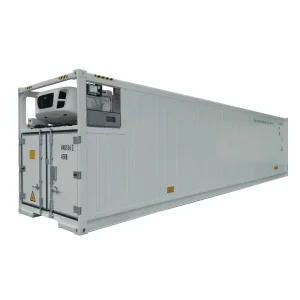
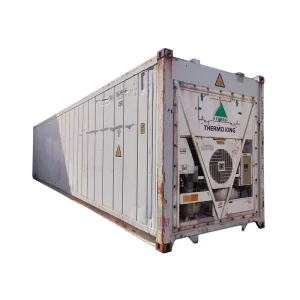
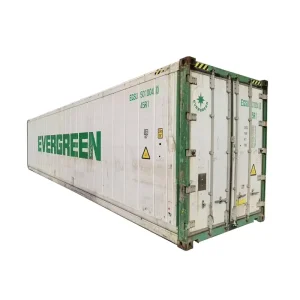
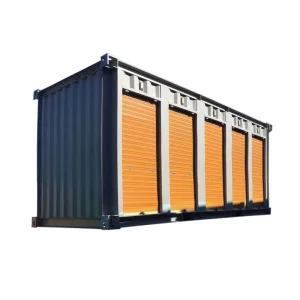
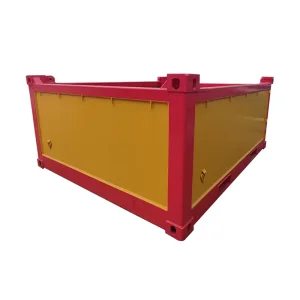
Commercial farming consortiums, biopharmaceutical producers, and municipal food-resilience programs require standardized, scalable Controlled Environment Agriculture (CEA) container hardware engineered to bridge structural integrity with advanced biological automation.
Traditional glasshouse construction requires extensive zoning permits, civil earthworks, and 12–18 month build cycles. Turnkey modular plant growing containers deliver instant CAPEX amortization through standard freight corridors, reducing deployment velocity to under 60 days per multi-container farm array.
Industrial seed genetics companies and botanical extraction developers utilize hermetically sealed container pods to eliminate airborne pests, cross-pollination risks, and viral vectors. Multi-zone airlocks combined with positive pressure HEPA filtration maintain GMP-grade cleanliness benchmarks.
Whether deployed across high-salinity coastal districts, arid desert zones exceeding +50°C, or sub-arctic mining settlements dipping to -40°C, high-density polyurethane (PU) thermal insulation panels and dual-circuit HVAC microclimate modules safeguard internal growing recipes 24/7.
A high-yielding automated growing container is an intricate synthesis of mechanical engineering, thermodynamics, fluid dynamics, and automated biological fertigation.
Custom horticultural LED arrays delivering photosynthetic photon flux densities (PPFD) from 250 to 1100 µmol/m²/s. Programmable spectrum channels (Deep Red 660nm, Far Red 730nm, Royal Blue 450nm, UV-A) facilitate photoperiod tuning according to crop physiological growth phases.
High-efficiency Nutrient Film Technique (NFT), Deep Water Culture (DWC), and aeroponic atomization setups engineered with Food-Grade 304/316 Stainless Steel plumbing, dual UV-C sterilization chambers, micro-bubble oxygenators, and automatic automated dosing units for precise EC/pH control.
Active inverter climate units combined with commercial dehumidification circuits precisely regulate Vapor Pressure Deficit (VPD). Laminar airflow distribution ducting eliminates dead air pockets, preventing localized botrytis while standardizing uniform plant transpiration rates.
Integrated PLC hardware tied into local edge servers and cloud-synced telemetry. Monitors CO2 enrichment (up to 1500 ppm), ambient root-zone moisture, diurnal thermal transitions, and power consumption with remote fail-safe alerting over encrypted protocols.
Engineered on standard ISO dry cargo and high-cube insulated marine hulls to allow standard intermodal transit via rail, ocean freight, and flatbed transport.
| Dimensional Model | External Dimensions (L x W x H) | Internal Cultivation Footprint | Total Crop Capacity (Leafy/Herb) | HVAC Dynamic Cooling | Core Shell Construction |
|---|---|---|---|---|---|
| 20ft High Cube CEA Pod | 6,058 x 2,438 x 2,896 mm | 12.8 m² (Up to 48 m² Canopy Area) | 1,800 – 2,400 Plants / Rotation | 3.5 kW Inverter Chiller + Heating | Corten-A Steel + 75mm PIR Foam Core |
| 40ft High Cube Commercial Farm | 12,192 x 2,438 x 2,896 mm | 28.5 m² (Up to 110 m² Canopy Area) | 4,200 – 6,000 Plants / Rotation | 7.5 kW – 12 kW Split System | Corten-A Steel + 100mm PU High-Density Walls |
| 45ft Deep-Corridor Agro Unit | 13,716 x 2,438 x 2,896 mm | 33.2 m² (Up to 140 m² Canopy Area) | 5,500 – 7,800 Plants / Rotation | 15 kW Inverter Multi-Split Air Handler | DNV 2.7-1 Spec Outer Frame / Stainless Interior |
| Multi-Tier Fodder Sprouting Pod | 12,192 x 2,438 x 2,896 mm | 28.5 m² (Dedicated Hydroponic Mesh) | Up to 1,200 kg Fresh Feed / Day | Dual Redundant Industrial Chillers | Food-Grade Antimicrobial FRP Wall Cladding |
Continuous engineering breakthroughs are revolutionizing automated container farming from standalone localized enclosures into intelligent, grid-interactive agricultural networks.
Autonomous gantry cameras and multi-spectral sensors scanning foliage every 6 hours. Convolutional neural networks evaluate nitrogen deficiencies, tip-burn, and canopy expansion rates in real time, automatically adjusting PAR exposure and nutrient delivery schedules without manual sampling.
Direct DC bus coupling integrating rooftop bifacial solar PV systems and Containerized Battery Energy Storage Systems (BESS). Dynamic peak-shaving algorithms schedule LED light recipes during off-peak tariff periods, driving net energy expenditure down by up to 42%.
Next-gen ultrasonic and high-pressure aeroponics (HPA) utilizing automated internal cartridge carousels. The mechanical architecture achieves a 30% reduction in water volume requirements relative to classical NFT channels while tripling root-zone oxygenation parameters.
Deploying commercial growing assets across international borders mandates rigorous adherence to maritime cargo laws, electrical codes, and environmental certifications.
Every container is fabricated strictly under Bureau Veritas (BV) and ISO 1496-1 parameters, bearing a valid International Convention for Safe Containers (CSC) safety approval plate for standard stackability up to 9 units high on container vessels.
Factory-wired to UL 508A (North America), CE / EN 60204-1 (European Union), or AS/NZS 3000 (Oceania) standards. Includes main distribution breaker panels, residual current devices (RCD), emergency stop relays, and industrial ingress protection ratings (IP65+).
Interior finishes feature non-porous FRP, stainless steel, or antibacterial polyurethane anti-fungal panel coatings compliant with USDA, HACCP, and global GAP protocols, permitting chemical washdown sanitation routines between crop harvesting cycles.
Manufacturing centers situated in Tianjin and Suzhou (~100km from deepwater ports) facilitate immediate freight dispatch. Units can be shipped as standard dry-cargo freight boxes (SOC - Shipper Owned Containers), substantially curtailing overseas transit costs.
In-depth technical answers addressing unit economics, power loads, climate adaptability, and custom engineering.
High-value leafy greens (kale, butterhead lettuce, arugula), microgreens, culinary herbs (basil, cilantro, mint), strawberries, edible flowers, and specialized medicinal botanicals yield the highest ROI due to short crop cycles (18 to 28 days) and high local market margins.
A fully loaded 40ft High Cube CEA container running full-spectrum LED fixtures, HVAC, dehumidifiers, pumps, and telemetry requires between 12 kW and 24 kW of continuous connected power depending on photoperiod lighting schedules and ambient outdoor climate stress.
Yes. By employing high-density polyurethane (PU) or polyisocyanurate (PIR) insulated sandwich cores (75mm to 120mm) and commercial inverter HVAC platforms equipped with low-ambient winter kits or extreme-heat condensers, internal setpoints stay constant between -40°C and +50°C.
Standard ISO container shells are supplied with flexible MOQ starting at 1 unit for pilot trials. Completely custom-engineered Turnkey CEA builds typically operate on an MOQ of 1 to 2 units, with production turnaround ranging from 25 to 45 business days prior to port delivery.
Browse additional heavy-duty reefer shells, cryogenic storage, modular structures, and bespoke dry container models from our global export division.