Procure certified intermodal infrastructure straight from our automated Tianjin and Suzhou production yards. Fast dispatch and bespoke modification readiness.
Navigating capital expenditure, intermodal durability, and lifecycle compliance across multinational supply corridors.
In modern intermodal freight logistics and localized distributed energy infrastructure, procuring specialized containers directly from an original design manufacturer (ODM) is no longer a simple transactional purchase of welded steel. For Fortune 500 chemical conglomerates, offshore drilling operators, defense logistics units, and cold-chain integrators, sourcing specialized containers represents a fundamental capital deployment strategy where Total Cost of Ownership (TCO), metallurgical resilience, and strict international standardizations dictate operational continuity.
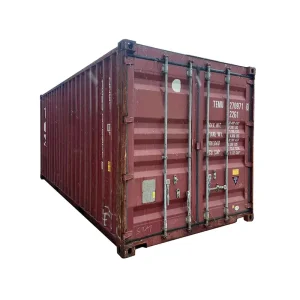
Standard dry cargo ISO containers, while ubiquitous, fall critically short when subjected to dynamic torsional forces encountered in maritime mining freight, explosive vapor envelopes in volatile petrochemical shipping, or the hyper-precise thermal tolerances demanded by advanced mRNA biologics. Sourcing from a dedicated factory such as CIMIC Group (Tianjin Cimic Imp&Exp Co., Ltd.) establishes direct engineering continuity from metallurgical formulation—utilizing high-tensile SPA-H atmospheric corrosion-resistant Corten steel—to FEA stress modeling and classification society certifications including Bureau Veritas (BV), ISO 9001/14001, and DNV GL 2.7-1 / EN 12079 standards.
Corporate procurement directors face a dual challenge: optimizing payload volume while mitigating tare weight penalties. Specialized containers require tailored structural topologies. Whether implementing inverted T-bar subfloors to direct cryogenic circulation in high-cube reefers, or engineering ISO pneumatic bulkers capable of self-unloading abrasive chemical powders under multi-atmosphere pressures, working directly with a verified factory eliminates broker markup, accelerates customized structural drawings, and guarantees third-party classification stamping prior to ocean departure.
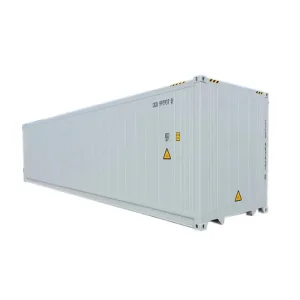
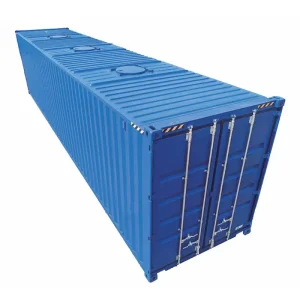
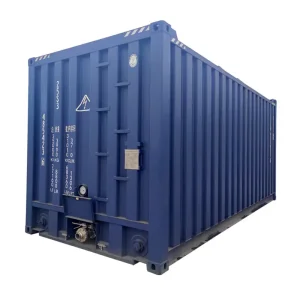
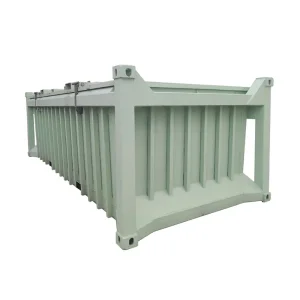
Modular architectures engineered to survive extreme kinetic stresses, thermal shifts, and corrosive chemical environments.
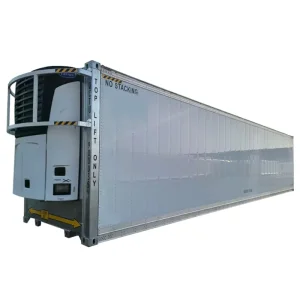
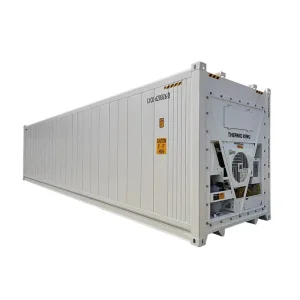
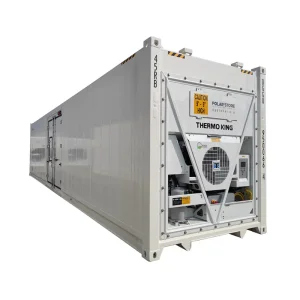
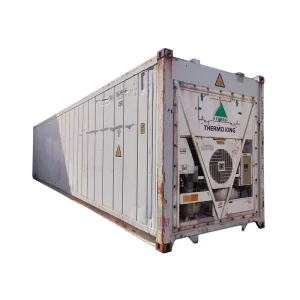
Engineered with integrated Carrier Transicold, Thermo King Magnum Plus, or Daikin LXE refrigeration machines, paired with vacuum insulation panels (VIP) and cyclopentane-blown polyurethane foam envelopes for stable sub-zero environments.
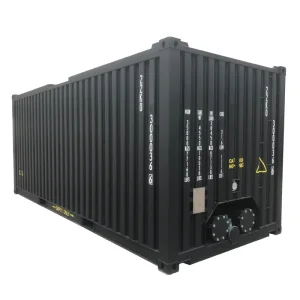
Certified to DNV 2.7-1 / EN 12079 criteria for harsh sub-sea, open ocean platform loading, and heavy ore transport. Features four-point pad eyes, dynamic sling sets, and low-temperature Charpy V-notch impact-tested structural steel.
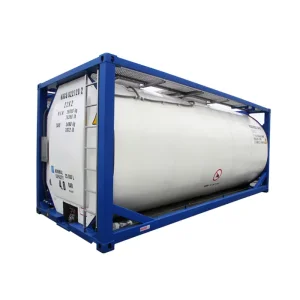
Stainless steel 316L pressure vessels mounted inside full ISO framework (T11 to T22 criteria). Configured with integrated steam heating or electrical tracing jackets for asphalt, bitumen, and viscous chemical cargo.
The manufacturing blueprint behind industrial containers designed to outlast a 25-year operational fatigue cycle.
Specialized container manufacturing demands structural metallurgy far surpassing commodity steel fabrications. In our automated production facilities, corner castings are cast from low-alloy, high-strength cast steel (SCW480 or equivalent) verified via non-destructive ultrasonic testing (NDT). Structural perimeter members—including corner posts, cross-members, and side sills—are pressed from cold-rolled Corten-A (SPA-H) alloy containing deliberate additions of copper, chromium, and nickel. When exposed to harsh marine atmospheres, this steel develops an impervious, adhering passivation patina that self-heals against electrochemical corrosion.
| Container Category | Primary Metallurgy & Spec | Insulation / Thermal Barrier | Classification Compliance | Target Industry |
|---|---|---|---|---|
| Reefer Cold Room / HC | SPA-H Cor-Ten + SUS304 Liners | Cyclopentane PU Foam (100-120mm) | ISO 1496-2, BV, TIR, ATP | Bio-Pharma, High-Value Perishables |
| Offshore Mining / Mud Baskets | Charpy V-Notch (-20°C / -40°C) Steel | N/A (Open or Reinforced Steel Wall) | DNV GL 2.7-1, EN 12079, CSC | Offshore Gas & Sub-Sea Extraction |
| Chemical ISO Tank Vessel | SS316L / Titanium Clad Plates | Rockwool + Aluminum Cladding | ASME VIII, RID/ADR, IMDG, US DOT | Specialty Solvents, Acids, Petrochemicals |
| Heated Bitumen Carrier | High-Yield Structural Q345B Steel | High-Density Ceramic Fiber / Mineral | ISO 668, CSC Stamped, ClassNK/BV | Road Construction, Refined Asphalt |
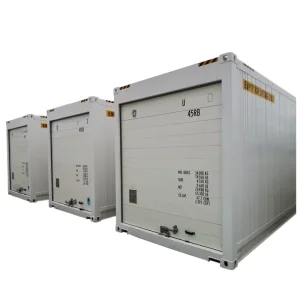
| Side Open / Modular Pods | Full SPA-H Frame + Heavy Hinges | PIR / Polyisocyanurate Core Panels | ISO 1496-1, CE, CSC Stamped | Mobile Data Hubs, Telecom, Field Camps |
Thermal management for refrigerated and insulated units leverages non-ozone depleting foaming formulations achieving thermal conductivity values as low as k = 0.022 W/m·K. Simultaneously, real-time IoT integration is revolutionizing fleet supervision. Factory-installed dual-mode cellular and satellite telemetry transceivers capture micro-fluctuations in interior temperatures, suction and discharge pressures, door open/close events, power source phase drops, and GPS breadcrumbs. This data stream feeds directly into central logistics engines to enable predictive compressor maintenance, automatic DEFROST scheduling, and unbroken compliance logs required under strict FDA or European GDP (Good Distribution Practice) regulations.
Eliminating border friction through verified factory-gate sign-offs, load testing, and port-side expediting.
Every non-standard chassis configuration—such as side-door cutouts or quad-door setups—undergoes finite element dynamic simulation before the first sheet of Corten steel is laser-cut. This ensures rigidity matches standard ISO stacking capabilities.
Every single manufactured unit is subject to physical inspection by accredited surveyors from Bureau Veritas, Lloyd's Register, or DNV. Structural testing includes static roof loading, floor strength testing with 7,260 kg axle loads, and racking tests.
Situated within 100 kilometers of Tianjin and Suzhou seaports, finished units are transferred to terminal berths within hours of factory sign-off. We facilitate "One-Way Free Use" export shipping or ship units empty as SOC (Shipper Owned Containers).
Critical answers addressing procurement lead times, customization thresholds, engineering drawings, and global deployment.
Standard catalog models (such as ISO dry cargo, 40ft HC reefers, and ISO tanks) are kept in continuous production batches or in port stock, shipping within 7 to 15 calendar days. For bespoke ODM projects—such as roll-up side door assemblies, generator integration, or custom DNV offshore baskets—the lead time typically spans 25 to 35 business days, encompassing full CAD/3D structural drafting, customer sign-off, FEA stress simulation, Class surveyor inspection, and final paint curing.
All offshore containers destined for oil platforms, subsea mining, and marine support vessels are built in accordance with DNV GL 2.7-1 and EN 12079 standards. Our welding engineers hold certified international marine ratings. Materials undergo Charpy V-notch impact testing at -20°C (or -40°C for Arctic operations). The completed structure undergoes rigorous static prototype testing—including 2-point dynamic lifting and drop tests—witnessed and certified by DNV surveyors with permanent identification data plates affixed.
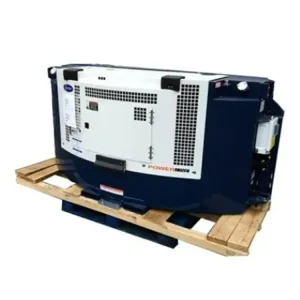
Yes. As an authorized assembly factory, we install Carrier Transicold (e.g., ThinLINE, PrimeLINE), Thermo King (Magnum Plus), and Daikin (LXE) units based on your regional maintenance infrastructure and technician familiarity. Systems can be configured for 380V/460V 3-phase 50/60Hz operations, equipped with dual-voltage transformers, or fitted with custom clip-on diesel generator sets (gensets) for uninterrupted rail and road intermodal transits.
For custom engineering and dimensional modifications (e.g., non-standard heights, specialized open-side structural alterations, or interior mechanical mounting brackets), our minimum order threshold is typically 1 to 2 prototype units depending on tooling requirements. For full production runs, cost-efficiency scales rapidly at batches of 10 to 50 TEU, which maximizes production jig utilization and reduces custom steel press setup expenses.
We leverage multiple cost-saving export modalities. Containers can be certified as "One-Way Shipper Owned Containers (SOC)", loaded with your own export cargo or third-party non-damaging dry cargo from Chinese ports, allowing the container to earn freight revenue on its maiden journey. Alternatively, ISO-dimensioned containers can be connected and shipped as single intermodal slots, minimizing ocean repositioning freight rates to North American, European, African, and Latin American destinations.
Explore heavy-duty high-cube modifications, side-open reefers, heated transport units, and certified intermodal enclosures.