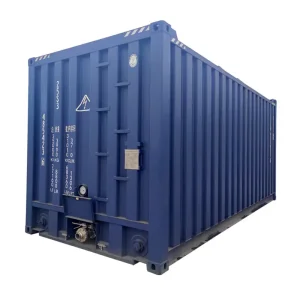
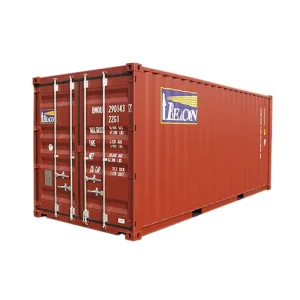
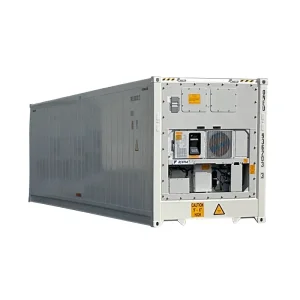
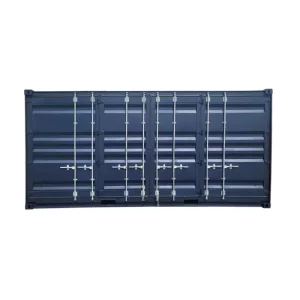
Explore heavy-payload reefer architectures, DNV-certified offshore mining transport units, and customized side-access dry frames ready for worldwide export from Tianjin port hubs.




In the wake of supply chain regionalization, aggressive decarbonization mandates (IMO 2030/2050), and shifting intermodal corridors, general-purpose dry boxes no longer suffice for mission-critical cargo.
Global logistics networks have evolved from port-to-port maritime journeys into complex, multi-modal terrestrial-sea bridges. The trans-continental transit spanning the Eurasian Land Bridge and Belt and Road requires containers built with enhanced longitudinal torsional rigidity to withstand heavy rail shunt impacts, hump yard switching, and extreme sub-zero permafrost environments.
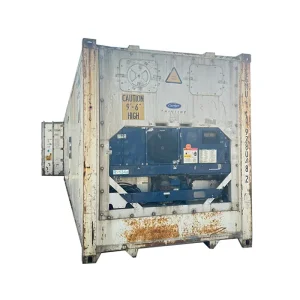
Global pharmaceutical regulatory enforcement (GDP 2013/C 343/01) and high-value perishables demand active, uninterrupted atmospheric and cryogenic control. Specialized reefers integrate closed-loop micro-climate sensors, blast freezing modules capable of -60°C core chilling, and redundant power architecture to eliminate thermal degradation risks during vessel layovers and long inland delays.
Offshore exploration, high-density mineral extraction, and dangerous hazardous liquid chemicals require specialized containment shells that diverge completely from light-gauge cargo units. Containers must satisfy DNV 2.7-1, EN 12079, and ASME Section VIII vessel standards, featuring thick-section structural hollow sections, pad-eyes for dynamic ocean crane hoisting, and multi-point sealing.
Technical data verified in certified test bays under Bureau Veritas (BV), Det Norske Veritas (DNV), and China Classification Society (CCS) surveillance protocols.
| Container Classification | Structural Metallurgy / Wall Panel | Thermal / Pressure Rating | Lifting / Safety Certification | Target Industrial Application |
|---|---|---|---|---|
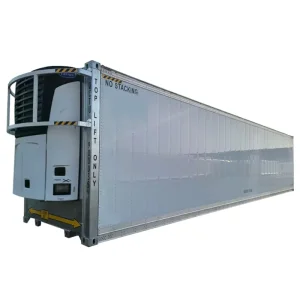
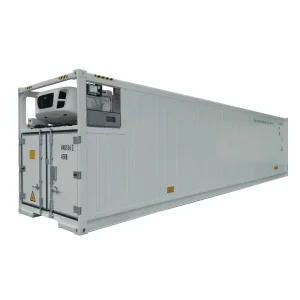
| 40ft HC Controlled Atmosphere Reefer | Cort-Ten Outer Shell + SUS304 Food-Grade Stainless Inner Liner | -35°C to +30°C Precise (Daikin/Carrier/TK Active Machinery) | CSC, BV, ISO 1496-2, TIR, ATP Certified | Pharmaceutical cold chains, deep-frozen meats, bio-enzymes, exotic produce |
| Blast Deep-Freeze Container Unit | Vacuum Insulated Sandwich Polyurethane + Corrugated Steel Exterior | Rapid pull-down to -60°C; Multi-stage scroll compressor | CCS, DNV-GL, ISO Active Cold Storage Type | Sashimi-grade tuna flash freezing, biological vaccines, plasma transport |
| Offshore DNV Half-Height Ore Carrier | High-yield structural carbon steel (EH36 / Q355D Charpy V-notch tested) | Ambient marine exposure (-40°C design temp for Arctic conditions) | DNV 2.7-1, EN 12079, IMO MSC/Circ.860, Lloyd's Register | High-density metalliferous ores, subsea drilling equipment, drill collars |
| 20ft ISO Square Liquid Tank Container | 316L Austenitic Stainless Steel with 50mm Rockwool Insulation & Steam Heating | Test pressure 6.0 Bar, Maximum allowable working pressure (MAWP) 4.0 Bar | ASME 'U' Stamp, UN Portable Tank (T11/T14), IMDG, ADR/RID | Hazardous chemicals, corrosive acids, edible food oils, specialty solvents |
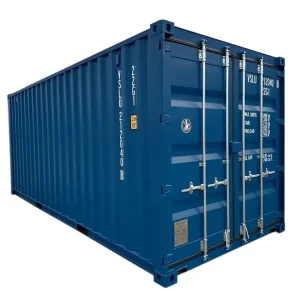
| 20ft / 40ft Multi-Door & Open-Side Container | SPA-H Cor-Ten weathering steel with reinforced box-section header headers | Standard weather-tight, double EPDM perimeter gasket sealing | ISO 1496-1, CSC safety approval plate (stacking weight 216,000 kg) | Oversized heavy equipment, forklift direct-loading, mobile distribution depots |
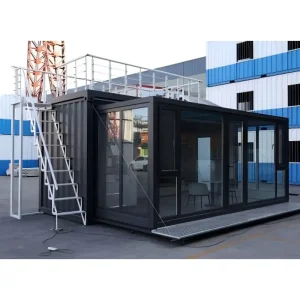
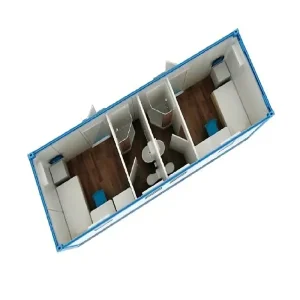
| Modular Accommodation & Shelter Units | Galvanized light-steel welded chassis + fireproof glass wool sandwich core | Thermal insulation R-value > 3.2 m²K/W; Sound reduction class 38 dB | CE compliance, ISO 9001, Flame Retardant Class A1 / B1 | Offshore platform crew living quarters, remote mining encampments, disaster response |
Tianjin Cimic Imp&Exp Co., Ltd. (operating since 1983) operates synchronized fabrication yards located approximately 100 kilometers from the Tianjin deep-water maritime port, driving down inland drayage expenses and dispatch latency.
Every specialized container batch is subjected to destructive and non-destructive load trials monitored directly by Bureau Veritas (BV), Det Norske Veritas (DNV), and ABS surveyors. Factory certificates of conformity and CSC safety approval plates are issued per container serial code.
Structures are produced from atmospheric corrosion-resistant SPA-H steel, creating a self-passivating copper-phosphorus oxide layer that shields structural corner castings and side sills against hyper-saline oceanic atmospheric degradation and rough open-deck container vessel voyages.
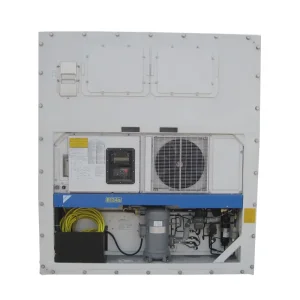
Our reefer product lines house OEM Carrier Transicold, Daikin, and Thermo King units. Buyers benefit from global OEM warranty integration, worldwide spare part availability in over 120 nations, and multi-port inspection services spanning all major Chinese ocean trade gateways.
From reinforced roll-up roller shutter doors and side-opening configurations to specialized mobile power houses with soundproof louvers and integrated fire suppression, our internal CAD/FEM engineering group translates custom operational specs into classification-ready blueprints.
Where off-the-shelf standard dry shipping containers fail, CIMIC specialized container units deliver continuous operational integrity under extreme structural loads, corrosive atmospheres, and temperature extremes.
Handling sea-state dynamic wave heave during ship-to-platform transfers requires specialized container framing with zero-brittle failure at -40°C. Our DNV-certified dry units, half-height tool carrier bins, and offshore reefers integrate certified 4-point master-link sling sets, recessed pad-eyes, and internal tie-down lashings capable of securing heavy blowout preventers, subsea drill stems, and valves.
Navigating cross-border rail connections from China across Central Asia into Western Europe exposes shipping freight to harsh continental temperature swings (+40°C in summer to -45°C in Russian winters). Our 45ft high-cube diesel-electric integrated reefer containers carry onboard 800L+ high-capacity fuel tanks and self-starting Carrier/Thermo King diesel generators, ensuring nonstop temperature maintenance throughout 15-day non-stop transits.
For biomedical vaccines, bio-pharmaceutical active ingredients, and blast-frozen premium marine harvests, temperature deviations can cause millions of dollars in inventory loss. Our multi-circuit blast freezer containers leverage variable-speed scroll compressors and digitized remote telemetry to cycle down to -60°C in less than 4 hours, serving as mobile cold storage distribution rooms on land and deep-sea harvest mother-ships.
The intermodal transfer of Class 3 to Class 8 hazardous corrosive materials requires specialized square liquid containers and ISO tank units built from passivated 316L stainless steel. Equipped with high-flow bottom discharge butterfly valves, top siphon systems, glycol trace heating, and explosion-proof telemetry, these containers eliminate leak potential during multi-tier road, rail, and ship transfers.
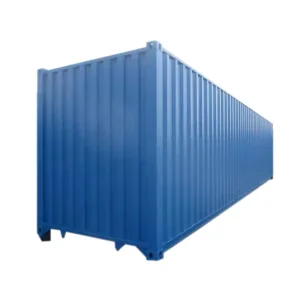
Dense bulk mineral concentrates such as bauxite, lithium, iron ore, and nickel concentrates carry immense volumetric mass that will deform standard 20ft general dry containers. Our reinforced half-height ore carrier containers feature low centers of gravity, sloped self-clearing side walls, and heavy-duty tippler-compatible top corner castings that allow 360-degree crane rotational unloading directly into bulk carrier ships.
Capital projects in extreme environments like mine heads, desert solar arrays, and offshore substations require ruggedized deployable buildings. Our modular container housings and electrical equipment enclosures leverage standard ISO twist-lock geometry for low-cost international shipping, complete with internal acoustic rockwool cladding, cable management raceways, and fire suppression systems.
CIMIC is pioneering structural, metallurgical, and telematics innovations to align with stringent international maritime ESG guidelines and automated terminal container-handling environments.
Real-time GPS positioning, door-opening trip logs, and wireless cargo core temperature monitoring linked directly via Iridium satellite transceivers for mid-ocean data visibility.
Deploying vacuum insulation panels (VIP) and non-CFC aerogel blankets within insulated and reefer container sandwich panels to reduce active compressor power draw by 28%.
Transitioning base structural framing to hydrogen-reduced direct reduced iron (DRI) weathering steel, cutting the embodied carbon footprint per container unit by more than 40%.
Internal load-bearing stress gauges and integrated predictive compressor maintenance algorithms that interface directly with automated smart port stacking cranes.
Comprehensive engineering clarifications on dimensional standards, custom modifications, classification societies, refrigeration unit compatibility, and export procedures.
Standard ISO containers (ISO 1496-1) are built primarily for uniform container ship cell-guide stacking and quayside gantry crane operations with vertical-only lifting stresses. In stark contrast, DNV 2.7-1 / EN 12079 offshore containers are engineered for dynamic impact loads experienced in open rough seas during ship-to-platform transfers. Offshore units feature heavy-section structural tubing, pad-eyes welded directly to primary mainframe members with 100% non-destructive examination (NDE), special low-temperature impact Charpy V-notch tested steel (preventing brittle fractures at -20°C or -40°C), and certified four-part wire rope sling assemblies.
We work directly with the world's leading active marine refrigeration machinery OEMs: Daikin (Zestia / LXE series), Carrier Transicold (ThinLINE / PrimeLINE / X4 integrated units), and Thermo King (Magnum Plus series). Depending on whether your operational route prioritizes ultra-low energy consumption, deep freezing down to -35°C/-60°C, precise ±0.25°C temperature tolerances for biological cargo, or local service center availability in specific target discharge ports, our engineers configure the optimal machinery unit alongside custom T-bar or flat floor airflow layouts.
Every newly constructed specialized container manufactured for commercial intermodal transit must carry an approved CSC (Convention for Safe Containers) safety approval plate. During our factory engineering and manufacturing phases, surveyors from world-recognized classification societies—including Bureau Veritas (BV), Det Norske Veritas (DNV), and China Classification Society (CCS)—witness structural prototyping, transverse bending tests, racking and lashing load tests, and air-tightness verification. Once verified, authentic CSC plates stamped with design approvals, gross payload ratings, and classification registry stamps are permanently riveted to the container doors.
For standard ISO dry boxes, used containers, and stock reefers, minimum order quantities can be as flexible as 1 unit. For tailored bespoke configurations (e.g., customized side door openings, non-standard dimensional lengths like 10ft or 45ft high-cubes, blast freezer integration, specialized tank frames, or heavy-duty ore carriers), MOQ typically starts at 2 to 4 units depending on the complexity of structural re-tooling. Prototyping and production batches typically ship within 3 to 6 weeks from our Tianjin and Suzhou manufacturing facilities directly to the berth.
Corrosion mitigation starts with raw material selection: we utilize authentic SPA-H Corten weathering steel with high copper, chromium, and nickel content. Following structural automated welding, container surfaces are blasted to SA 2.5 standard to remove mill scale and oxidation. We then apply a complete heavy-duty marine-grade paint schedule: a zinc-rich epoxy primer (minimum 30 μm DFT), an epoxy intermediate barrier coat (40 μm DFT), and an acrylic polyurethane topcoat (40 μm DFT). Total dry film thickness exceeds 110–130 μm, backed by heavy zinc plating on door locking gear, hinges, and stainless steel hardware.
Yes. International buyers frequently save thousands of dollars in repositioning and empty ocean freight costs by purchasing containers as "Shipper Owned Containers" (SOC). We coordinate with local logistics forwarders and shipping lines to issue legitimate CSC certificates and valid interchange surveys, allowing the container to be stuffed with commercial export dry cargo or frozen commodities from China, loaded aboard container vessels, and delivered directly to the buyer's overseas discharge terminal.
Review heavy-duty multi-door dry boxes, certified liquid tanks, foldable mobile structures, and high-cube refrigeration containers engineered for severe operational logistics.