Explore heavy-duty, certified transit containers engineered for multi-modal stability, high structural resilience, and optimal cold-chain preservation across sea, rail, and highway routes.
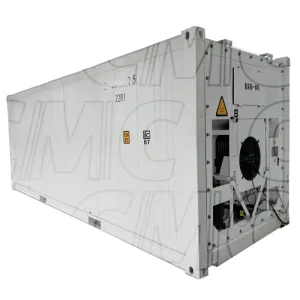
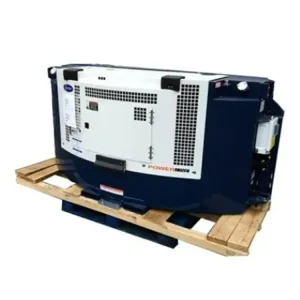
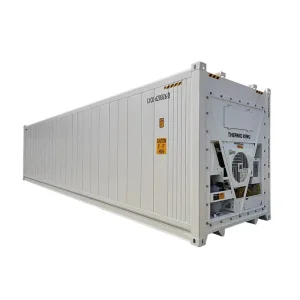
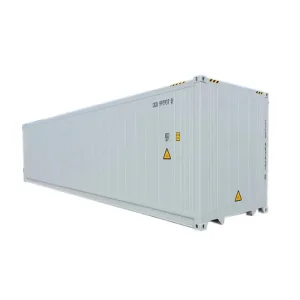
In modern industrial logistics, commercial procurement directors and supply chain strategists encounter stringent operational parameters when seeking certified transit containers from tier-one manufacturers.
Global transit requires strict adhesion to ISO 1496-1 specifications, CSC (Convention for Safe Containers) safety plating, and Bureau Veritas (BV) or DNV certifications. Enterprise buyers demand dynamic load capacities capable of sustaining 9-high stacking under full ocean payload conditions without structural deflection.
Navigating volatile ocean freight rates necessitates dealing directly with coastal fabrication hubs. Fabricating units roughly 100 kilometers from prime terminals such as Tianjin Port and Shanghai minimizes inland dead-head drayage, translating directly into double-digit reductions in initial FOB/CIF equipment budgets.
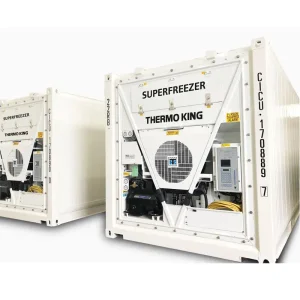
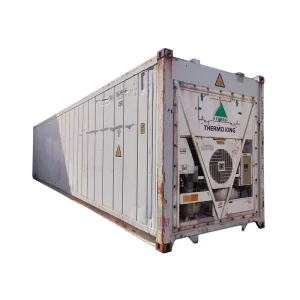
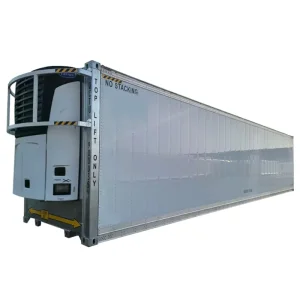
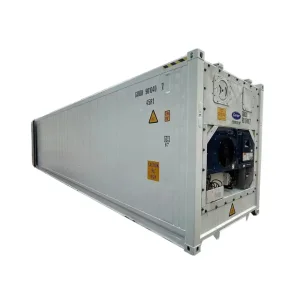
High-cube reefers require precision thermodynamics. Modern procurement protocols require automated vacuum-injected polyurethane insulation, C-138 stainless steel internal lining, and pre-integrated multi-refrigerant compressors (Thermo King, Daikin, Carrier) capable of holding -30°C to +30°C within tight 0.1°C variances.
A granular overview of metallurgical choices, structural cross-sections, and active insulation properties engineered into our export-grade transit container families.
| Dimensional Profile | Structural Metallurgy | Thermal & Sealing System | Gross Load (M.G.W.) | Compliance Standards |
|---|---|---|---|---|
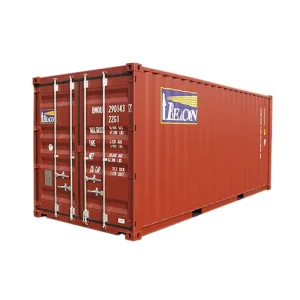
| 20ft Standard Intermodal 6,058 × 2,438 × 2,591 mm |
SPA-H Corten Steel, 1.6mm corrugation, heavy corner castings | Triple-lip EPDM compression seals, marine zinc undercoating | 30,480 kg (67,200 lbs) | ISO 1496-1, CSC, UIC 592, BV Certified |
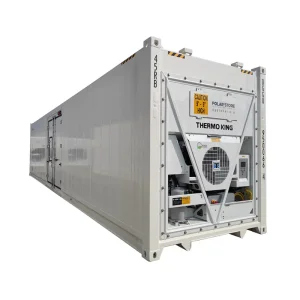
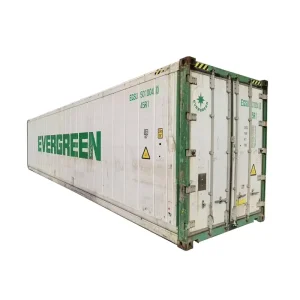
| 40ft High-Cube Insulated/Reefer 12,192 × 2,438 × 2,896 mm |
Outer Corten, inner SUS304 mirror stainless, Al extruded T-floor | Cyclopentane-blown high-density polyurethane (75mm-85mm) | 35,000 kg (77,160 lbs) | TIR, ATP, ISO 1496-2, USDA Cold Treatment |
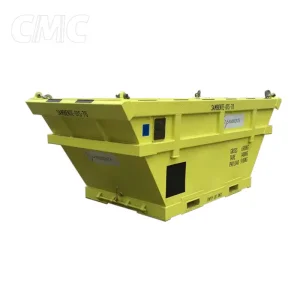
| DNV 2.7-1 Offshore Silt/Basket Engineered to custom site dimensions |
High-yield structural carbon steel (S355J2), heavy crash frames | Anti-saline 3-coat marine epoxy system (320μm DFT) | Variable payload up to 25,000 kg | DNVGL-ST-E271, EN 12079, IMO MSC/Circ.860 |
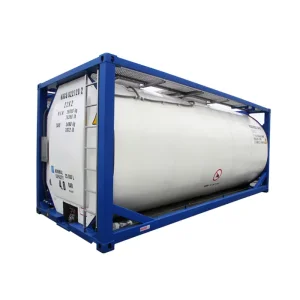
| 20ft ISO Intermodal Chemical Tank 6,058 × 2,438 × 2,591 mm |
316L Stainless Steel shell, insulated mineral wool exterior | PTFE envelope seals, bottom discharge emergency foot-valves | 36,000 kg (79,365 lbs) | ASME VIII Div 1, IMDG T11/T14, RID, ADR |
Matching dynamic enterprise operations with purpose-built modular, refrigerated, and ruggedized container topologies.
Integrated DC inverter units, solar assistance, and remote IoT monitoring allow uninterrupted sub-zero transport of biological vaccines, exotic fruits, and seafood across desert or equatorial transit corridors without thermal degradation.
Built strictly for extreme open-sea dynamic stresses. DNV-rated baskets, silt units, and pressurized tool cabins withstand rough crane lifts onto deep-water drilling rigs and exposure to concentrated sea-spray environments.
Reinforced sill plates, fork-pockets, and side-opening configurations facilitate cross-dock pallet handling. Roll-up doors and side doors permit instant direct forklift entry at regional logistics centers and distribution yards.
Heavy container frames modified into localized diesel genset enclosures, battery energy storage systems (BESS), and modular mobile engineering offices engineered for military, mining, and infrastructure installations.
As the freight logistics industry navigates digitalization, strict carbon taxation, and automated terminal handling, container fabrication methodologies are undergoing rapid technological transformation.
Integration of flexible monocrystalline solar arrays along container roof recesses, buffering battery banks to power ultra-efficient DC inverter refrigeration compressors during port dwell times or non-powered rail transport.
Next-generation transit enclosures come embedded with cellular/satellite transmitters monitoring internal pressure, door openings, GPS geolocation, g-force impact spikes, and cold-chain micro-climates in real-time straight to ERP systems.
Adoption of aerogel thermal barriers and lightweight nano-coated composite skin laminates reduces tare weight by upwards of 18%, substantially lowering fuel burn per payload-ton without sacrificing shear strength or tensile endurance.
Direct export from Tianjin and Suzhou with pre-cleared customs documentation, worldwide maritime classification surveys, and on-site engineering customization.
Every transit unit manufactured leaves the shop floor backed by complete documentation dossiers, including Bureau Veritas (BV), ISO 9001 quality audits, DNV offshore lifting certificates, and active CSC safety plates for effortless interchange.
From custom hatch placements, roll-up shutter conversions, and interior mechanical mountings to specialized paint schemes and custom corporate liveries, our factory engineers deliver tailored 3D CAD/CAM drawings within 24 hours.
With manufacturing lines located roughly 100km from primary coastal berths, plus an extensive nationwide network of inspected depot inventory across primary Chinese ports, overseas shipments can be loaded and dispatched with minimized lead times.
Detailed technical, financial, and logistical insights addressing the most frequent queries from commercial procurement teams.
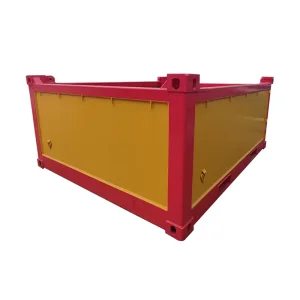
We supply the entire spectrum of standard ISO formats (10ft, 20ft, 20ft High Cube, 40ft, and 40ft High Cube), alongside purpose-engineered variations including full side-open doors, roller-shutter accesses, half-height ore containers, ISO liquid tanks, modular housings, and offshore certified baskets.
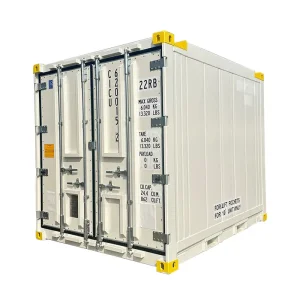
Our reefer fleet can be equipped with any primary market-leading cooling machinery, including Thermo King, Daikin, and Carrier Transicold units. In addition, we engineer custom DC inverter solar-assisted units and containerized diesel generator combinations for standalone remote performance.
Every newly built standard shipping unit is fully certified under ISO quality management and stamped with Bureau Veritas (BV) classification safety plates. Offshore series containers (such as silt and cargo baskets) are fully fabricated and tested in adherence to strict DNVGL-ST-E271/EN 12079 criteria.
Standard ISO dry and reefer containers feature flexible order minimums, while customized OEM/ODM projects (custom apertures, insulation thickness, custom brackets) are planned per production batch to maximize line efficiency. Standard batches typically complete within 15–25 working days from drawing approval.
All used and refurbished containers in our port inventory (including 90% new Carrier reefers and pre-owned dry containers) undergo multi-point PTI (Pre-Trip Inspection) procedures. They are verified wind-and-water-tight (WWT), structurally intact for CSC re-certification, and cleaned to cargo-worthy standards.
Operating manufacturing facilities in Tianjin and Suzhou—situated approximately 100 kilometers from two of the world's most active deepwater container terminals—substantially eliminates expensive domestic positioning charges, ensuring competitive FOB vessel and CIF destination quote metrics.
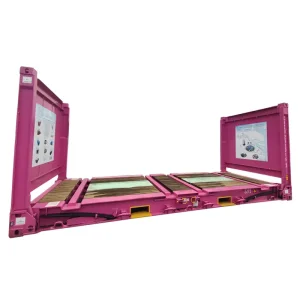
Complete your fleet acquisition with specialized bulk liquid tanks, side-opening reefer models, integrated gensets, and certified intermodal flat racks.