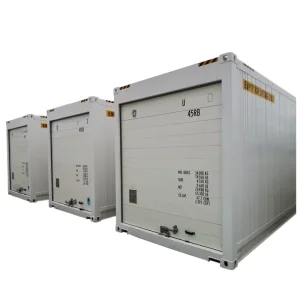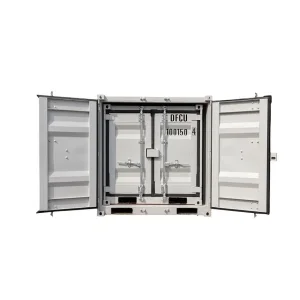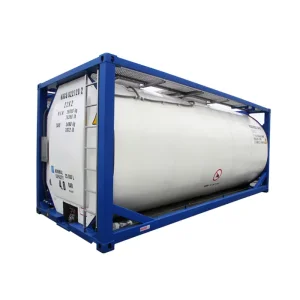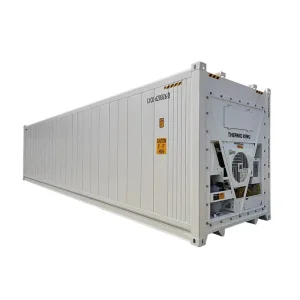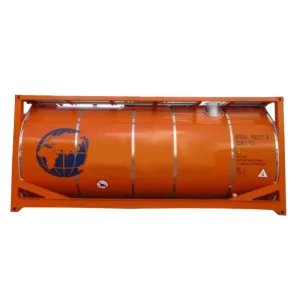
Verified ISO, DNV, and BV standard shipping units available for swift global deployment, customized build orders, and immediate harbor dispatch.
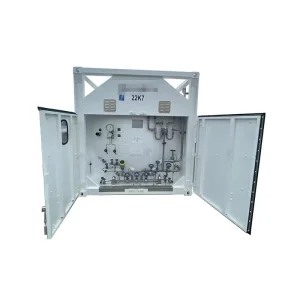
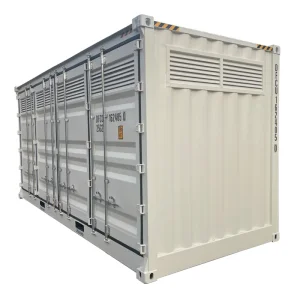
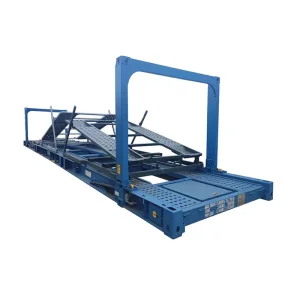
Examining how high-throughput robotic assembly, specialized metallurgical sourcing, and strategic coastal logistics create structural cost-efficiency and quality predictability.
By shifting from manual joining to dual-torch multi-axis robotic gas metal arc welding (GMAW), side-panel deformation is systematically eliminated. Structural tolerance is maintained at ±1.0mm, yielding air-tight structural integrity compliant with ISO 1496-1 requirements under severe sea-state stresses.
Full integration with localized blast-furnace rolling mills provides direct supply of high-grade atmospheric corrosion-resistant Corten steel (SPA-H). This grade forms a protective copper-phosphorus oxide patina that dramatically retards rust expansion even during multi-year transoceanic exposure.
Our Tianjin and Suzhou manufacturing plants are strategically situated within roughly 100 kilometers of northern and eastern maritime shipping hubs. This immediate port proximity cuts drayage costs, accelerates vessel staging, and allows rapid multimodal integration with direct railway terminals.
How container architecture solves operational challenges across maritime, intermodal rail, hazardous materials, and remote heavy-industry corridors.
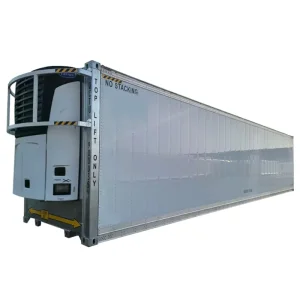
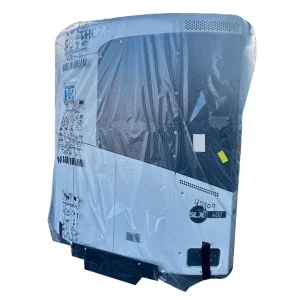
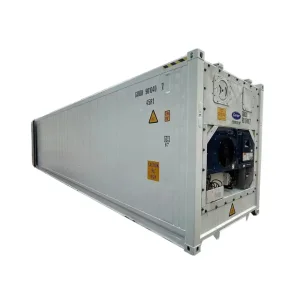
Engineered with stainless-steel interior paneling (MGSS/HGSS), T-bar floor profiles for laminar cooling airflow, and integrated Carrier, Daikin, or Thermo King machinery, maintaining temperature stability from -35°C to +30°C across multi-transshipment perishable supply chains.
Designed around ASME VIII and IMDG Code requirements, our T75 and liquid tank containers support high-purity food-grade liquid commodities as well as hazardous industrial chemicals. Heavy insulation and optional electric/steam heating circuits protect against thermal stratification.
Manufactured strictly according to DNV 2.7-1 / EN 12079 criteria, these offshore containers withstand high-impact dynamic lifting and severe wave actions on platform support vessels (PSVs). Certified pad-eyes, heavy corner blocks, and 4-leg rated wire rope slings guarantee offshore marine compliance.
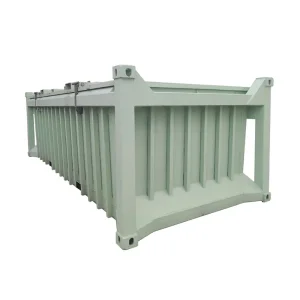
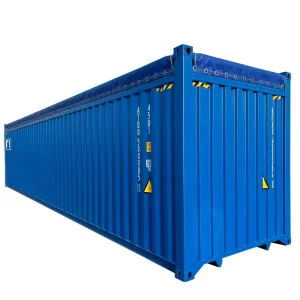
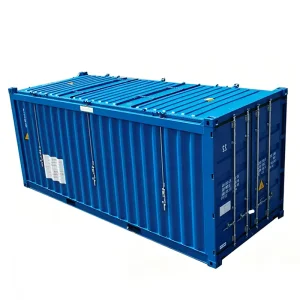
Open-top tarpaulin-covered containers, flat racks, and side-opening high-cubes provide ergonomic loading solutions for overhead crane operations, oversized industrial gearboxes, and automotive logistics where standard rear-end cargo stuffing is physically impossible.
Standardized specifications across primary dry, specialized, and temperature-controlled modular shipping units.
| Category | Structural Substrate | Payload / Max Gross (kg) | Primary Certification | Optimal Logistics Applications |
|---|---|---|---|---|
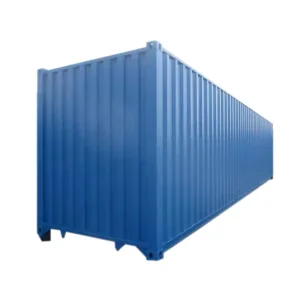
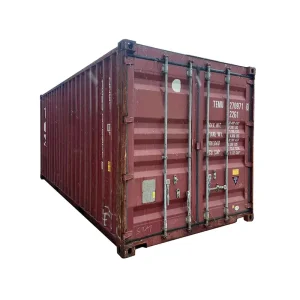
| 20ft ISO Standard Dry | SPA-H Corten Steel (1.6 - 2.0mm) | 28,200 / 30,480 | ISO 1496-1, CSC, BV | High-density commodities, palletized general freight, sea/rail transit. |
| 40ft High Cube Dry | SPA-H Corten Steel (2.0mm profiles) | 28,600 / 32,500 | ISO 1496-1, CSC, BV | Voluminous consumer freight, e-commerce parcels, low-density cargo. |
| 40ft HC Active Reefer | Corten Outer / MGSS Inner + PU Foam | 29,400 / 34,000 | ISO 1496-2, ATP, BV | Biopharmaceuticals, deep-frozen meats, exotic fruit ocean shipments. |
| T75 Cryogenic ISO Tank | Austenitic Stainless (304/316L) | 24,000 / 36,000 | ASME VIII Div 1, IMDG, ADR | Liquefied natural gas (LNG), liquid argon, nitrogen, industrial gases. |
| DNV 2.7-1 Offshore Unit | High-Strength Structural Steel (S355) | 10,000 - 15,000 Rated | DNVGL-ST-E271, EN 12079 | Drilling tools, rig equipment, open-ocean heavy lift resupply. |
Understanding the micro- and macroeconomic factors shaping container unit pricing from tier-1 Chinese exporters.
Corten steel accounts for up to 55-65% of an empty dry container's bill of materials. Enterprise contracts leverage programmatic index-pricing pegged to major steel futures to hedge against seasonal market volatility and guarantee price clarity over multi-month delivery runs.
For one-way repositioning or secondary site-storage, 90% new/used certified boxes yield capital expenditure reductions of 35-50% relative to fresh factory rollouts, while preserving water-tight integrity, functional door seals, and active CSC safety plates.
Shipper Owned Containers (SOC) sourced directly from factory gates can be positioned with export cargo originating across Chinese industrial hubs. This neutralizes traditional container demurrage and empty return penalties at destination ports, lowering total landed transit expenses.
Navigating global statutory mandates, international maritime governance, and dedicated multi-regional after-sales service frameworks.
Every standard production run undergoes rigorous third-party witnessing by Bureau Veritas (BV), Lloyd's Register (LR), or China Classification Society (CCS). Tests cover stack integrity (up to 192,000 kg), longitudinal floor strength, racking, and air-leak testing.
Safety approvals under the International Convention for Safe Containers (CSC) are stamped directly onto stainless steel approval plates. Units conform to UIC 592 leaflets, ensuring immediate rail interoperability throughout Eurasian and North American line-haul corridors.
Active refrigeration assets (Thermo King, Carrier Transicold, Daikin) carry original manufacturer warranties with authorized service networks spanning across 130+ nations. Buyers can secure certified replacement compressors and controllers without geographic friction.
In accordance with global VOC reduction directives, containers use advanced water-based zinc primers and acrylic topcoats. This multi-coat finishing cuts environmental emissions while delivering over 1,500 hours of continuous salt-spray rust protection.
The forward trajectory of container manufacturing: merging IoT connectivity, carbon footprint reduction, and autonomous tracking systems.
Integration of low-power 5G NB-IoT sensor nodes, door-opening optical triggers, and internal cargo shock sensors directly into corner casting recesses during factory builds, enabling end-to-end real-time location and environmental visibility via cloud APIs.
Transitioning from traditional hardwood timber floors toward recyclable thermoplastic composites, reinforced bamboo matrices, and lightweight carbon composites to reduce tare weight by up to 300 kg per 40ft HC unit, significantly cutting per-ton fuel consumption.
Next-generation reefer platforms engineered for natural refrigerants such as CO2 (R-744) with an ultra-low Global Warming Potential (GWP=1), delivering compliance with strict EU F-Gas regulations and US SNAP standards while cutting lifecycle carbon impacts.
Detailed insights from our engineering and sales export team to help optimize your global procurement decisions.
Advanced bulk transfer equipment, mobile power cooling trailers, and heavy industrial mining chassis manufactured for global distribution.