Ex-factory supply from our Tianjin maritime harbor and Suzhou manufacturing bases. Full BV, ISO, and DNV certified designs engineered for harsh marine, cold storage, and intermodal corridors.
Since founding our manufacturing operations in 1983, Tianjin Cimic Imp&Exp Co., Ltd. (CIMIC Group) has served as an authoritative Tier-1 fabricator of high-tolerance intermodal freight, cold-chain, hazardous chemical, and offshore structural enclosures. Operating strategically situated heavy engineering facilities in Tianjin and Suzhou (~100 kilometers from prime deep-water container berths), our integrated manufacturing methodology reconciles structural weight reduction with maximized usable internal cubic feet (cu.ft).
Procurement directors and maritime logisticians face constant operational trade-offs between tare weight, maximum permissible gross mass, and internal cubic footage. Understanding the mechanical distinction between theoretical internal volume and usable stowage cubic footage is fundamental to minimizing shipping cost per cubic meter (CBM).
| Container Model & Type | Nominal Footprint | Internal Volume (cu.ft) | Internal Volume (CBM) | Tare Weight (kg) | Max Payload (kg) | Primary Industrial Use-Case |
|---|---|---|---|---|---|---|
| 10ft Standard Dry ISO | 10ft × 8ft × 8ft 6in | 560 cu.ft | 15.8 m³ | 1,300 kg | 8,860 kg | Urban delivery, distributed tool depots, mining sites |
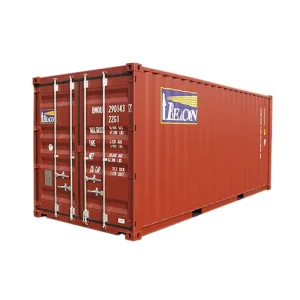
| 20ft Standard GP (General Purpose) | 20ft × 8ft × 8ft 6in | 1,172 cu.ft | 33.2 m³ | 2,230 kg | 28,250 kg | High-density dry freight (machinery, minerals, grain) |
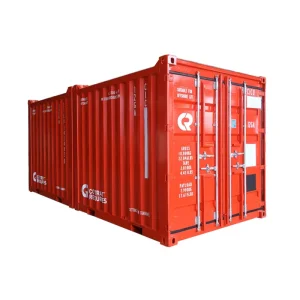
| 20ft High Cube (HC) Dry / Hazmat | 20ft × 8ft × 9ft 6in | 1,320 cu.ft | 37.4 m³ | 2,420 kg | 28,060 kg | Dangerous goods class handling with overhead ventilation |
| 40ft Standard GP Dry Cargo | 40ft × 8ft × 8ft 6in | 2,390 cu.ft | 67.7 m³ | 3,740 kg | 26,740 kg | Light-to-medium volumetric dry goods, consumer appliances |
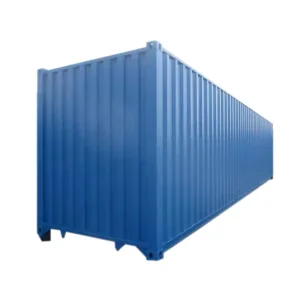
| 40ft High Cube (HC) Corten Dry | 40ft × 8ft × 9ft 6in | 2,694 cu.ft | 76.3 m³ | 3,900 kg | 28,600 kg | E-commerce FMCG, automotive knockdown parts, furniture |
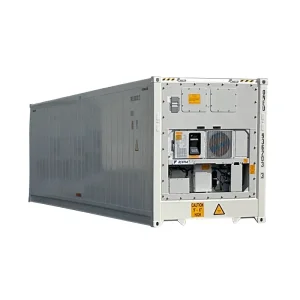
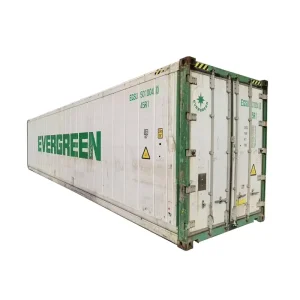
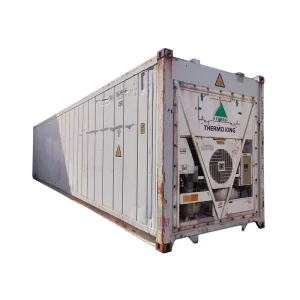
| 40ft High Cube Refrigerated (Reefer) | 40ft × 8ft × 9ft 6in | 2,380 cu.ft | 67.4 m³ | 4,480 kg | 29,520 kg | Cold chain frozen protein, pharmaceuticals, deep-sea fruit |
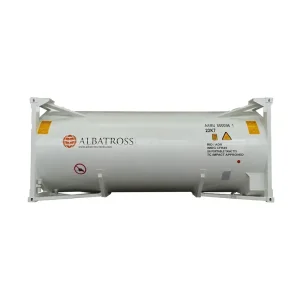
| 20ft ISO Intermodal Gas/Liquid Tank | 20ft Frame × 25,000L Vessel | 883 cu.ft | 25.0 m³ | 3,650 kg | 32,350 kg | Cryogenic fluids, bulk food syrups, hazardous liquid fuels |
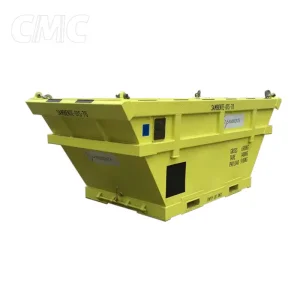
| DNV 2.7-1 Offshore Silt Basket / Cargo | Engineered Custom Lengths | Custom Spec | Dynamic | Reinforced | Dynamic Load | Subsea drill string equipment, oilfield heavy tools |
A standard 40ft HC yields 2,694 cubic feet, representing an additional 304 cu.ft (+12.7%) over a standard 40ft GP container for only ~160 kg of incremental steel weight. In high-cube reefer containers, the inclusion of 70mm to 100mm high-pressure polyurethane (PUR) thermal foam walls and deep extruded aluminum T-profile subfloors reduces internal cubic footage to ~2,380 cu.ft to accommodate cold airflow.
Every structural cubic foot container engineered by CIMIC is constructed with ASTM A242/JIS G3125 SPA-H atmospheric corrosion-resistant Corten steel. With a minimum yield strength of 345 MPa and tensile tolerance reaching 480 MPa, SPA-H forms a resilient oxide patina upon environmental exposure, protecting marine enclosures against saltwater oxidation and preventing catastrophic floor crossmember failure.
To strictly satisfy ISO 1496-1 and Bureau Veritas (BV) type-approval testing, CIMIC containers integrate drop-forged SCW480 cast steel corner blocks capable of withstanding stacked compressive loads in excess of 192,000 kg (allowing full 9-tier laden container ship stacking) under violent pitch-and-roll dynamic marine conditions.
Procurement executives from freight forwarders, sovereign shipping fleets, defense logistics agencies, and intermodal rental conglomerates continually balance volatile raw material pricing against production lead times. Partnering directly with an established Chinese OEM/ODM container manufacturer eliminates layered brokerage markups while locking in raw material hedging strategies.
Container fabrication costs are heavily tied to raw hot-rolled Corten steel coil indices. CIMIC offers corporate buyers transparent pricing benchmarks that decouple steel raw material indexes from manufacturing assembly labor, coating chemistry, and component fit-outs (such as marine ply vs. bamboo floors). This transparent quote structure guarantees price stability across recurring large-scale delivery schedules.
With automated assembly tracks located in both Tianjin and Suzhou, CIMIC mitigates port-level congestion and rail bottlenecks. Importers targeting transatlantic destinations or Northern European ports can clear shipments via Tianjin, while deliveries bound for ASEAN, Australia, or the US West Coast leverage direct barge feeder connectivity along the Yangtze River Delta corridor directly into Shanghai Port.
Every newly fabricated container exits the assembly bay stamped with an international International Convention for Safe Containers (CSC) safety plate validated by third-party surveyors including Bureau Veritas (BV), ABS, or DNV. For buyers procuring secondary or certified used units, our inspectors execute strict IICL-6 (Institute of International Container Lessors) structural compliance audits.
Standard cubic foot containers serve as versatile structural building blocks for complex logistical, agricultural, offshore petroleum, and disaster relief systems. CIMIC engineers precision-tailored mechanical variations matching bespoke thermal and dynamic environments.
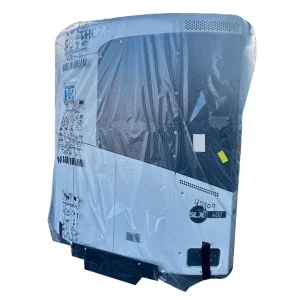
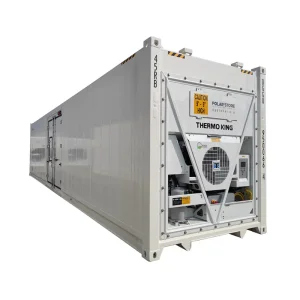
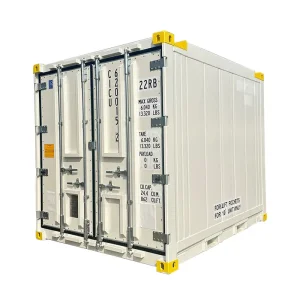
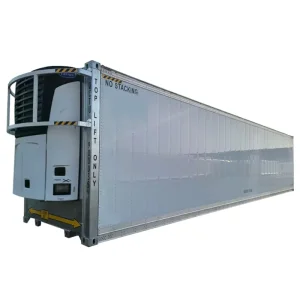
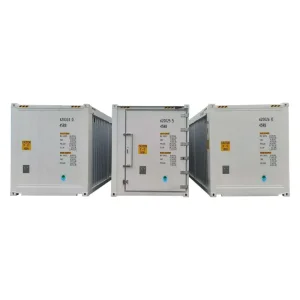
Integrating Carrier Transicold (e.g., X4-7300, PrimeLINE), Thermo King (Magnum Plus), and Daikin scroll compressor machinery into 10ft, 20ft, and 40ft HC insulated shells. Precision microprocessors maintain thermal continuity between -35°C and +30°C (with ultra-low deep freeze capability down to -70°C for specialized vaccines and premium sushi tuna), protected by food-grade stainless steel (SUS304) interior lining.
Marine operations in the North Sea, Gulf of Guinea, and South China Sea subject equipment to harsh ocean spray and dynamic crane lifting shocks. CIMIC offshore dry cargo containers, silt baskets, and tool workshops feature certified primary structural pad-eyes, low-temperature impact tested structural steels (-20°CCharpy V-Notch toughness), and heavy-duty four-leg wire rope lifting slings.
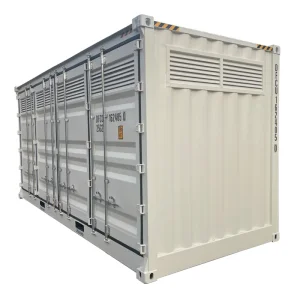
Designed in strict compliance with international maritime dangerous goods (IMDG) standards. These specialized 20ft and 40ft units feature spark-proof interior electrics, side-opening bifold doors for immediate forklift loading, high-volume perimeter louvered ventilation grills, fire-rated insulation cores, and internal subfloor bunded catch-basins to contain toxic spills.
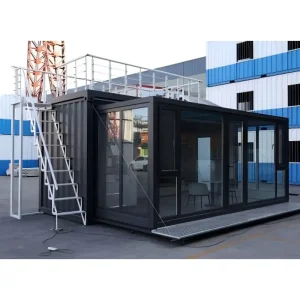
Converting the structural rigidity of a 20ft ISO footprint into expandable, foldable modular living units, medical clinics, and remote telemetry control hubs. Featuring factory-installed plumbing manifolds, certified electrical harnesses, rockwool fire-retardant thermal envelope paneling, and integrated secondary bathrooms for rapid humanitarian mobilization.
The intermodal shipping sector is undergoing rapid modernization driven by decarbonization mandates and real-time cargo observability requirements. CIMIC is actively developing and integrating innovative manufacturing technologies across our core container portfolio.
Factory-integrated smart sensors directly welded into the container framework provide autonomous real-time tracking of internal cubic humidity, structural shock vectors (G-force), door breach occurrences, and ambient temperatures. Data relays connect seamlessly via low-earth orbit (LEO) satellite clusters, providing supply chain visibility even on mid-ocean voyages.
By replacing conventional polyurethane foam with cutting-edge Vacuum Insulation Panels (VIP) protected within thin fiberglass-reinforced composite sandwich walls, CIMIC is engineering thin-wall reefer prototypes. This expands internal usable capacity by up to 85 cubic feet without increasing external ISO boundary dimensions.
In compliance with the Kigali Amendment and tightening European F-Gas regulations phasing out high-GWP refrigerants (such as R-134a and R-404A), our cold-chain R&D team is standardizing Carrier NaturaLINE and Thermo King units utilizing carbon dioxide (R-744, Global Warming Potential = 1) for reduced carbon footprint.
From raw coil shot-blasting to automated robotic welding, multi-stage marine-grade painting, and structural load cell deflation tests, our quality management framework leaves nothing to chance.
Raw Corten coils undergo automated de-coiling, leveling, and high-energy shot blasting to Swedish standard SA 2.5 to remove all surface scale. CNC hydraulic presses form the corrugated profile sheets (1.6mm - 2.0mm thickness) to achieve precise longitudinal structural stiffness.
Front walls, rear door frames, bottom crossmembers, and corner posts are clamped in hydraulic alignment jigs. Automated submerged arc welding (SAW) and robotic mixed-gas shielding guarantee clean penetration without slag inclusion or stress risers.
Frames receive an automated three-coat paint system: a zinc-rich epoxy primer (30μm), an epoxy intermediate coat (40μm), and a high-solid chlorinated polyurethane exterior topcoat (40μm). Total dry film thickness (DFT) reaches 110–130μm for durable protection against marine salt spray.
Every finished unit undergoes an airtight seal test, an internal 10,000-lumen light tightness test, and full floor load verification using 5,460 kg axle forklift simulators. Reefer units receive thorough 4-hour Pre-Trip Inspections (PTI) across all heating and cooling cycles prior to port transfer.
Navigating regional customs mandates, fumigation directives, and transport certifications can pose logistical risks. CIMIC provides comprehensive factory-level documentation and legal compliance for all export markets.
Timber flooring in our dry and reefer containers is treated to satisfy stringent Australian Department of Agriculture, Fisheries and Forestry (DAFF) and international IPPC ISPM 15 standards. Flooring is stamped with certified treatment credentials to bypass quarantine delays across European, American, and Oceanic ports.
All containers are pre-cleared for international rail transit under UIC 592 guidelines and the Customs Convention on Containers (1972). This enables seamless intermodal handoffs between container ships, regional rail cars, and road chassis through bonded corridors without physical destuffing.
Every newly manufactured CIMIC container is backed by a 5-year structural corrosion resistance warranty and a 3-year paint finish guarantee. For reefer models, cooling machinery (Carrier, Thermo King, Daikin) carries comprehensive global manufacturer warranties supported by worldwide certified service networks.
Direct, highly authoritative answers compiled by our chief structural engineers and export directors to resolve procurement queries before formal technical drawing submission.
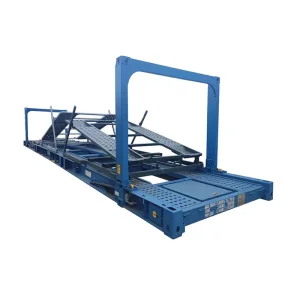
Discover our specialized product lines: from 25,000L cryogenic ISO tank containers and multi-car automotive carriers to specialized portable cooling generators and DNV-certified offshore dry units.